Song Tao, Central Government's Taiwan affairs official, met with Chang Jung-kung, vice chairman of the Chinese Kuomintang (KMT) party, and his delegation in Shanghai on Friday.
Song, head of both the Taiwan Work Office of the Communist Party of China (CPC) Central Committee and the Taiwan Affairs Office of the State Council, said at the meeting that based on the common political foundation of upholding the "1992 Consensus" and opposing "Taiwan separatist forces", the the Central Government is ready to work with the KMT to oppose secessionist activities and crush any attempts by Japan or other external forces to interfere in affairs related to Taiwan.
Click to Gallery
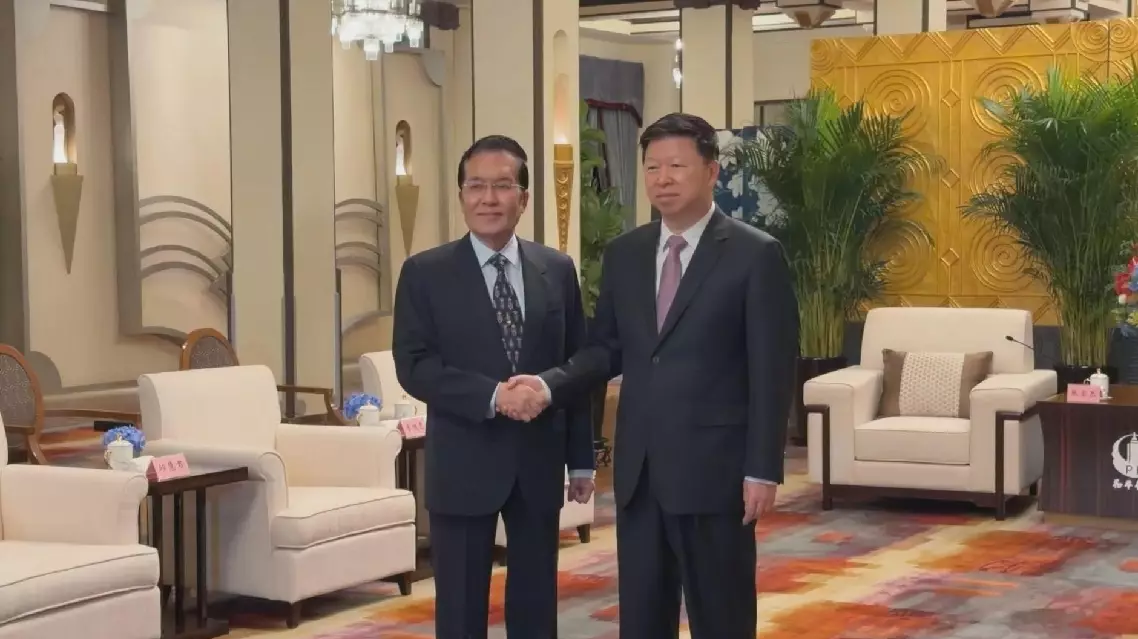
Central government's Taiwan affairs official meets KMT vice chairman
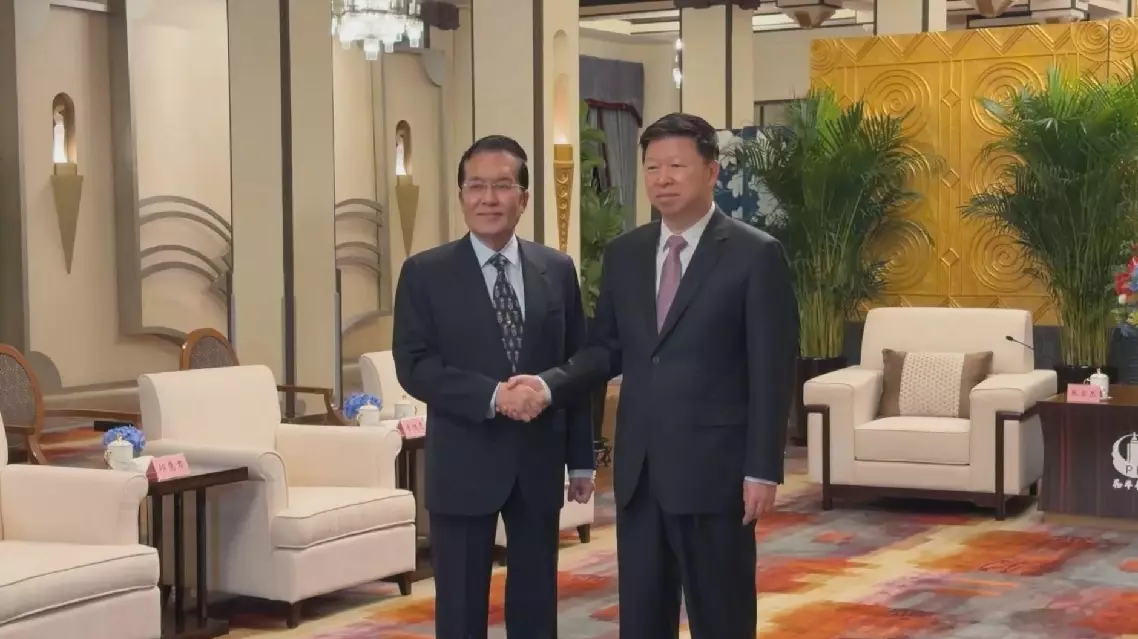
Central government's Taiwan affairs official meets KMT vice chairman
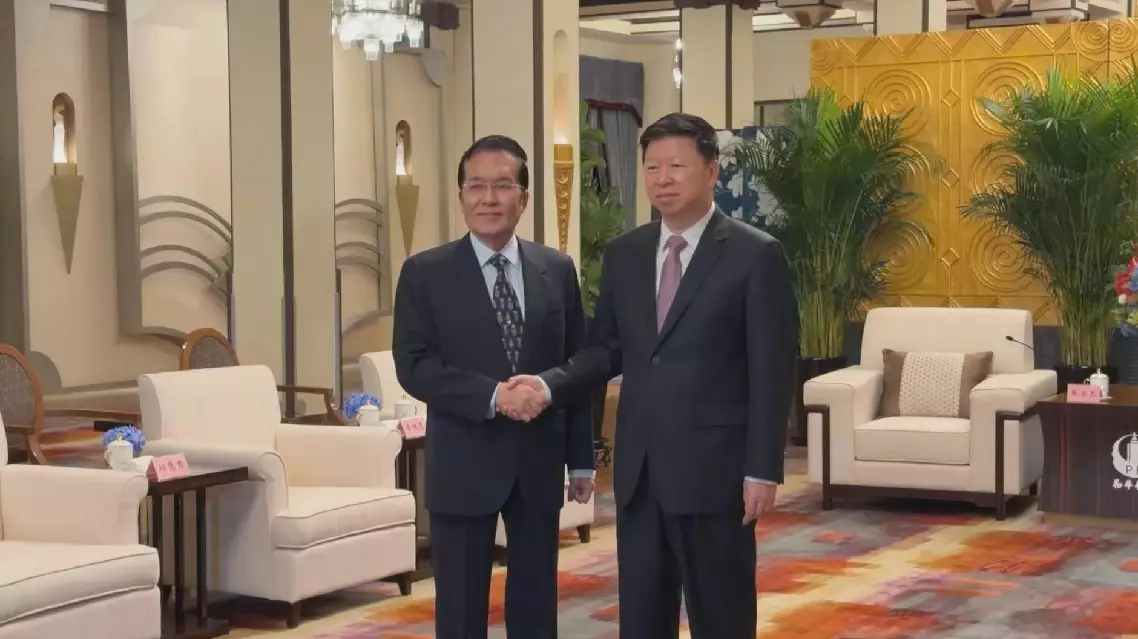
Central government's Taiwan affairs official meets KMT vice chairman
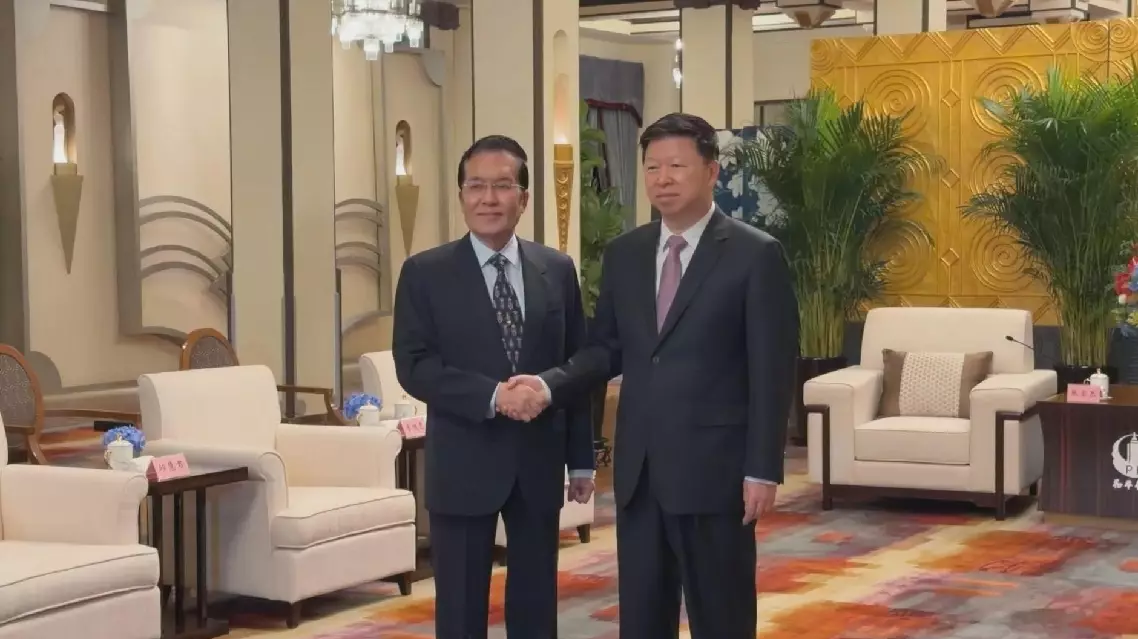
Central government's Taiwan affairs official meets KMT vice chairman
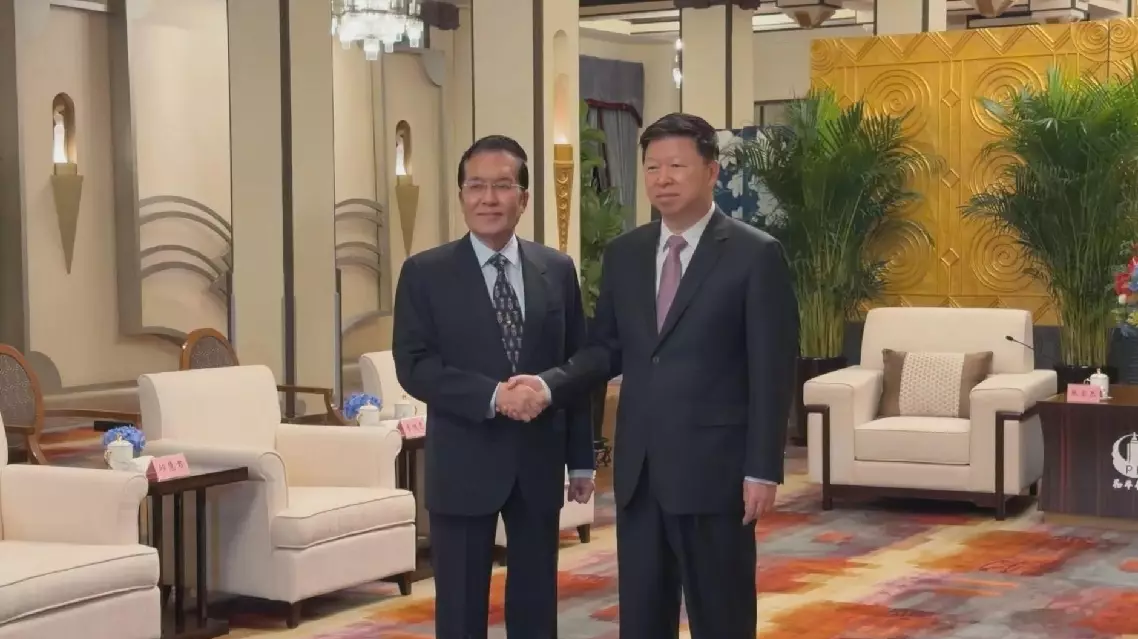
Central government's Taiwan affairs official meets KMT vice chairman

Central government's Taiwan affairs official meets KMT vice chairman

Central government's Taiwan affairs official meets KMT vice chairman
He called for efforts to strengthen cross-Strait exchanges and cooperation, safeguard the common home and fundamental interests of the Chinese nation, advance peaceful development across the Taiwan Strait, and strive for national reunification and rejuvenation.
Chang said people on both sides of the Strait are all Chinese, sharing the same bloodline, culture and history, and cross-Strait affairs should be decided by people on both sides.
"History has proven that as long as we adhere to the '1992 Consensus' and oppose 'Taiwan separatist forces', cross-Strait relations can indeed develop peacefully. Otherwise, they cannot. Every one of us in Taiwan is a proud and dignified Chinese. The main actors in cross-Strait relations are the people on both sides. And we will more firmly uphold the original political foundation to continue promoting peace and exchanges across the Strait," said Chang.
Central government's Taiwan affairs official meets KMT vice chairman
Central government's Taiwan affairs official meets KMT vice chairman
Central government's Taiwan affairs official meets KMT vice chairman
Central government's Taiwan affairs official meets KMT vice chairman
Central government's Taiwan affairs official meets KMT vice chairman
Central government's Taiwan affairs official meets KMT vice chairman
Central government's Taiwan affairs official meets KMT vice chairman