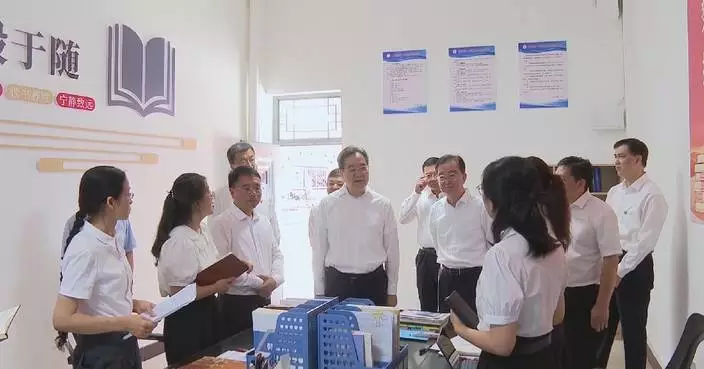
The final of the 2025 World Vocational College Skills Competition was held in north China's Tianjin Municipality on Friday.
Themed "Skilled Youth, Shining Future," the event brought together over 33,000 contestants from 76 countries across six continents. Six teams participated in the final of the competition, with the one from Jinhua University of Vocational Technology in east China's Zhejiang Province garnering the championship.
The most prominent highlight during the competition was that it allowed contestants to select their own projects based on real-world work scenarios to address practical issues encountered in daily production and life.
"Our project is designed to tackle industry bottlenecks, such as complex production processes and high costs of raw material procurement in the actual chemical production process. Only those who master operating skills, understand principles, and do well in innovation can truly become exceptional innovative talents in high-end chemical engineering," said Wei Biao, a contestant.
For the first time, the competition introduced divisions internationally, establishing four overseas competition zones respectively in Southeast Asia, Central Asia, Africa and Europe.
"In light of the diverse industrial distributions of different countries and Chinese enterprises' cooperation on production capacity cooperation in the countries concerned, we will continue to pursue improvement for China's vocational education to go overseas and for Chinese enterprises to actively participate in global production capacity cooperation," said Peng Binbai, director of the Department of Vocational and Adult Education at the Chinese Ministry of Education.
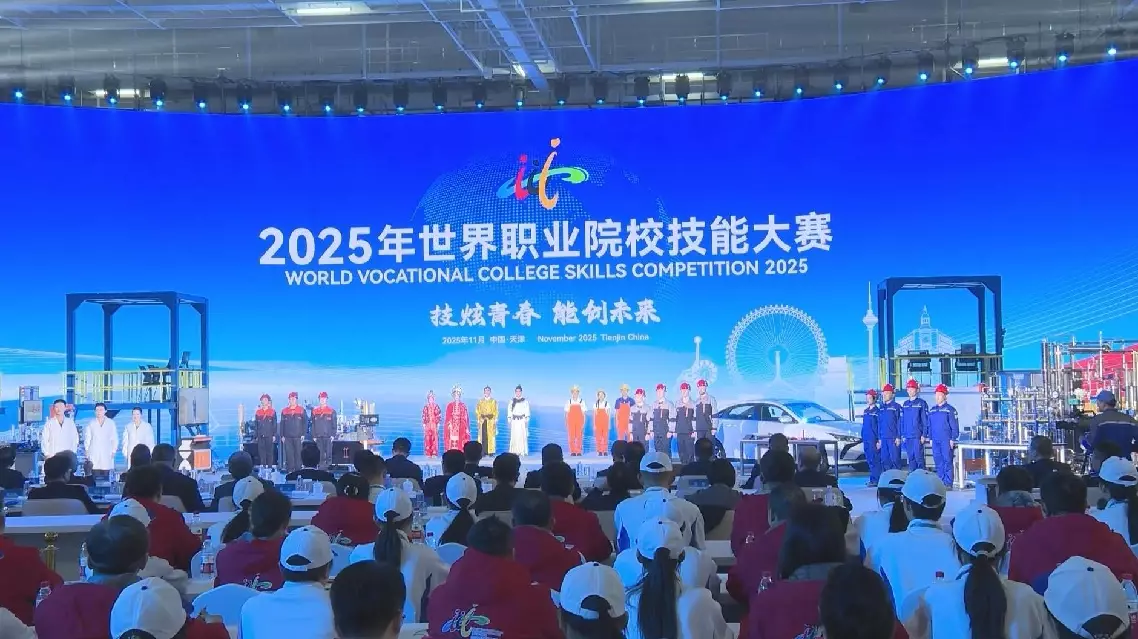
Final of World Vocational College Skills Competition 2025 held in Tianjin
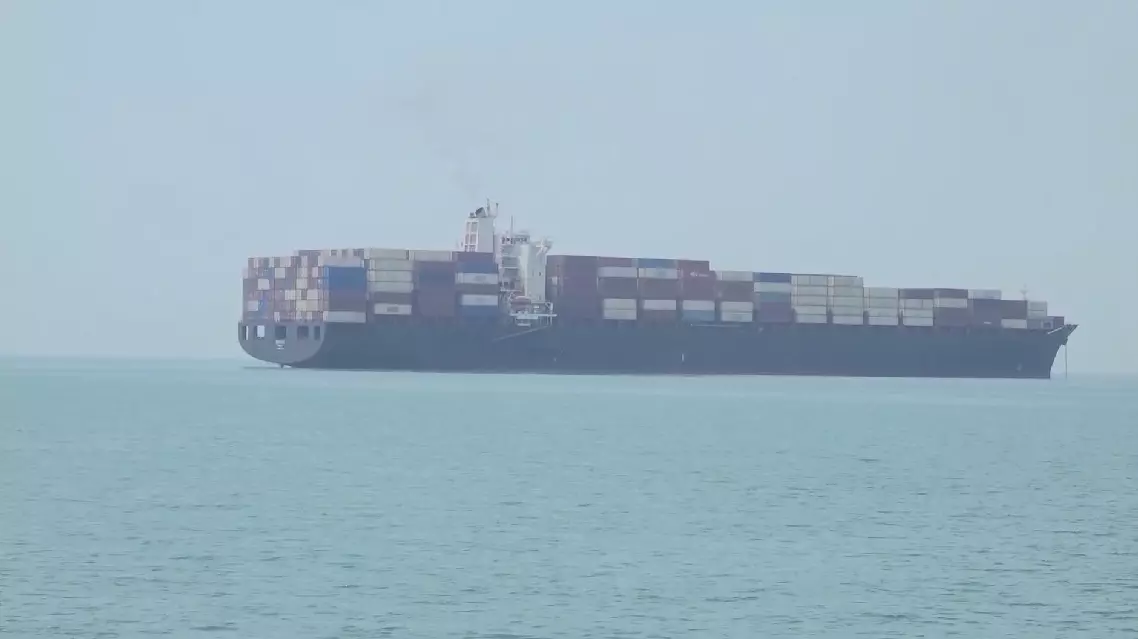
The spillover effects of the ongoing conflict in the Middle East are having a noticeable impact as far afield as Peru, a country highly reliant on energy imports, with the costs of transportation and daily supplies all climbing due to the hike in fuel prices.
Global oil prices have been rising as a result of the ongoing U.S.-Israeli-Iran conflict and concerns over the disruption to shipping through the Strait of Hormuz -- a vital passageway that typically carries about one-quarter of global seaborne oil trade.
Prices in Peru have also been worsened in the country after a natural gas pipeline explosion in the Cusco Province last month, which caused a significant gas supply shortage.
At present, the prices of gasoline and diesel in Peru have doubled since the start of the conflict in late February, forcing companies to raise the costs of passenger and freight transportation to offset their losses.
Many are concerned that this will have a considerable knock-on effect which could hamper economic activities and ultimately harm the wallets of local residents who are being forced to pay the price.
"What's the worst is that transportation will affect all activities throughout the economy, including the passenger sector, both intra-city and inter-provincial," said Martin Ojeda, the leader of a transportation workers' union.
"Everything has become more expensive. Both daily necessities and transportation are all very expensive," said a local vendor in the capital Lima.
"Previously, a roast chicken cost me about 45 soles (12.8 U.S. dollars), but now it has risen to 60 soles (over 17 U.S. dollars). This doesn't fit my financial situation, so I have to give up a lot of consumption. People like me who live on pensions are greatly affected," said another resident.
Meanwhile, the prices of fertilizers like urea have risen by around 16 percent over the past month as a result of the conflict, with the Middle East being a major global supplier of fertilizers, as these spiraling costs are also affecting food production and animal husbandry in Peru.
Transportation, living costs rise in Peru as conflict rages on in Middle East