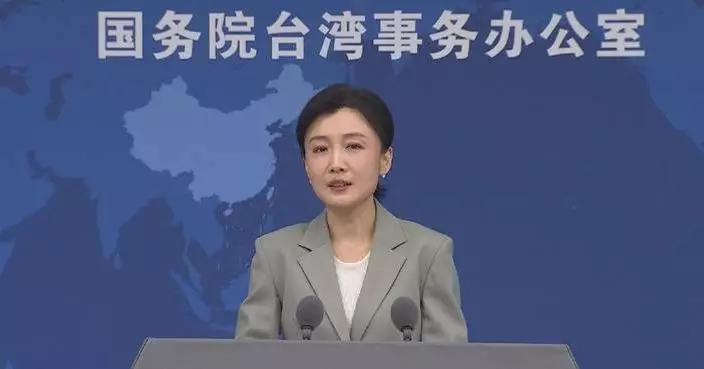
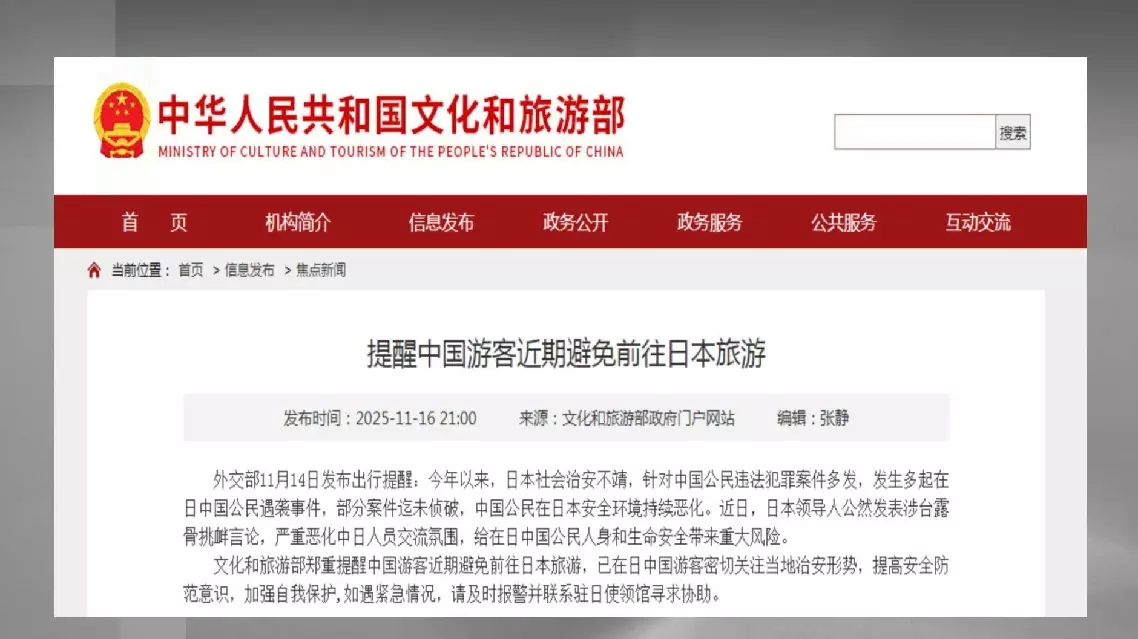
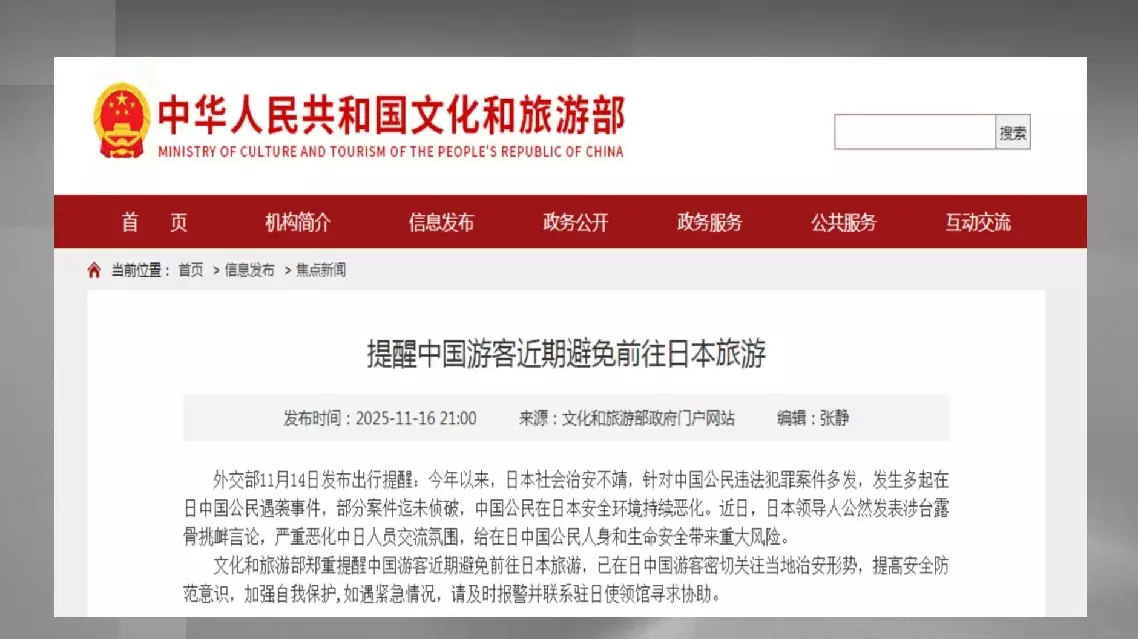
China's Ministry of Culture and Tourism has issued a solemn reminder urging Chinese tourists to avoid traveling to Japan in the near future.
According to the notice, those who are currently in Japan are advised to closely monitor the local security situation, heighten their awareness of safety precautions, and strengthen self-protection measures.
In case of emergencies, travelers should promptly contact local police and seek assistance from the Chinese embassy and consulates in Japan, it said.
The new notice came after a warning that had been issued by China's Ministry of Foreign Affairs on Friday.
According to the Foreign Ministry's advisory, Japan has seen a notable decline in public safety this year, with frequent incidents involving Chinese citizens.
Recently, Japanese Prime Minister Sanae Takaichi made blatantly provocative remarks regarding the Taiwan question, severely damaging the atmosphere for people-to-people exchanges between China and Japan, and posing significant risks to the personal safety and lives of Chinese citizens in Japan, it said.
Six airlines, namely Air China, China Southern Airlines, China Eastern Airlines, Hainan Airlines, Sichuan Airlines and Xiamen Airlines, issued notices on Saturday stating that tickets for travel dates before Dec 31, which involve routes to Japan and meeting relevant conditions, can be refunded or changed free of charge.
China issues another travel warning for Japan amid rising safety concerns
China issues another travel warning for Japan amid rising safety concerns
Mergers, acquisitions, and reorganizations in China's A-share market have picked up markedly since the start of the year, with deals disclosed in the first quarter up over 80 percent year on year, led by strong momentum in hard-tech sectors.
Data from Wind Information, a China financial data provider, showed that by Tuesday, listed companies had announced 829 merger, acquisition, and reorganization deals, with 224 on the ChiNext board and 94 on the STAR Market. By sector, "hard technology" sectors, represented by semi-conductor and smart manufacturing, have emerged as the most active areas.
"Hard-tech sectors typically feature rapid technological iteration, heavy research and development investment and long industrial chains, with significant economies of scale. Given these features, industrial mergers, acquisitions, and reorganizations have been a key tool for hard-tech companies to strengthen supply chain resilience and competitiveness. In addition, China's related policies, dubbed 'Six Measures for Mergers and Acquisitions,' explicitly support listed companies in carrying out mergers, acquisitions, and reorganizations around strategic emerging industries and future industries, while moderately increasing regulatory tolerance for unprofitable assets. This has created more favorable institutional conditions and a better market environment for listed companies in the hard-tech sectors to accelerate industrial upgrading and strengthen independent innovation," said Chen Jie, head of Mergers and Acquisitions Group at the investment banking division of China International Capital Corporation.
Chen also noted that the surge in mergers, acquisitions, and reorganizations has been reshaping valuation dynamics in the A-share market. As integration and synergies take time to materialize, investors are increasingly shifting their focus from short-term sentiment to long-term value based on business logic. At the same time, sustained mergers and acquisitions activity is expected to support the revaluation of leading companies.
"Through consolidation and expansion, leading A-share firms are likely to see their core competitiveness and long-term growth prospects become more evident. This will help the market better recognize their intrinsic value, offering higher valuation, and contribute to a more rational and mature valuation system overall," said Chen.
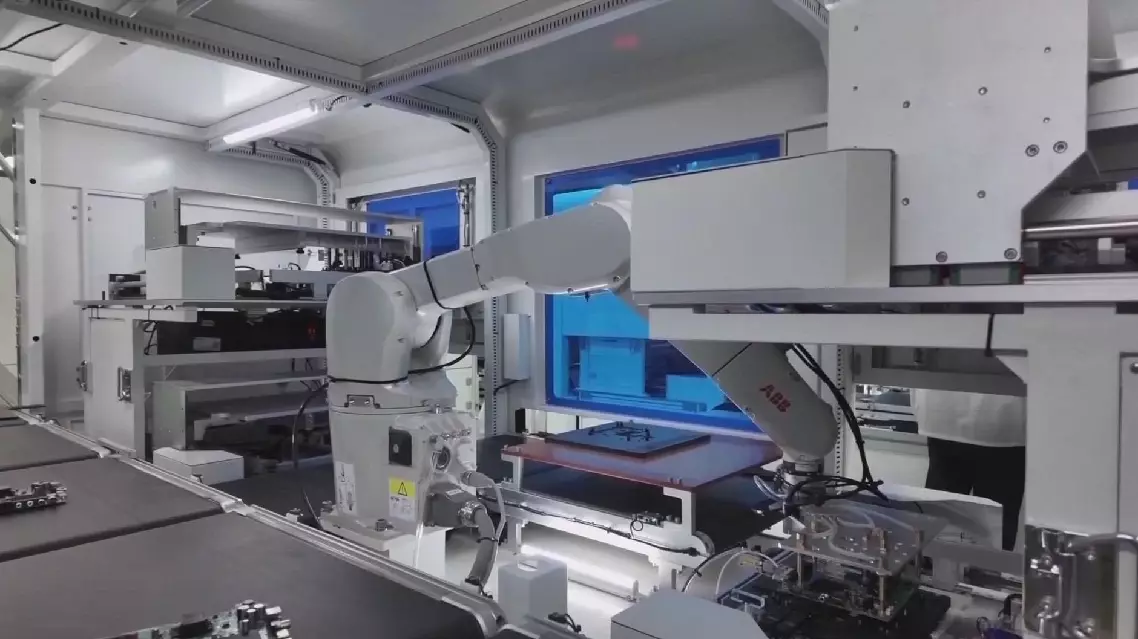
China's A-share sees mergers, acquisitions, reorganizations pick up,led by hard-tech sectors