The prospect of further declines in Chinese visitor numbers to Japan is causing concern for Japan's travel and tourism industry as diplomatic tensions continue, following Japanese Prime Minister Sanae Takaichi's provocative remarks on the Taiwan question.
At a Diet meeting last week, Takaichi said that the Chinese mainland's "use of force on Taiwan" could constitute a "survival-threatening situation" for Japan. She refused to retract her remark that implies the possibility of armed intervention in the Taiwan Strait.
China's Ministry of Culture and Tourism on Sunday advised its citizens to avoid traveling to Japan, citing security concerns.
In a statement published on its official website, the ministry cited the travel advisory issued by the Chinese foreign ministry, which referred to a deteriorating security environment for Chinese citizens in Japan as well as recent provocative remarks made by the Japanese leader regarding China's Taiwan.
China is the second-largest source of inbound visitors to Japan, leaving Tokyo residents concerned about the economic impacts of a decline in the number of Chinese travelers.
"I feel that some Japanese companies cannot do without Chinese consumers. I have indeed felt the rising tensions with China. Therefore, it would be best to resolve this in a gentle manner," said one Tokyo resident.
"I truly believe that if Chinese tourists stop coming, Japan's economy will become less vibrant. So, that can cause some unease," said another resident of the Japanese capital.
In 2024, Chinese travelers made 6.98 million visits to Japan out of a total 36.87 million overseas arrivals, ranking as the second-largest source market and marking a strong 187.9 percent year-on-year increase. In the first nine months of 2025, visits by Chinese tourists reached close to 7.5 million.
"First, in terms of the number of Chinese tourists, if there is a significant decrease, Japan's economy and tourism industry will be affected. Let's talk about reliance. Japan relies to a considerable extent on Chinese tourists because they spend relatively more on shopping, dining, and accommodation. The reduction in tourists will directly impact Japan's airlines, hotels, department stores, luxury retailers, and so on. Secondly, the local economies of some popular destinations such as Hokkaido, Osaka, Okinawa and Kyushu would likely to be affected the most," explained Gao Zijing, a research associate at Shandong University’s Institute of International Studies.
The Nomura Research Institute has warned that Japan could suffer losses of more than 2.2 trillion yen (about 14 billion U.S. dollars), reducing Japan's GDP by 0.36 percent, if Chinese visitor numbers continue to fall.
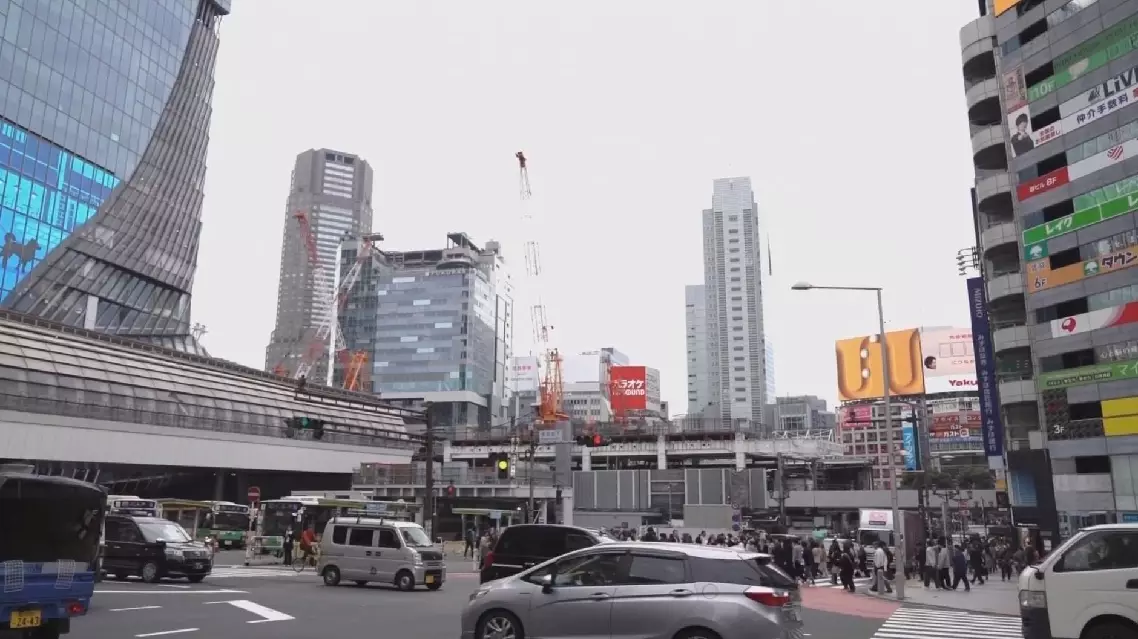
Drop in Chinese visitor numbers a major concern for Japan's tourism sector
Drop in Chinese visitor numbers a major concern for Japan's tourism sector