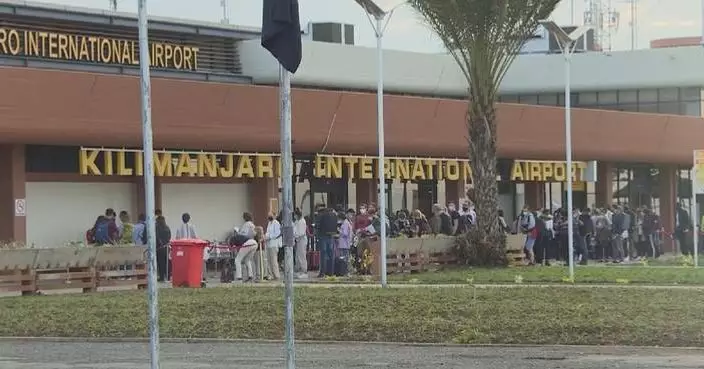
Malaysia has welcomed the arrival of a new pair of giant pandas, "Chen Xing" and "Xiao Yue," with the pair touching down at Kuala Lumpur International Airport on Tuesday.
The plane carrying the pandas, who were born in 2020, received a water cannon salute after landing on the airport runway.
Male panda "Chen Xing" is described as robust and outgoing, while the female "Xiao Yue" is rounder and more docile.
On the evening of their arrival, representatives from both countries gathered at the airport to welcome the pandas. Meanwhile, over 60 kilometers away, a large gathering of local fans gathered in front of Zoo Negara, the country's national zoo, eagerly awaiting the bears.
"I am so excited and thrilled. I don't know how to describe and express our joy at welcoming the new pandas," said a gatherer.
The pandas later arrived and settled in their new home at the zoo. They will undergo a quarantine period before being introduced to the Malaysian public.
China-Malaysia cooperation on giant panda conservation began in 2014, when panda pair "Fu Wa" and "Feng Yi" were sent to Malaysia to celebrate the 40th anniversary of China-Malaysia diplomatic relations. They lived in Malaysia for 11 years, during which they gave birth to three cubs, before returning to China in May this year.
To commemorate the 50th anniversary of diplomatic ties, a joint statement signed in 2024 by both countries announced their agreement to continue cooperative research on giant panda conservation, expressing hopes for further progress in the field.
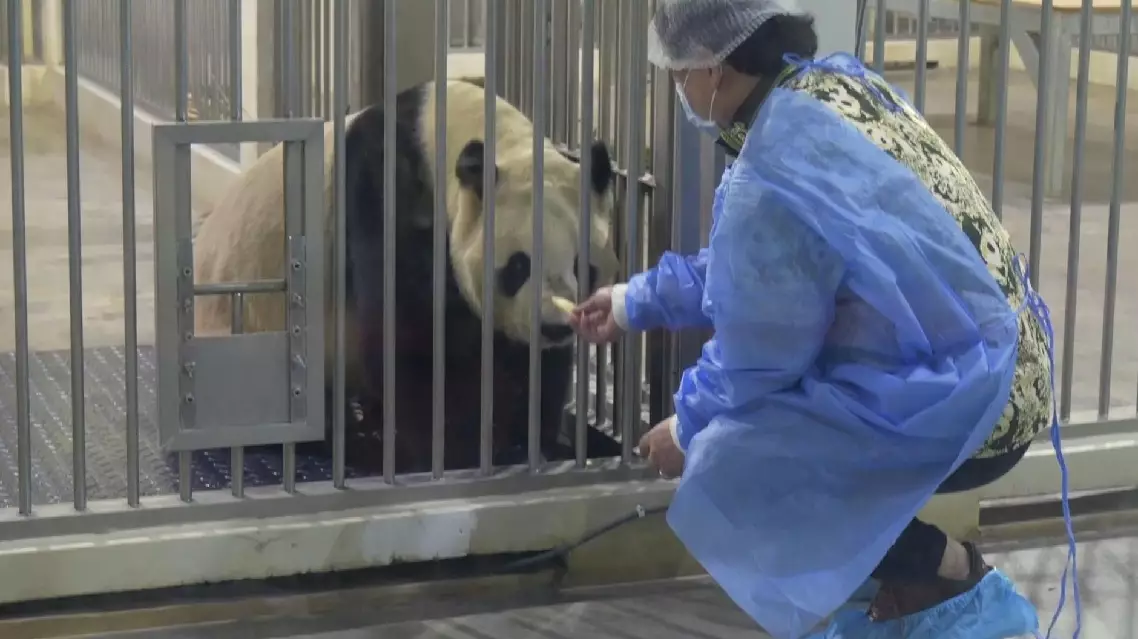
Malaysia welcomes new giant panda couple "Chen Xing", "Xiao Yue"
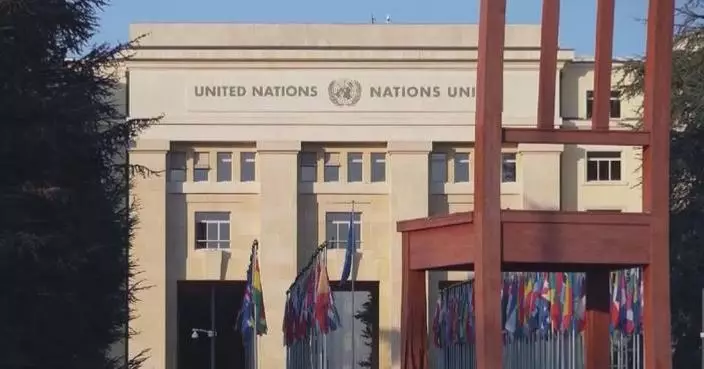
The escalating military conflict in the Middle East could bring severe economic consequences and job losses to the region which may plunge up to 4 million people into poverty, a United Nations spokesman has warned.
Stephane Dujarric, spokesperson for United Nations Secretary-General Antonio Guterres, outlined the growing concerns surrounding the deepening conflict during a regular press briefing on Tuesday.
Citing data released by the United Nations Development Programme (UNDP), Dujarric said the widening war could result in a devastating economic impact, which will have a profound effect on people's livelihoods.
"I wanted to flag some interesting data just released by the United Nations Development Programme that suggests the military escalation in the Middle East may cost economies in the region from 3.7 to 6 percent of their collective gross domestic product (GDP). This represents a staggering loss of 120 to 194 billion U.S. dollars and exceeds the cumulative regional GDP growth achieved in 2025. This is coupled with an estimated rise in unemployment of up to 4 percentage points or 3.6 million lost jobs, which is more than the total jobs created in the region last year. These reversals will push up to 4 million people into poverty, according to UNDP's analysis," he said.
The conflict erupted on Feb. 28 when the United States and Israeli launched joint airstrikes on the Iranian capital Tehran and several other cities. U.S-Israeli attacks have continued since, targeting key Iranian military command centers, missile installations, energy infrastructures and nuclear facilities.
In response, Iran has launched waves of missile and drone strikes against Israel and U.S. military facilities across the Middle East, including those in Kuwait, Bahrain, Qatar, Jordan, Saudi Arabia and the United Arab Emirates.
The situation shows little sign of de-escalation as Iranian Foreign Ministry spokesman Esmaeil Baghaei said on Monday that a recent truce plan proposed by the United States contains "very excessive, unrealistic and unreasonable" demands.
Wider concerns are also mounting over the disruption to trade and transport along the Strait of Hormuz, a vital shipping passageway that carries about one-quarter of global seaborne oil trade.
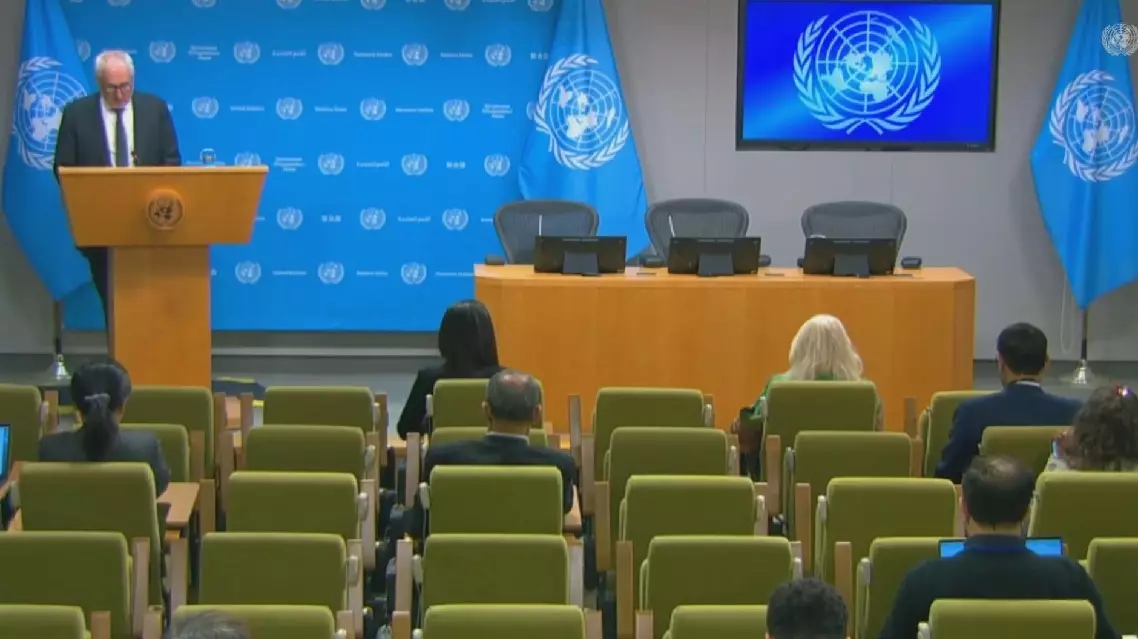
UN spokesman warns up to 4 million could be pushed into poverty by Mideast conflict