Several Japanese lawmakers, local leaders, and non-governmental organizations have opposed a possible revision of the country's longstanding Three Non-Nuclear Principles.
The Three Non-Nuclear Principles, not possessing, not producing, and not allowing the introduction of nuclear weapons into Japanese territory, were first declared in the Diet, Japan's parliament, by then Japanese Prime Minister Eisaku Sato in 1967 and viewed as a national credo.
During a recent Lower House Budget Committee hearing, Takaichi told opposition lawmakers that, as her government gears up to revise the country's key national security documents by the end of 2026, "it is not yet at the stage" where she could "definitively state" that the wording of the Three Non-Nuclear Principles that Japanese administrations have followed for decades would remain the same.
Meanwhile, in updating Japan's three security documents, last revised in 2022, Takaichi was considering reviewing the third non-nuclear principle, which prohibits Japan from hosting nuclear weapons.
In response, four Liberal Democratic Party members of the Hiroshima constituency, including former Japanese Prime Minister Fumio Kishida, made it clear in interviews on Tuesday that they oppose the amendment and that Japan should adhere to the principles.
Kishida emphasized that his stance has been clear since the beginning of his tenure as prime minister: to uphold the national policy of the Three Non-Nuclear Principles.
Yoichi Miyazawa, a member of the House of Councillors, said he doesn't see any benefit in a review of the principles, calling the revision completely unnecessary.
Members of the House of Representatives Hiroshi Hiraguchi and Minoru Terada also stressed Japan should remain committed to the Three Non-Nuclear Principles.
Responding to a media query concerning the reconsidering of the Three Non-Nuclear Principles at a press conference on Tuesday, Japanese Defense Minister Shinjiro Koizumi said the government should continue upholding the principles.
Several local officials have also made public statements against any amendment to the principles.
Hiroshima Governor Hidehiko Yuzaki told a press conference on Tuesday that Hiroshima was the first city in human history to be hit by an atomic bomb, and the long-standing Three Non-Nuclear Principles should be upheld.
Yuzaki stated that relying on nuclear weapons for security is dangerous, and the government should strive to seek a way out of nuclear deterrence, adding he will demand the government to adhere to the principles once relevant discussions surface.
Nagasaki Mayor Shiro Suzuki also told the press on Tuesday that Takaichi's attempt to revise the Three Non-Nuclear Principles would intensify Japan's reliance on nuclear deterrence. The principles have long been regarded as a national policy, and it is imperative to strongly demand that the government adhere to them.
Okinawa Governor Denny Tamaki said in an interview on Monday that Japan is the only country to have suffered atomic bombings, and the people will absolutely not accept a revision of Three Non-Nuclear Principles or any move that runs counter to efforts toward the abolition of nuclear weapons.
Understanding the people's desire to abolish nuclear weapons is the prime minister's responsibility, Tamaki said, adding that he hoped the government would give this full consideration.
Nagasaki Governor Kengo Oishi condemned the prospect at a press conference on the same day, calling it completely unacceptable for a place that had suffered atomic bombings.
An atomic survivors' group in Nagasaki held a press conference on Tuesday, with a statement issued to protest the revision attempt and urge the government to immediately stop relevant discussions.
The organization stressed that any relaxation of the Three Non-Nuclear Principles is absolutely unacceptable, saying it will deliver the protest statement to Takaichi soon.
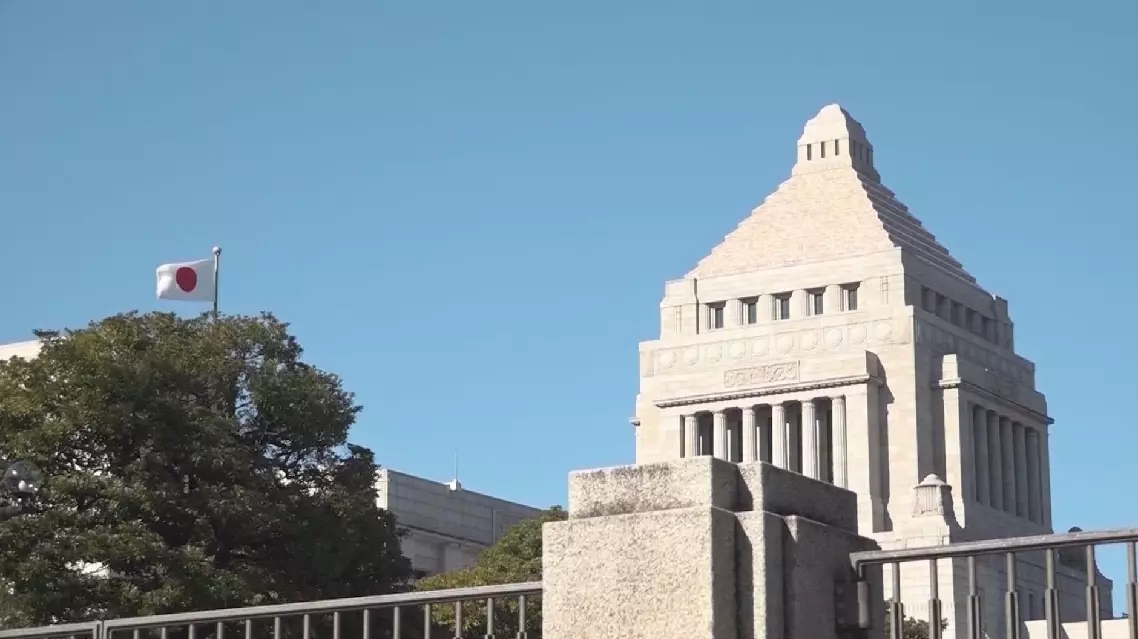
Japanese officials, public reject PM's push to revise non-nuclear principles