Two scholars from the countries of the Association of Southeast Asian Nations have condemned recent erroneous remarks on the Taiwan question by Japanese Prime Minister Sanae Takaichi, warning that such statements undermine Asia-Pacific stability, violate the post-World War II international order, and fail to expand Japan's regional influence.
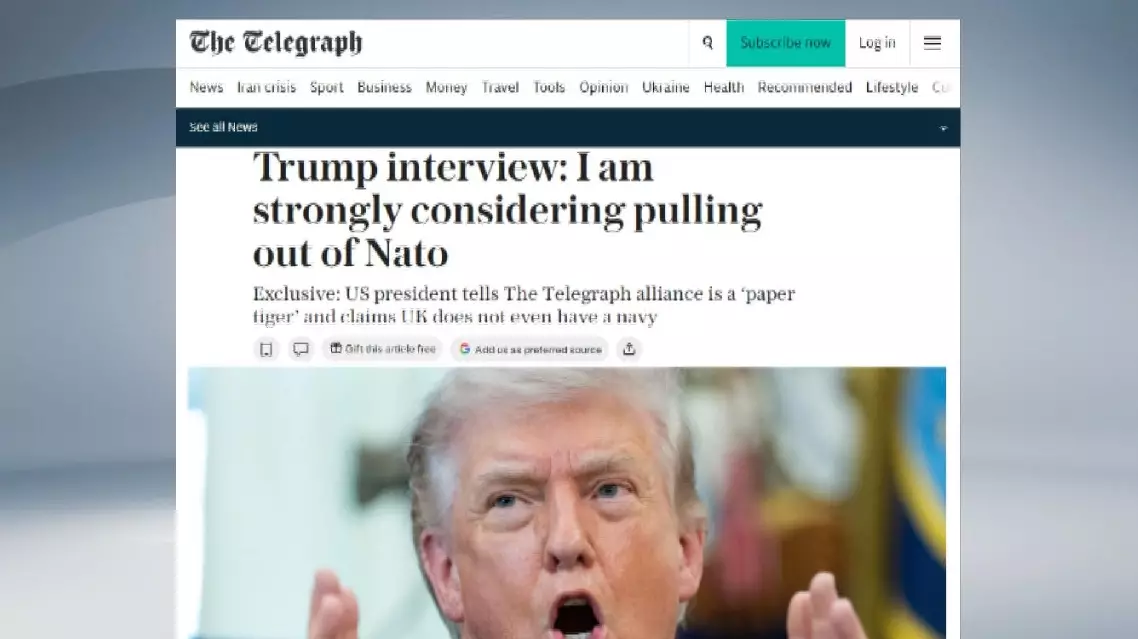
Takaichi recently said that the Chinese mainland's "use of force on Taiwan" could constitute a "survival-threatening situation" for Japan and implied the possibility of armed intervention in the Taiwan Strait. Despite multiple representations from China, the Japanese side has refused to retract her remarks.
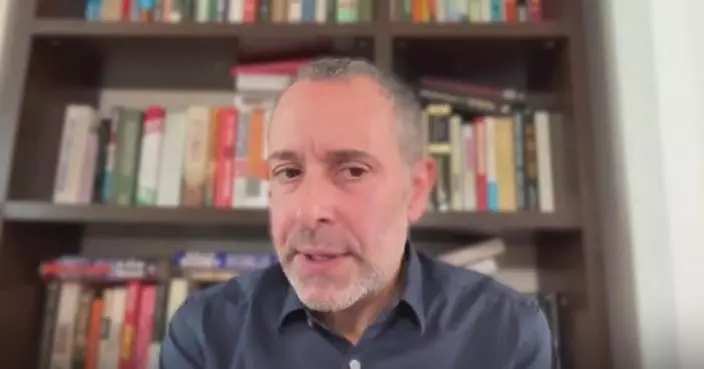
Aleksius Jemadu, a professor at Pelita Harapan University in Indonesia, said in an interview with China Global Television Network (CGTN) that Takaichi made the remarks in a political maneuver to garner support from nationalists and reinforce her leadership.
"In my view, the statement made by the Prime Minister has been driven by her need to consolidate domestic political support for her as a new leader. And in addition to that, the prime minister wants also to mobilize support among the nationalists within her own political party, which is unfortunate," Jemadu said.
China has repeatedly made it clear that the Taiwan question is at the core of China's core interests, so Takaichi's provocative remarks will surely undermine China-Japan relations and regional stability at large, he suggested.
"I believe that it is going to destabilize the region as well, knowing that things like this or issue like this is very sensitive, right? If we try to make new political maneuvers in a way that could jeopardize the stability of the region as a whole, I'm afraid that the current or the existing economic interdependence is going to be jeopardized," Jemadu said.
Peter T.C. Chang, a research associate at University of Malaya in Malaysia, pointed out that Takaichi aimed to bolster her country's influence in the region, in addition to enhancing her domestic political agenda.
However, as a defeated country of World War II that bears grave responsibilities on the Taiwan question for its historical crimes committed against the Chinese people during the war, Japan is in no position to show any intention of interfering in this internal affair of China.
"I think the prime minister's statement has to be seen through her right-wing Japan nationalism world view. It clearly reflects a sentiment that Japan needs to reassert itself. They want to claim its spheres of influence in the region, including Taiwan. And this is most unfortunate, I think. This goes against the outcome of the World War II settlement and declaration," Chang said.
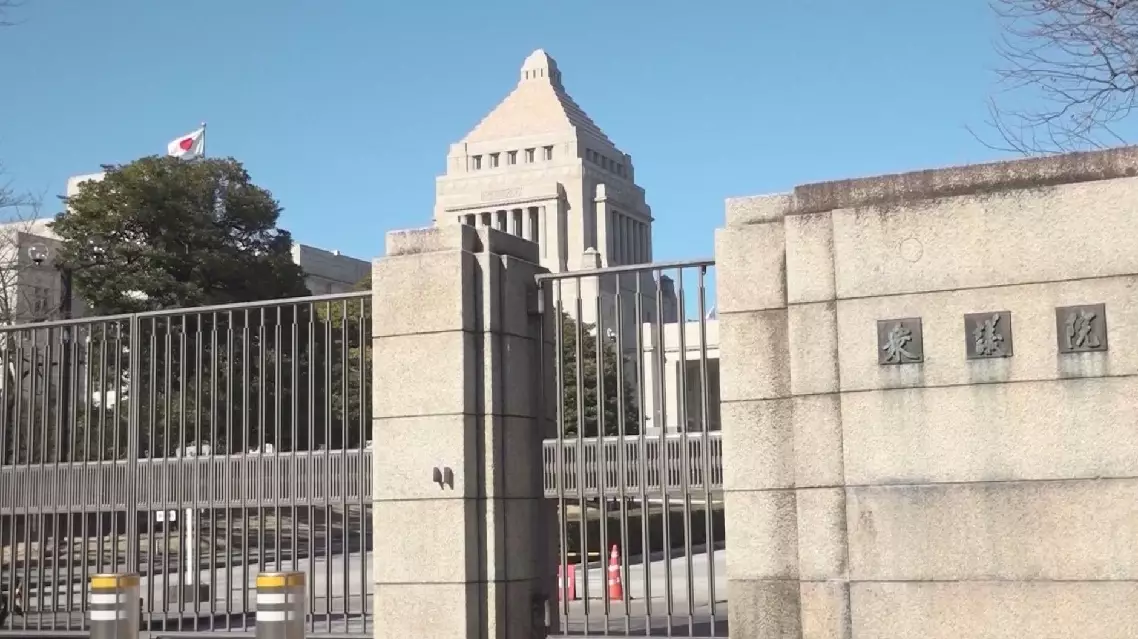
Japanese PM's remarks on China's Taiwan undermine regional stability, world order: scholars