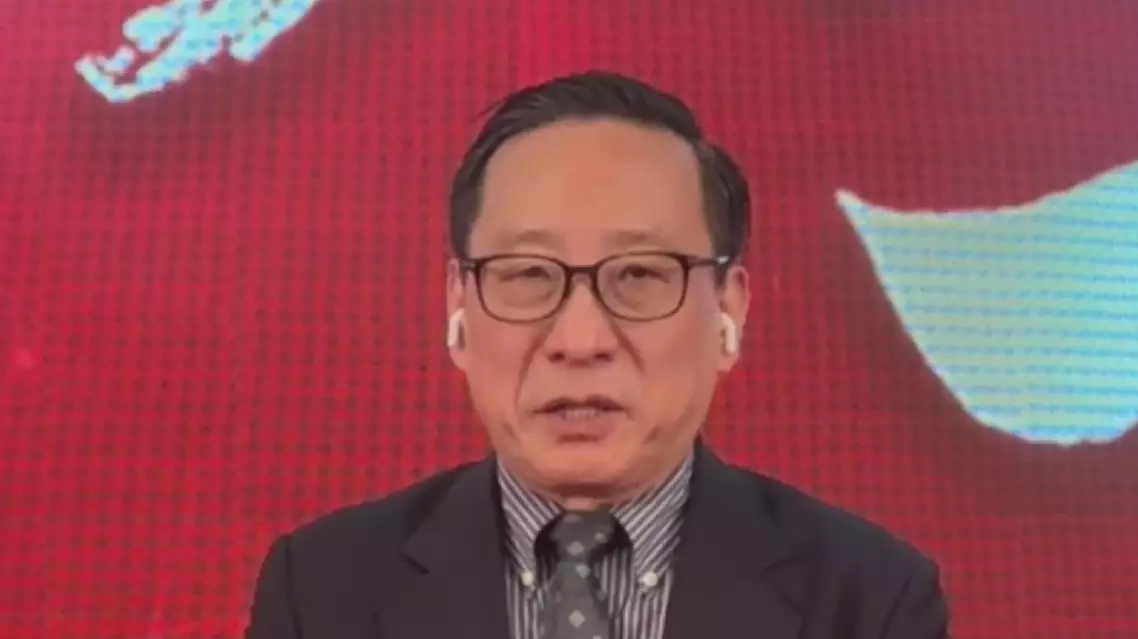
Prime Minister Sanae Takaichi's intentions to revise Japan's military and security laws, potentially allowing the country to hold nuclear weapons, will not be tolerated by the international community, said Victor Gao, chair professor of international relations at China's Soochow University.
According to Kyodo News, Takaichi is considering reviewing Japan's long-standing non-nuclear weapons principles, in a move that would mark a major shift in the country's security policy.
The Three Non-Nuclear Principles -- not possessing, not producing and not allowing the introduction of nuclear weapons into Japanese territory -- were first declared in the Diet, Japan's parliament, by then Japanese Prime Minister Eisaku Sato in 1967 and viewed as a national credo.
Takaichi is considering reviewing the third principle, which prohibits nuclear weapons from entering Japan's territory, raising strong doubts and concerns at home.
"Mankind will never tolerate the prospect of Japan possessing nuclear weapons, because that will in itself constitute a major threat to peace and security of mankind as a whole. Prime Minister Takaichi should completely abandon the wildest dream of amending the regulations in Japan to allow Japan to develop nuclear weapons," said Gao.
Takaichi has advocated renaming Japan's Self-Defense Forces as the "National Defense Forces." She has made no secret of her desire to revise Article 9 of the Japanese Constitution, which states that the country would "forever renounce war as a sovereign right of the nation and the threat or use of force as means of settling international disputes."
The ruling Liberal Democratic Party and its new junior coalition partner, the Japan Innovation Party, have started talks on drafting proposals for the first-ever revision to Japan's postwar pacifist Constitution. The two parties plan to deepen their discussions on an amendment to Article 9 and on introducing an emergency clause that would give the government more power in the event of a major disaster or armed attack, according to lawmakers.
Despite the fact that over 700 million U.S. dollars of Japan's defense budget for fiscal year 2024 was unused, Takaichi has pledged to further accelerate the increase in defense spending.
"Takaichi has been holding these views not for now, but for many years or even decades before. However, the fact that she is now the prime minister of Japan makes a lot of difference. She, as the head of government of Japan, should fully realize the conditions upon which Japan unconditionally surrendered to China, to the United States, to the Soviet Union, to Great Britain, under which they solemnly declared that they will never constitute a threat to peace and security of these countries. Therefore, whatever Prime Minister Takaichi is talking about is in violation of the Japanese Constitution, in violation of the terms upon which Japan unconditionally surrendered in 1945. And if she continues to go in that wrong direction, she will be held public enemy No.1 not only for the people in Japan, but for peace-loving mankind as a whole. Japan should never dare to move in that direction of repossessing weapons of mass destruction, especially nuclear weapons. Period," said Gao.
Takaichi's attempts to bring nuclear weapons to Japan will not be tolerated: expert