The innovative efforts being made by the aviation sector to ensure sustainable development amid the ongoing green transition have been highlighted at the Dubai Airshow 2025, as exhibitors look to promote the possible fuels of the future and showcase the sustainable steps being taken across the industry.
Held fittingly under the theme "The Future is Here," the five-day airshow is set to conclude on Friday after gathering more than 1,500 exhibitors and attracting some 148,000 trade visitors, making it the largest ever edition in the biennial event's history.
The push for sustainability at the show began on the ground. While airports have traditionally been known as major energy consumers, a sizable exhibition space at the airshow has shown how modern airports are being transformed into "green towns," with scale models detailing some of the initiatives which are helping cut emissions and deliver more efficient and energy-saving operations at transport terminals.
Beyond this essential infrastructure, the search for cleaner fuel solutions for aircraft has remained a top priority as part of the aviation industry's wider push to reduce its carbon footprint.
Exhibitors discussed the pivotal role of organic fuels in delivering "greener" flights, with recycled or renewable sources being touted as a viable alternative to the high-polluting petroleum currently being used as jet fuel.
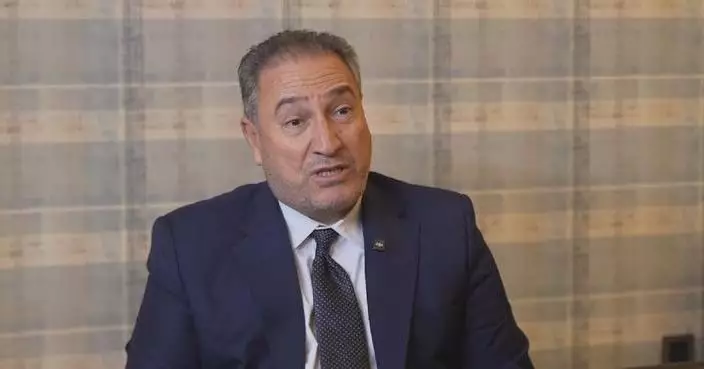
"The organic fuel is going to be used as alternatives for fuel. For example, bio-oil or animal fat as this one, it can be recycled and it gives for the aircraft just like the same performance with usual oil," said exhibitor Zaid Shadid as he demonstrated some of the solutions.
The airshow has also highlighted innovative approaches to the aircraft decommissioning process, with plane interiors being re-imagined and re-crafted into useful new items.
Instead of ending up in landfills, retired aircraft parts are now entering the circular economy. In one demonstration, fabric from a retired airplane seat was remade into bags, while the seat structures themselves were turned into an impressive table-top charging facility.
"Basically, the remaining items from the economy seat, which is the aluminum. What we do is we powderize it, and we will produce a product out of it. So, this this will be your economy seat. So, from this we will make a table. Now you can put your phone back again. It will be charging," said exhibitor Francis Saud Nunag as he explained how the recycling process works.
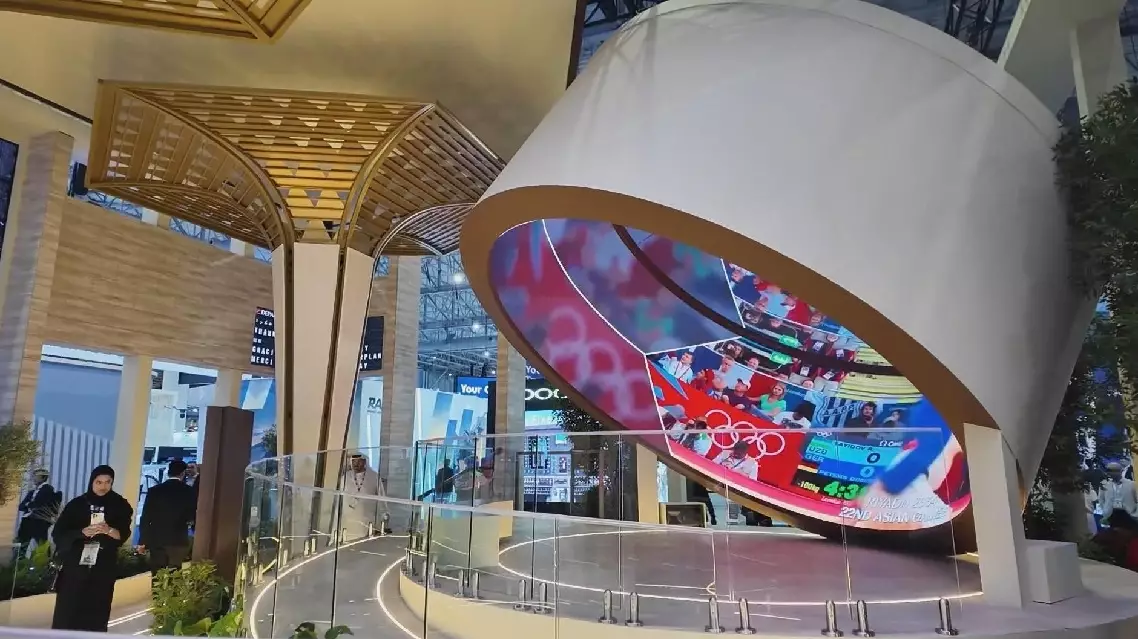
Aviation industry showcases sustainable solutions amid green push at Dubai Airshow
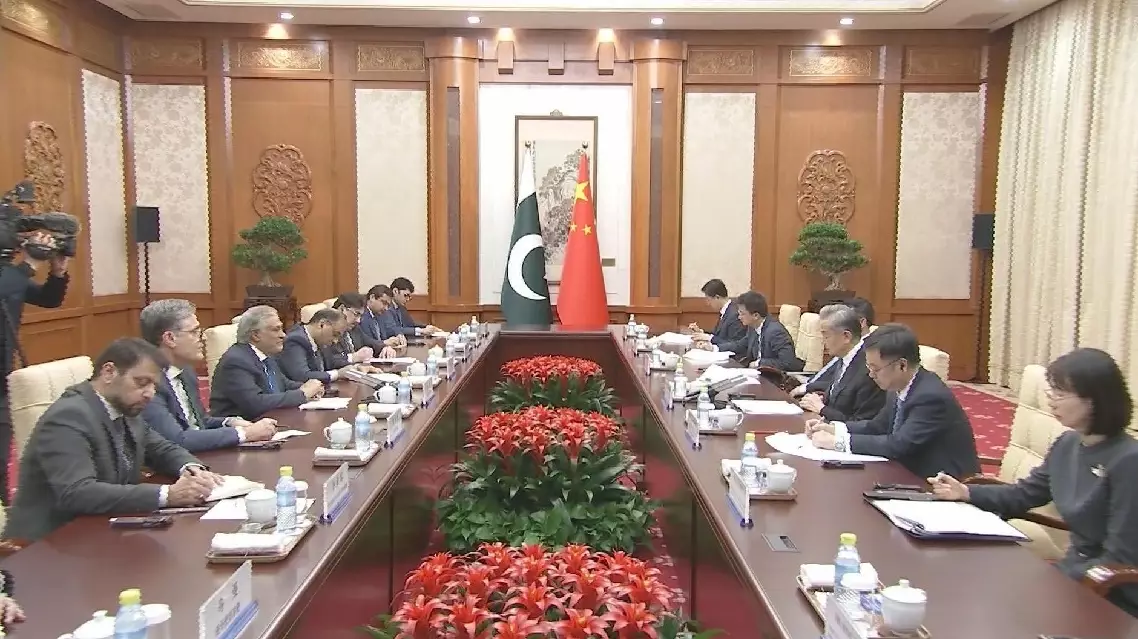
Chinese Foreign Minister Wang Yi said on Tuesday that mediation efforts of the Pakistani side regarding the Middle East tensions are in the common interests of all parties.
Wang, also a member of the Political Bureau of the Communist Party of China Central Committee, made the remarks in his talks with Pakistani Deputy Prime Minister and Foreign Minister Mohammad Ishaq Dar in Beijing.
During their talks, the two sides exchanged views on current international issues and regional conflicts.
Wang welcomed the visit of the Pakistani side to Beijing for discussion on easing tensions in the Middle East, just after its holding of a quadrilateral foreign ministers' meeting in Islamabad.
He said China supports and looks forward to Pakistan playing a unique and important role in easing the situation and resuming peace talks. This process is no easy task, and Pakistan's mediation efforts are in line with the common interests of all parties, Wang added.
He noted China is willing to make joint efforts with Pakistan to end the hostilities as soon as possible, create opportunities for peace and open the window for peace talks.
On bilateral ties, Wang said this year marks the 75th anniversary of the establishment of diplomatic relations between China and Pakistan, calling on both sides to implement the important consensus reached by the leaders of the two countries and constantly advance the building of a China-Pakistan community with a shared future.
For his part, Dar said the Pakistan-China friendship is precious and deeply rooted in people's hearts, adding that Pakistan is willing to work with China to promote the continuous development of the all-weather strategic cooperative partnership between the two countries.
Dar thanked China for supporting Pakistan's mediation of the situation in Iran, adding that the current conflict has disrupted international energy supplies and caused heavy damage to developing countries.
Noting that solutions can only be found through negotiation, Dar said Pakistan is willing to strengthen communication and coordination with China to push all parties to start peace talks as soon as possible and restore regional peace.
The two sides also put forward a five-point initiative for restoring peace and stability in the Gulf and the Middle East region:
I. Immediate cessation of hostilities: China and Pakistan call for immediate cessation of hostilities and utmost efforts to prevent the conflict from spreading. Humanitarian assistance must be allowed to all war-affected areas.
II. Start of peace talks as soon as possible. Sovereignty, territorial integrity, national independence and security of Iran and the Gulf states should be safeguarded. Dialogue and diplomacy is the only viable option to resolve conflicts. China and Pakistan support the relevant parties in initiating talks, with all parties committing to peaceful resolution of disputes, and refraining from the use or the threat of use of force during peace talks.
III. Security of nonmilitary targets. The principle of protecting civilians in military conflict should be observed. China and Pakistan call on parties to the conflict to immediately stop attacks on civilians and nonmilitary targets, and fully adhere to International Humanitarian Law, and stop attacking important infrastructure, including energy, desalination and power facilities, and peaceful nuclear infrastructure, such as nuclear power plants.
IV. Security of shipping lanes. The Strait of Hormuz, together with its adjacent waters, is an important global shipping route for goods and energy. China and Pakistan call on the parties to protect the security of ships and crew members stranded in the Strait of Hormuz, allow the early and safe passage of civilian and commercial ships, and restore normal passage through the Strait as soon as possible.
V. Primacy of the United Nations Charter. China and Pakistan call for efforts to practice true multilateralism, to jointly strengthen the primacy of the United Nations, and to support the conclusion of an agreement for establishing a comprehensive peace framework and realizing lasting peace based on the purposes and principles of the UN Charter and international law.
Pakistan's mediation efforts in common interests of all parties: Chinese FM