Businesses and e-commerce platforms in Yiwu, a global hub for small commodity production and trade in east China's Zhejiang Province, have been busy preparing for the upcoming Black Friday shopping season.
The Black Friday, which falls on Nov. 28 this year, and refers to the Friday after Thanksgiving in the United States, is a traditional year-end shopping season in the U.S. and some European countries, and is considered a barometer of annual Christmas sales performance in the retail industry.
Some businesses in Yiwu have planned and adjusted their product selection, pricing, and promotional strategies according to the sales performance of "Double-11", an annual online shopping festival in China.
"We have a total of 12 stores, and today's total sales have topped 120,000 U.S. dollars. We usually have around 2,000 to 3,000 orders, but today's order number has increased four or five times," said Zhou Yuchen, an e-commerce platform manager.
To cope with sales peaks like Black Friday, the businesses have increased inventory in advance, optimized logistics processes, and strengthened communication and collaboration with overseas partners to improve logistics efficiency and service quality. "It would be a bit too late to prepare for Black Friday after the 'Double-11,' so we asked staff from different divisions of the warehouse to gather at the area for overseas orders, prepared products for Black Friday together," said Jiao Junchao, person in charge of the company's warehouses. The businesses have also sent goods to their overseas warehouses near their target markets in advance to shorten delivery time.
"Our goods can be delivered to purchasers in five days in major European countries, and in three days in South Korea. The improvement of logistics efficiency has led to a rapid increase of repeat purchases by about 30 percent," said Zhang Xingang, general manager of a sporting gear company.
The latest data show that the number of e-commerce entities in Yiwu has exceeded 746,300, including 260,000 ones specializing in cross-border trade.
The city's cross-border e-commerce business volume reached 140.09 billion yuan (about 19.71 billion U.S. dollars) last year, a year-on-year increase of 15.63 percent.

Preparations for Black Friday in full swing in Yiwu
The price of aluminum, a key industrial metal used in automotive manufacturing, construction and packaging, has been climbing as production cuts in the Gulf region, logistical constraints and Iranian attacks on two regional producers over the weekend tightened supply.
On March 31, the benchmark London Metal Exchange (LME) three-month price for aluminum rose to 3,535 U.S. dollars per metric ton, a year-on-year increase of around 40 percent.
Iran's Islamic Revolutionary Guard Corps (IRGC) said on Sunday that they launched missile and drone strikes on aluminum plants in Bahrain and the UAE that are linked to the U.S. military and aerospace industries, in retaliation for U.S.-Israeli attacks on Iranian steel factories.
Emirates Global Aluminium issued a statement saying that its Al Taweela site in the Khalifa Economic Zone in Abu Dhabi was severely damaged after Iranian strikes, with some employees injured.
Aluminum Bahrain confirmed in a statement on Sunday that some of its facilities were struck by Iranian attacks, resulting in injuries to two employees.
The two aluminum plants have a combined annual output of 3.2 million tons, more than half of the approximately 6 million tons of aluminum produced every year by Gulf Cooperation Council (GCC) member states.
The region is a key source of aluminum supply, accounting for about 9 percent of global production.
Goldman Sachs on Tuesday raised its LME aluminum price forecast from 3,200 U.S. dollars to 3,450 U.S. dollars per ton for the second quarter of 2026 after the attacks on the facilities.
Goldman Sachs also predicted a global primary aluminum market supply deficit of 570,000 tons in 2026, a sharp turnaround from its previous forecast of a 550,000-ton surplus.
Analysts point out that the aluminum market is currently facing multiple shocks, with shipping in the Strait of Hormuz disrupted, aluminum production facilities in the Gulf damaged or even shut down, and production in other parts of the world currently limited.
The impact will also spread to downstream enterprises in the coming months, with higher-cost aluminum alloys, primarily used in the aerospace, automotive, and construction industries, facing the most constrained supply, analysts said.
The Gulf region has long been a significant source of these high-end products, particularly for the European market, and also supplies manufacturers in the United States.
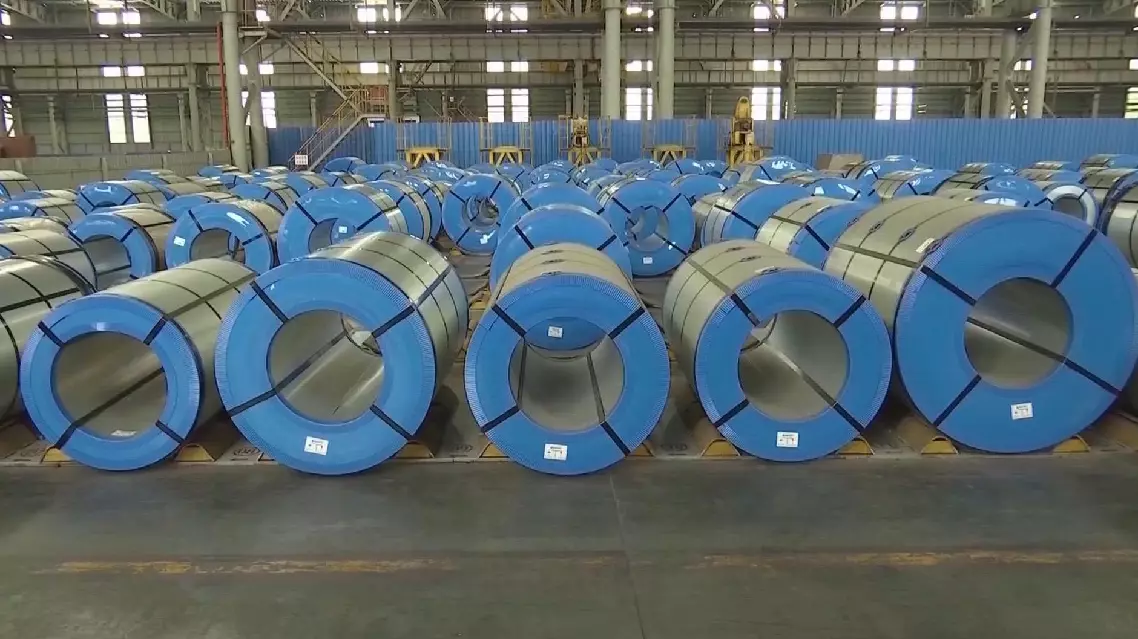
Aluminum prices climb as effects of Middle East tensions spread through global economy