Japan risks losing over 2 trillion yen in Chinese tourist spending if the diplomatic friction with China, triggered by Prime Minister Sanae Takaichi's recent erroneous remarks on Taiwan, continues, said Hideo Kumano, chief economist of the Economic Research Department of the Dai-ichi Life Research Institute in Tokyo.
In response to Takaichi's remarks on Taiwan, China's Ministry of Foreign Affairs, along with its embassy and consulates in Japan, on Nov. 15 urged Chinese citizens to avoid traveling to Japan, citing a rise in attacks targeting Chinese nationals.
More than a dozen Chinese airlines, including China Southern Airlines, China Eastern Airlines, Air China, and several private carriers, have offered free refunds and rescheduling for passengers with flights to Japan between Nov. 15 and Dec. 31.
Kumano said that the escalating political tension is likely to deal a major blow to Japan's tourism industry, particularly in regions that rely heavily on Chinese visitors.
"If the tension between China and Japan continues for more than a year, it will result in a reduction of over 2 trillion yen in spending by Chinese tourists, if less than 2.6 trillion yen. This will have a significant impact on Japan's tourism industry, particularly on local economies," said Hideo.
At a Diet meeting on Nov. 7, Takaichi claimed that a Taiwan emergency involving the use of military vessels and military force from the Chinese mainland could constitute a "survival-threatening situation" for Japan.
The Japanese government approved a comprehensive economic stimulus package totaling 21.3 trillion yen on Friday. Hideo said that fiscal stimulus during Japan's current inflationary environment could lead to a counterproductive effect.
"This fiscal stimulus comes not during deflation, and excessive fiscal stimulus during inflation would exacerbate the depreciation of the yen and lead to rising prices," he said.
As increased tax revenue cannot fill the spending gap, the Japanese government has been forced to rely on issuing additional government bonds. Hideo said it will lead to a rise in long-term interest rates, further cooling the Japanese economy.
"Rising long-term interest rates will cool the economy, amplifying the negative effects. This is precisely the drawback of relying on government bonds when facing difficulty in securing fiscal resources," he said.

Japan may lose over 2 trillion yen in Chinese tourist spending due to PM's remarks: economist
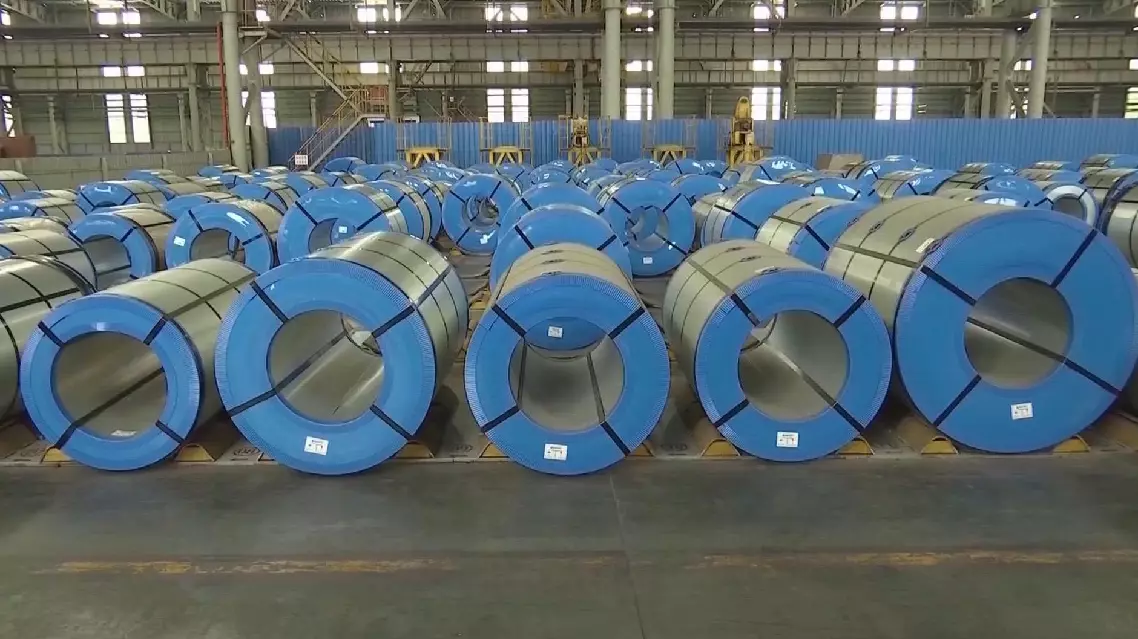
The price of aluminum, a key industrial metal used in automotive manufacturing, construction and packaging, has been climbing as production cuts in the Gulf region, logistical constraints and Iranian attacks on two regional producers over the weekend tightened supply.
On March 31, the benchmark London Metal Exchange (LME) three-month price for aluminum rose to 3,535 U.S. dollars per metric ton, a year-on-year increase of around 40 percent.
Iran's Islamic Revolutionary Guard Corps (IRGC) said on Sunday that they launched missile and drone strikes on aluminum plants in Bahrain and the UAE that are linked to the U.S. military and aerospace industries, in retaliation for U.S.-Israeli attacks on Iranian steel factories.
Emirates Global Aluminium issued a statement saying that its Al Taweela site in the Khalifa Economic Zone in Abu Dhabi was severely damaged after Iranian strikes, with some employees injured.
Aluminum Bahrain confirmed in a statement on Sunday that some of its facilities were struck by Iranian attacks, resulting in injuries to two employees.
The two aluminum plants have a combined annual output of 3.2 million tons, more than half of the approximately 6 million tons of aluminum produced every year by Gulf Cooperation Council (GCC) member states.
The region is a key source of aluminum supply, accounting for about 9 percent of global production.
Goldman Sachs on Tuesday raised its LME aluminum price forecast from 3,200 U.S. dollars to 3,450 U.S. dollars per ton for the second quarter of 2026 after the attacks on the facilities.
Goldman Sachs also predicted a global primary aluminum market supply deficit of 570,000 tons in 2026, a sharp turnaround from its previous forecast of a 550,000-ton surplus.
Analysts point out that the aluminum market is currently facing multiple shocks, with shipping in the Strait of Hormuz disrupted, aluminum production facilities in the Gulf damaged or even shut down, and production in other parts of the world currently limited.
The impact will also spread to downstream enterprises in the coming months, with higher-cost aluminum alloys, primarily used in the aerospace, automotive, and construction industries, facing the most constrained supply, analysts said.
The Gulf region has long been a significant source of these high-end products, particularly for the European market, and also supplies manufacturers in the United States.
Aluminum prices climb as effects of Middle East tensions spread through global economy