A Japanese scholar has sharply criticized Prime Minister Sanae Takaichi for making provocative remarks on China's Taiwan, saying her comments deviate from Japan's long-standing policy and cross red lines set by both Japan's Constitution and international law.
Takaichi's blatant suggestion of possible military involvement in the Taiwan Strait has drawn worldwide rebuke and condemnation for attempting to revive Japanese militarism and threatening regional stability.
Kumiko Haba, professor emeritus at Aoyama Gakuin University, said Takaichi's remarks implied Japan could engage in military involvement over the Taiwan question -- an issue universally recognized as China's internal affair.
"I believe this is indeed a highly inappropriate remark. Takaichi is a right-wing politician, which is also widely recognized internationally. However, on this particular occasion, especially during a Diet inquiry session with the Constitutional Democratic Party, she used the term 'survival-threatening situation' when discussing the Taiwan question in an official setting, suggesting that Japan would enter a state of exercising the right to collective self-defense. This implies Japan's involvement in war, and I consider this is an inappropriate statement. As pointed out in the question, both the United States and Japan recognize the Taiwan question as China's internal affair -- this has been the consistent stance of the Japanese government," said the professor.
Haba also pointed out that Takaichi's remarks are in contravention of Japan's post-war constitution.
"I believe this clearly violates Article 9 of the Japanese Constitution. While Article 9 acknowledges the establishment of the Self-Defense Forces for self-defense purposes, any claim of military intervention in the Taiwan question -- which, as China states, is China's internal affair -- constitutes a clear violation of the Constitution. Moreover, from the perspective of international law, if Japan were to initiate an attack under the pretext of exercising the 'right to collective self-defense' without having been attacked first, this would also be illegal," she said.
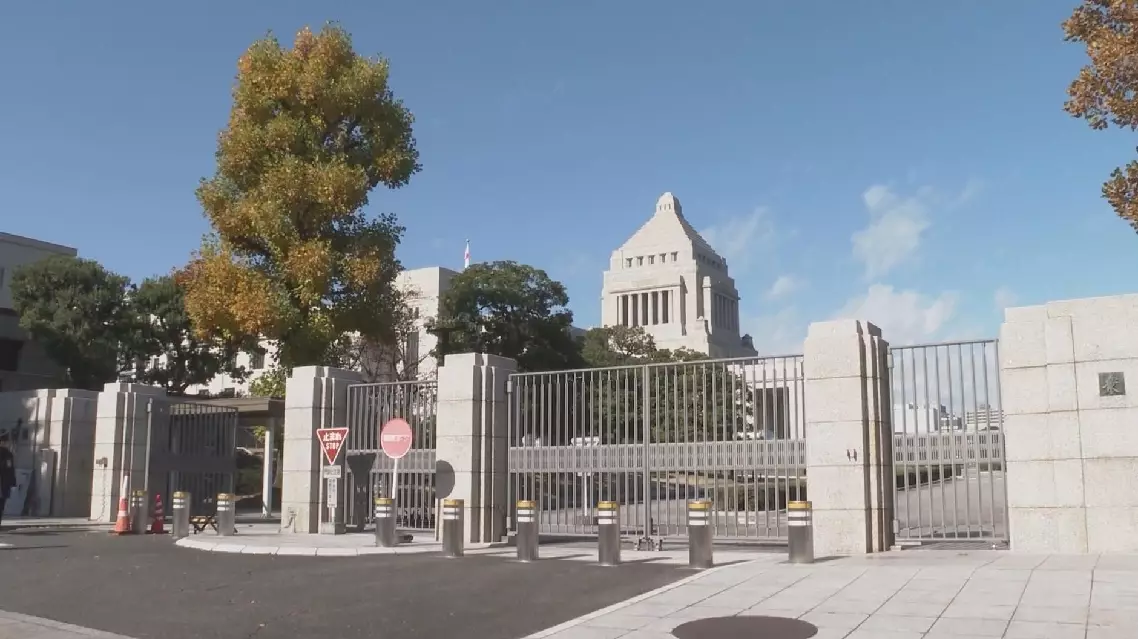
PM's erroneous remarks violate constitution, international law: Japanese scholar
The price of aluminum, a key industrial metal used in automotive manufacturing, construction and packaging, has been climbing as production cuts in the Gulf region, logistical constraints and Iranian attacks on two regional producers over the weekend tightened supply.
On March 31, the benchmark London Metal Exchange (LME) three-month price for aluminum rose to 3,535 U.S. dollars per metric ton, a year-on-year increase of around 40 percent.
Iran's Islamic Revolutionary Guard Corps (IRGC) said on Sunday that they launched missile and drone strikes on aluminum plants in Bahrain and the UAE that are linked to the U.S. military and aerospace industries, in retaliation for U.S.-Israeli attacks on Iranian steel factories.
Emirates Global Aluminium issued a statement saying that its Al Taweela site in the Khalifa Economic Zone in Abu Dhabi was severely damaged after Iranian strikes, with some employees injured.
Aluminum Bahrain confirmed in a statement on Sunday that some of its facilities were struck by Iranian attacks, resulting in injuries to two employees.
The two aluminum plants have a combined annual output of 3.2 million tons, more than half of the approximately 6 million tons of aluminum produced every year by Gulf Cooperation Council (GCC) member states.
The region is a key source of aluminum supply, accounting for about 9 percent of global production.
Goldman Sachs on Tuesday raised its LME aluminum price forecast from 3,200 U.S. dollars to 3,450 U.S. dollars per ton for the second quarter of 2026 after the attacks on the facilities.
Goldman Sachs also predicted a global primary aluminum market supply deficit of 570,000 tons in 2026, a sharp turnaround from its previous forecast of a 550,000-ton surplus.
Analysts point out that the aluminum market is currently facing multiple shocks, with shipping in the Strait of Hormuz disrupted, aluminum production facilities in the Gulf damaged or even shut down, and production in other parts of the world currently limited.
The impact will also spread to downstream enterprises in the coming months, with higher-cost aluminum alloys, primarily used in the aerospace, automotive, and construction industries, facing the most constrained supply, analysts said.
The Gulf region has long been a significant source of these high-end products, particularly for the European market, and also supplies manufacturers in the United States.
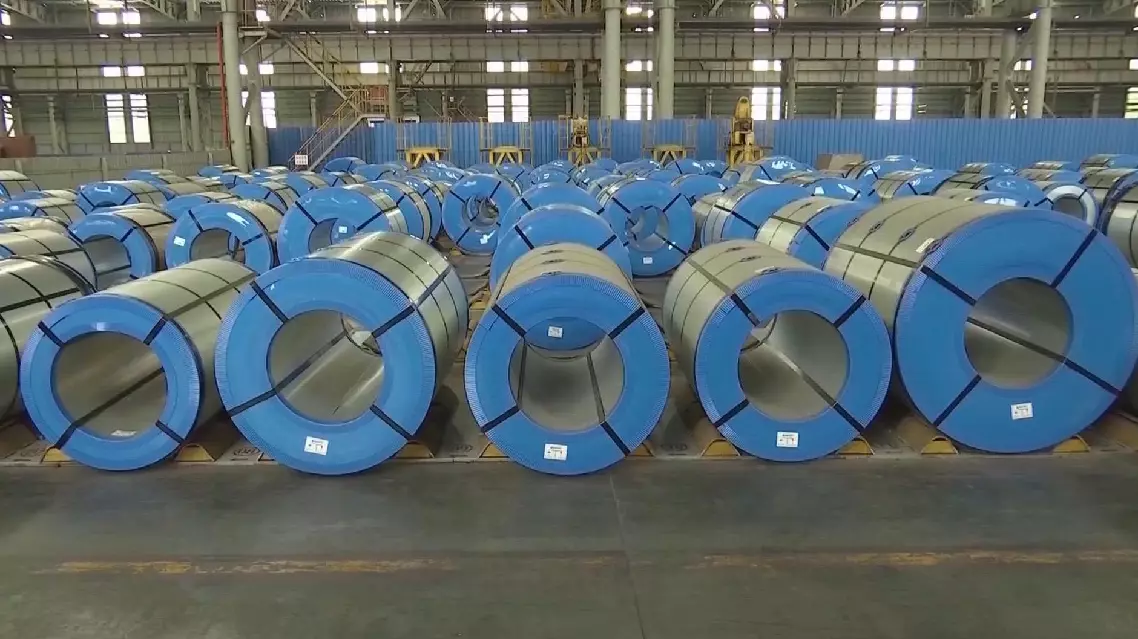
Aluminum prices climb as effects of Middle East tensions spread through global economy