The UN Security Council on Tuesday adopted a resolution to extend the authorization for UN member states to inspect vessels suspected of Libya arms embargo violation.
Resolution 2804 (2025) extends for six months the authorization for UN member states, acting nationally or through regional organizations, to inspect vessels on the high seas off Libya if they have reasonable grounds to believe the vessels are carrying arms or related materials in violation of an arms embargo imposed by the Security Council.
Resolution 2804 (2025) was adopted with 13 votes in favor. Russia and China abstained.
In an explanation of the vote after the adoption of the resolution, Sun Lei, China's deputy permanent representative to the United Nations, said that Security Council sanctions on Libya help stem illicit weapons flows and prevent violence from escalating.
Sun said that the EU has recently carried out Operation IRINI in the Mediterranean to monitor compliance with the embargo, but the mission has also revealed issues, such as insufficient transparency and effectiveness, improper handling of the seized items, and insufficient coordination and cooperation with the country concerned.
He therefore urged the Council to fully consider the views of Libya and other relevant parties, assess Operation IRINI's mandate in a dynamic manner and make timely adjustments and improvements as necessary.
Launched on March 31, 2020, the operation IRINI is a military mission under the EUNAVFOR MED, and is designed to enforce the UN arms embargo on Libya. The Security Council imposed sanctions, including an arms embargo, on Libya in 2011 after the political turmoil that led to the toppling of former leader Muammar Gaddafi. In June 2016, the council adopted Resolution 2292 to authorize vessel inspections on the high seas to implement the arms embargo.
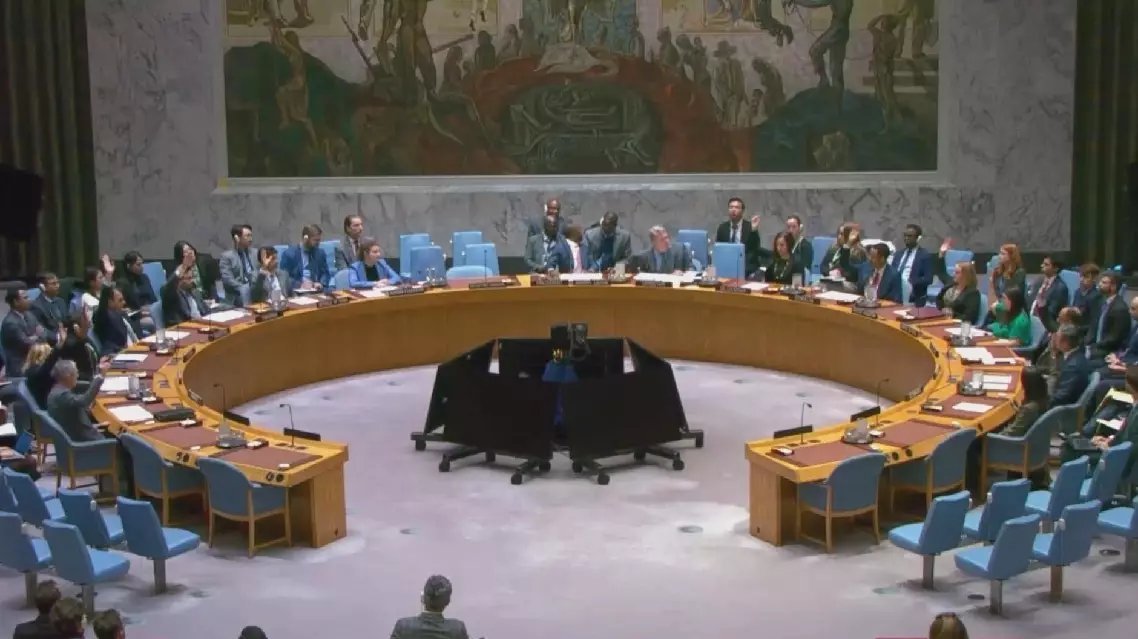
UN extends authorization to inspect vessels suspected of violating Libya arms embargo
The price of aluminum, a key industrial metal used in automotive manufacturing, construction and packaging, has been climbing as production cuts in the Gulf region, logistical constraints and Iranian attacks on two regional producers over the weekend tightened supply.
On March 31, the benchmark London Metal Exchange (LME) three-month price for aluminum rose to 3,535 U.S. dollars per metric ton, a year-on-year increase of around 40 percent.
Iran's Islamic Revolutionary Guard Corps (IRGC) said on Sunday that they launched missile and drone strikes on aluminum plants in Bahrain and the UAE that are linked to the U.S. military and aerospace industries, in retaliation for U.S.-Israeli attacks on Iranian steel factories.
Emirates Global Aluminium issued a statement saying that its Al Taweela site in the Khalifa Economic Zone in Abu Dhabi was severely damaged after Iranian strikes, with some employees injured.
Aluminum Bahrain confirmed in a statement on Sunday that some of its facilities were struck by Iranian attacks, resulting in injuries to two employees.
The two aluminum plants have a combined annual output of 3.2 million tons, more than half of the approximately 6 million tons of aluminum produced every year by Gulf Cooperation Council (GCC) member states.
The region is a key source of aluminum supply, accounting for about 9 percent of global production.
Goldman Sachs on Tuesday raised its LME aluminum price forecast from 3,200 U.S. dollars to 3,450 U.S. dollars per ton for the second quarter of 2026 after the attacks on the facilities.
Goldman Sachs also predicted a global primary aluminum market supply deficit of 570,000 tons in 2026, a sharp turnaround from its previous forecast of a 550,000-ton surplus.
Analysts point out that the aluminum market is currently facing multiple shocks, with shipping in the Strait of Hormuz disrupted, aluminum production facilities in the Gulf damaged or even shut down, and production in other parts of the world currently limited.
The impact will also spread to downstream enterprises in the coming months, with higher-cost aluminum alloys, primarily used in the aerospace, automotive, and construction industries, facing the most constrained supply, analysts said.
The Gulf region has long been a significant source of these high-end products, particularly for the European market, and also supplies manufacturers in the United States.
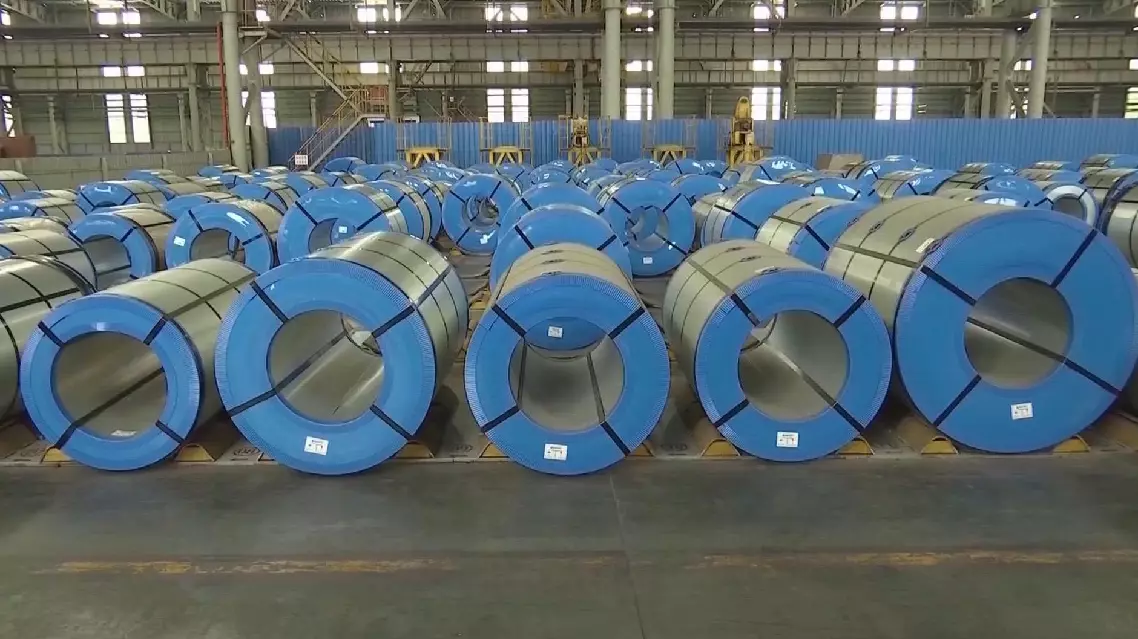
Aluminum prices climb as effects of Middle East tensions spread through global economy