Full-scale construction on the world's largest ice-and-snow theme park, Harbin Ice-Snow World, started in Harbin, capital of northeast China's Heilongjiang Province, on Tuesday.
Work on the park, which is set to span a record 1.2 million square meters this winter, began three days earlier than last year. About 10,000 workers will use some 200,000 cubic meters of ice stored for over 10 months for building ice sculptures and buildings, as rivers have not yet fully frozen this winter.
Ice cubes were transported in batches to the construction site. Additionally, the meteorological forecasts of snow in the coming days will provide favorable low-temperature conditions for ice construction.
"We have already brought in equipment for lifting, transportation, and cutting. Ice sculptors are ready, and nearly 10,000 construction workers will be working on the site for the 27th edition of the Harbin Ice-Snow World. We anticipate the park will open to visitors by mid-December," said Cong Peiyu, head of the design and development department of Harbin Ice-Snow World.
The park drew more than 3.56 million guests over its 68-day operation during last season, which ran from Dec. 21 to Feb. 26. Anticipating even more visitors this winter, the park plans to add new attractions including hot spring camps, snow football and other winter activities, supported by upgraded smart tourism services.
The design of this year's Super Ice Slide, the park's most popular attraction, incorporates elements inspired by the Great Wall. The slide will maintain 24 high-capacity sliding lanes, minimizing wait times for visitors while preserving a remarkable 521-meter-long slide.
Harbin, often called China's "ice city," has turned its long, cold winters into a major tourist attraction. Last winter, the city welcomed a record 90.36 million visitors, generating 137.22 billion yuan (about 19.37 billion U.S. dollars) in revenue -- a 16.6-percent increase year on year.
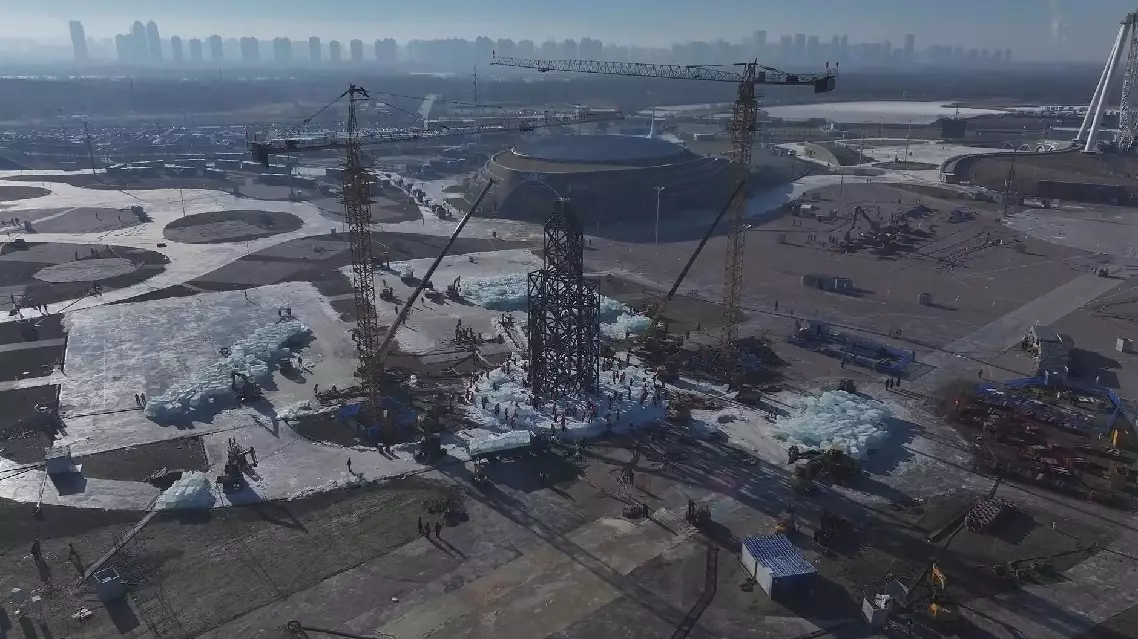
Ice building kicks off for World's largest ice-and-snow park
The price of aluminum, a key industrial metal used in automotive manufacturing, construction and packaging, has been climbing as production cuts in the Gulf region, logistical constraints and Iranian attacks on two regional producers over the weekend tightened supply.
On March 31, the benchmark London Metal Exchange (LME) three-month price for aluminum rose to 3,535 U.S. dollars per metric ton, a year-on-year increase of around 40 percent.
Iran's Islamic Revolutionary Guard Corps (IRGC) said on Sunday that they launched missile and drone strikes on aluminum plants in Bahrain and the UAE that are linked to the U.S. military and aerospace industries, in retaliation for U.S.-Israeli attacks on Iranian steel factories.
Emirates Global Aluminium issued a statement saying that its Al Taweela site in the Khalifa Economic Zone in Abu Dhabi was severely damaged after Iranian strikes, with some employees injured.
Aluminum Bahrain confirmed in a statement on Sunday that some of its facilities were struck by Iranian attacks, resulting in injuries to two employees.
The two aluminum plants have a combined annual output of 3.2 million tons, more than half of the approximately 6 million tons of aluminum produced every year by Gulf Cooperation Council (GCC) member states.
The region is a key source of aluminum supply, accounting for about 9 percent of global production.
Goldman Sachs on Tuesday raised its LME aluminum price forecast from 3,200 U.S. dollars to 3,450 U.S. dollars per ton for the second quarter of 2026 after the attacks on the facilities.
Goldman Sachs also predicted a global primary aluminum market supply deficit of 570,000 tons in 2026, a sharp turnaround from its previous forecast of a 550,000-ton surplus.
Analysts point out that the aluminum market is currently facing multiple shocks, with shipping in the Strait of Hormuz disrupted, aluminum production facilities in the Gulf damaged or even shut down, and production in other parts of the world currently limited.
The impact will also spread to downstream enterprises in the coming months, with higher-cost aluminum alloys, primarily used in the aerospace, automotive, and construction industries, facing the most constrained supply, analysts said.
The Gulf region has long been a significant source of these high-end products, particularly for the European market, and also supplies manufacturers in the United States.
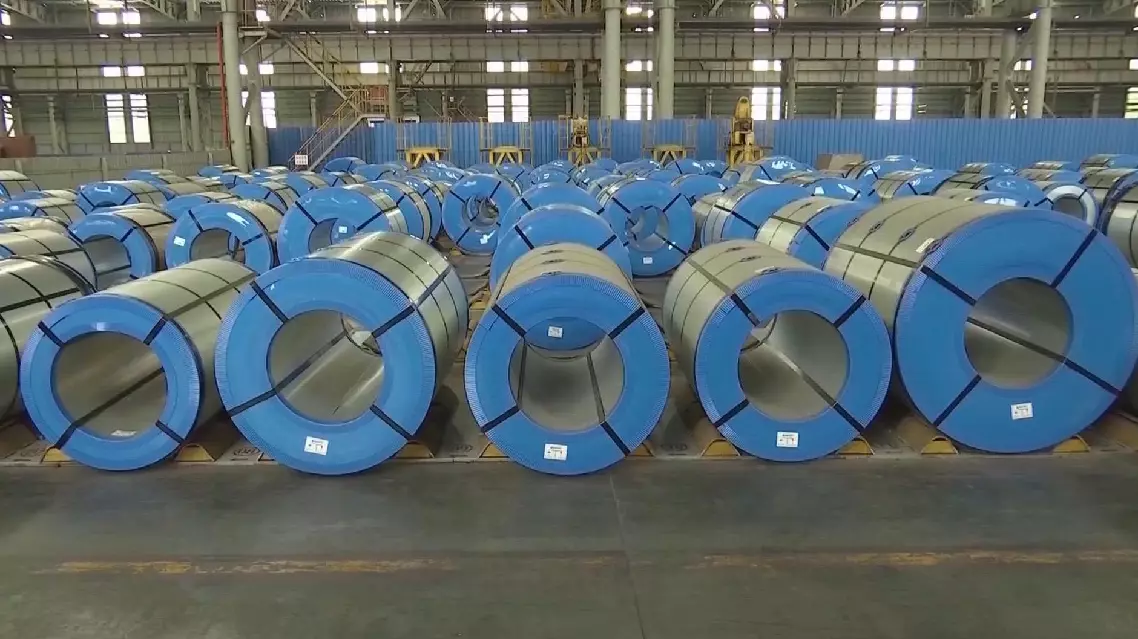
Aluminum prices climb as effects of Middle East tensions spread through global economy