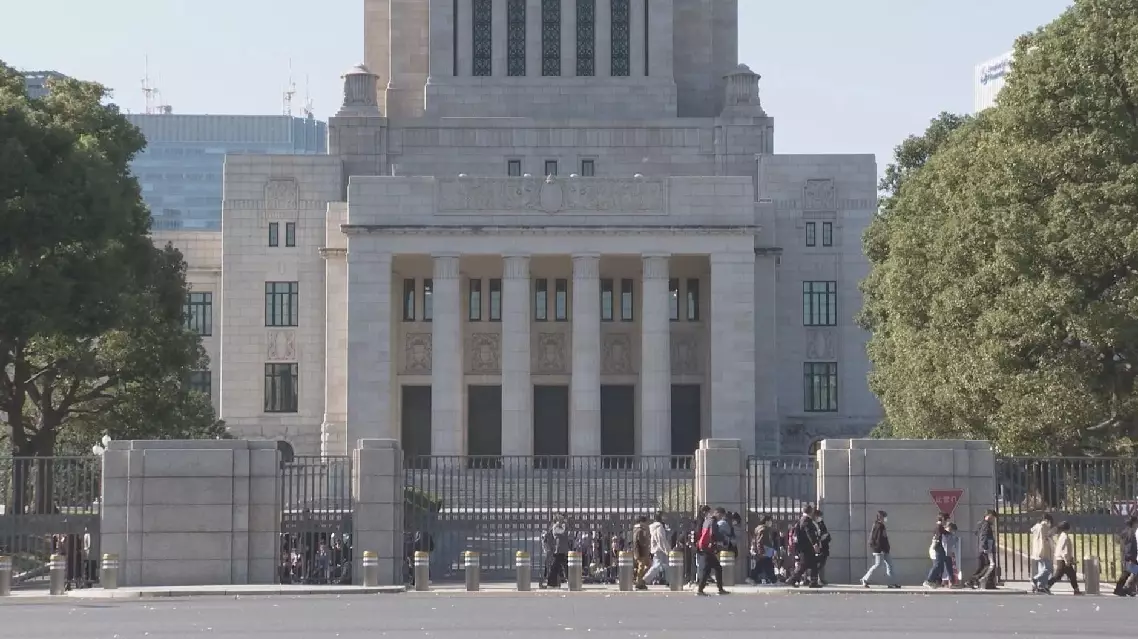
Japanese Prime Minister Sanae Takaichi is facing sharp criticism from international analysts, who said her erroneous remarks are aimed at strengthening her political standing, but warned such a rhetoric could ultimately backfire.
Former advisor to the Slovak Prime Minister Robert Fico, Eduard Chmelar, also a political analyst and historian, called her remarks absurd and warned of a revival of nationalism and fascism in Japan.
"It is outrageous. It is a revival not only of nationalism, but also of fascist tendencies, which are very strong in Japan. In Japan, we see militarism on the rise, and that is very worrying. I think that the international community should clearly reject such tendencies. It's very dangerous that such nationalist forces have come to power in Japan," said Chmelar.
Andrey Denisov, first deputy chair of Russia's Federation Council Committee on Foreign Affairs, voiced concern that Takaichi's leadership has unsettled Japan's neighbors, due to her push for transforming Japan's Self-Defense Forces into a regular army and her suggestion of abandoning the three non-nuclear principles.
"The coming-to-power of the current head of the Japanese government, to be honest, does not please any of its neighbors. She called for the transformation of the Japanese Self-Defense Forces into regular armed forces and hinted at the possibility of abandoning the three non-nuclear principles, which are sacred principles, one might say, for a country that survived atomic bombs," said Denisov.
Denisov also said that Takaichi used them as a political tool to project strength, but she was wrong.
"In my view, she is trying to consolidate her position by showing Japanese society and voters how tough she is. But it is obvious that this approach is inappropriate. She has chosen the wrong target to flex her muscles with China. This tactic will not work, especially when it comes to the Taiwan question," said Denisov.
South African international relations expert and former ambassador Kingsley Makhubela echoed the criticism, saying that Takaichi made a big mistake by meddling in China's internal affairs, especially sensitive issues like the Taiwan question.
"She made a a bit of a big mistake by wanting to interfere on the Chinese domestic affairs. We've just had a a great celebration of the 80th anniversary of a victory over Japan, so the Japanese should have been very sensitive to this matter," said Makhubela.
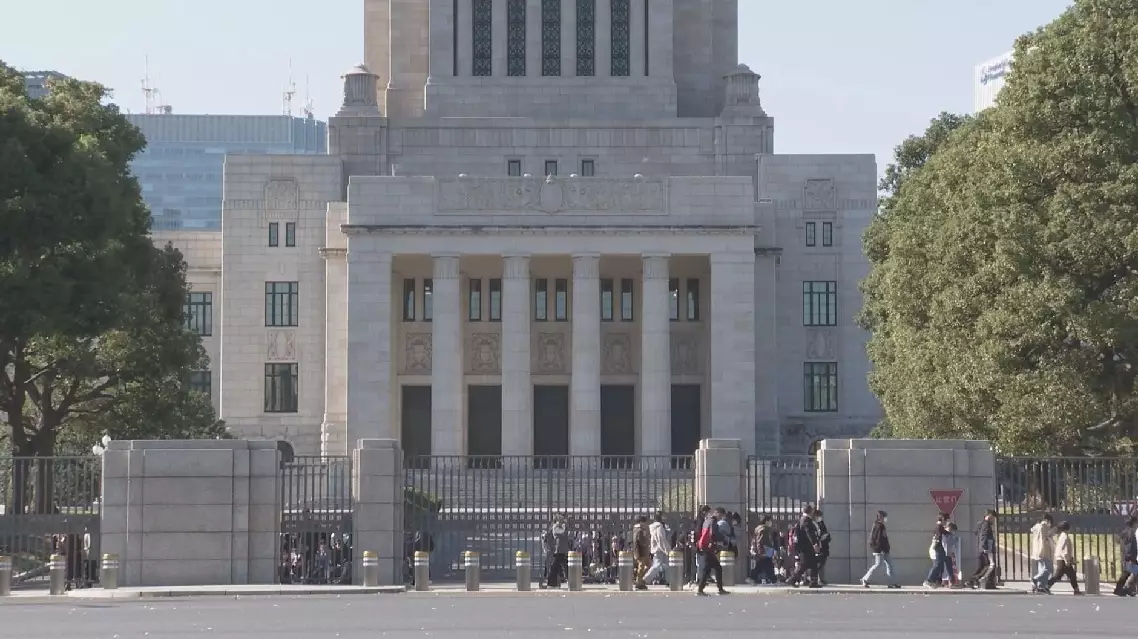
Takaichi's remarks draw sharp criticism from int'l analysts
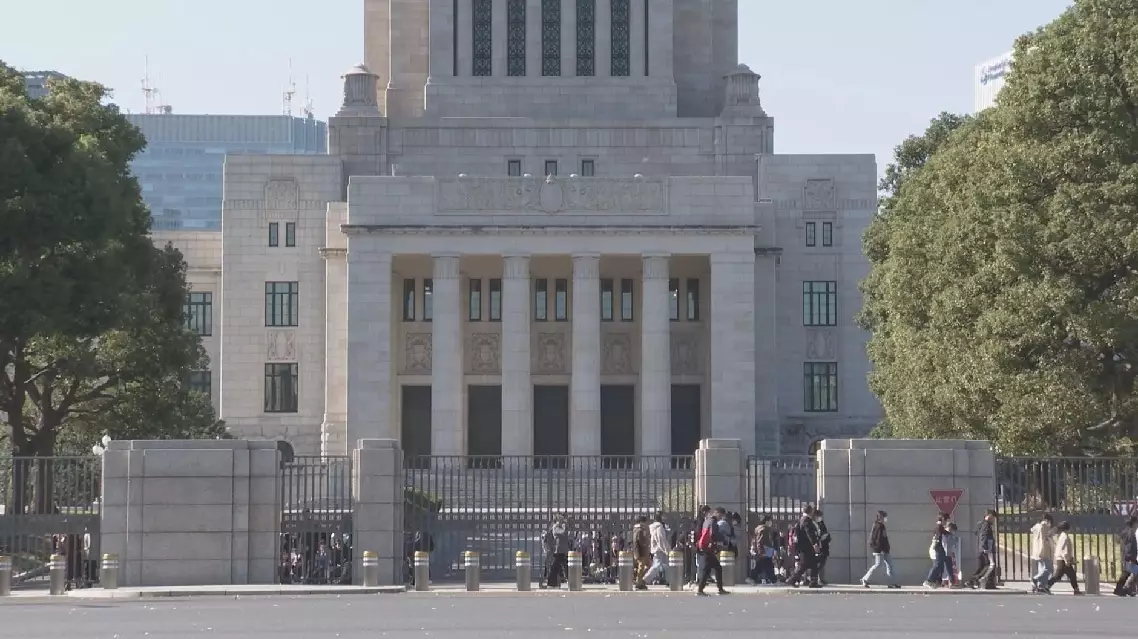
Takaichi's remarks draw sharp criticism from int'l analysts
Takaichi's remarks draw sharp criticism from int'l analysts
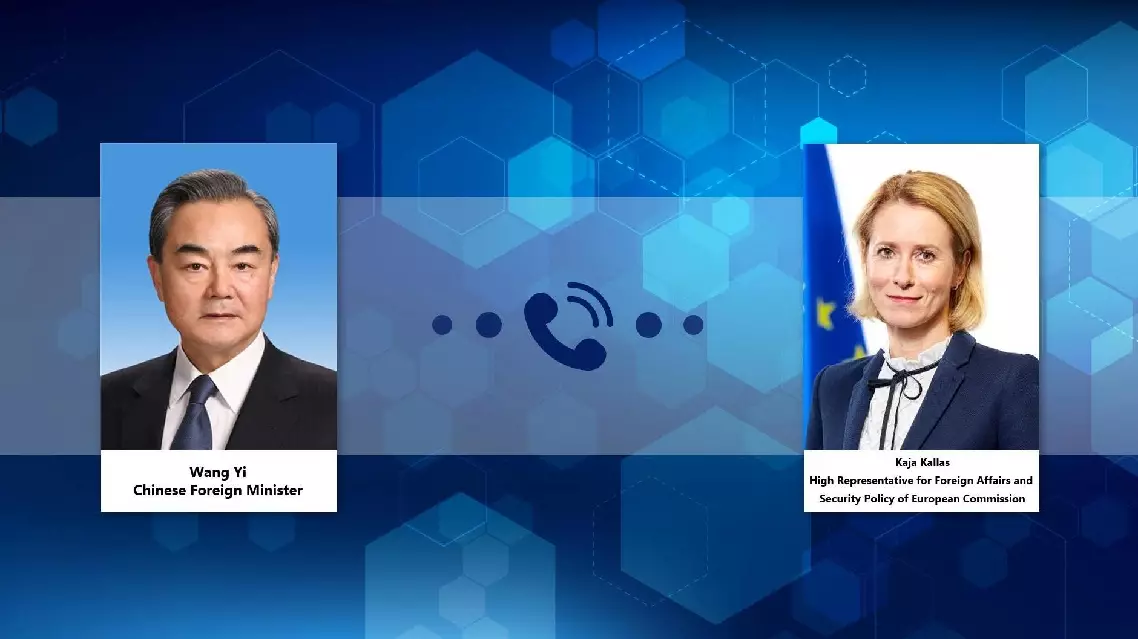
Chinese Foreign Minister Wang Yi said on Thursday that UN Security Council actions must not provide legal cover for unauthorized military operations, nor should they heighten tensions or escalate conflict.
Wang, also a member of the Political Bureau of the Communist Party of China Central Committee, made the remarks in a phone conversation with Kaja Kallas, the High Representative for Foreign Affairs and Security Policy of the European Commission.
Kallas shared her views on the situation in the Middle East and commended China's active diplomatic mediation efforts to ease the situation, including the latest five-point joint initiative issued by China and Pakistan for restoring peace and stability in the Gulf and the Middle East.
The European side has not been involved in this war but has suffered from its spillover effects, she said, expressing hope for swiftly de-escalating the war and resuming dialogue and negotiations.
The European side supports UN humanitarian operations, the protection of civilians and non-military targets, and will make every effort to ensure the opening of navigation through the Strait of Hormuz, she said.
Wang said that amid the current international turmoil, it is the shared responsibility of China and Europe to step up communication and exchanges, and to uphold the UN-centered international system and the international order based on international law.
Wang elaborated on China's principled position on the Middle East situation, noting that the five-point initiative proposed by China and Pakistan reflects a broad international consensus, whose core elements include a cessation of hostilities, the start of peace talks as soon as possible, ensuring the security of non-military targets and security of shipping lanes, and safeguarding the primacy of the UN Charter.
A ceasefire and an end to hostilities are the strong call of the international community, and also the fundamental solution to ensuring safe navigation through the Strait of Hormuz, Wang said, adding that all parties should build greater consensus and create the necessary conditions to that end.
The UN Security Council actions should focus on cooling down the situation and de-escalating tensions, Wang said, adding that China stands ready to maintain communication and cooperation with the European side to promote an early end to hostilities and restore regional peace.
The two sides also exchanged views on China-EU relations. Wang said that China's development represents opportunities for Europe, and that the challenges Europe faces do not originate from China. Protectionism does not enhance competitiveness, and decoupling from China means decoupling from opportunities, Wang said, expressing hope that the European side will develop a comprehensive and objective perception of China and maintain the correct direction of China-EU relations.
Kallas said that the European side views China as an important cooperation partner, does not seek decoupling from China, and looks forward to maintaining dialogue and communication between the two sides.
Chinese FM says UN Security Council actions should not legitimize unauthorized military operations