Russia has received the parameters of the Ukraine peace plan, which was put forward by the United States and later adjusted following consultations in Geneva last week, and is set to begin discussions on the proposals next week, Kremlin Spokesman Dmitry Peskov said Friday.
Peskov also said Russian President Vladimir Putin is scheduled to meet with Steve Witkoff, U.S. President Donald Trump's special envoy, in Moscow in the first half of next week. He added that Russia remains committed to negotiations on the Ukraine issue, but does not intend to publicly reveal the details of the talks.
A U.S.-proposed 28-point peace plan was unveiled last week. Following its release, representatives from the U.S., Ukraine and several European countries met in Geneva on Sunday to discuss the plan.
Through discussions, the plan has been cut down to 19 points but has not been made public, marking the latest shift in the ongoing diplomatic push to end the Ukraine crisis.
Putin said Thursday that the U.S.-proposed list of points could form a basis for future agreements, while according to multiple U.S. media reports on Tuesday, Ukraine had agreed in principle to the framework agreement, saying that certain clauses still require future discussion.
During a meeting with Hungarian Prime Minister Viktor Orban on Friday, Putin said he would be willing to hold a future meeting with the U.S. president in Budapest, the Hungarian capital.
Also Friday, Ukrainian President Volodymyr Zelensky said he will hold talks with the U.S. side in the near future.

Russia receives adjusted Ukraine peace plan: Kremlin

Russia receives adjusted Ukraine peace plan: Kremlin

Russia receives adjusted Ukraine peace plan: Kremlin
The price of aluminum, a key industrial metal used in automotive manufacturing, construction and packaging, has been climbing as production cuts in the Gulf region, logistical constraints and Iranian attacks on two regional producers over the weekend tightened supply.
On March 31, the benchmark London Metal Exchange (LME) three-month price for aluminum rose to 3,535 U.S. dollars per metric ton, a year-on-year increase of around 40 percent.
Iran's Islamic Revolutionary Guard Corps (IRGC) said on Sunday that they launched missile and drone strikes on aluminum plants in Bahrain and the UAE that are linked to the U.S. military and aerospace industries, in retaliation for U.S.-Israeli attacks on Iranian steel factories.
Emirates Global Aluminium issued a statement saying that its Al Taweela site in the Khalifa Economic Zone in Abu Dhabi was severely damaged after Iranian strikes, with some employees injured.
Aluminum Bahrain confirmed in a statement on Sunday that some of its facilities were struck by Iranian attacks, resulting in injuries to two employees.
The two aluminum plants have a combined annual output of 3.2 million tons, more than half of the approximately 6 million tons of aluminum produced every year by Gulf Cooperation Council (GCC) member states.
The region is a key source of aluminum supply, accounting for about 9 percent of global production.
Goldman Sachs on Tuesday raised its LME aluminum price forecast from 3,200 U.S. dollars to 3,450 U.S. dollars per ton for the second quarter of 2026 after the attacks on the facilities.
Goldman Sachs also predicted a global primary aluminum market supply deficit of 570,000 tons in 2026, a sharp turnaround from its previous forecast of a 550,000-ton surplus.
Analysts point out that the aluminum market is currently facing multiple shocks, with shipping in the Strait of Hormuz disrupted, aluminum production facilities in the Gulf damaged or even shut down, and production in other parts of the world currently limited.
The impact will also spread to downstream enterprises in the coming months, with higher-cost aluminum alloys, primarily used in the aerospace, automotive, and construction industries, facing the most constrained supply, analysts said.
The Gulf region has long been a significant source of these high-end products, particularly for the European market, and also supplies manufacturers in the United States.
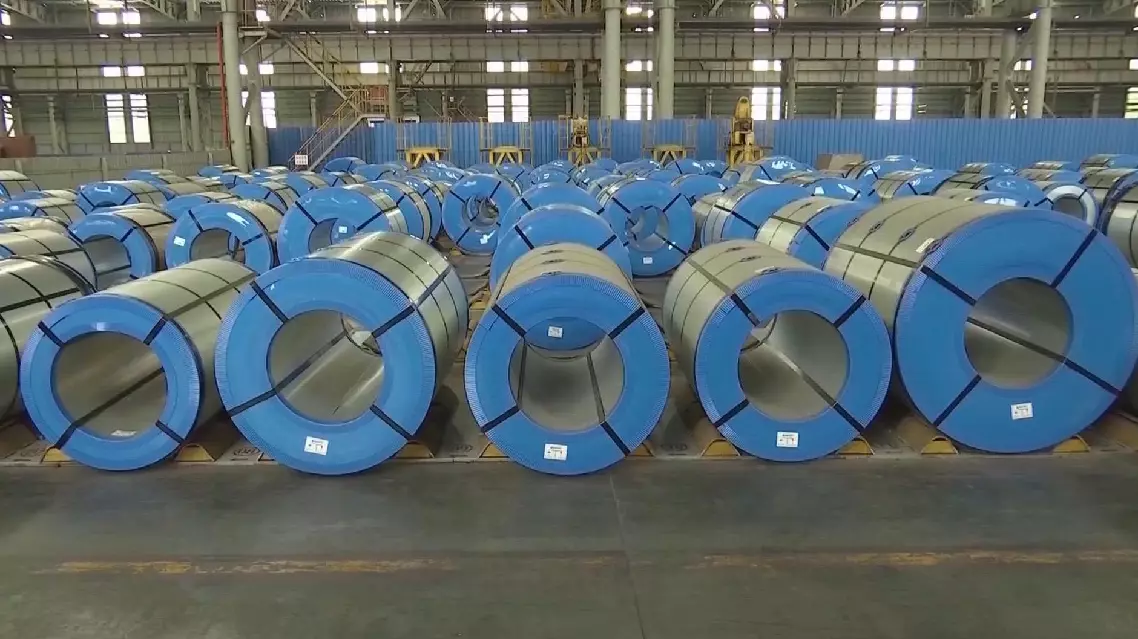
Aluminum prices climb as effects of Middle East tensions spread through global economy