At least 145 people have died and more than 3.5 million have been affected by catastrophic flooding in southern Thailand, where waters are finally receding after the worst deluge to hit Hat Yai in centuries.
As the floodwaters recede, the full extent of the damage is coming more apparent. Rescue operations continue, but the disaster is already being described as the most severe in the city's recorded history.
Mud-stained roads lined with toppled shopfronts and stranded vehicles signal Hat Yai’s slow emergence from the water’s grip. Yet behind every wreckage lies the weight of what can’t be restored, the trauma of families torn apart, the panic as water rose faster than warnings, the aching realization of lives lost.
"I thought he was with his wife. But when his wife came back, that's when I rushed here and I found him at the back of the house," said Janjira Chompuk, niece to one of the deceased.
In Hat Yai’s hardest-hit neighborhoods, families have returned to homes once swallowed by floodwaters and are now confronting the staggering scale of what has been lost.
"I'm beyond stressed. Now, I want the government to provide as much assistance as possible. Because everyone is completely destitute. There's nothing left. Each person has only what they are wearing. This outfit is all I have left," said Pranee Rattanmunee, a flood victim.
Homes have been gutted down to their bones, furniture overturned, beds soaked, shelves dripping with mud. People pick through what’s left as if they might somehow resurrect the memories of a time past.
According to the Department of Disaster Prevention and Mitigation, the widespread southern flooding has affected an estimated 3.54 million people, even though water levels in several areas have receded.
Hat Yai, the worst-hit city, received the heaviest rainfall in years during an intense monsoon earlier this week, prompting the government to declare a state of emergency in Songkhla province to streamline evacuation and rescue efforts.
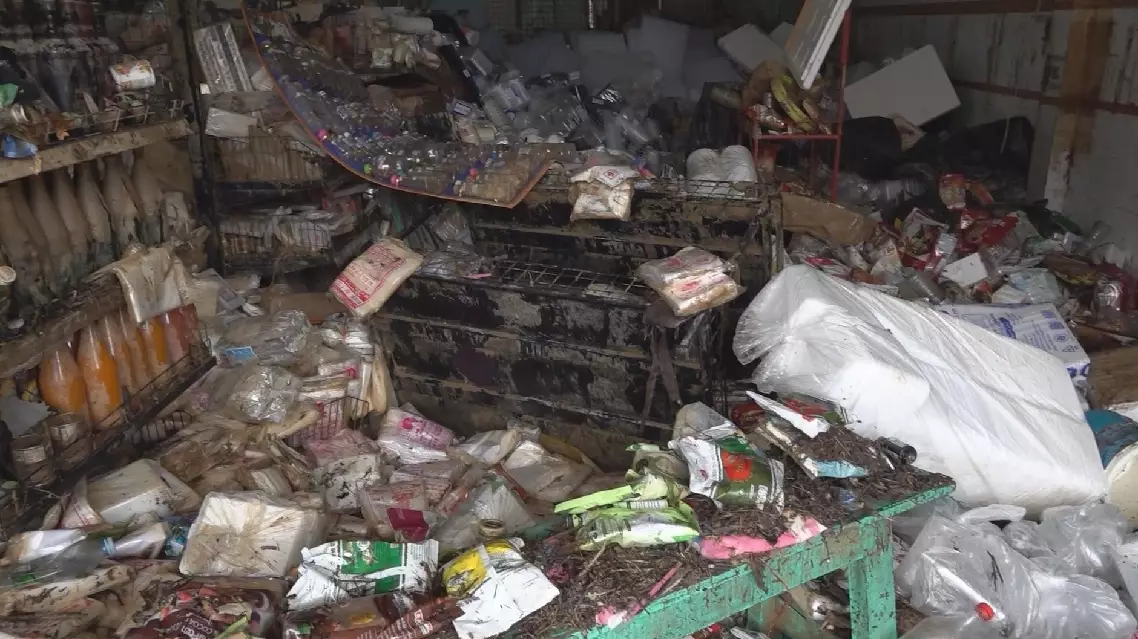
145 dead, millions affected as historic floods devastate southern Thailand
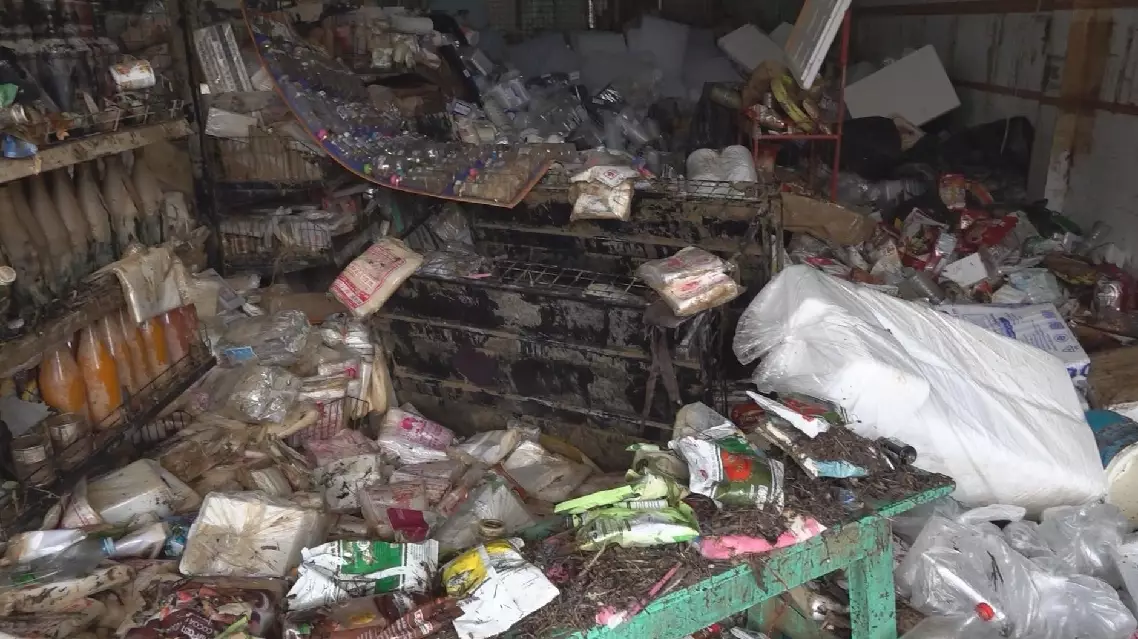
145 dead, millions affected as historic floods devastate southern Thailand
Iraq's semi-autonomous Kurdistan region has suspended in-person classes at all schools and universities following Iran's threats to target U.S.-linked universities in the country.
Local authorities have moved classes online, citing growing security threats from Iran.
The decision came after Iran warned that U.S.-linked universities could be attacked, in response to a recent airstrike on a university in Tehran, which Israel says was involved in ballistic missile development.
"Iran is seriously threatening the Kurdistan region, and we must take this seriously. The lives of people -- and especially our students -- are more valuable than anything," said Mohammad Qadir, Minister of Higher Education and Scientific Research for the Kurdistan Region.
The sudden move to online learning has been challenging, with many students struggling to stay connected.
"Some students couldn't join the live sessions. Others had electricity problems, internet issues, or other technical difficulties on the first day. Despite all that, in my opinion, online teaching -- with all its shortcomings -- is better than doing nothing and staying at home," said Dana Mohammed Abdullah, an assistant lecturer at Salahaddin University.
Abdullah added that the impact is especially severe on programs that rely on hands-on instructions.
"Many of our courses are practical rather than theoretical and need to be taught face to face. Now that everything is online, it's only a temporary solution -- better than pausing entirely -- but for a fine arts college, it won't be very effective," he said.
For many students, fear is now part of their daily life.
"We don't feel safe. Drones are coming from the sky and can explode at any moment. We don't know where they will hit -- so we can't be fully confident about going back to campus and studying in class," said Zana Amin, a university student.
With no clear end to the conflict, officials say it is too soon to say when classrooms will reopen.
"We can't give a timeline. We are in a war situation, and it has affected Kurdistan and Iraq deeply. Even politicians don't know when things will return to normal. In-person classes will resume when the war ends," said Qadir.
Iraq's Kurdistan region suspends in-person university classes over security concerns