Advanced smart-care devices have become one of the most attention-grabbing products at the 11th China International Silver Industry Exhibition, with exhibitors unveiling their next-generation intelligent products designed to support the elderly.
Robots stole the show at the fair, with standout exhibits including a tracked smart wheelchair for people with limited mobility, a moxibustion therapy robot capable of automatically locating acupoints, and home-care robots that monitor blood oxygen and blood pressure while offering companionship.
"Our smart wheelchair robots use dual sensors: a gyroscope ensures user balance and safety, while visual LiDAR continuously scans terrain in real time to achieve intelligent anti-fall prevention and collision avoidance. In the future, we plan to develop a model capable of standing upright and reclining fully to 180 degrees," said an exhibitor named Gong Qi.
At the expo's exoskeleton experience zone, multiple models were on display to showcase their solutions assisting with daily walking, stair climbing and rehabilitation training.
Among them, an exoskeleton designed for middle-aged and elderly users with knee osteoarthritis can recognize eight scenarios, including walking, slopes and stairs, and automatically adjusts assistance levels accordingly.
"For elderly users unable to walk long distances, this product helps conserve physical strength and provides crucial protection when descending downstairs, preventing forward falls," exhibitor Wang Hongwu noted.
Held in Guangzhou, capital of south China's Guangdong Province, from Thursday to Saturday, the expo also launched for the first time a dedicated zone on "new business models for silver economy", featuring full-scale displays of age-friendly home renovation solutions.
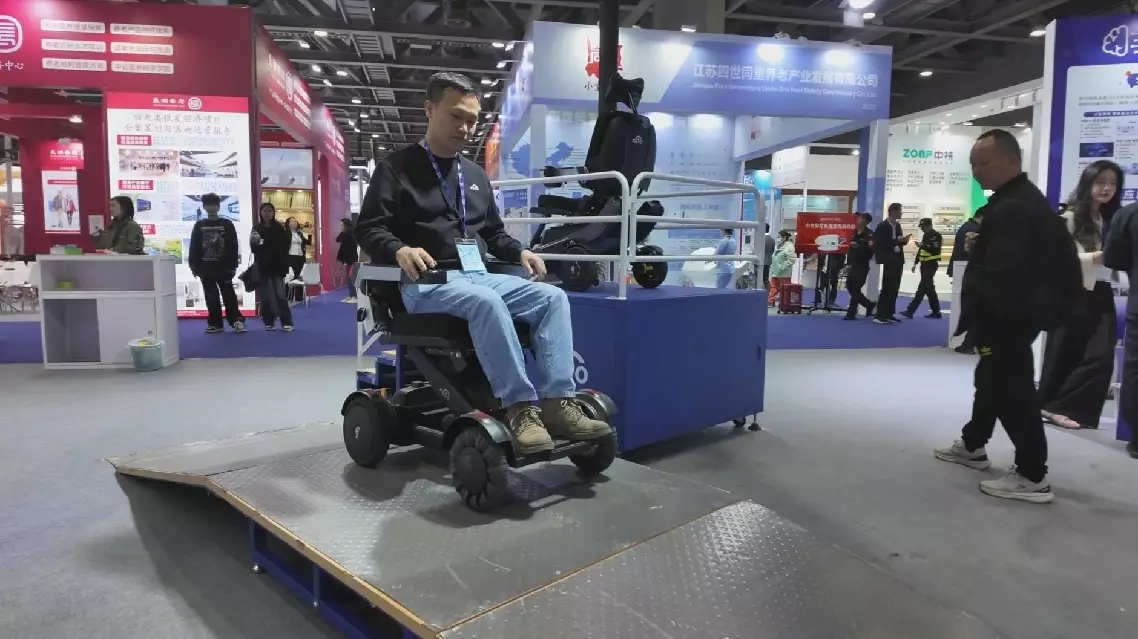
Smart devices take center stage at Int'l silver industry expo in south China
The price of aluminum, a key industrial metal used in automotive manufacturing, construction and packaging, has been climbing as production cuts in the Gulf region, logistical constraints and Iranian attacks on two regional producers over the weekend tightened supply.
On March 31, the benchmark London Metal Exchange (LME) three-month price for aluminum rose to 3,535 U.S. dollars per metric ton, a year-on-year increase of around 40 percent.
Iran's Islamic Revolutionary Guard Corps (IRGC) said on Sunday that they launched missile and drone strikes on aluminum plants in Bahrain and the UAE that are linked to the U.S. military and aerospace industries, in retaliation for U.S.-Israeli attacks on Iranian steel factories.
Emirates Global Aluminium issued a statement saying that its Al Taweela site in the Khalifa Economic Zone in Abu Dhabi was severely damaged after Iranian strikes, with some employees injured.
Aluminum Bahrain confirmed in a statement on Sunday that some of its facilities were struck by Iranian attacks, resulting in injuries to two employees.
The two aluminum plants have a combined annual output of 3.2 million tons, more than half of the approximately 6 million tons of aluminum produced every year by Gulf Cooperation Council (GCC) member states.
The region is a key source of aluminum supply, accounting for about 9 percent of global production.
Goldman Sachs on Tuesday raised its LME aluminum price forecast from 3,200 U.S. dollars to 3,450 U.S. dollars per ton for the second quarter of 2026 after the attacks on the facilities.
Goldman Sachs also predicted a global primary aluminum market supply deficit of 570,000 tons in 2026, a sharp turnaround from its previous forecast of a 550,000-ton surplus.
Analysts point out that the aluminum market is currently facing multiple shocks, with shipping in the Strait of Hormuz disrupted, aluminum production facilities in the Gulf damaged or even shut down, and production in other parts of the world currently limited.
The impact will also spread to downstream enterprises in the coming months, with higher-cost aluminum alloys, primarily used in the aerospace, automotive, and construction industries, facing the most constrained supply, analysts said.
The Gulf region has long been a significant source of these high-end products, particularly for the European market, and also supplies manufacturers in the United States.
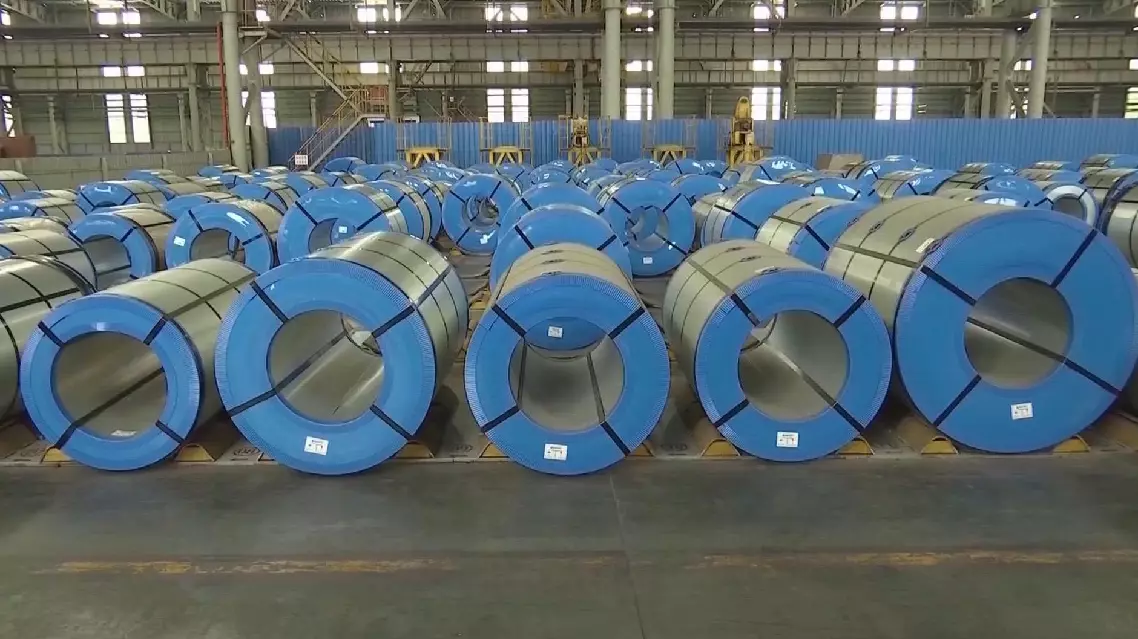
Aluminum prices climb as effects of Middle East tensions spread through global economy