Iceland's President Halla Tomasdottir said Beijing's Palace Museum, also known as the Forbidden City, moved her deeply, saying it symbolizes peace and human connection she believes is fading in today's turbulent, tech-driven world.
Tomasdottir paid a visit to China from Oct 12-18. In an interview with China Media Group (CMG) aired Friday, she reflected on the cultural moments that left the deepest mark.
"What left an impression on me where all of the symbolisms about harmony and peace and serenity, all of the things that I think we have somewhat lost in the world today. So at the risk of something too spiritual, I felt like in the Forbidden City there were symbolisms that spoke to me that go so far back," said Tomasdottir.
She added that technological progress, while beneficial, has also distanced humanity from essential emotional and natural connections.
"Technology has given us so much [convenience] and made us so close in some ways - the world is kind of borderless in a way because of technology. But it has taken away from us what I think every human being needs - human connection, connection to something that is bigger and grander than you yourself. Connection to nature, the beautiful old trees, some of them 300 years older or more, in the imperial garden left an impression on me. And so I think we, if there's a way that we can find a more meaningful way, each of us as individuals, as countries and as a world to connect to some of these old, wise principles, I think maybe we will find our way through the challenges of this time and come out on the better side of humanity," she said.

Icelandic president reflects on symbolisms of Forbidden City
The price of aluminum, a key industrial metal used in automotive manufacturing, construction and packaging, has been climbing as production cuts in the Gulf region, logistical constraints and Iranian attacks on two regional producers over the weekend tightened supply.
On March 31, the benchmark London Metal Exchange (LME) three-month price for aluminum rose to 3,535 U.S. dollars per metric ton, a year-on-year increase of around 40 percent.
Iran's Islamic Revolutionary Guard Corps (IRGC) said on Sunday that they launched missile and drone strikes on aluminum plants in Bahrain and the UAE that are linked to the U.S. military and aerospace industries, in retaliation for U.S.-Israeli attacks on Iranian steel factories.
Emirates Global Aluminium issued a statement saying that its Al Taweela site in the Khalifa Economic Zone in Abu Dhabi was severely damaged after Iranian strikes, with some employees injured.
Aluminum Bahrain confirmed in a statement on Sunday that some of its facilities were struck by Iranian attacks, resulting in injuries to two employees.
The two aluminum plants have a combined annual output of 3.2 million tons, more than half of the approximately 6 million tons of aluminum produced every year by Gulf Cooperation Council (GCC) member states.
The region is a key source of aluminum supply, accounting for about 9 percent of global production.
Goldman Sachs on Tuesday raised its LME aluminum price forecast from 3,200 U.S. dollars to 3,450 U.S. dollars per ton for the second quarter of 2026 after the attacks on the facilities.
Goldman Sachs also predicted a global primary aluminum market supply deficit of 570,000 tons in 2026, a sharp turnaround from its previous forecast of a 550,000-ton surplus.
Analysts point out that the aluminum market is currently facing multiple shocks, with shipping in the Strait of Hormuz disrupted, aluminum production facilities in the Gulf damaged or even shut down, and production in other parts of the world currently limited.
The impact will also spread to downstream enterprises in the coming months, with higher-cost aluminum alloys, primarily used in the aerospace, automotive, and construction industries, facing the most constrained supply, analysts said.
The Gulf region has long been a significant source of these high-end products, particularly for the European market, and also supplies manufacturers in the United States.
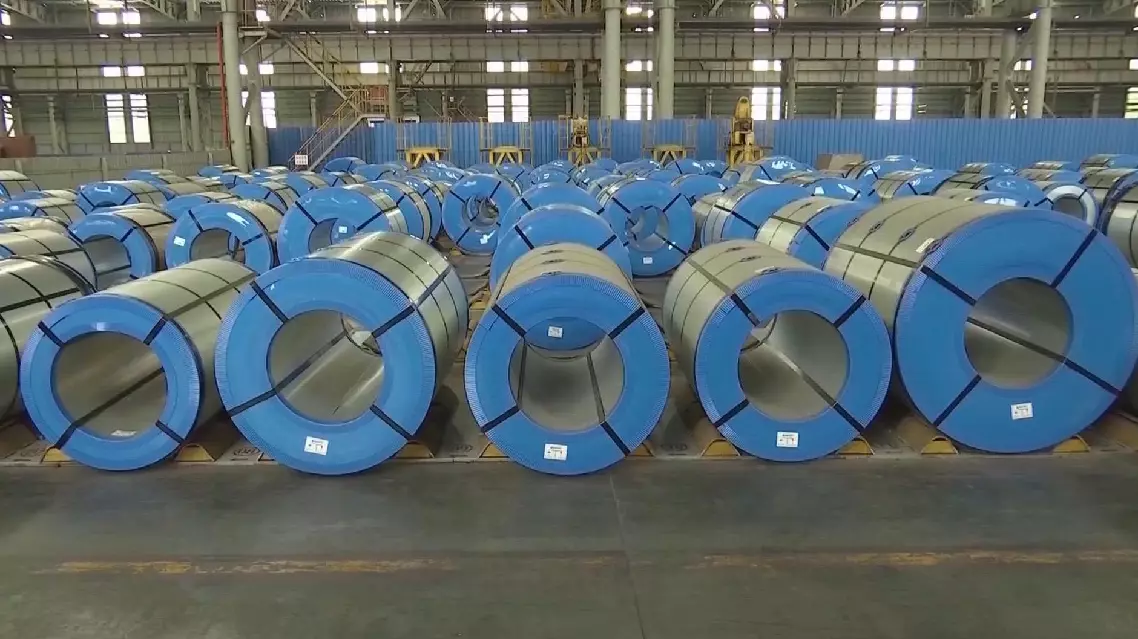
Aluminum prices climb as effects of Middle East tensions spread through global economy