Xi Jinping, general secretary of the Communist Party of China (CPC) Central Committee, has emphasized the importance of improving long-term mechanisms for cyberspace governance.
Presiding over a group study session of the Political Bureau of the CPC Central Committee on Friday, Xi called for sustained efforts to cultivate a clean, healthy and sound online environment.
Since the 18th CPC National Congress in 2012, the Party has accorded high priority to cyberspace governance, consistently reinforcing mainstream values, mainstream opinions and mainstream culture on the internet, and effectively combating unhealthy online content, Xi said, noting that the overall online environment has witnessed positive strides.
Emphasizing the critical role of cyberspace governance within national governance, Xi underscored the need to strengthen the comprehensive governance framework and foster coordinated efforts under the centralized, unified leadership of the CPC Central Committee.
He stressed the need to strengthen guidance of online platforms, independent media creators, and multi-channel internet entities, and urge them to shoulder social responsibilities and serve as disseminators of positive energy.
Xi highlighted the importance of making the internet a vital front for theoretical guidance, moral cultivation, and cultural inheritance.
Pointing out that unhealthy online content pollutes social morals and harm the public interests, Xi called for the courage to take resolute action against them and for efforts to cut off the networks of interests and industrial chains behind, and to remove the breeding grounds and conditions for their emergence.
Xi noted that the continuous emergence of new technologies and applications, such as artificial intelligence and big data, presents challenges to cyberspace governance while offering new avenues for support. He stressed the importance of encouraging the development of new technologies in cyberspace.
Acknowledging that cyberspace governance is a common challenge for all countries, he emphasized the importance of international collaboration to combat illegal and criminal activities online and to advance the building of a community with a shared future in cyberspace.
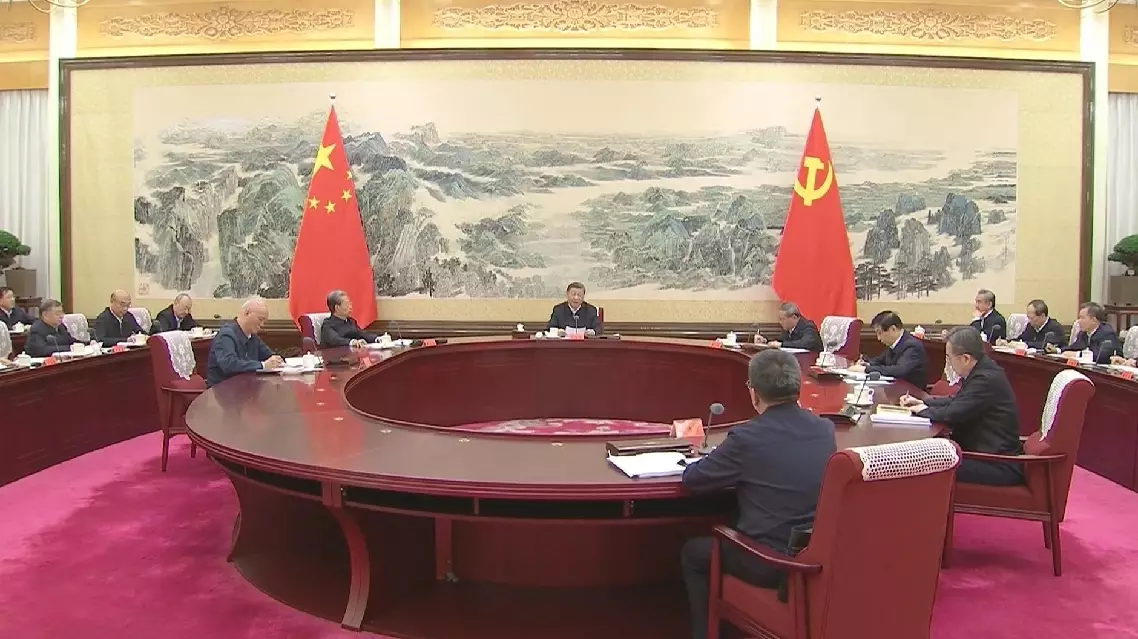
Xi stresses improving long-term mechanisms for cyberspace governance
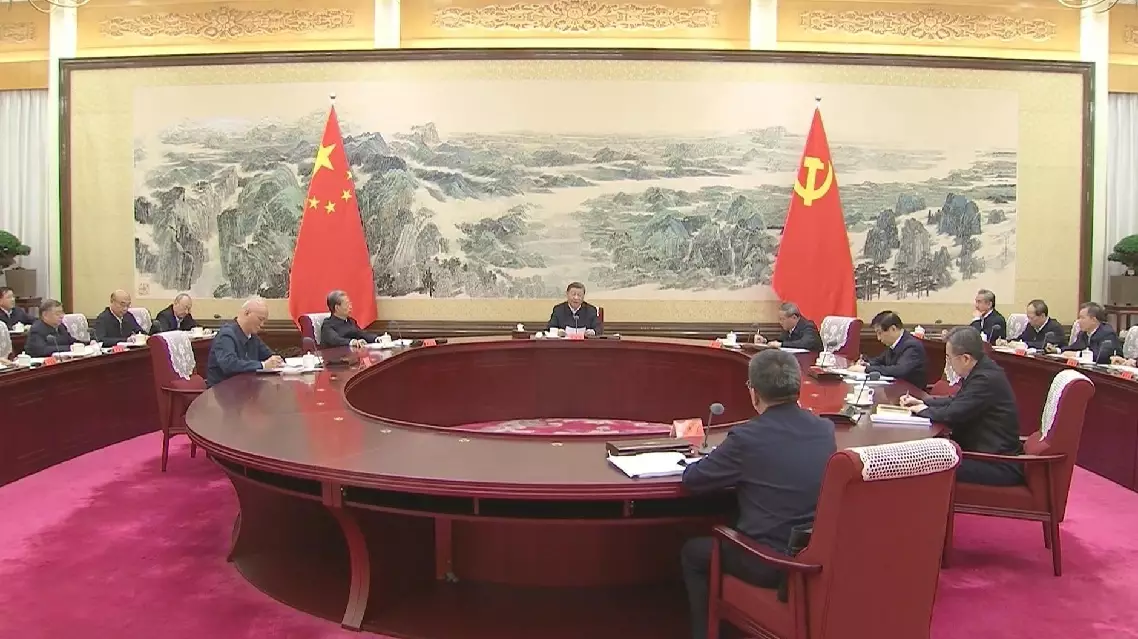
Xi stresses improving long-term mechanisms for cyberspace governance
The price of aluminum, a key industrial metal used in automotive manufacturing, construction and packaging, has been climbing as production cuts in the Gulf region, logistical constraints and Iranian attacks on two regional producers over the weekend tightened supply.
On March 31, the benchmark London Metal Exchange (LME) three-month price for aluminum rose to 3,535 U.S. dollars per metric ton, a year-on-year increase of around 40 percent.
Iran's Islamic Revolutionary Guard Corps (IRGC) said on Sunday that they launched missile and drone strikes on aluminum plants in Bahrain and the UAE that are linked to the U.S. military and aerospace industries, in retaliation for U.S.-Israeli attacks on Iranian steel factories.
Emirates Global Aluminium issued a statement saying that its Al Taweela site in the Khalifa Economic Zone in Abu Dhabi was severely damaged after Iranian strikes, with some employees injured.
Aluminum Bahrain confirmed in a statement on Sunday that some of its facilities were struck by Iranian attacks, resulting in injuries to two employees.
The two aluminum plants have a combined annual output of 3.2 million tons, more than half of the approximately 6 million tons of aluminum produced every year by Gulf Cooperation Council (GCC) member states.
The region is a key source of aluminum supply, accounting for about 9 percent of global production.
Goldman Sachs on Tuesday raised its LME aluminum price forecast from 3,200 U.S. dollars to 3,450 U.S. dollars per ton for the second quarter of 2026 after the attacks on the facilities.
Goldman Sachs also predicted a global primary aluminum market supply deficit of 570,000 tons in 2026, a sharp turnaround from its previous forecast of a 550,000-ton surplus.
Analysts point out that the aluminum market is currently facing multiple shocks, with shipping in the Strait of Hormuz disrupted, aluminum production facilities in the Gulf damaged or even shut down, and production in other parts of the world currently limited.
The impact will also spread to downstream enterprises in the coming months, with higher-cost aluminum alloys, primarily used in the aerospace, automotive, and construction industries, facing the most constrained supply, analysts said.
The Gulf region has long been a significant source of these high-end products, particularly for the European market, and also supplies manufacturers in the United States.
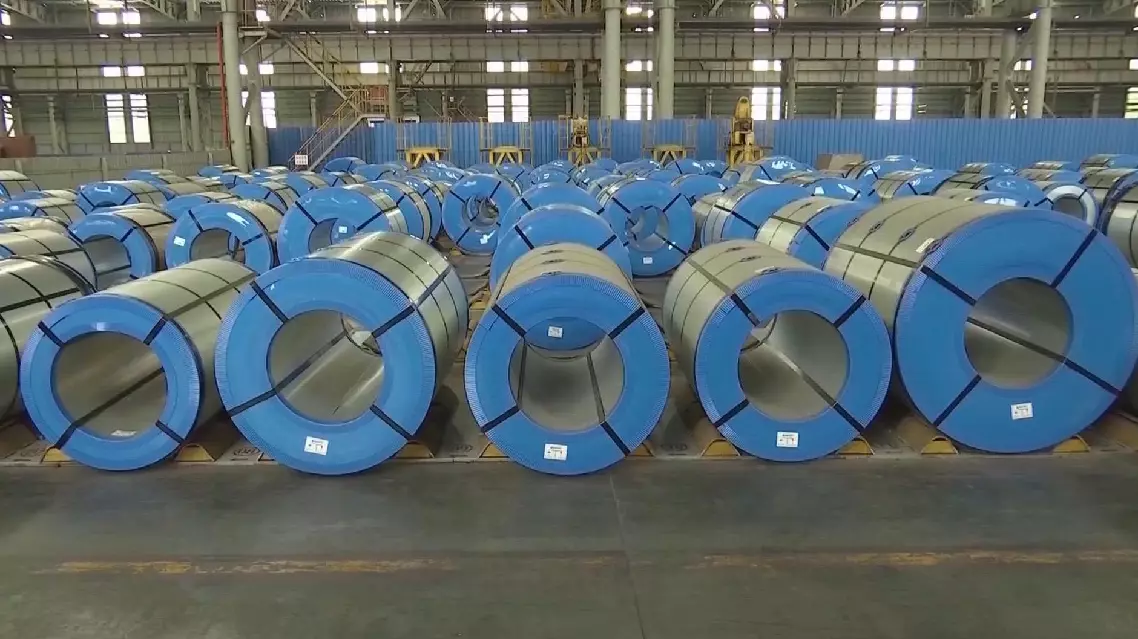
Aluminum prices climb as effects of Middle East tensions spread through global economy