More than two and a half years of conflict between the Sudanese army and the paramilitary Rapid Support Forces (RSF) has taken a heavy toll on the country's economy, environment and public health.
Across the country, damaged factories, leaking chemicals, and collapsing public services are threatening the health of millions.
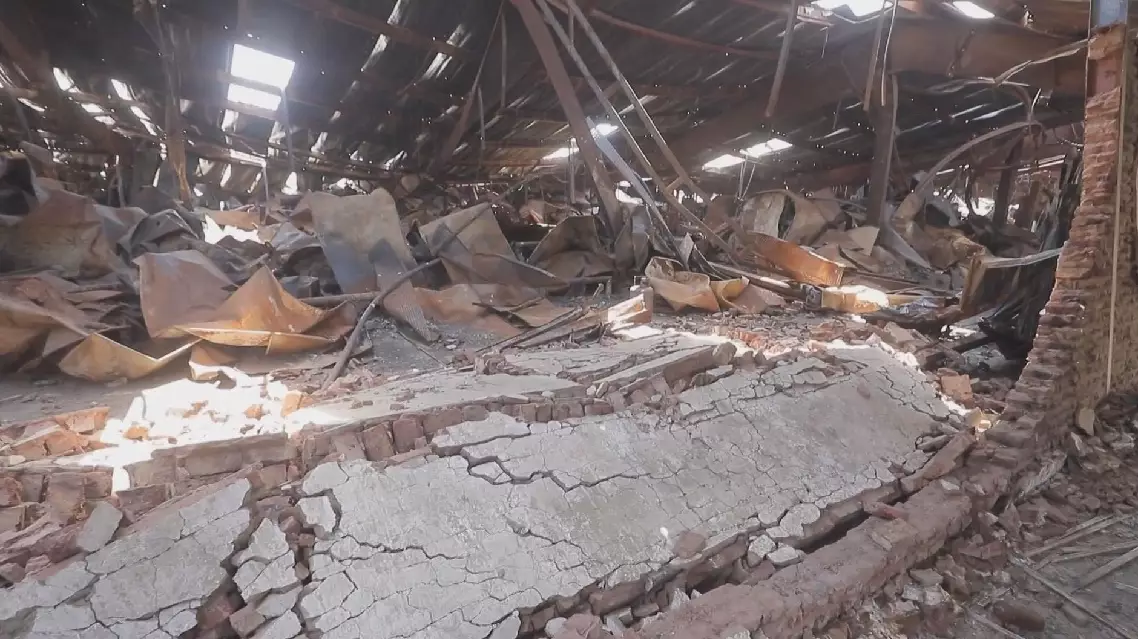
"Our factory was hit, and we lost control of the stored materials. RSF burned large parts of it, and we were worried about leaks, but there was no access for repairs and no authorities to manage the site safely," said Mamoun Geely, a factory owner in the Omdurman Industrial Area.
In Khartoum, critical industrial and energy infrastructure lies in ruins. Some sites still contain hazardous chemicals and their proximity to homes means pollution is seeping directly into communities already facing deep hardship.
"The capital was occupied by the RSF militia for two years. Health facilities were occupied as well and became a breeding environment for diseases. This prevented any efforts to defeat the pandemics, as the state was a war zone. Medical staff were targeted and killed, and ambulances were looted," said Taha Bedawi, an environmental expert.
Buildings destroyed by explosive weapons have released materials like asbestos, a dangerous source of chronic respiratory illness. With no capacity to clear the rubble, families remain exposed to toxic dust.
Water and sanitation plants have been destroyed, leaving waste systems non-functional. Solid waste now accumulates in open areas, draining into the Nile and increasing the risk of major disease outbreaks.
For families living near industrial zones, pollution has become a part of their daily life. Contaminated water is fueling diseases like malaria, cholera, and typhoid.
"I got sick a few days after returning home. I have dengue fever and typhoid. Most of my family members are sick. The pollution is everywhere," said Insaf Mohamed, a patient.
Health professionals are calling for urgent intervention as Sudan faces environmental damage that may take years even decades to repair.
Sudan conflict takes heavy toll on industries, environment, public health
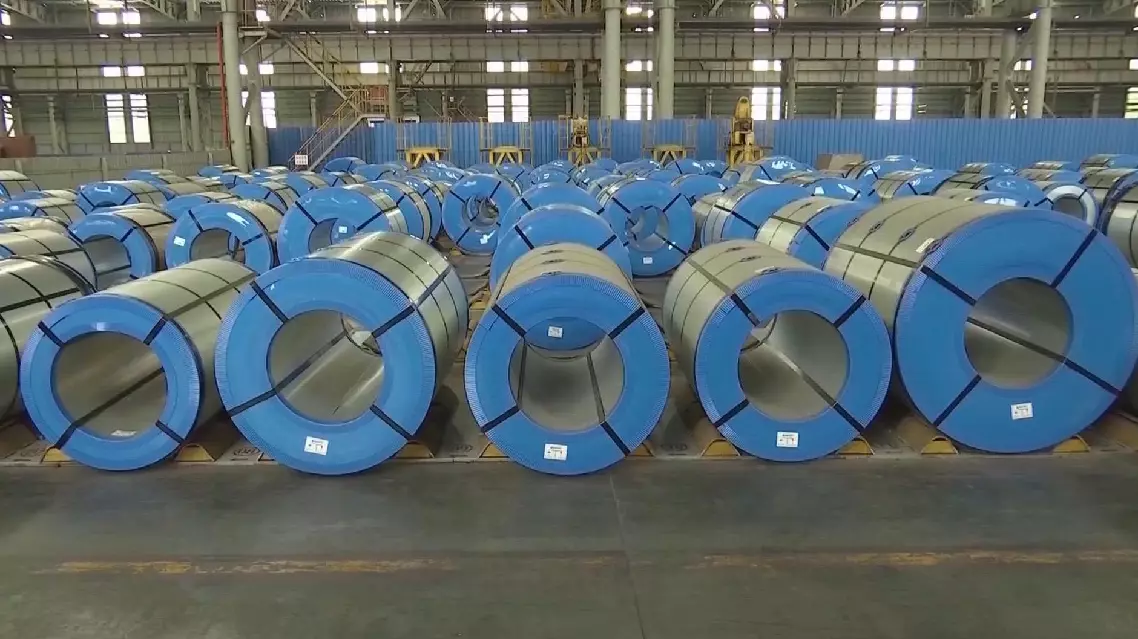
The price of aluminum, a key industrial metal used in automotive manufacturing, construction and packaging, has been climbing as production cuts in the Gulf region, logistical constraints and Iranian attacks on two regional producers over the weekend tightened supply.
On March 31, the benchmark London Metal Exchange (LME) three-month price for aluminum rose to 3,535 U.S. dollars per metric ton, a year-on-year increase of around 40 percent.
Iran's Islamic Revolutionary Guard Corps (IRGC) said on Sunday that they launched missile and drone strikes on aluminum plants in Bahrain and the UAE that are linked to the U.S. military and aerospace industries, in retaliation for U.S.-Israeli attacks on Iranian steel factories.
Emirates Global Aluminium issued a statement saying that its Al Taweela site in the Khalifa Economic Zone in Abu Dhabi was severely damaged after Iranian strikes, with some employees injured.
Aluminum Bahrain confirmed in a statement on Sunday that some of its facilities were struck by Iranian attacks, resulting in injuries to two employees.
The two aluminum plants have a combined annual output of 3.2 million tons, more than half of the approximately 6 million tons of aluminum produced every year by Gulf Cooperation Council (GCC) member states.
The region is a key source of aluminum supply, accounting for about 9 percent of global production.
Goldman Sachs on Tuesday raised its LME aluminum price forecast from 3,200 U.S. dollars to 3,450 U.S. dollars per ton for the second quarter of 2026 after the attacks on the facilities.
Goldman Sachs also predicted a global primary aluminum market supply deficit of 570,000 tons in 2026, a sharp turnaround from its previous forecast of a 550,000-ton surplus.
Analysts point out that the aluminum market is currently facing multiple shocks, with shipping in the Strait of Hormuz disrupted, aluminum production facilities in the Gulf damaged or even shut down, and production in other parts of the world currently limited.
The impact will also spread to downstream enterprises in the coming months, with higher-cost aluminum alloys, primarily used in the aerospace, automotive, and construction industries, facing the most constrained supply, analysts said.
The Gulf region has long been a significant source of these high-end products, particularly for the European market, and also supplies manufacturers in the United States.
Aluminum prices climb as effects of Middle East tensions spread through global economy