The Boao Forum for Asia (BFA) held its regional meeting in Saudi Arabia on Thursday, with energy transition and sustainability topping the agenda in the Riyadh talks.
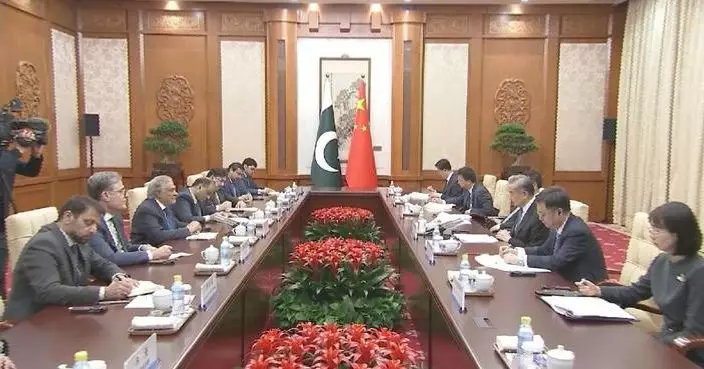
The BFA Riyadh Conference 2025 marked the second time the forum has chosen the Saudi capital to host the regional meeting. Co-hosted by the BFA and Saudi Basic Industries Corporation (SABIC), the conference featured two sessions: The Way to Enhance Economic Resilience and Energy Transition and Sustainable Development. More than 300 attendees from political, business, and academic sectors, spanning over 10 countries and various international organizations, attended the conference.
The meeting highlighted the Saudi model for development and transitioning its economy away from carbon-based energy. This initiative is part of the strategic partnership between the forum and SABIC.
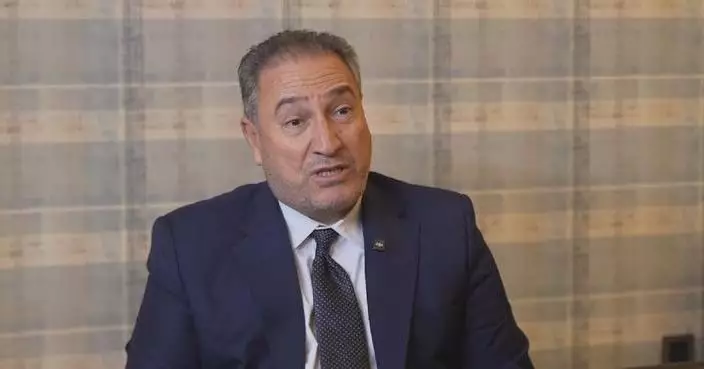
"We look at this as more of a bridge between Saudi Arabia and China. We're a big customer of Chinese OEMs and plenty of the equipment that we buy, they are customers of SABIC, Saudi petrochemical companies. So it is a bridge that is deepening the relationship. We're excited to see Boao Forum for the second year in a row happening in Saudi Arabia and hopefully for many years to come," said Saleh Al Khabti, China president of Saudi energy company ACWA Power.
"The BOAO forum is not only an opportunity for people to come and spend time in China. Increasingly, we are reaching out to the big engine rooms of global development. And so this new conference is a very important second step. It's the second time BOAO has been here, but it brings the right people together, minds, knowledge, finance and a projected forward view. It's a very important conversation not only for China, but also all of us who are needing to feel hopeful about global development, sustainable development and inclusion," said Jenny Shipley, former prime minister of New Zealand.
Composed of political and business leaders from across Asia and neighboring regions, the Boao Forum aims to set a path for sustainable development.
With a focus on boosting the continent's growth momentum, the meeting addressed the challenges faced by the smallest economies, ranging from social development to access to technology and finance.
"Asia's transformation is not without challenges. Many of its low income economies face substantial investment gaps in digital infrastructure and uneven distribution of green finance. Some economies rely on the export of resources, hence diminishing risk resilience. At the same time, they have to grapple with severe challenges posed by climate change. These issues further underscore the urgency for deepening pragmatic regional cooperation and enhancing transformative development. Amid global changes, China and Saudi Arabia have proactively advanced transformation practices," Leung Chun Ying, vice chairman of the 14th National Committee of the Chinese People's Political Consultative Conference, said at the meeting.
More importantly, BOAO is promoting solidarity among its participants in order to face common challenges.
"I come from New Zealand, which is a very open economy. We do not like the imposition of tariffs and we will work through those. They are a difficulty for many, but in the end we need to share the world economy. And tariffs simply protect a few and deny the opportunity for the many to engage. So New Zealand's voice will always be for multilateralism, for progress and trade together and an open environment," said Shipley, who also noted that many other economies are increasingly sharing New Zealand’s view on the matter.
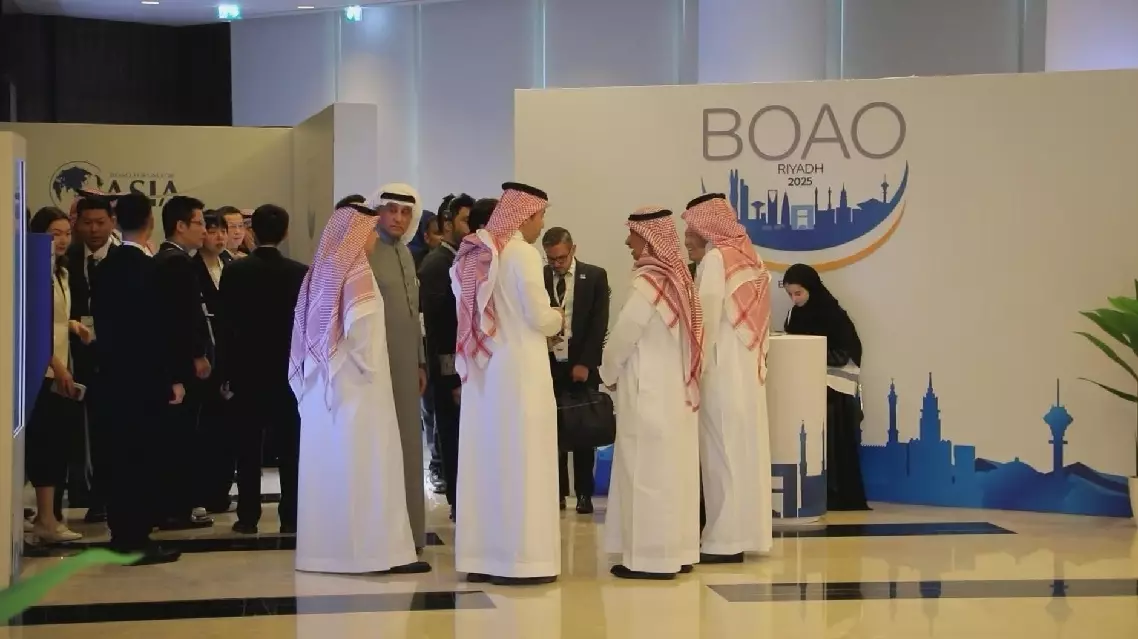
BFA Riyadh conference charts course for sustainable growth, energy transition