Skip to Content Facebook Feature Image

Ukrainians skeptical of Russia's desire for peace, hope for more favorable deal for Ukraine

HotTV

HotTV

HotTV

Ukrainians skeptical of Russia's desire for peace, hope for more favorable deal for Ukraine

2025-11-30 17:54 Last Updated At:12-01 15:37

Ukrainians have expressed skepticism about Russia's willingness to pursue peace, emphasizing that any final agreement on the Ukraine crisis must also serve their country's interests.

The U.S.-proposed 28-point "peace plan" was unveiled last week. Following its release, representatives from the United States, Ukraine and several European countries met in Geneva on Nov 23 to discuss the plan. Through discussions, the revised plan has been cut down to 19 points but not been made public, marking the latest shift in the ongoing diplomatic push to end the four-year-old war.

In the hope of finalizing the draft plan, U.S. President Donald Trump said Tuesday that he has directed his special envoy Steve Witkoff to meet with Russian President Vladimir Putin in Moscow, while Army Secretary Daniel Driscoll is expected to meet Ukrainian officials in the coming days.

As U.S. media reported, the initial "peace plan" required Ukraine to give up territory, curb its military and abandon its efforts to join the North Atlantic Treaty Organization (NATO), with Russia offering a promise to cease future attacks. This has raised concerns among the Ukrainian public, who suspect that the plan may have been presented by Russia.

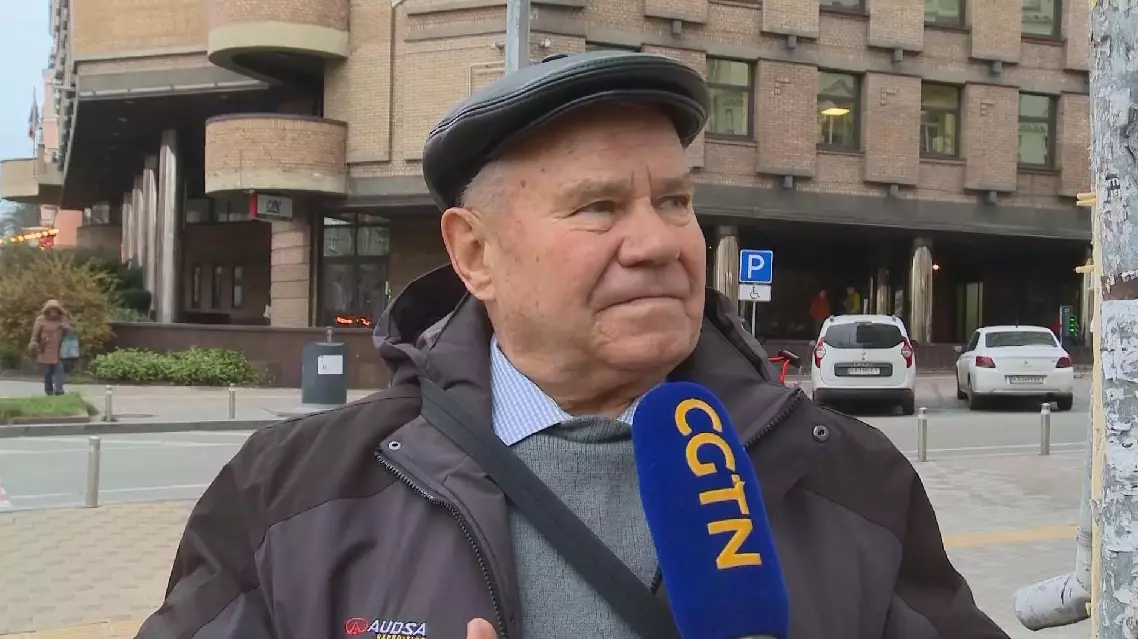
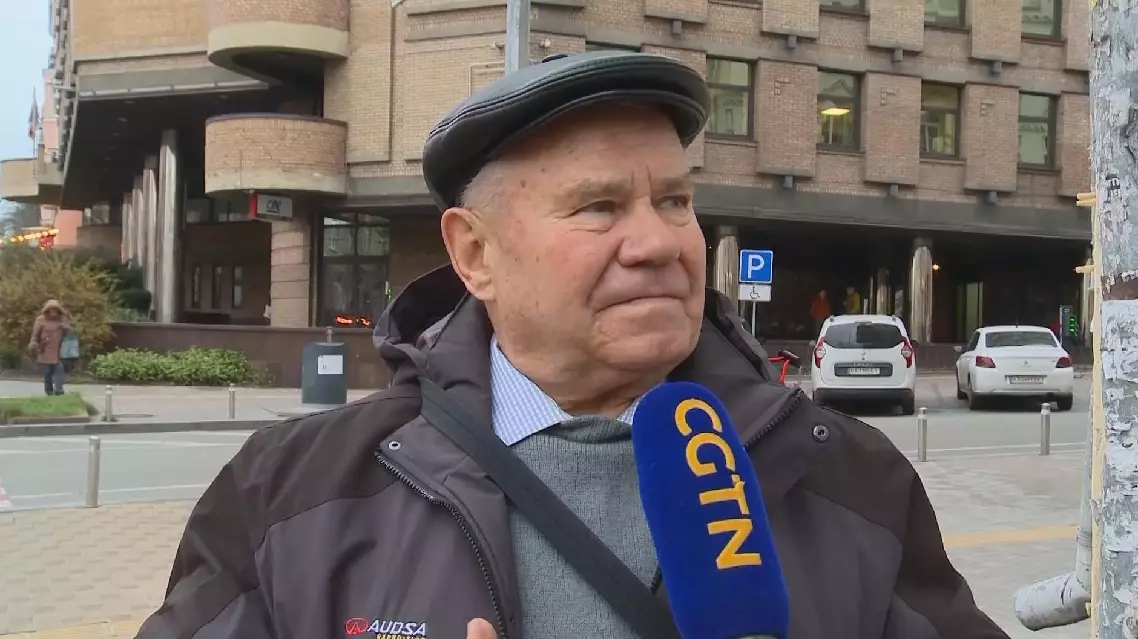
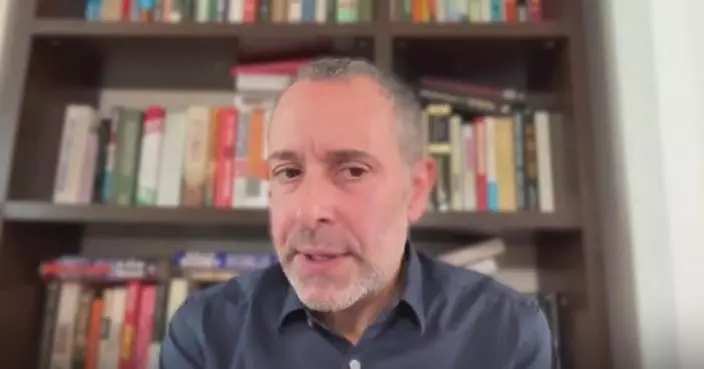
"On TV I heard that the 28-point plan was reduced to 22 or 19 points. This happened to us. Our relationship with Russia has become so antagonistic that it's unlikely that Putin will go for peace," said an elderly man in Kiev, the capital of Ukraine.

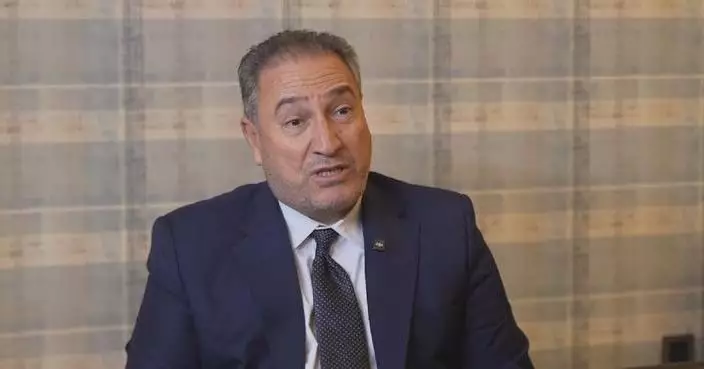
"In my opinion, this plan does not suit the country at all. The main thing is the reduction of the Armed Forces of Ukraine. Well, we reduced our troops, and Russians might attack again after some time. At the very least, all countries should sign an agreement that in the event of a repeated attack, everyone will send in their troops and start repelling the enemy's attack because we already do not have enough people to fight. Moreover, I think we cannot withstand a second attack," said a young man in the capital.

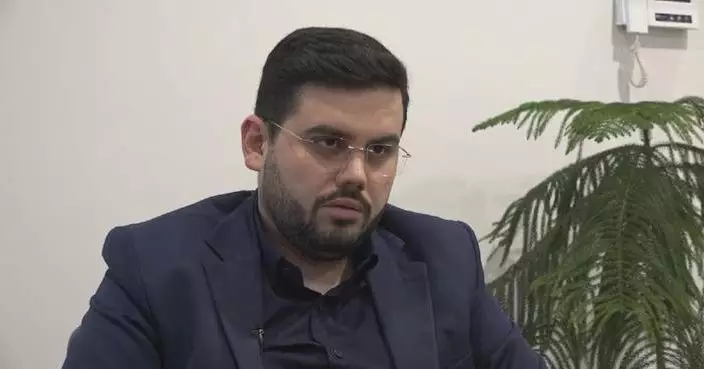
"I heard the news that this is not a peace plan from Trump, but rather [Putin's special envoy] Kirill Dmitriev presented this plan on behalf of the Russian Federation. Well, Russia does not intend to implement it; they don't need it," said another young man.

Ukrainians also called for continued resistance until fair conditions can be met.

"I believe that we need to fight till the end to ensure that these plans are favorable for Ukraine, not just for Trump and Russia. They are in unison. I see how many deaths there are; it is all a terrible judgment," said a woman in Kiev.
Ukrainians skeptical of Russia's desire for peace, hope for more favorable deal for Ukraine
Ukrainians skeptical of Russia's desire for peace, hope for more favorable deal for Ukraine
Ukrainians skeptical of Russia's desire for peace, hope for more favorable deal for Ukraine
Ukrainians skeptical of Russia's desire for peace, hope for more favorable deal for Ukraine

Ukrainians skeptical of Russia's desire for peace, hope for more favorable deal for Ukraine
Ukrainians skeptical of Russia's desire for peace, hope for more favorable deal for Ukraine
The price of aluminum, a key industrial metal used in automotive manufacturing, construction and packaging, has been climbing as production cuts in the Gulf region, logistical constraints and Iranian attacks on two regional producers over the weekend tightened supply.

On March 31, the benchmark London Metal Exchange (LME) three-month price for aluminum rose to 3,535 U.S. dollars per metric ton, a year-on-year increase of around 40 percent.

Iran's Islamic Revolutionary Guard Corps (IRGC) said on Sunday that they launched missile and drone strikes on aluminum plants in Bahrain and the UAE that are linked to the U.S. military and aerospace industries, in retaliation for U.S.-Israeli attacks on Iranian steel factories.

Emirates Global Aluminium issued a statement saying that its Al Taweela site in the Khalifa Economic Zone in Abu Dhabi was severely damaged after Iranian strikes, with some employees injured.

Aluminum Bahrain confirmed in a statement on Sunday that some of its facilities were struck by Iranian attacks, resulting in injuries to two employees.

The two aluminum plants have a combined annual output of 3.2 million tons, more than half of the approximately 6 million tons of aluminum produced every year by Gulf Cooperation Council (GCC) member states.

The region is a key source of aluminum supply, accounting for about 9 percent of global production.

Goldman Sachs on Tuesday raised its LME aluminum price forecast from 3,200 U.S. dollars to 3,450 U.S. dollars per ton for the second quarter of 2026 after the attacks on the facilities.

Goldman Sachs also predicted a global primary aluminum market supply deficit of 570,000 tons in 2026, a sharp turnaround from its previous forecast of a 550,000-ton surplus.

Analysts point out that the aluminum market is currently facing multiple shocks, with shipping in the Strait of Hormuz disrupted, aluminum production facilities in the Gulf damaged or even shut down, and production in other parts of the world currently limited.

The impact will also spread to downstream enterprises in the coming months, with higher-cost aluminum alloys, primarily used in the aerospace, automotive, and construction industries, facing the most constrained supply, analysts said.

The Gulf region has long been a significant source of these high-end products, particularly for the European market, and also supplies manufacturers in the United States.

Aluminum prices climb as effects of Middle East tensions spread through global economy

Aluminum prices climb as effects of Middle East tensions spread through global economy

Recommended Articles