A major new Chinese investment in Ras Al Khaimah, one of the United Arab Emirates' fastest-growing industrial hubs, is expected to boost the infrastructure development of the country and the Middle East.
China's Jianhua Holdings Group has officially entered the Middle East market with a 32 million U.S. dollars investment to build the region's first prestressed high-strength concrete factory.
The factory will be located inside the RAK Maritime City Free Zone, part of an industrial strategy centered on the new greenfield port expansion known as Saqr 2.0.
Spanning more than 46,000 square meters, the new factory is expected to create up to 500 jobs and bring in advanced Chinese technology to meet the region's rising demand for green construction.
"China is dominating several supply chains related to clean energy solutions - solar panels, wind turbines, pumped hydro storage, battery storage. Chinese firms can contribute by providing solutions for the clean energy goals of the UAE to address the growing demand for clean energy of the UAE and Ras Al Khaimah in particular," said Andrea Di Gregorio, executive director of the Energy Efficiency and Renewables Office of Ras Al Khaimah Municipality.
Saqr 2.0 is set to enhance the port's capacity and regional connectivity, and officials say Chinese participation further strengthens RAK's role as a northern gateway for Gulf trade.
"We are seeing a lot of interest from Chinese companies, and I think at a time of increasing protectionism and trade barriers, Ras Al Khaimah and the UAE really offer an open and transparent and welcoming environment for Chinese businesses. We pride ourselves on making it easy to do business here and we think that we could, through our location, offer Chinese businesses the opportunity to expand in a region that perhaps they haven't explored as much in the past," said Roy Anthony Cummins, CEO of RAK Ports.
Guo Qiang, general manager of Jianhua Holdings Group's Middle East operations, said the UAE's connectivity, stable regulatory environment, and access to regional markets make it a strategic choice for Chinese investment in the Middle East.
"After more than two years of market research and comparison, we found that the UAE's political stability, large and transparent market, strong inclusiveness and innovation mindset, and globally leading business environment make it undoubtedly the first choice for Chinese enterprises expanding into the Middle East. With the UAE's commitment to achieving net-zero emissions by 2050, the country is vigorously promoting industrialized construction systems and low-carbon, environmentally friendly green building materials. This creates substantial market demand and potential," said Guo.
From port expansions to sustainable industrial clusters, RAK's partnerships with Chinese institutions mark a shift toward high-technology, low-emissions infrastructure aligned with the UAE's net-zero goals. Chinese technology and investment are becoming integral to RAK's long-term growth story.
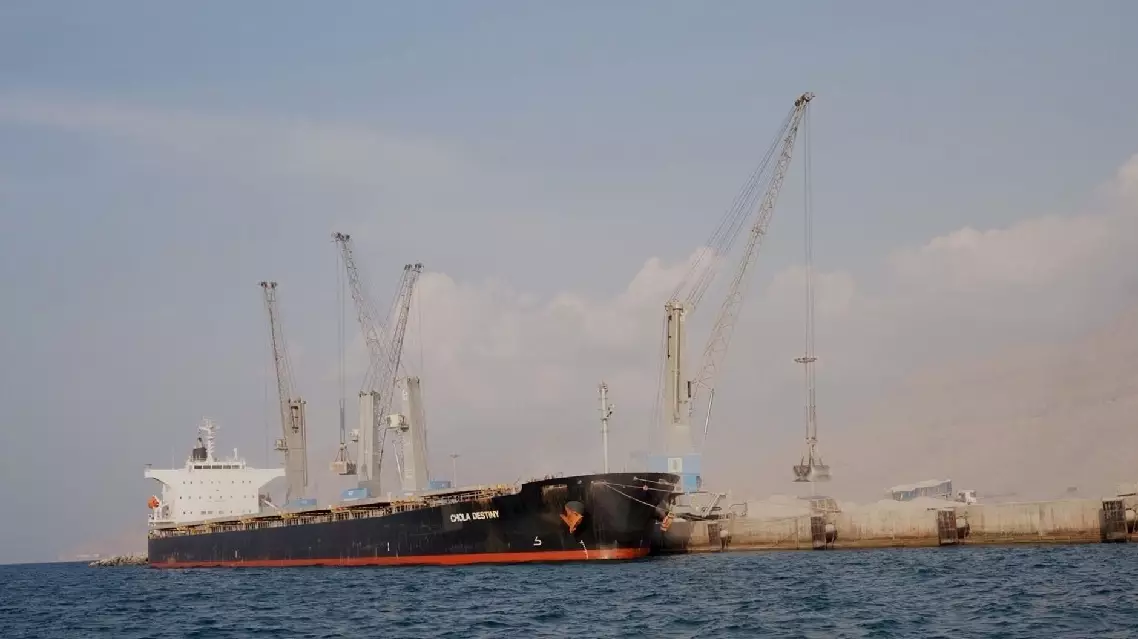
Chinese investment contributes to UAE's infrastructure development