Skip to Content Facebook Feature Image

Thousands attend protests against corruption in Philippines

HotTV

HotTV

HotTV

Thousands attend protests against corruption in Philippines

2025-12-01 02:58 Last Updated At:15:38

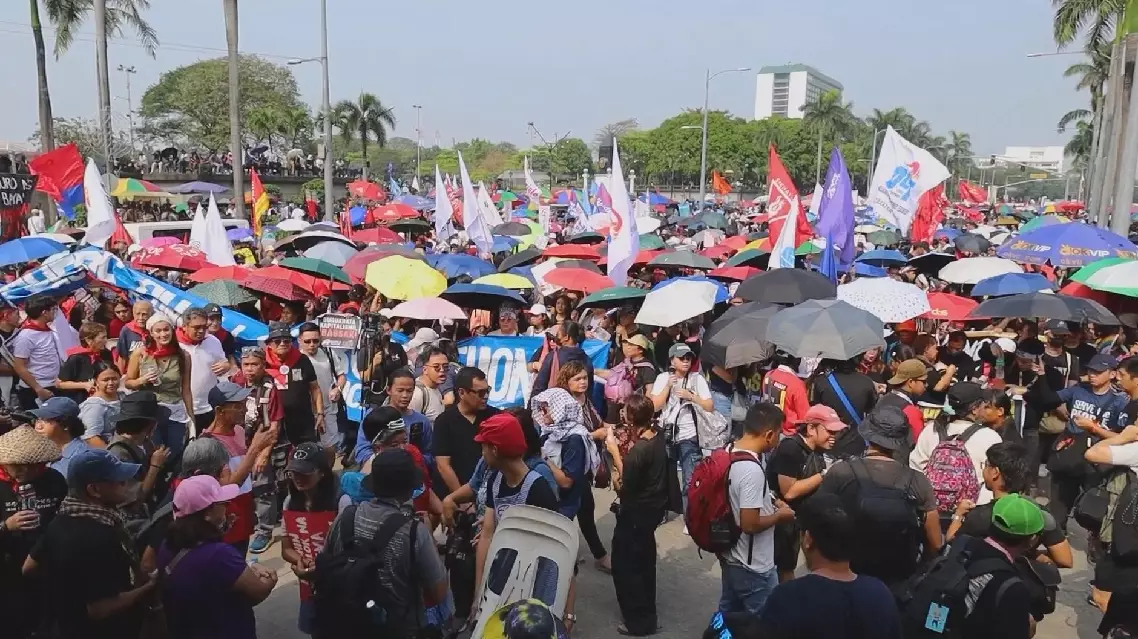
Thousands of people were pouring onto the streets of Manila on Sunday for a major anti-corruption rally in the Philippines capital.

Civil society groups, church leaders and concerned citizens were demanding accountability for what they allege is deep and systemic corruption across government agencies.

Demonstrations were also unfolding in other cities, reflecting growing nationwide frustration.

At Manila's Luneta Park, the energy was palpable. Chants rose from every corner, placards cut through the air, and a unified cry for accountability swept across the grounds. The mood was intense but orderly -- a blend of anger, exhaustion, and determination -- as Filipinos from every walk of life converged for one of the largest public protests in recent years.

The gathering, dubbed the "Trillion Peso March," was driven by allegations that over a trillion pesos in public funding had been lost to confidential allocations and procurement anomalies. Protesters expressed growing urgency to act following revelations that multi-billion-peso flood-control projects were never built -- projects they believe could have mitigated the deadly flooding from recent typhoons.

Throughout the park, some protesters wore crocodile masks, which organizers said symbolized corrupt officials who have fed off public funds for decades. The crowd included civil society groups, student coalitions, church communities, labor unions, and families. Participants emphasized that they were not calling for the destabilization of the government.

"The plan for today is to get people to assemble, to get people to speak out, to get people to express themselves, to perform to express their anger. We are not about to limit the anger of the people if they feel that their anger extends to the president or vice president," said Renato Reyes, president of the Bagong Alyansang Makabayan.

"The students are currently protesting here because of the ghost flood control issues and also the current crisis in our education system due to the corruption. Because corruption not only kills, corruption not only causes flood, but corruption also steals our future," said Ceejay Bebis, a student activist.

To maintain order, authorities deployed 16,000 police officers across Metro Manila, with a significant presence at the protest site. The movement was not confined to the capital -- parallel marches took place in cities and provinces nationwide, signaling that the call for accountability is not isolated. For many Filipinos, it reflects a public demand that has been building for years.
Thousands attend protests against corruption in Philippines
Thousands attend protests against corruption in Philippines
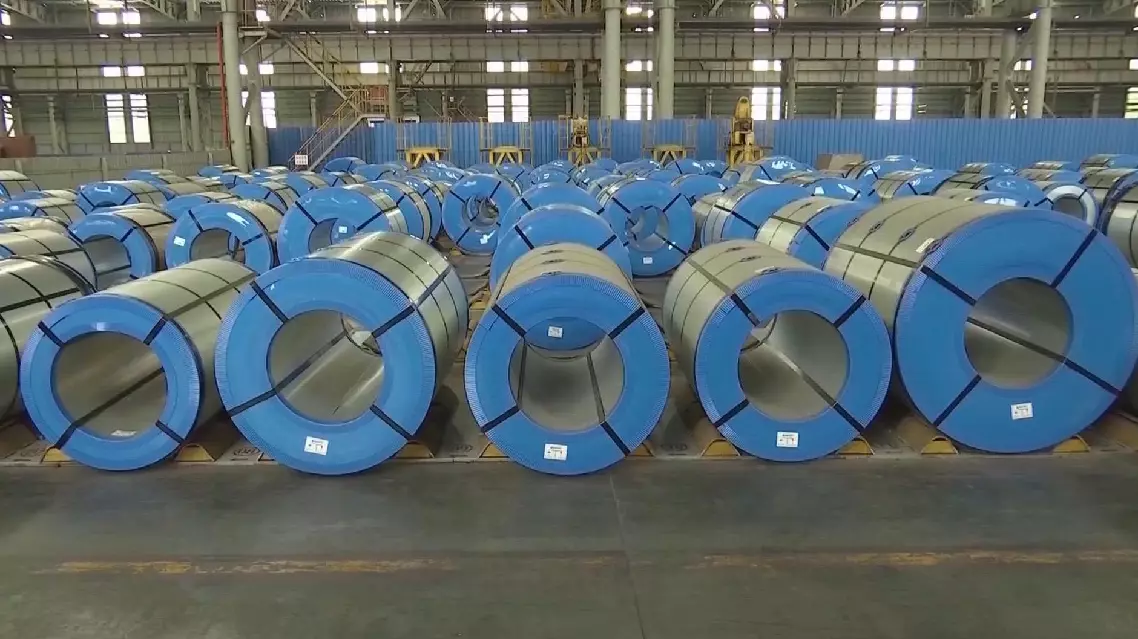
The price of aluminum, a key industrial metal used in automotive manufacturing, construction and packaging, has been climbing as production cuts in the Gulf region, logistical constraints and Iranian attacks on two regional producers over the weekend tightened supply.

On March 31, the benchmark London Metal Exchange (LME) three-month price for aluminum rose to 3,535 U.S. dollars per metric ton, a year-on-year increase of around 40 percent.

Iran's Islamic Revolutionary Guard Corps (IRGC) said on Sunday that they launched missile and drone strikes on aluminum plants in Bahrain and the UAE that are linked to the U.S. military and aerospace industries, in retaliation for U.S.-Israeli attacks on Iranian steel factories.

Emirates Global Aluminium issued a statement saying that its Al Taweela site in the Khalifa Economic Zone in Abu Dhabi was severely damaged after Iranian strikes, with some employees injured.

Aluminum Bahrain confirmed in a statement on Sunday that some of its facilities were struck by Iranian attacks, resulting in injuries to two employees.

The two aluminum plants have a combined annual output of 3.2 million tons, more than half of the approximately 6 million tons of aluminum produced every year by Gulf Cooperation Council (GCC) member states.

The region is a key source of aluminum supply, accounting for about 9 percent of global production.

Goldman Sachs on Tuesday raised its LME aluminum price forecast from 3,200 U.S. dollars to 3,450 U.S. dollars per ton for the second quarter of 2026 after the attacks on the facilities.

Goldman Sachs also predicted a global primary aluminum market supply deficit of 570,000 tons in 2026, a sharp turnaround from its previous forecast of a 550,000-ton surplus.

Analysts point out that the aluminum market is currently facing multiple shocks, with shipping in the Strait of Hormuz disrupted, aluminum production facilities in the Gulf damaged or even shut down, and production in other parts of the world currently limited.

The impact will also spread to downstream enterprises in the coming months, with higher-cost aluminum alloys, primarily used in the aerospace, automotive, and construction industries, facing the most constrained supply, analysts said.

The Gulf region has long been a significant source of these high-end products, particularly for the European market, and also supplies manufacturers in the United States.

Aluminum prices climb as effects of Middle East tensions spread through global economy

Aluminum prices climb as effects of Middle East tensions spread through global economy

Recommended Articles