Oyster producers in Hiroshima, the heart of Japan's oyster industry, have been facing uncertainties as the country's political tensions with China exert pressure on the Japanese seafood export market.
Hiroshima accounts for around 60 percent of the Japan's total oyster output, with the region's geography providing ideal conditions for the industry.
"The secret behind the delicious flavor of Hiroshima oysters lies in the rivers. Thanks to the delta, freshwater mixing with seawater produces exceptionally rich plankton. I believe that is the key factor," said Hiromi Kakigimiyajima, an oyster seller in Hiroshima.
The prefecture is one of Japan's most iconic tourist destinations. It is also the home to two UNESCO World Heritage Sites, which draw millions of visitors each year.
Tourism and seafood have sustained businesses in Hiroshima for decades, providing plenty of employment at oyster processing plants in Hiroshima, where workers wash, sort, shuck, and package oysters before sending them off to distributors across Japan.
However, the industry is now straining amid tensions in China-Japan relations, triggered by Japanese Prime Minister Sanae Takaichi's provocative statements on China's Taiwan region on November 7, in which she claimed that a Taiwan contingency could constitute a "survival-threatening situation" for Japan, and implying that Japan might invoke the so-called "right to collective self-defense" for armed intervention across the Taiwan Strait. The wrongful statements have since drawn sharp criticism at home and from abroad.
Oyster companies in Hiroshima have expressed worries about the impact of the tensions, urging all involved to act honestly and in good faith.
"My concern is that although we want people worldwide to enjoy Japanese seafood, rumors and misinformation can create fear about Japanese products. That's the most painful thing for us as producers," said Kajita Kazumi, manager of Osafune Farms.
Producers also warn that any sign of hesitation abroad can ripple through the entire supply chain.
With peak oyster season approaching, many oyster farmers say all they can do is keep working, keep harvesting, and hope the political situation can be back on track, as the oyster industry is a livelihood for many locals.

Political tensions with China cast shadow on Japan's oyster industry
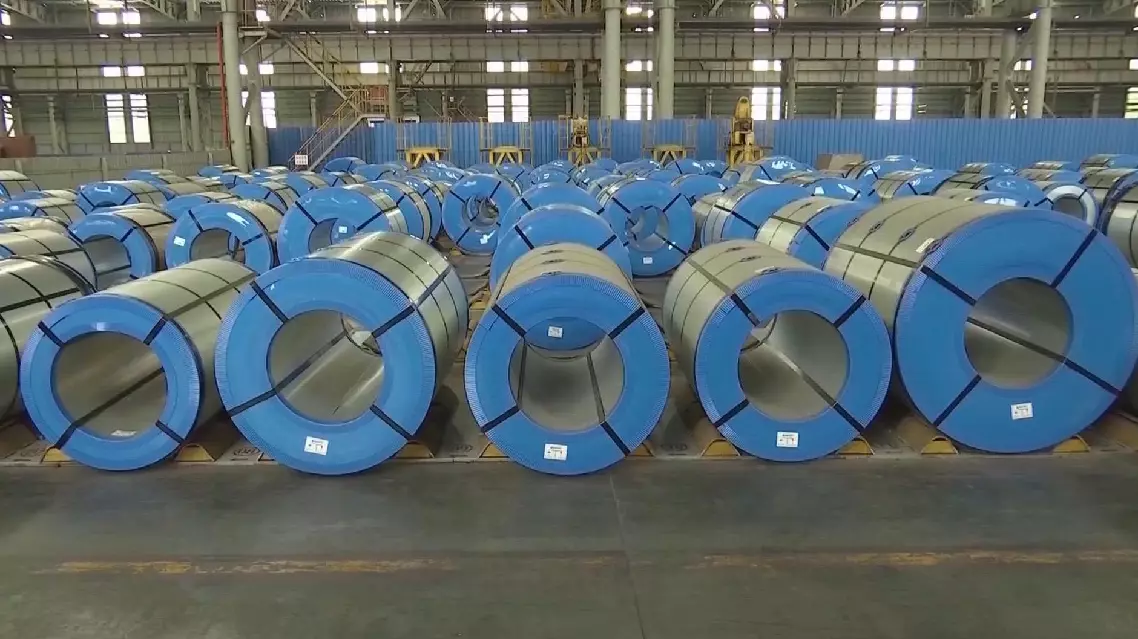
The price of aluminum, a key industrial metal used in automotive manufacturing, construction and packaging, has been climbing as production cuts in the Gulf region, logistical constraints and Iranian attacks on two regional producers over the weekend tightened supply.
On March 31, the benchmark London Metal Exchange (LME) three-month price for aluminum rose to 3,535 U.S. dollars per metric ton, a year-on-year increase of around 40 percent.
Iran's Islamic Revolutionary Guard Corps (IRGC) said on Sunday that they launched missile and drone strikes on aluminum plants in Bahrain and the UAE that are linked to the U.S. military and aerospace industries, in retaliation for U.S.-Israeli attacks on Iranian steel factories.
Emirates Global Aluminium issued a statement saying that its Al Taweela site in the Khalifa Economic Zone in Abu Dhabi was severely damaged after Iranian strikes, with some employees injured.
Aluminum Bahrain confirmed in a statement on Sunday that some of its facilities were struck by Iranian attacks, resulting in injuries to two employees.
The two aluminum plants have a combined annual output of 3.2 million tons, more than half of the approximately 6 million tons of aluminum produced every year by Gulf Cooperation Council (GCC) member states.
The region is a key source of aluminum supply, accounting for about 9 percent of global production.
Goldman Sachs on Tuesday raised its LME aluminum price forecast from 3,200 U.S. dollars to 3,450 U.S. dollars per ton for the second quarter of 2026 after the attacks on the facilities.
Goldman Sachs also predicted a global primary aluminum market supply deficit of 570,000 tons in 2026, a sharp turnaround from its previous forecast of a 550,000-ton surplus.
Analysts point out that the aluminum market is currently facing multiple shocks, with shipping in the Strait of Hormuz disrupted, aluminum production facilities in the Gulf damaged or even shut down, and production in other parts of the world currently limited.
The impact will also spread to downstream enterprises in the coming months, with higher-cost aluminum alloys, primarily used in the aerospace, automotive, and construction industries, facing the most constrained supply, analysts said.
The Gulf region has long been a significant source of these high-end products, particularly for the European market, and also supplies manufacturers in the United States.
Aluminum prices climb as effects of Middle East tensions spread through global economy