JAKARTA, Indonesia--(BUSINESS WIRE)--Dec 5, 2025--
KK Group, one of China’s leading lifestyle retail groups, today announced its official return to the Indonesian market, with a three-brand portfolio set to be introduced in phases starting this December. The relaunch marks the beginning of a long-term expansion plan that will see KK Group build a large-scale, multi-brand footprint in Indonesia.
This press release features multimedia. View the full release here: https://www.businesswire.com/news/home/20251205574981/en/
Founded in China, KK Group has developed an extensive lifestyle retail network across its home market and Southeast Asia, serving predominantly young, urban consumers. The Group operates more than 1,000 stores in over 200 cities across China and more than 150 stores in Southeast Asia, focusing on experiential, design-led retail formats that combine product curation with visual merchandising and in-store engagement.
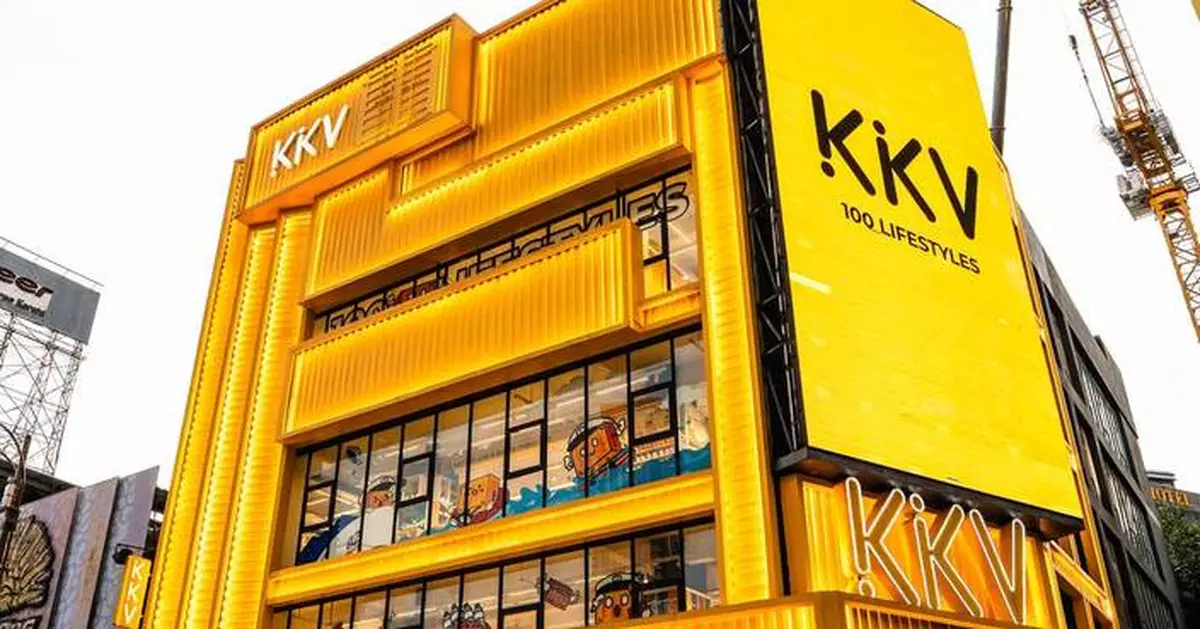
KK Group’s portfolio currently includes three core brands. KKV, the Group’s most widely recognized lifestyle brand in markets such as Indonesia, is a premium lifestyle concept offering over 20,000 SKUs across home goods, stationery, food and fashion, positioned as a destination store for everyday lifestyle needs. THE COLORIST is a large-scale beauty collection brand featuring international and local cosmetics and skincare labels in an experiential, color-driven environment. X11 is a trend culture concept store dedicated to art toys, anime collectibles and pop culture creativity, built around IP-driven products, immersive displays and youth-focused store design.
X11 will be the first brand to launch in Indonesia in December 2025. In the first wave, X11 will adopt a multi-city rollout covering Greater Jakarta, major hubs in Java, East Java’s economic centers, Bali and selected island markets, creating new trend culture destinations for young Indonesians.
KK Group’s three brands already operate in multiple Southeast Asian markets, where they have established a strong following among young shoppers. The Group’s flagship stores in Malaysia and Vietnam have attracted significant attention from consumers and local influencers, reflecting growing demand in the region for lifestyle retail concepts that combine product variety, visual identity and in-store experience.
Looking ahead, KK Group plans to introduce KKV and THE COLORIST to Indonesia in 2026 as part of a broader regional strategy. Over time, the Group aims to build a network of more than 500 stores across its three core brands in the Indonesian market. In addition, KK Group’s new pet-focused concept, PET TRIBES – which has recently launched in China – together with other potential partner brands, is being evaluated for future introduction to Indonesia to further enrich its multi-brand matrix. In the longer term, KK Group envisions operating more than 1,000 stores in Indonesia under this matrix, positioning the country as one of its most important international growth hubs.
“Indonesia has always been a key market for us in Southeast Asia,” said Rojen Wu, COO of KK Group International Business. “With KKV, THE COLORIST and X11, we are committed to building a comprehensive lifestyle retail ecosystem and bringing a refreshed retail experience to Indonesian consumers.”
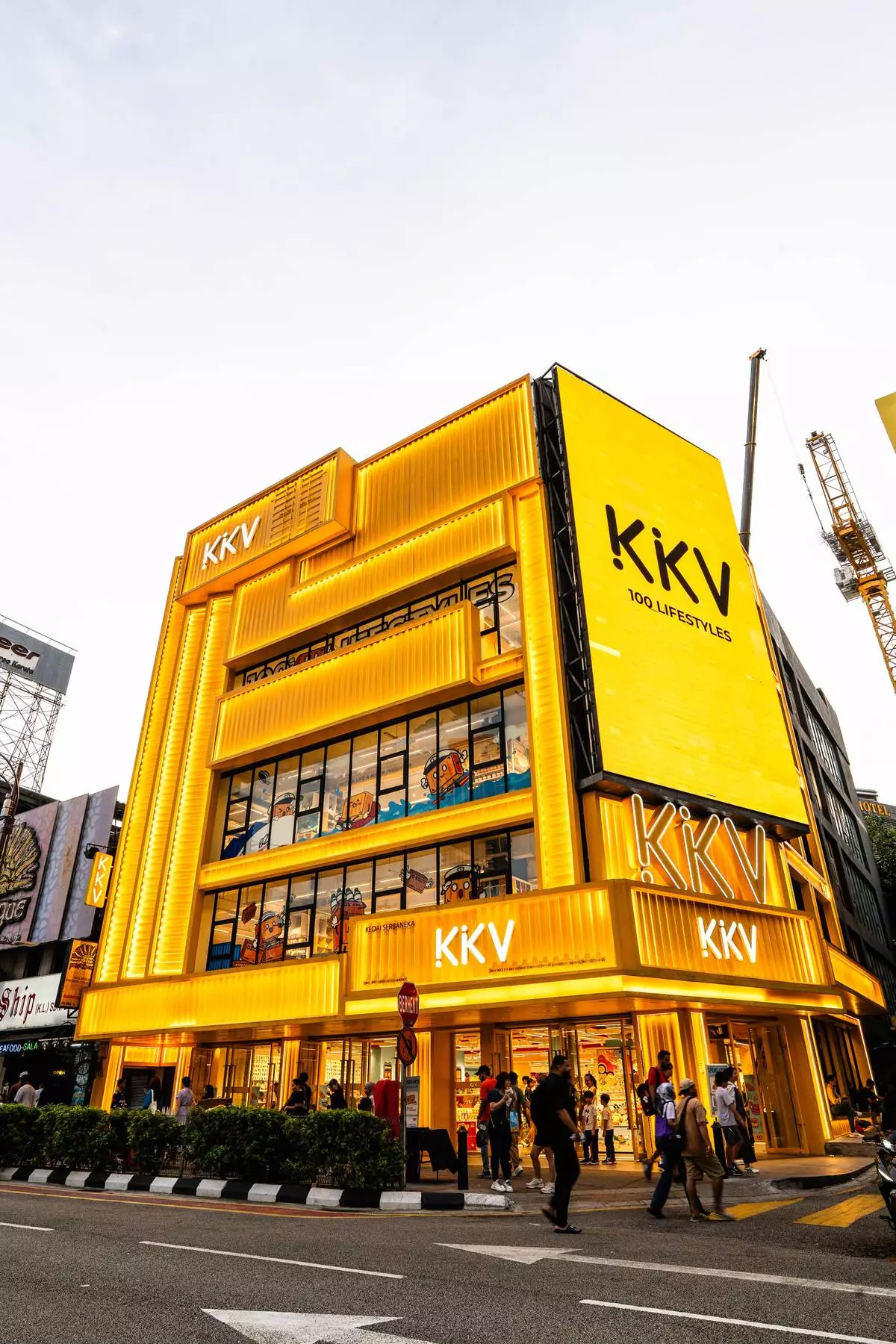
KKV Malaysia Flagship — Bukit Bintang Store Exterior View
NEW YORK (AP) — U.S. stocks are hanging near their records Wednesday as oil prices fall and ease the pressure on households and businesses worldwide.
The S&P 500 slipped 0.1% below its all-time high set the day before. The Dow Jones Industrial Average was up 183 points, or 0.4%, as of 12:56 p.m. Eastern time, and the Nasdaq composite was 0.1% lower.
Stocks of companies with big fuel bills helped lead the way on hopes that lower oil prices will remove a big drag on their profits. Norwegian Cruise Line Holdings climbed 5.7%, and United Airlines rallied 7.3%. Delta Air Lines rose 3.7% and is on track to set an all-time high.
The price for a barrel of Brent crude oil fell 4.1% to $95.48 after the ceasefire between the United States and Iran appeared to hold despite the U.S. military launching what it called “self-defense” strikes in southern Iran. A barrel of benchmark U.S. crude fell even more, 4.2%, to $89.69 on hopes that the United States and Iran can reach an agreement to reopen the Strait of Hormuz and allow oil tankers to exit the Persian Gulf for deliveries again.
Stocks have been able to run to records despite the painful inflation and uncertainty caused by high oil prices largely because companies have reported surprisingly strong profits for the start of 2026, and the forecast is for them to continue.
Bath & Body Works rallied 11.2%, and Abercrombie & Fitch climbed 11.8% after both reported bigger profit for the latest quarter than analysts expected. That's even as U.S. consumers continue to say they're feeling discouraged about the economy and inflation.
Lululemon Athletica rose 3.6% after reaching a deal with its founder, Chip Wilson, where it will add a former chief marketing officer of ESPN and a former co-CEO of On to its board of directors.
On the losing side of Wall Street was Dick's Sporting Goods, which dropped 4.9% despite delivering a profit for the latest quarter that edged past expectations. Analysts pointed to how much profit it wrung out of each $1 in revenue, which some called a bit weak.
Oil-and-gas stocks also sank, hurt by the dropping prices for crude. Exxon Mobil fell 1.4%, and Chevron slipped 0.8%. Halliburton dropped 3% to bring its gain for the year so far back toward 40%.
In the bond market, Treasury yields eased after falling oil prices took pressure off inflation. The yield on the 10-year Treasury slipped to 4.48% from 4.50% late Tuesday and from 4.67% roughly a week ago.
It’s a respite following recent gains for yields in bond markets worldwide, which threatened to slow economies and undercut prices for stocks and all kinds of other investments. High yields have already forced the average long-term U.S. mortgage rate to its most expensive level since last summer, and they could curtail companies’ borrowing to build the artificial-intelligence data centers that have supported the U.S. economy’s growth recently.
In stock markets abroad, indexes were mixed across Europe and Asia. South Korea's Kospi was one of the world's best performers and jumped 2.3% after SK Hynix, which is a big beneficiary of the artificial-intelligence boom, soared 9.3%.
A day before, Micron Technology surged to become the latest Big Tech company to be worth more than $1 trillion on AI excitement. Its stock has more than tripled already in 2026, and analysts at UBS said Tuesday it could soar even more because of how fundamentally AI has improved demand for computer memory.
AP Business Writer Elaine Kurtenbach contributed to this report.
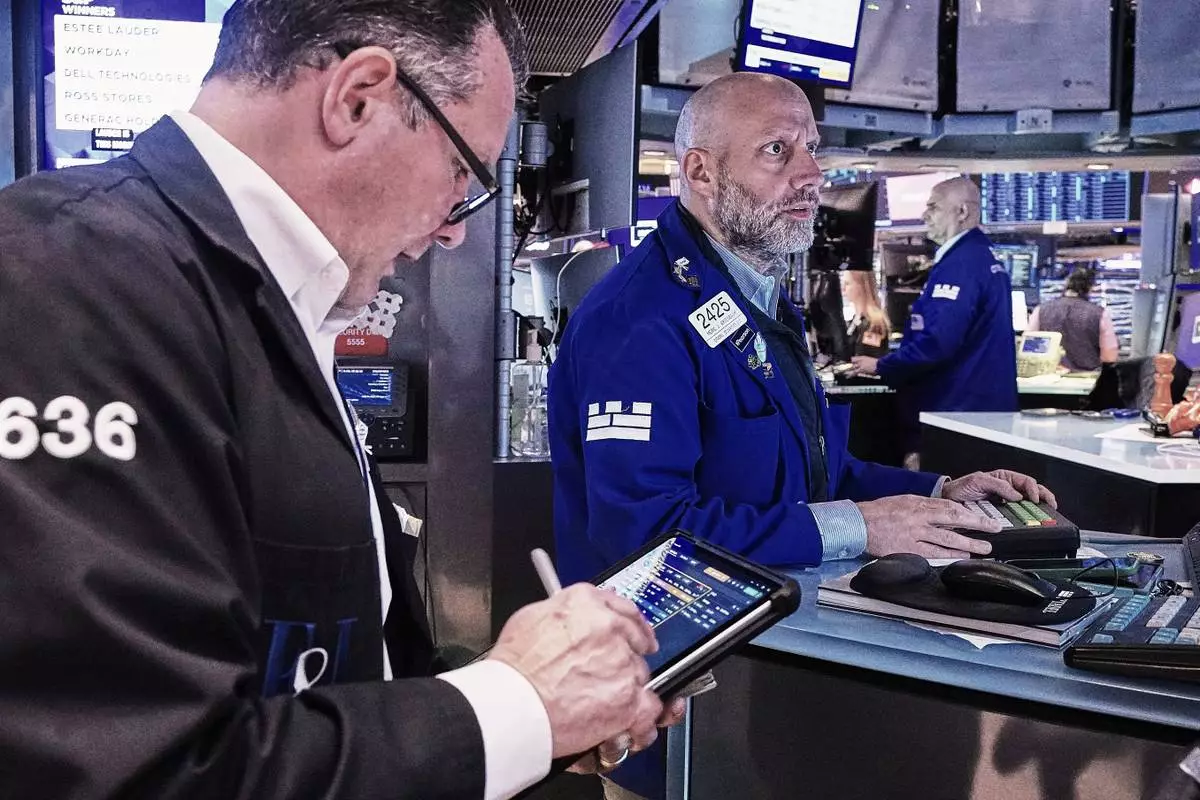
Trader Edward Curran, left, and specialist Meric Greenbaum, center, work on the floor of the New York Stock Exchange, Friday, May 22, 2026. (AP Photo/Richard Drew)
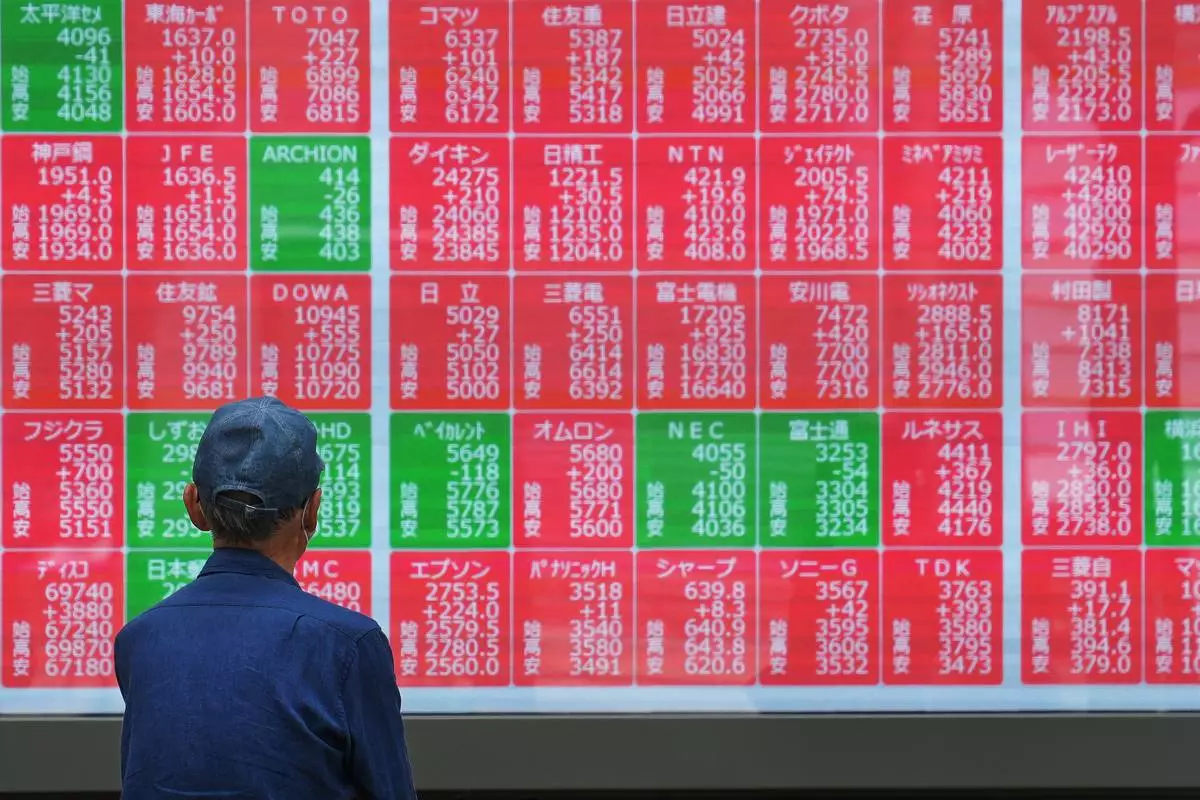
A person looks at an electronic stock board showing Japan's Nikkei index at a securities firm Monday, May 25, 2026, in Tokyo. (AP Photo/Eugene Hoshiko)
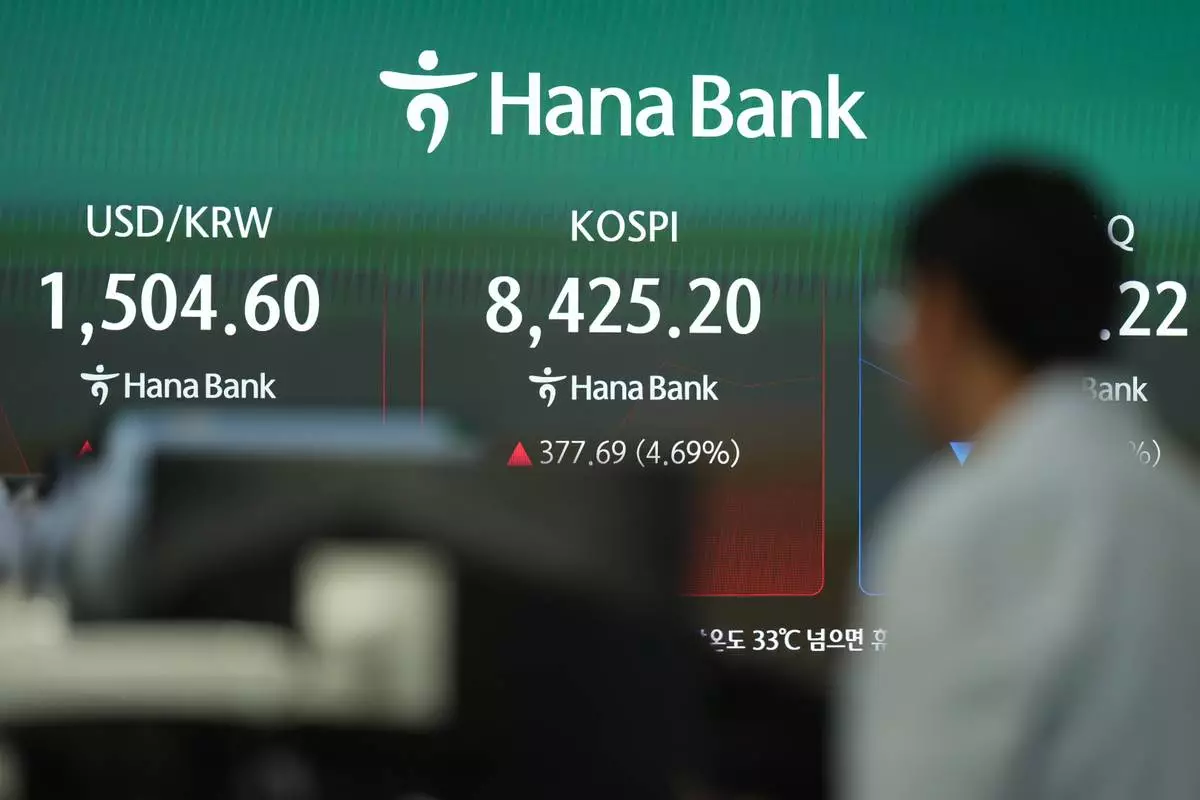
A dealer walks past near the screens showing the Korea Composite Stock Price Index (KOSPI) and the foreign exchange rate between U.S. dollar and South Korean won at a dealing room of Hana Bank in Seoul, South Korea, Wednesday, May 27, 2026. (AP Photo/Lee Jin-man)
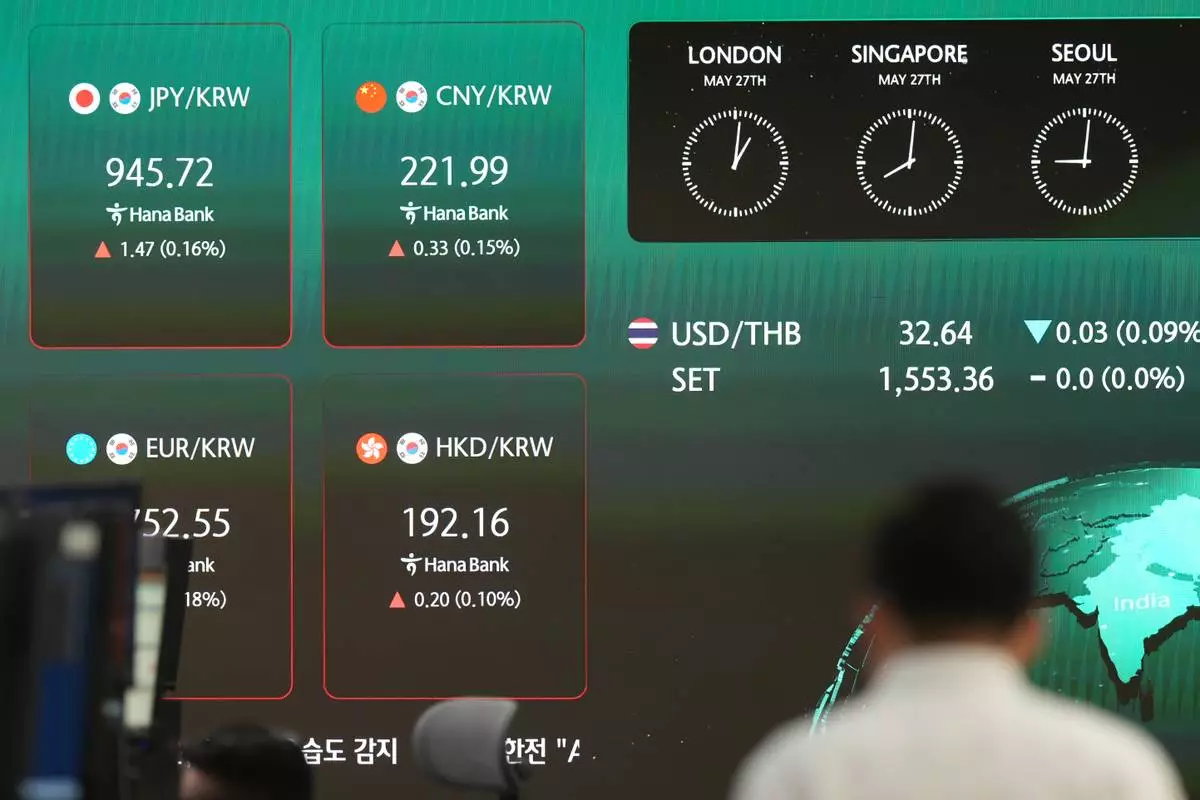
A dealer walks past near the screens showing the foreign exchange rates at a dealing room of Hana Bank in Seoul, South Korea, Wednesday, May 27, 2026. (AP Photo/Lee Jin-man)
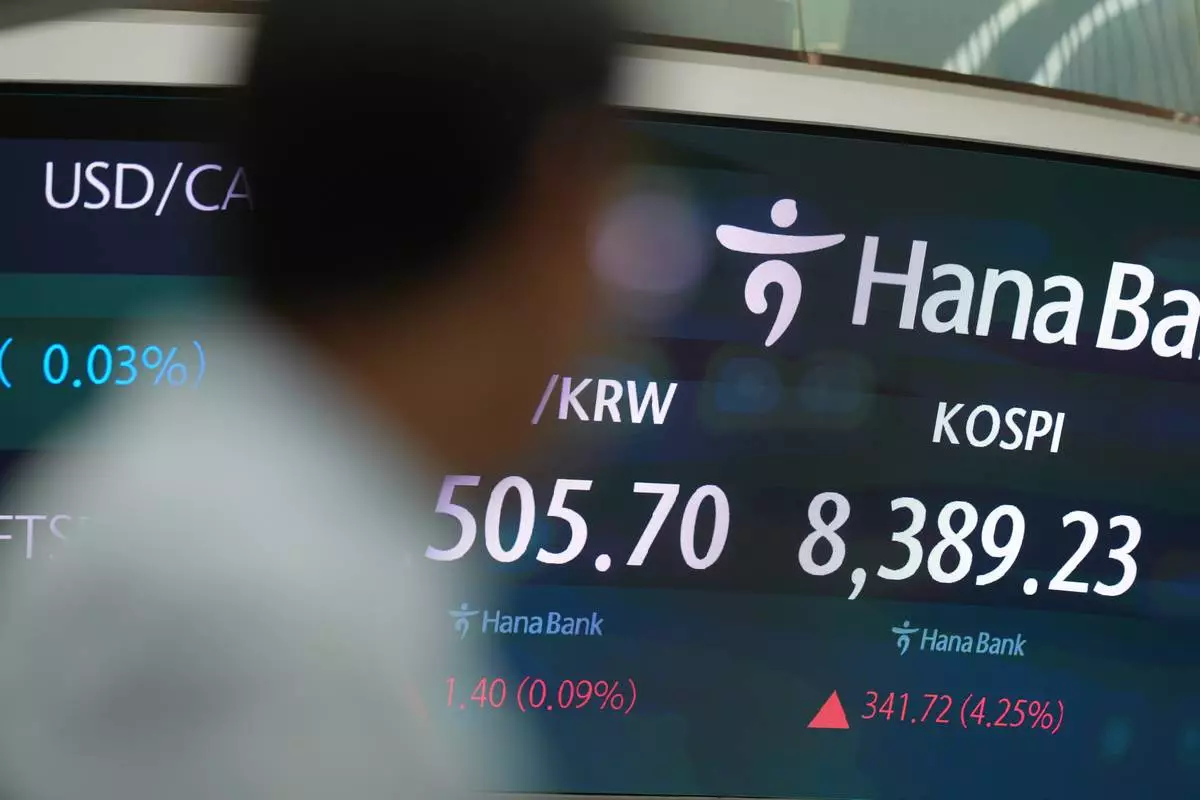
A dealer walks past near the screens showing the Korea Composite Stock Price Index (KOSPI) and the foreign exchange rate between U.S. dollar and South Korean won at a dealing room of Hana Bank in Seoul, South Korea, Wednesday, May 27, 2026. (AP Photo/Lee Jin-man)
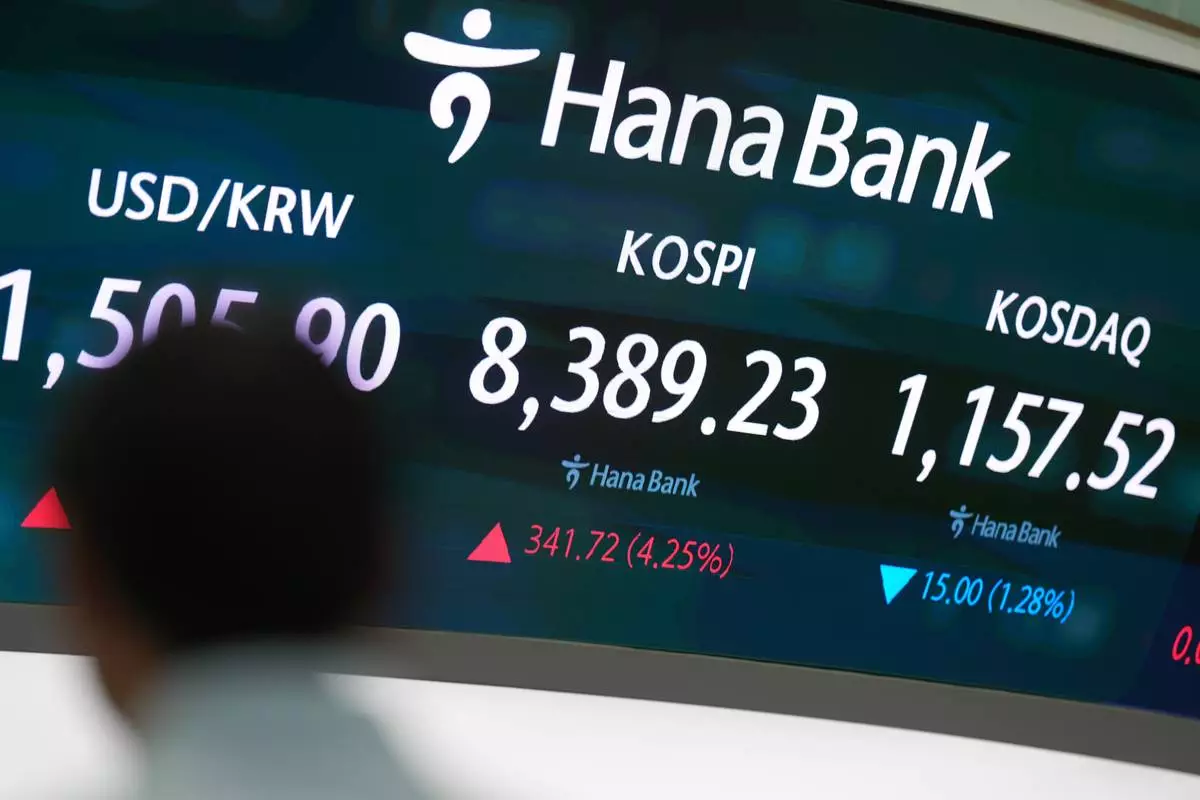
A dealer stands near the screens showing the Korea Composite Stock Price Index (KOSPI), the foreign exchange rate between U.S. dollar and South Korean won and the Korean Securities Dealers Automated Quotations (KOSDAQ) at a dealing room of Hana Bank in Seoul, South Korea, Wednesday, May 27, 2026. (AP Photo/Lee Jin-man)