When President Donald Trump suspended the refugee program on day one of his current administration, thousands of people around the world who'd been so close to a new life in America found themselves abandoned.
As part of Trump's crackdown on legal and illegal migration, the Republican president has upended the decades-old refugee program that has served as a beacon for those fleeing war and persecution. In October, he resumed the program but set a historic low of refugee admissions at 7,500 — mostly white South Africans.
Click to Gallery
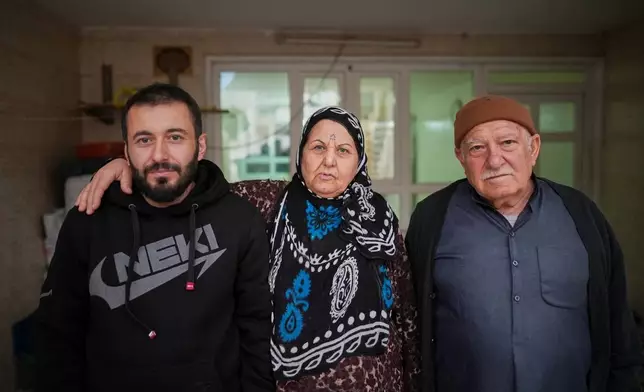
Syrian refugee Mohammed Dawood, 30, left, poses for a photo with his parents, Hayat Fatah, 65, center, and Abdulilah Amin Dawoud, 73, at their home in Irbil, Iraq, Nov. 16, 2025. (AP Photo/Farid Abdulwahed)
Lu Taizhi, a Chinese Christian who is waiting to be resettled in the United States, points to the webpage of the International Rescue Committee, which is under maintenance and not operational in Ban Wawee village, Chiang Rai Province, Thailand, Nov. 27, 2025. (AP Photo/ Tian Macleod Ji)
Syrian refugee Abdulilah Amin Dawoud, 73, poses for a picture at his home in Irbil, Iraq, Nov. 16, 2025. (AP Photo/Farid Abdulwahed)
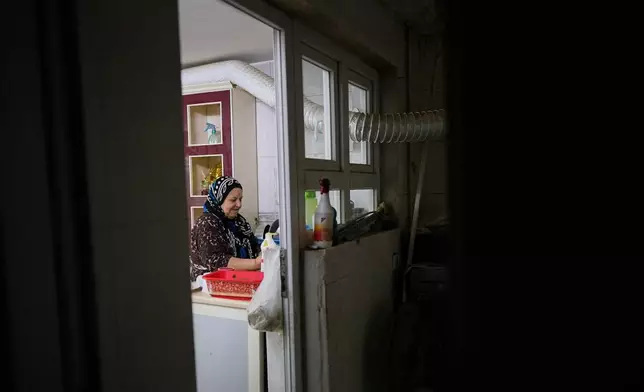
Syrian refugee Hayat Fatah, 65, cleans dishes at her home in Irbil, Iraq, Nov. 16, 2025. (AP Photo/Farid Abdulwahed)
Syrian refugee Mohammed Dawood, 30, left, poses for a photo with his parents, Hayat Fatah, 65, center, and Abdulilah Amin Dawoud, 73, at their home in Irbil, Iraq, Nov. 16, 2025. (AP Photo/Farid Abdulwahed)
New restrictions were announced after an Afghan national became the suspect in the shooting of two National Guard members last week. The Trump administration also plans a review of refugees let in during the Democratic Biden administration. Trump's administration has cited economic and national security concerns for its policy changes.
About 600,000 people were being processed to come to the U.S. as refugees when the program was halted, according to the administration. Aside from dozens of white South Africans let in this year, only about 100 others have been admitted as a result of a lawsuit by advocates seeking to restore the refugee program, said Mevlüde Akay Alp, a lawyer arguing the case.
The Associated Press spoke to three families whose lives have been thrown into disarray because of the changing policies.
The Dawoods fled civil war in Syria and settled in northern Iraq. They hoped to find a new home that could provide better medical care for a daughter who had fallen from the fourth floor of the family’s apartment building.
After they were accepted as refugees to the U.S., son Ibrahim and his sister Ava relocated to Connecticut in November 2024. His parents and one of his brothers were scheduled to fly in January.
But just two days before they were to board their flight, mother Hayat Fatah fainted at a medical check and her departure was postponed. Mohammed, another sibling, didn't want to leave his parents behind.
Nearly a year later, he and his parents are still waiting.
In America, Ibrahim wakes up early to tutor people online before going to his job as a math teacher at a private school, and then he takes care of his sister when he gets home. He said his mother often cries when they talk because she wishes she were in America to help care for her daughter.
Chinese Christian Lu Taizhi fled to Thailand more than a decade ago, fearing persecution for his beliefs. He’s lived in legal limbo since, waiting to be resettled in the United States.
Lu said he has long admired the U.S. for what he calls its Christian character — a place where he feels he and his family “can seek freedom.”
Lu was born into a family branded as “hostile elements” by the Chinese Communist Party for its land ownership and ties to a competing political party. A teacher and poet, Lu grew interested in history banned by the Chinese state, penning tributes to the bloody 1989 Tiananmen crackdown on pro-democracy protests in Beijing.
In 2004, Lu was arrested after police found poems and essays he secretly published criticizing Chinese politics and the education system. After his release, Lu became a Christian and began preaching, drawing scrutiny from local authorities.
With Chinese leader Xi Jinping’s rise to power, controls tightened. When Beijing arrested hundreds of rights lawyers in 2015, Lu took his family and fled, settling in Thailand, where they applied for refugee status with the United Nations.
Eight years later, the U.N. notified Lu the U.S. had accepted his application. But after several delays, his most recent flight was canceled shortly after Trump’s inauguration. His application has been put on hold indefinitely.
Louis arrived in the United States as a refugee in September 2024. He left his wife and two children in East Africa, hoping they could soon be reunited in the U.S.
But that dream faded a few months later with Trump's return to the presidency.
Louis, who insisted on being identified only by his first name out of concern that speaking publicly could complicate his case, was told in January that a request he had made to bring his family to the U.S. had been frozen due to changes in refugee policies.
Now, the family members live thousands of miles apart without knowing when they will be reunited. His wife, Apolina, and the children, 2 and 3 years old, are in a refugee camp in Uganda. Louis is in Kentucky.
“I don’t want to lose her, and she does not want to lose me,” said Louis, who resettled in Kentucky with the help of the International Rescue Committee.
Louis and Apolina's families applied for refugee status after fleeing war in the Democratic Republic of Congo. Louis' application, initiated by his parents, was approved, Apolina's, made separately by her parents, was not.
Apolina thought that, as the wife of a refugee, it would take her no more than one year to reunite with her husband, who now works in an appliance factory and has already applied for permanent residency.
The separation hasn’t been easy for her and the children, who live in a tent in the refugee camp.
Santana reported from Washington, Kang from Beijing and Salomon from Miami. Associated Press writers Evelyne Musambi in Nairobi, Kenya, and Salar Salim in Irbil, Iraq, contributed to this report.

Lu Taizhi, a Chinese Christian who is waiting to be resettled in the United States, points to the webpage of the International Rescue Committee, which is under maintenance and not operational in Ban Wawee village, Chiang Rai Province, Thailand, Nov. 27, 2025. (AP Photo/ Tian Macleod Ji)
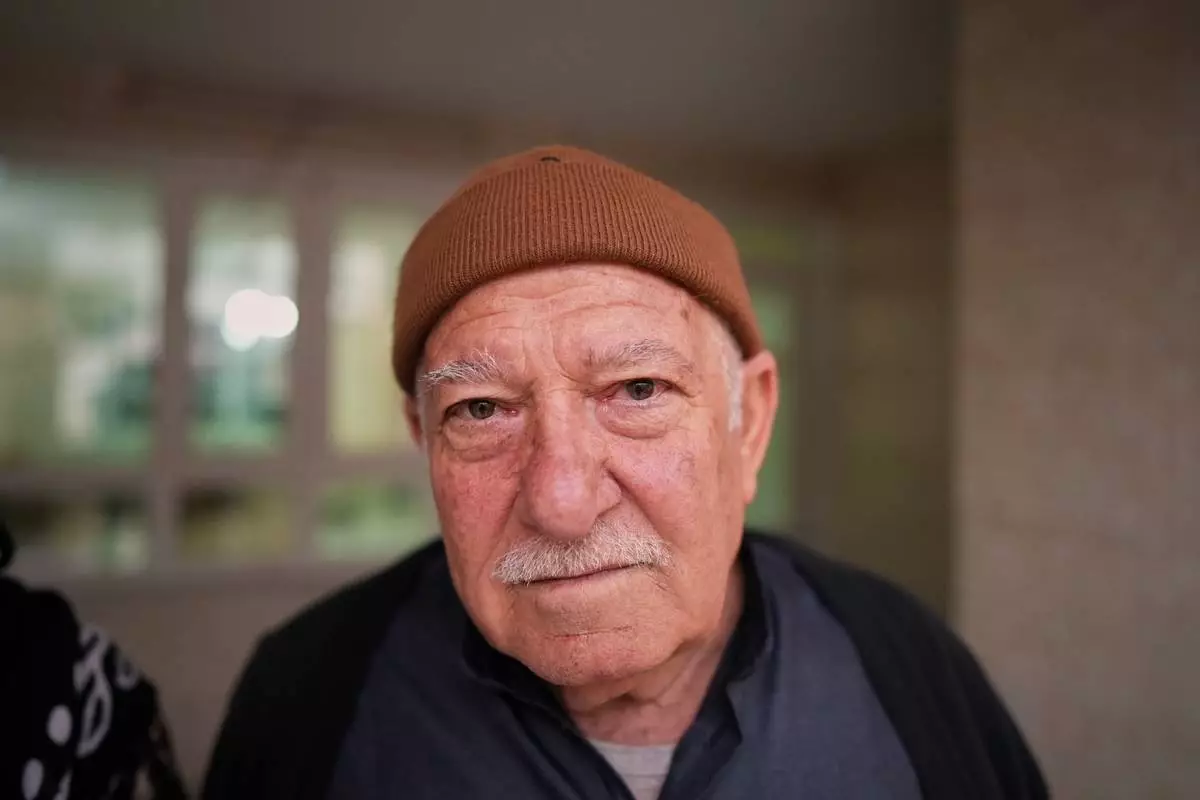
Syrian refugee Abdulilah Amin Dawoud, 73, poses for a picture at his home in Irbil, Iraq, Nov. 16, 2025. (AP Photo/Farid Abdulwahed)
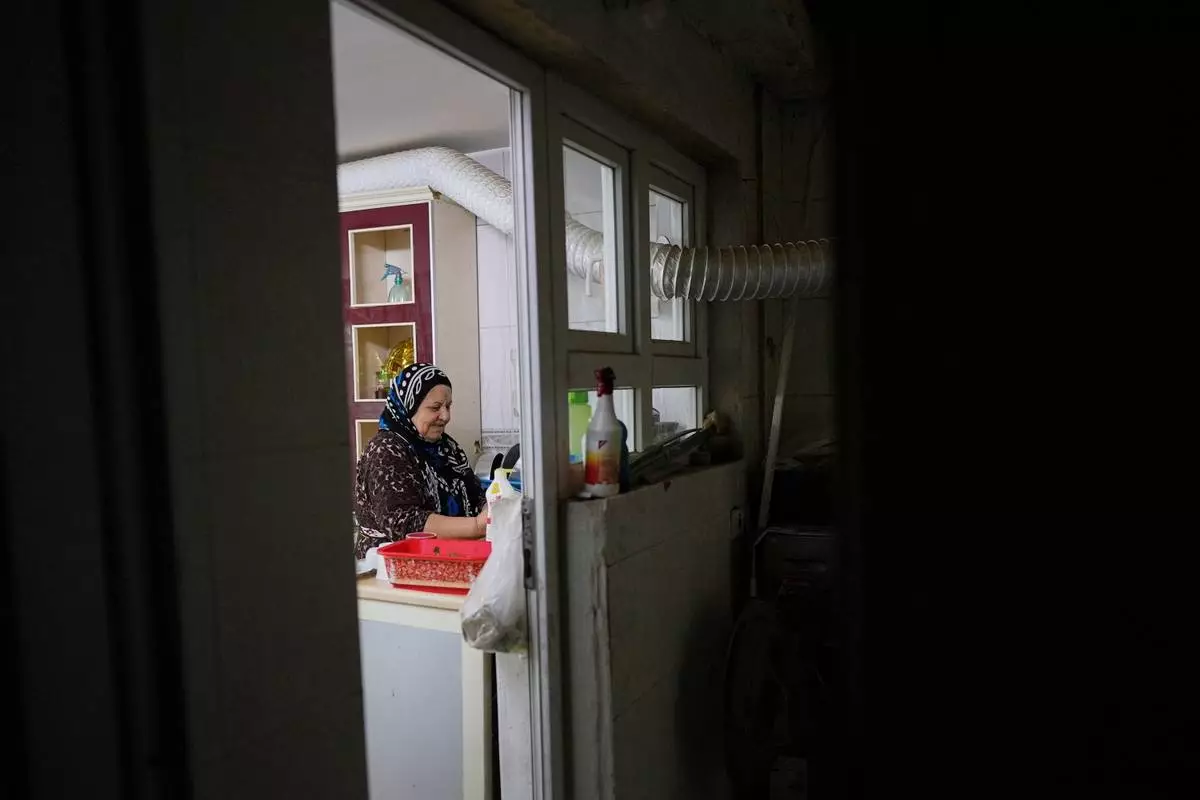
Syrian refugee Hayat Fatah, 65, cleans dishes at her home in Irbil, Iraq, Nov. 16, 2025. (AP Photo/Farid Abdulwahed)
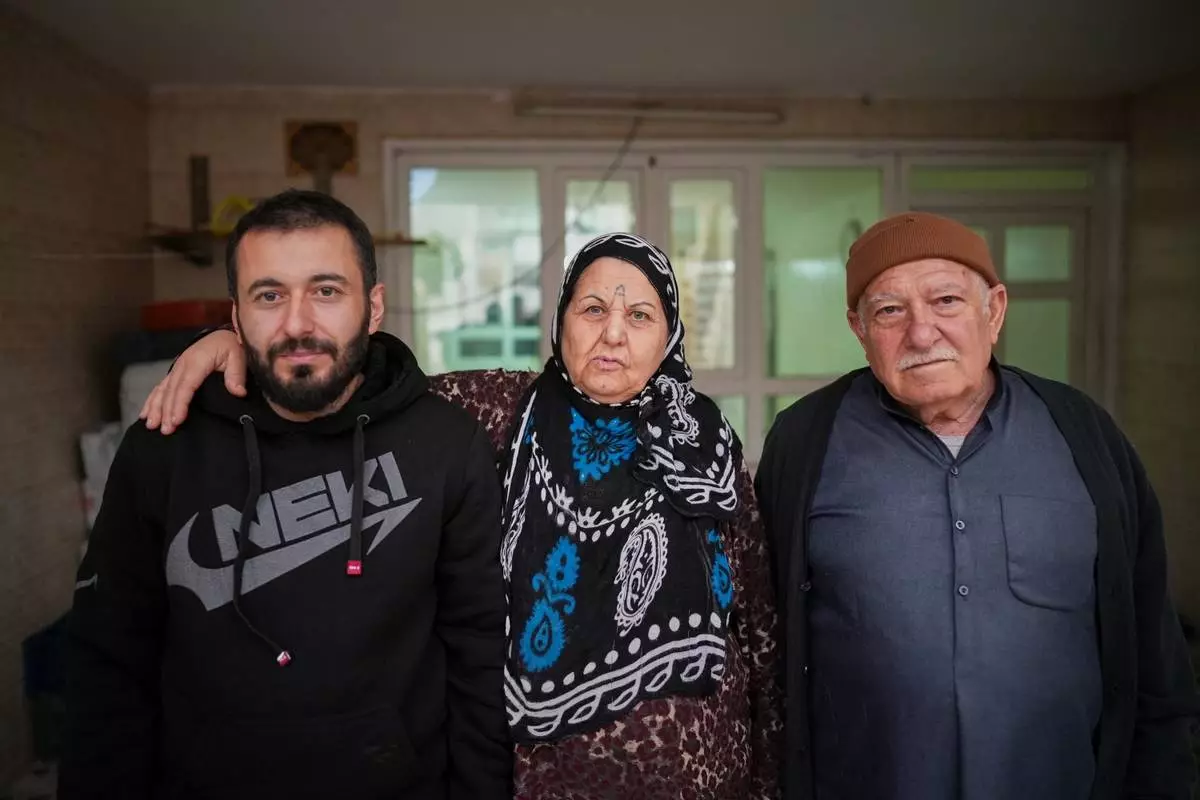
Syrian refugee Mohammed Dawood, 30, left, poses for a photo with his parents, Hayat Fatah, 65, center, and Abdulilah Amin Dawoud, 73, at their home in Irbil, Iraq, Nov. 16, 2025. (AP Photo/Farid Abdulwahed)
TENERIFE, Spain (AP) — The head of the World Health Organization sought Saturday to reassure residents of the Spanish island where passengers of a hantavirus-stricken cruise ship are expected to be evacuated, issuing them a direct message that the virus was “not another COVID.”
The Dutch-flagged MV Hondius, with more than 140 passengers and crew on board, is headed to Spain's Canary Islands, off the coast of West Africa, and is expected to arrive at the island of Tenerife early Sunday.
WHO Director-General Tedros Adhanom Ghebreyesus, along with Spain’s Health Minister Monica Garcia and Interior Minister Fernando Grande-Marlaska, were due on the island Saturday to coordinate the disembarkation of passengers and some crew.
“I know you are worried. I know that when you hear the word ‘outbreak’ and watch a ship sail toward your shores, memories surface that none of us have fully put to rest. The pain of 2020 is still real, and I do not dismiss it for a single moment,” Tedros said in a message to the people of Tenerife.
“But I need you to hear me clearly: This is not another COVID. The current public health risk from hantavirus remains low. My colleagues and I have said this unequivocally, and I will say it again to you now,” Tedros added.
The WHO, Spanish authorities and cruise company Oceanwide Expeditions said nobody on the Hondius is currently showing symptoms of the virus.
Hantavirus can cause life-threatening illness. It usually spreads when people inhale contaminated residue of rodent droppings and isn’t easily transmitted between people. But the Andes virus detected in the cruise ship outbreak may be able to spread between people in rare cases. Symptoms usually show between one and eight weeks after exposure.
Three people have died since the outbreak, and five passengers who left the ship are infected with hantavirus.
Some on Tenerife say they are worried. On board the cruise ship, some Spanish passengers have voiced concern about being stigmatized.
“I tell you, I don’t like this very much,” said 69-year-old resident Simon Vidal. “Anyone can say what they want. Why did they have to bring a boat from another country here? Why not anywhere else, why bring it to the Canary Islands?”
Others said they empathized with the boat's passengers, but were still concerned.
“The truth is that it is very worrying,” said 27-year-old Venezuelan immigrant Samantha Aguero. She added: “We feel a bit unsafe, we don’t feel as there are 100% security measures in place to welcome it. This is a virus after all and we have lived this during the pandemic. But we also need to have empathy.”
Spanish Health Minister Monica Garcia said passengers and some crew would disembark in Tenerife “under maximum safety conditions.”
The ship will not dock but will remain at anchor. Everyone disembarking will be checked for symptoms and won't be taken off the ship until a flight is already in Tenerife waiting to fly them off the island, Garcia said during a news conference in Madrid. There are currently people of more than 20 different nationalities on board.
Both the U.S. and the U.K. have agreed to send planes to evacuate their citizens. Americans are to be quarantined at a medical center in Nebraska.
All Spanish passengers will be transferred to a medical facility and quarantined, Garcia said. Oceanwide has listed 13 Spanish passengers and one Spanish crew member on board.
Those disembarking will leave behind their luggage, Garcia said, and will be allowed to take only a small bag with essential items, a cellphone, charger and documentation.
Some crew, as well as the body of a passenger who died on board, will remain on the ship, which will sail on to the Netherlands, where it will undergo disinfection, the minister added.
According to a letter sent by the Dutch foreign and health ministers to parliament late Friday, Spain has activated the EU civil protection mechanism for a medical evacuation plane equipped for infections diseases to be on standby in case anyone on the ship becomes ill. That person would then be transported by air to the European mainland.
The Dutch government will work with Spanish authorities and the ship company to arrange repatriation of Dutch passengers and crew as soon as possible after arrival in Tenerife, subject to medical conditions and advice from the European Centre for Disease Prevention and Control, the letter said. Those without symptoms will go into home quarantine for six weeks and be monitored by local health services.
As the ship is Dutch-flagged, the Netherlands may also temporarily accommodate people of other nationalities and monitor them in quarantine, it said.
Health authorities across four continents were tracking down and monitoring more than two dozen passengers who disembarked before the deadly outbreak was detected. They were also scrambling to trace others who may have come into contact with them.
On April 24, nearly two weeks after the first passenger had died on board, more than two dozen people from at least 12 different countries left the ship without contact tracing, Dutch officials and the ship’s operator have said.
It wasn’t until May 2 that health authorities first confirmed hantavirus in a passenger.
Dutch public health authorities have been monitoring people who were on a flight that was briefly boarded by a Dutch ship passenger who later died and was confirmed to have hantavirus. Three people who were on the flight and had symptoms have all tested negative for hantavirus, Dutch National Institute for Public Health spokesperson Harald Wychgel told The Associated Press on Saturday.
Becatoros reported from Sparta, Greece. Associated Press reporters Angela Charlton in Paris and Helena Alves in Tenerife contributed to this report.
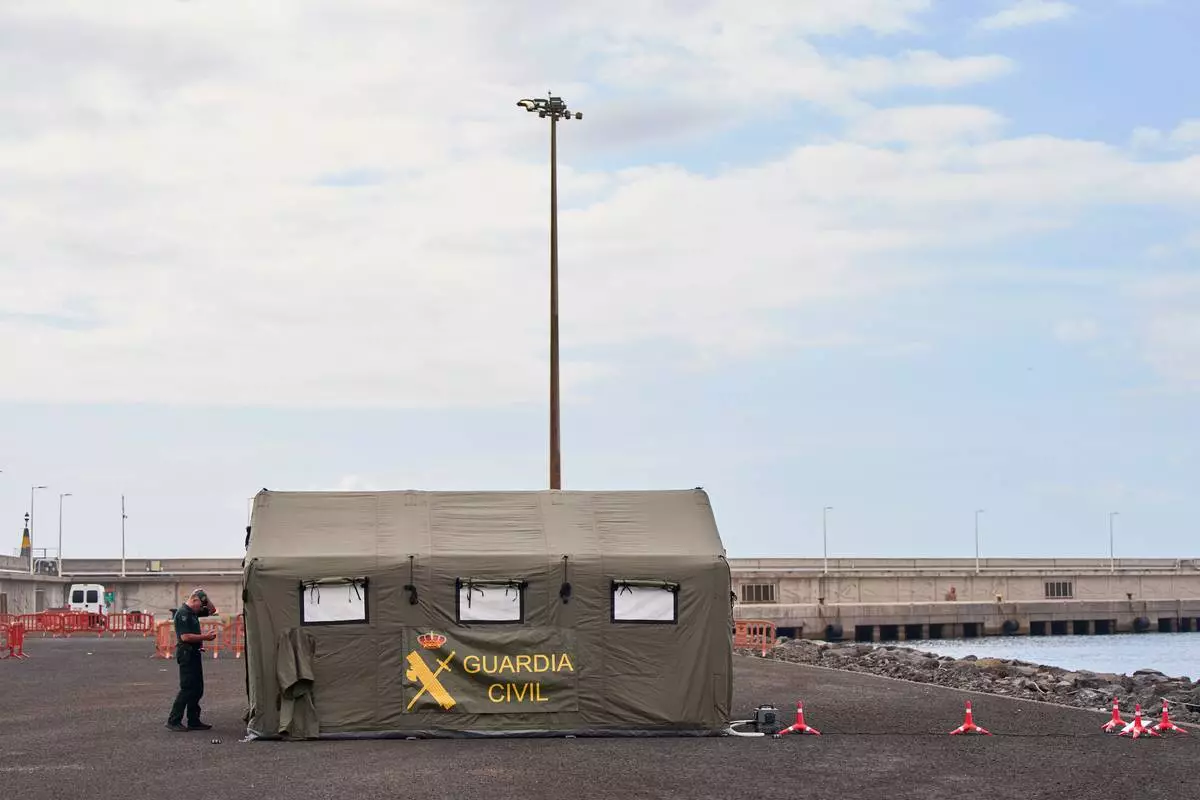
A Spanish Civil Guard officer inspects the area where passengers from the MV Hondius cruise ship are expected to arrive at the port of Granadilla in Tenerife, Canary Islands, Spain, Saturday, May 9, 2026. (AP Photo/Manu Fernandez)
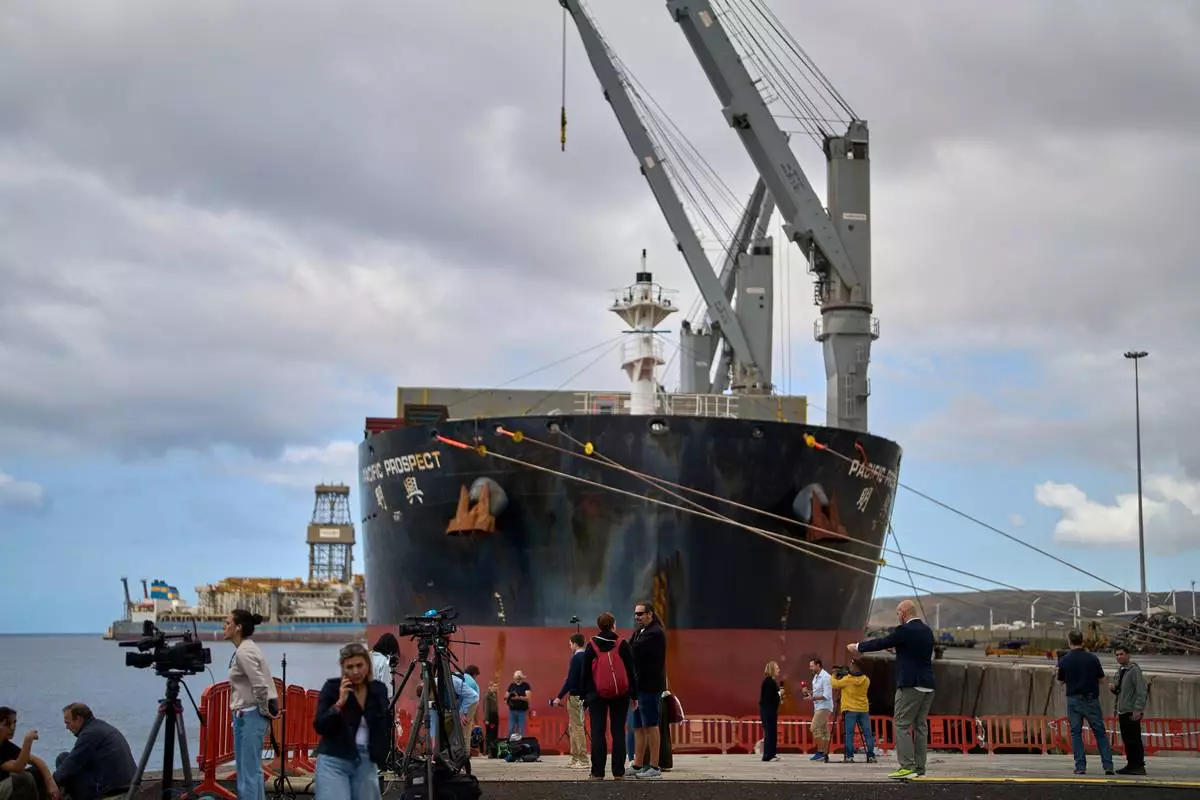
Media crew members stand in the area where passengers from the MV Hondius cruise ship are expected to arrive at the port of Granadilla in Tenerife, Canary Islands, Spain, Saturday, May 9, 2026. (AP Photo/Manu Fernandez)
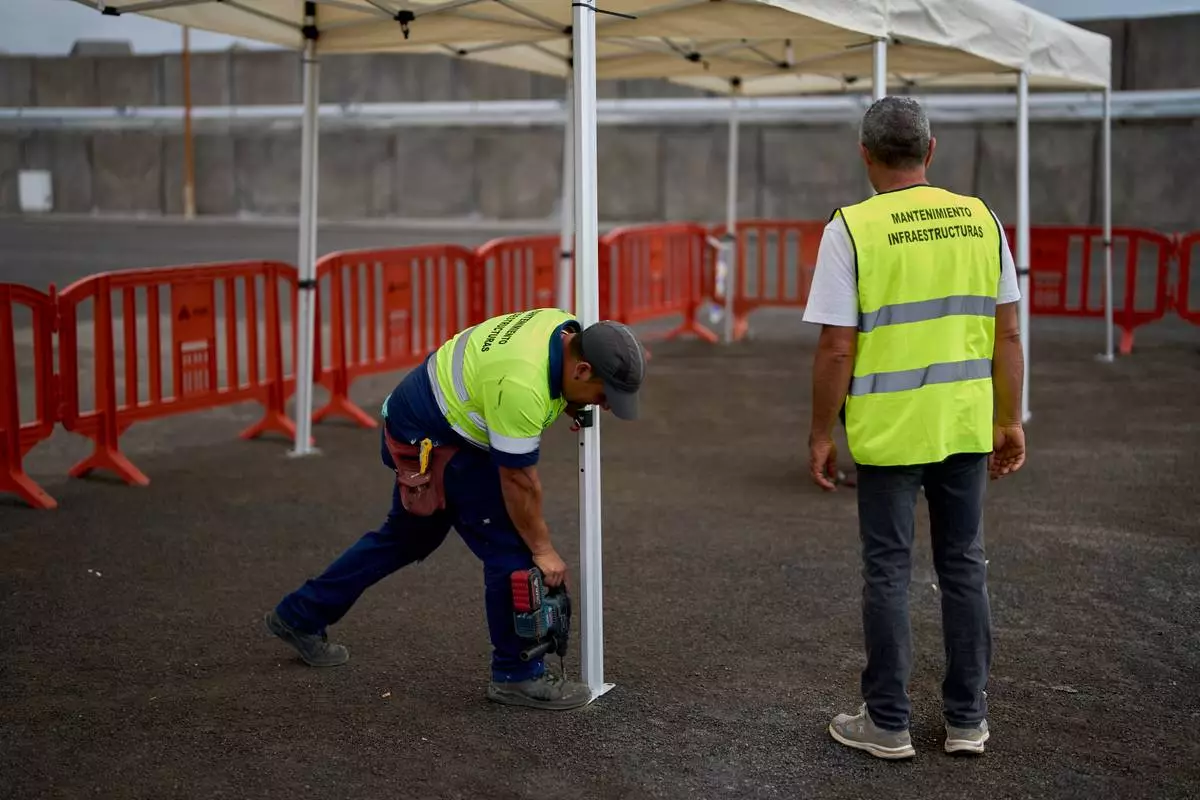
Workers set up temporary shelters in the area where passengers from the MV Hondius cruise ship are expected to arrive at the port of Granadilla in Tenerife, Canary Islands, Spain, Saturday, May 9, 2026. (AP Photo/Manu Fernandez)
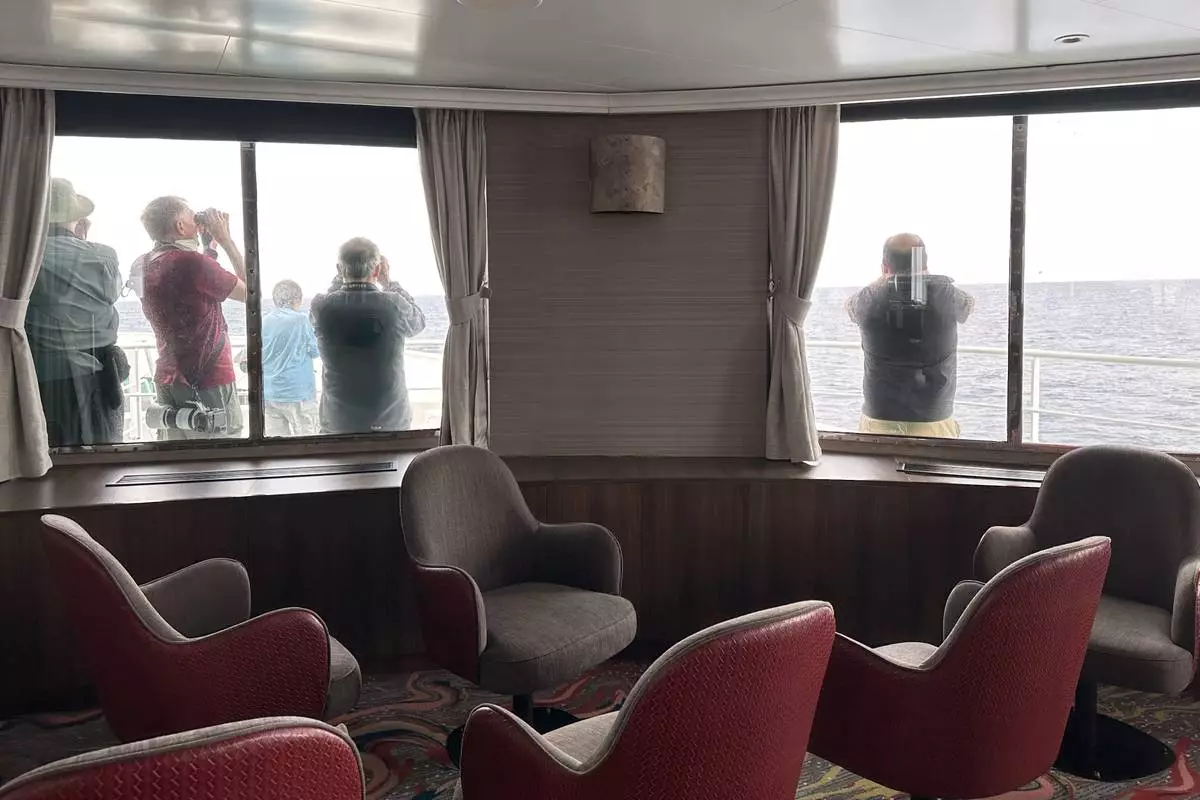
Passengers on the hantavirus-stricken cruise ship, MV Hondius, scan the horizon with binoculars during their voyage to Spain's port of Tenerife, May 6, 2026. (AP Photo)
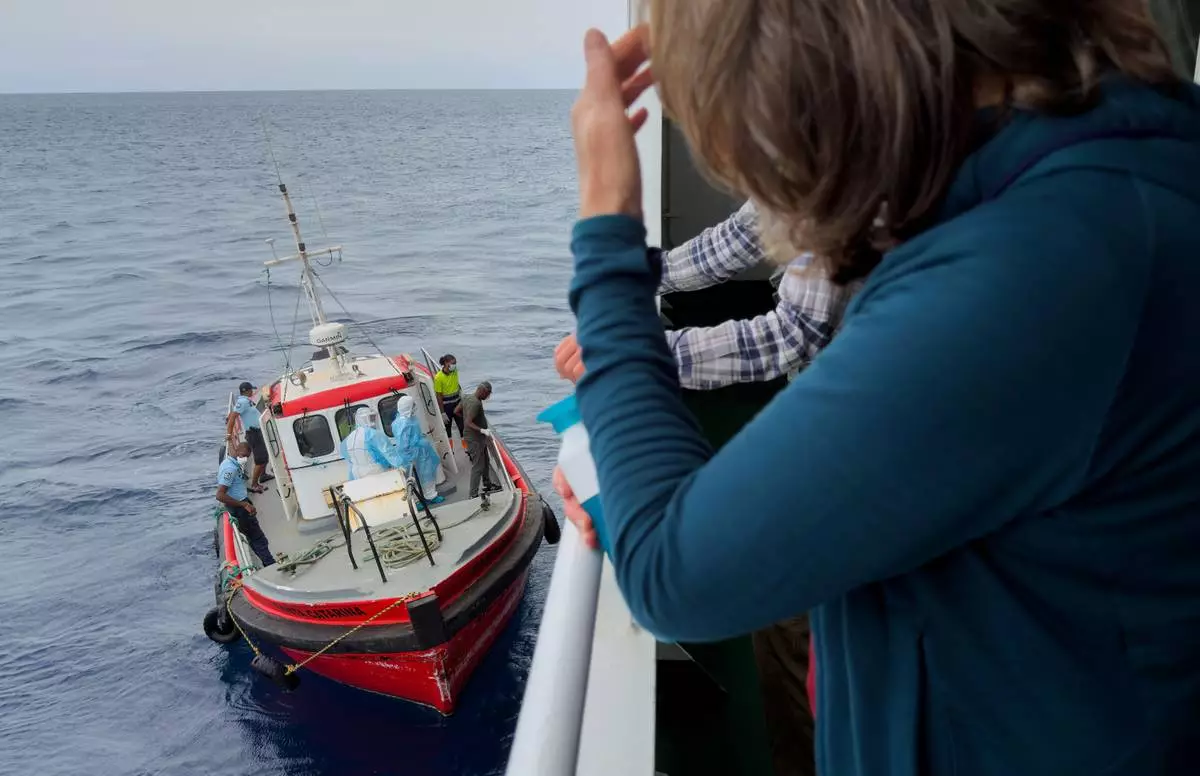
Passengers on the the hantavirus-stricken cruise ship, MV Hondius, watch epidemiologists board the boat in Praia, during their voyage to Spain's port of Tenerife, May 6, 2026. (AP Photo)
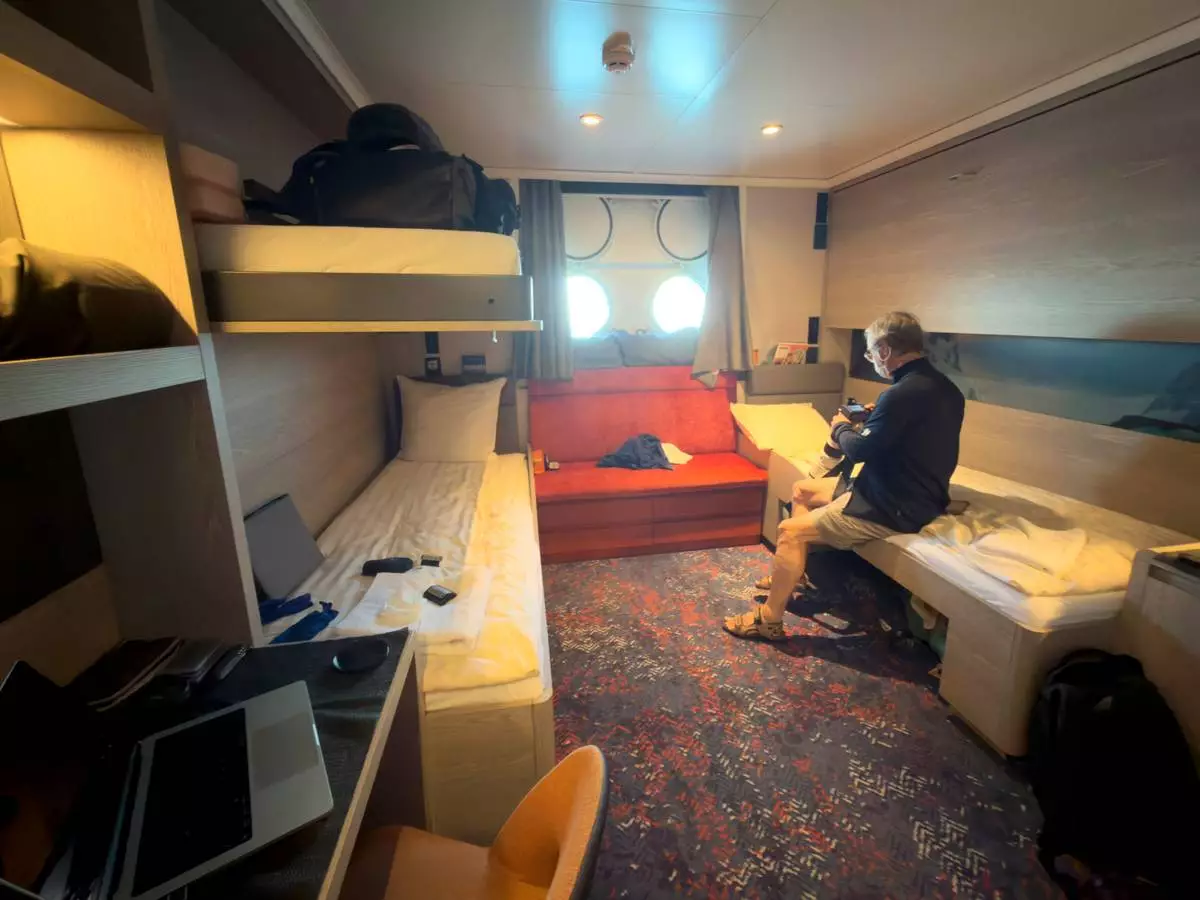
A passenger checks his camera inside his cabin on the hantavirus-stricken cruise ship, MV Hondius, during the voyage to Spain's port of Tenerife, May 6, 2026. (AP Photo)
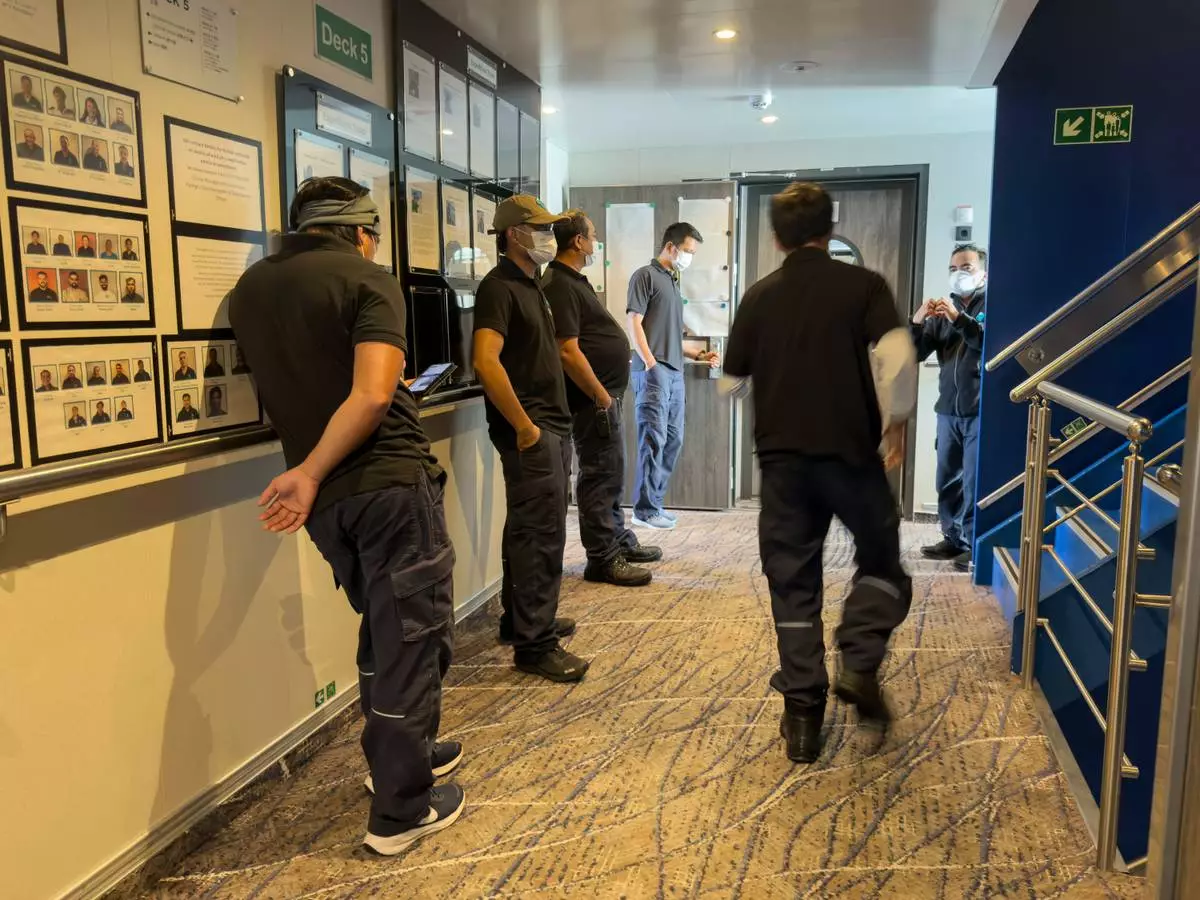
Crew members of the hantavirus-stricken cruise ship, MV Hondius, wait their turns for a first interview with epidemiologists, during the voyage to Spain's port of Tenerife, May 6, 2026. (AP Photo)
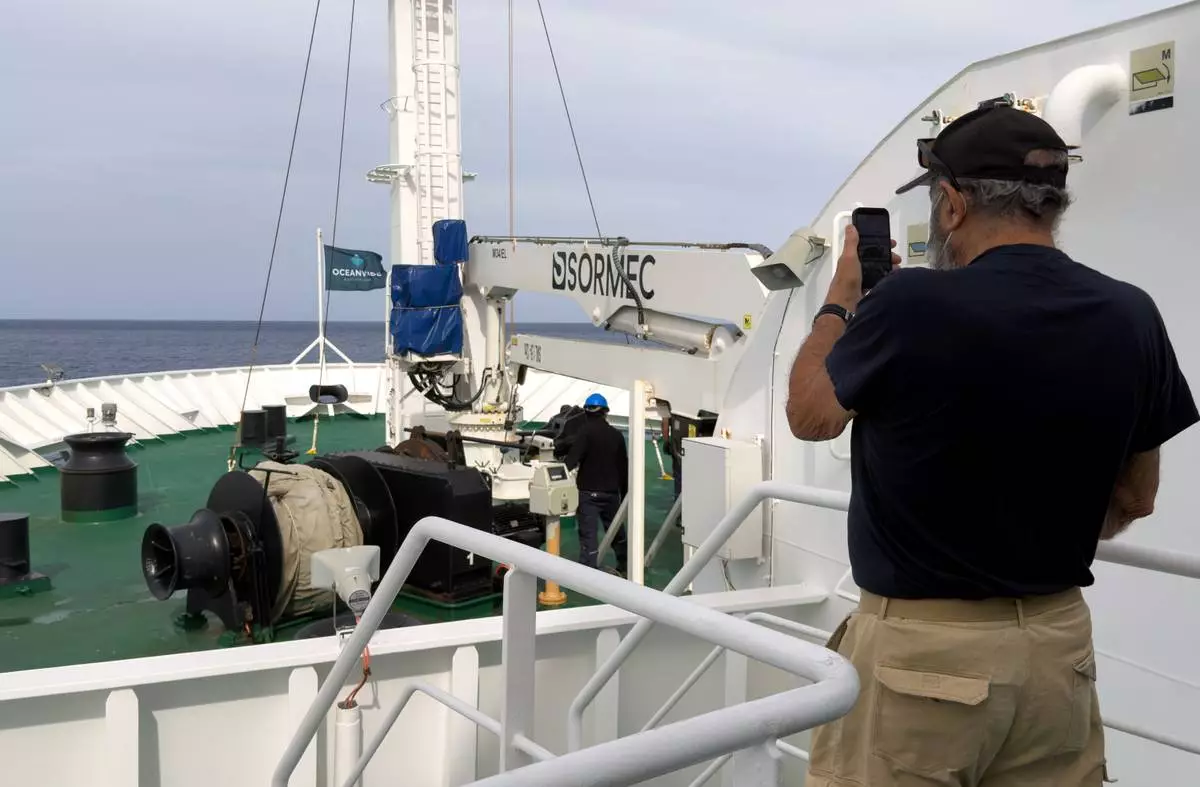
A passenger on the the hantavirus-stricken cruise ship, MV Hondius, takes a photo of the ship's weighing anchor in Praia, during the voyage to Spain's port of Tenerife, May 6, 2026. (AP Photo)