Skip to Content Facebook Feature Image

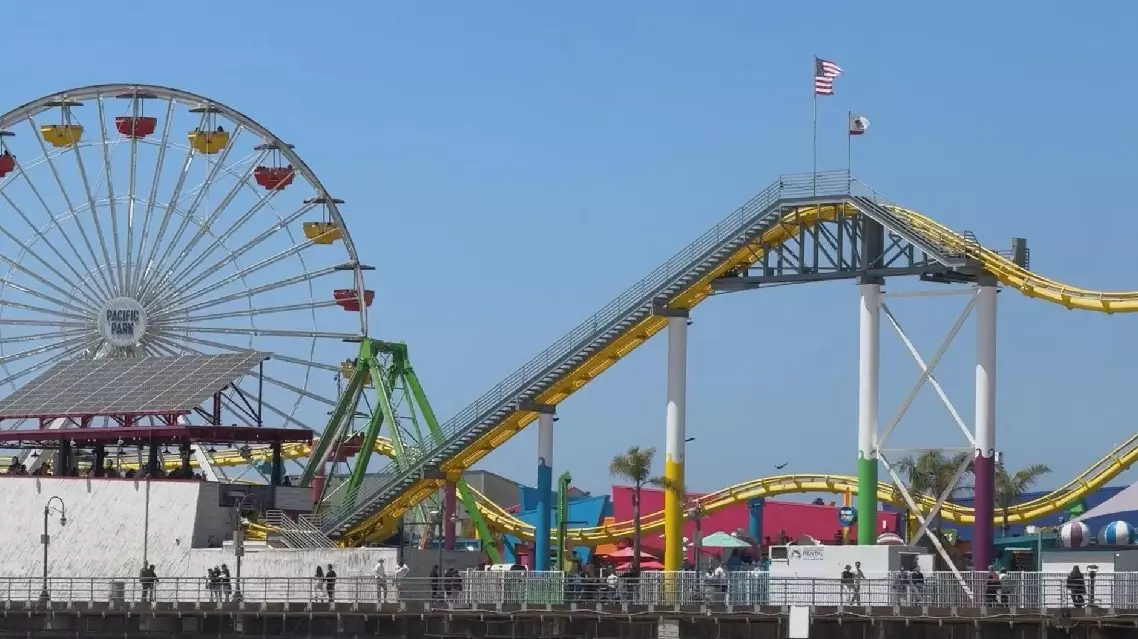
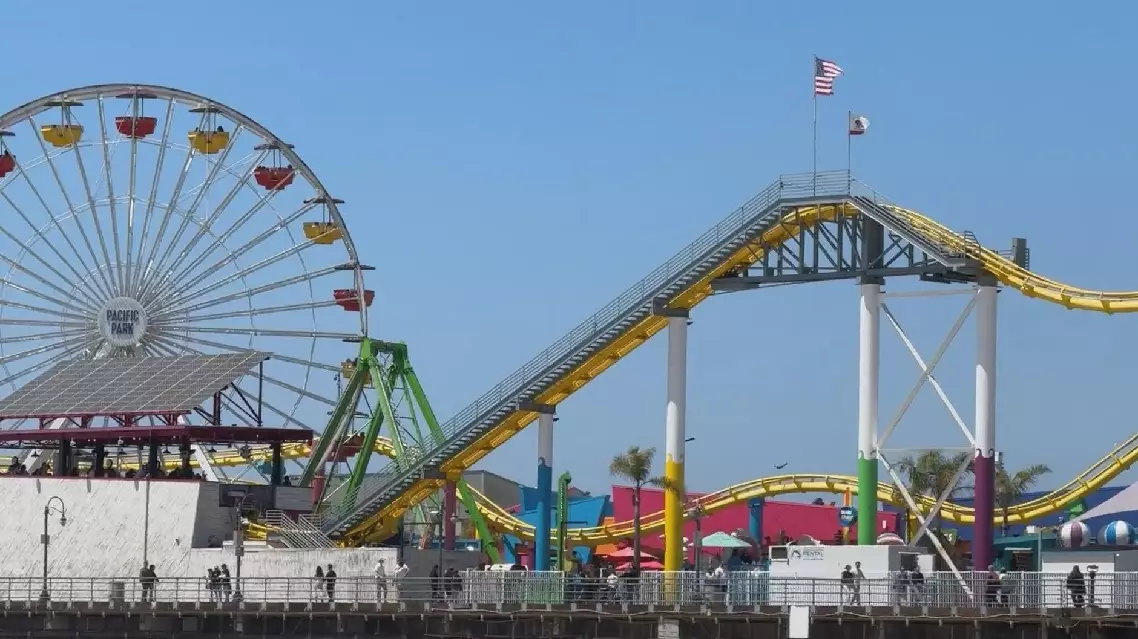
US tourism slumps as policies tighten, image worsens

HotTV

HotTV

HotTV

US tourism slumps as policies tighten, image worsens

2025-12-09 15:54 Last Updated At:12-10 13:21

The United States is experiencing a sharp and sustained slump in international tourism, as political rhetoric, tougher immigration policies, tariffs, and travel bans combine to erode the country's image as a welcoming destination.

Tourism Economics, a travel research firm, projected a steep 8.2 percent fall in international arrivals into the U.S. for 2025, with total inbound spending expected to decline by 4.2 percent -- a loss of 8.3 billion U.S. dollars in visitor spending.

Tariffs had already driven up costs and created uncertainty around imported goods, and the latest slump in international travel is making it even harder for local businesses to stay afloat. The situation has fueled fears of further job cuts in hotels, gift shops and dining businesses.

Restaurants, even in some of Los Angeles' most popular districts, are struggling to cope with rising operating costs and fewer foreign tourists.

"We hope that the tariffs are just temporary. It seems like it's this game that's being played right now, and unfortunately there are real life ramifications from this game. We are holding tight, just because we don't know what's gonna happen," said Pierro Sanchez, general manager of a restaurant named Baja Cantina.

The weakening outlook has been compounded by more complicated visa procedures and heightened policy uncertainty, reinforcing concerns that the United States is becoming harder and less inviting to visit.

Hicham Jaddoud, a professor of Hospitality and Tourism at the Bovard College of the University of Southern California, said many travelers now choose other destinations as the country's image has been undermined.

"We do have a PR problem, mainly from the tourism and hospitality area, where we struggle with the U.S. image right now. A lot of consumers have moved to different destinations," he said.

The professor added that cities like Los Angeles, Las Vegas, and Miami are among the hardest hit, forcing local tourism sector to redirect marketing away from global travelers toward domestic visitors.

"They can't rely on international tourism, advertising or marketing dollars have shifted from international to local, and we don't know how long that is going to last. And we all know about how some Canadians are refusing to come here, even if things go back to normal, they are refusing to come back here," he said.
US tourism slumps as policies tighten, image worsens
US tourism slumps as policies tighten, image worsens
US tourism slumps as policies tighten, image worsens
US tourism slumps as policies tighten, image worsens

U.S. President Donald Trump on Thursday signed an executive order directing the Department of the Interior to rename Lake Ontario "Lake America," while Canadian Prime Minister Mark Carney criticized the move, noting that the lake is called Lake Ontario "today and forever."

"We're gonna to be changing the name of Lake Ontario, effective immediately, to Lake America," Trump said in the Oval Office before signing the order.

The move came just two days after Trump said on social media that the United States is giving "serious consideration" to changing the name of Lake Ontario to "Lake America," citing that "we don't expect to be doing much business with Ontario any longer."

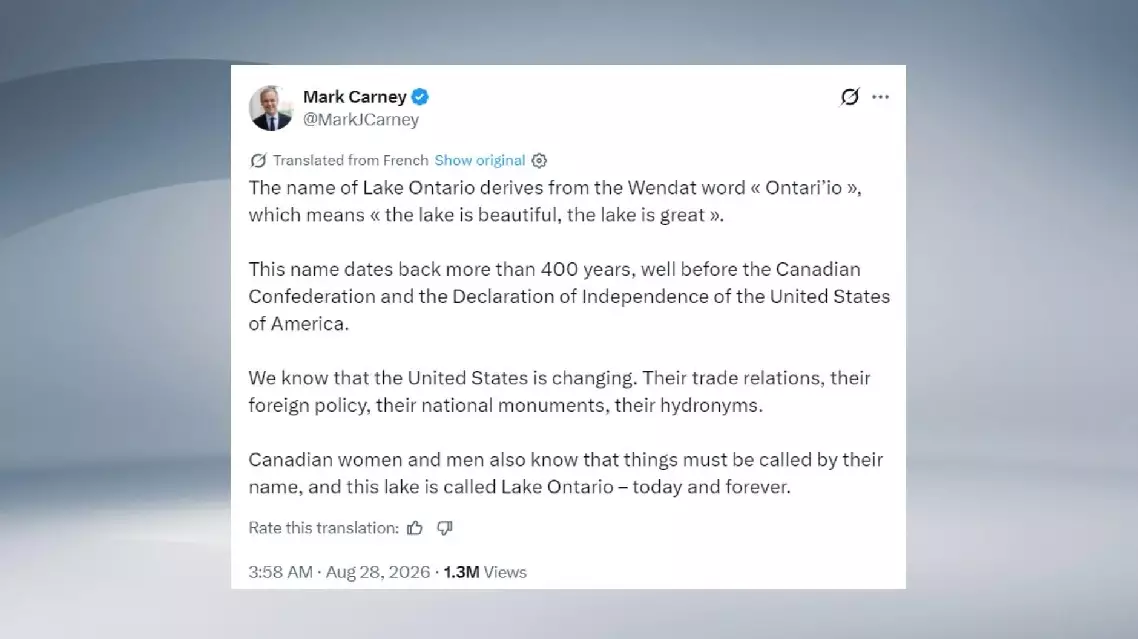
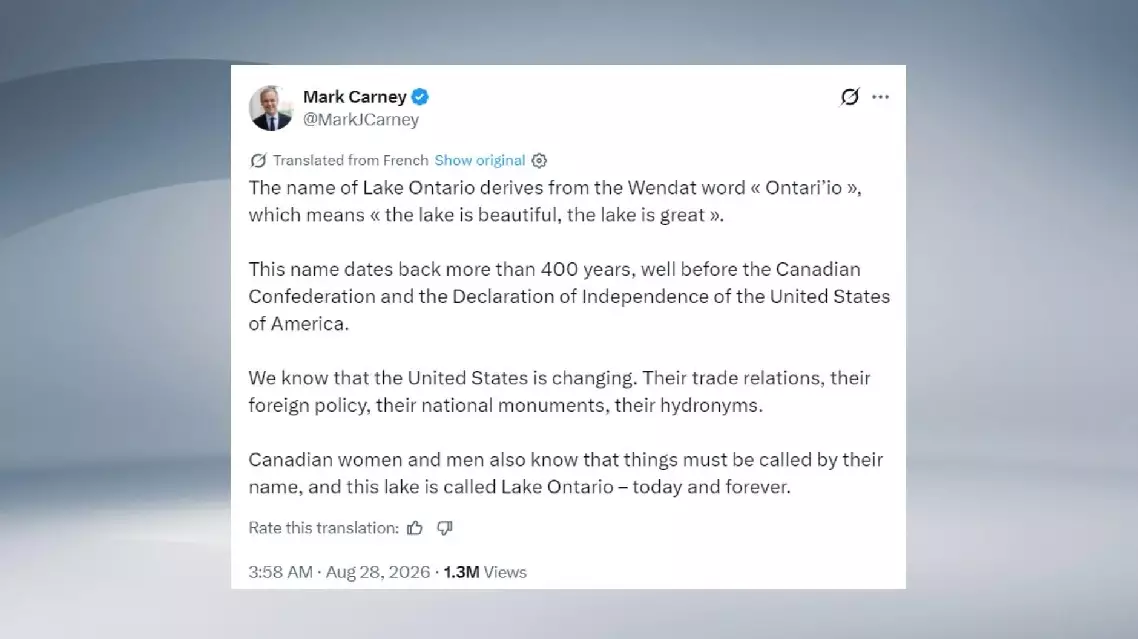
In response, Canadian Prime Minister Mark Carney said Thursday that the name "Lake Ontario" carries a long history and that Canadians will always use this name regardless of external changes.

Carney wrote in a post on X that the name came from the Wendat word Ontari'io, which means "the lake is beautiful, the lake is big."

The name is more than 400 years old, "predating both the Confederation of Canada and the Declaration of Independence of the United States of America," added the prime minister.

"We know that America is changing. Their trading relationships, their foreign policies, their national monuments, their hydronyms," Carney said.

"Canadians also know that naming reality means calling it Lake Ontario -- then, now and always," he wrote.

Trump's attempt to rename the lake came as a recent breakdown in trade talks between the two countries led to new retaliatory tariffs.

The United States and Canada failed to reach a trade deal on Aug. 21, and the United States imposed a 50-percent tariff on about 20 billion U.S. dollars' worth of Canadian goods on Aug. 22.

Canada responded by announcing "dollar-for-dollar" retaliatory tariffs on imports from the United States, set to take effect on Sept. 8.

Lake Ontario, one of the five Great Lakes of North America, straddles the U.S.-Canada border, with the Canadian province of Ontario to the north and the U.S. state of New York to the south.

Canadian PM defends "Lake Ontario" name after Trump renaming order

Canadian PM defends "Lake Ontario" name after Trump renaming order

Canadian PM defends "Lake Ontario" name after Trump renaming order

Canadian PM defends "Lake Ontario" name after Trump renaming order

Recommended Articles