A Chinese envoy reiterated the country's sovereignty over South China Sea at the 80th Session of the UN General Assembly on Monday.
Sun Lei, China's deputy permanent representative to the United Nations, made a stern response to the erroneous remarks made by certain countries regarding the South China Sea when addressing a plenary discussion on "Oceans and the Law of the Sea" at the UNGA 80th session.
"The UNGA is not an appropriate occasion to discuss the South China Sea issue. However, China must respond solemnly to the erroneous remarks made by certain countries. China has indisputable sovereignty over the islands in the South China Sea and their adjacent waters, and has sovereign rights and jurisdiction over the relevant waters. China's territorial sovereignty and maritime rights and interests in the South China Sea have sufficient historical and legal basis," said Sun.
Sun said that China's position on the so-called "South China Sea arbitration" is consistent, clear and firm, noting that the it is nothing but a political farce masqueraded as a legal process, violating basic principles of international law, the United Nations Convention on the Law of the Sea, and fundamental facts about the South China Sea.
China does not accept or recognize it and will never accept any claim or action based on the arbitration, Sun said, noting that China's territorial sovereignty and maritime rights and interests in the South China Sea will not be affected by the arbitration in any way.
Sun said the Philippines' so-called "Maritime Zones Act" illegally includes Huangyan Dao and most of the islands and reefs of the Nansha Qundao, as well as related waters, within its maritime area, seriously infringing upon China's territorial sovereignty and maritime rights and interests. China firmly opposes this.
China respects and supports the freedom of navigation and overflight enjoyed by all countries in the South China Sea in accordance with international law, but firmly opposes the infringement of China's sovereignty and security under the pretext of "freedom of navigation," said Sun.
The Philippines' so-called "Archipelagic Sea Lanes Act" is inconsistent with international rules stipulated by international law in many aspects, and undermines the freedom of navigation rights of all parties, said the Chinese envoy.
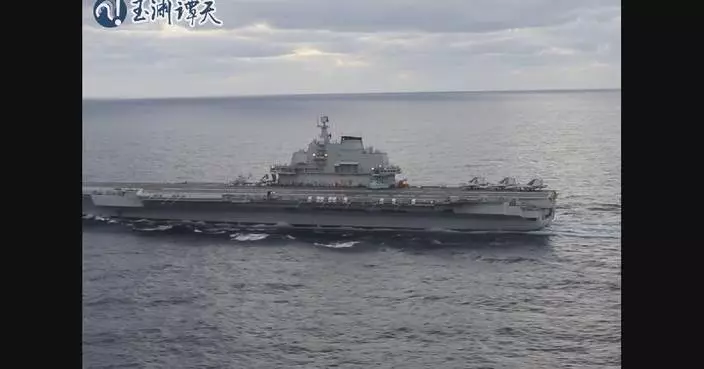
The current situation in the South China Sea is generally stable, Sun said, noting that the U.S. continuous strengthening of military deployment and operations in the South China Sea and its instigation and intensification of conflicts and differences pose the greatest security challenge in the South China Sea.
China is committed to resolving disputes peacefully with countries directly concerned through negotiations and consultations, fully and effectively implements the Declaration on the Conduct of Parties in the South China Sea with ASEAN countries, actively advances the consultations of the Code of Conduct in the South China Sea, jointly safeguards peace and stability in the South China Sea, and jointly promotes the development and prosperity in the region, said Sun.
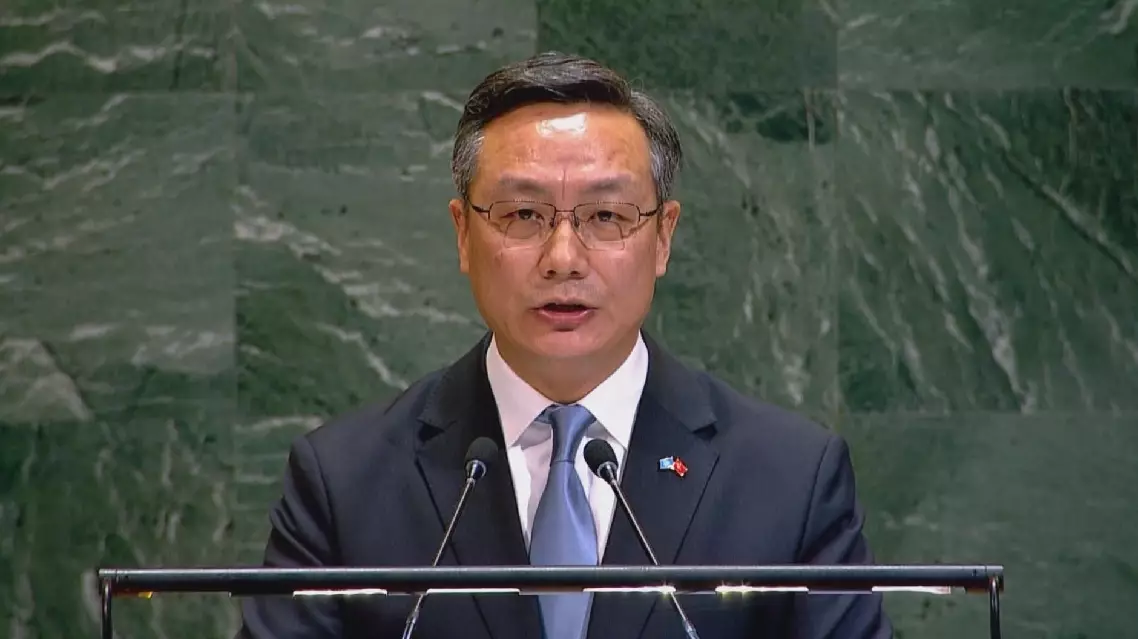
China reiterates sovereignty over South China Sea at UNGA 80th session