Large-scale international aviation exhibition and conferences conclude in Hong Kong
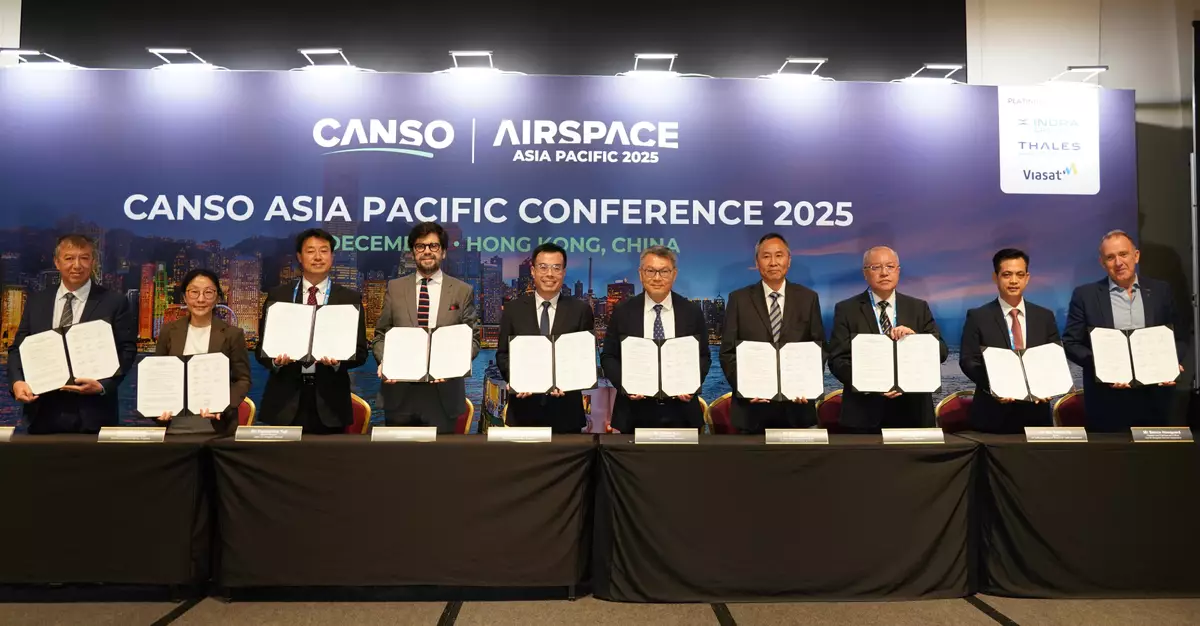
Hong Kong marked a significant milestone in regional aviation by holding two large-scale international exhibition and conferences, the Civil Air Navigation Services Organisation (CANSO) Asia Pacific Conference 2025 and the Airspace Asia Pacific 2025.
Click to Gallery
Large-scale international aviation exhibition and conferences conclude in Hong Kong Source: HKSAR Government Press Releases
Large-scale international aviation exhibition and conferences conclude in Hong Kong Source: HKSAR Government Press Releases
Large-scale international aviation exhibition and conferences conclude in Hong Kong Source: HKSAR Government Press Releases
Large-scale international aviation exhibition and conferences conclude in Hong Kong Source: HKSAR Government Press Releases
Large-scale international aviation exhibition and conferences conclude in Hong Kong Source: HKSAR Government Press Releases
Large-scale international aviation exhibition and conferences conclude in Hong Kong Source: HKSAR Government Press Releases
Large-scale international aviation exhibition and conferences conclude in Hong Kong Source: HKSAR Government Press Releases
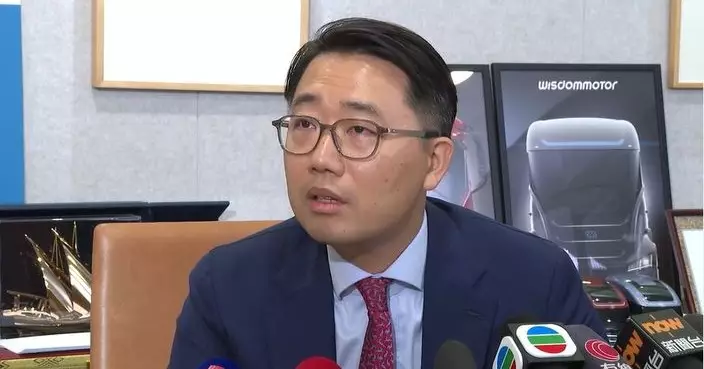
The Director-General of Civil Aviation, Mr Victor Liu, said that holding these important international meetings in Hong Kong had demonstrated Hong Kong's status as an international aviation hub. The Civil Aviation Department (CAD) has actively participated in and supported these international aviation meetings hosted by CANSO, and will continue to collaborate with international aviation partners and stakeholders to enhance the development of air traffic management and low-altitude traffic management.
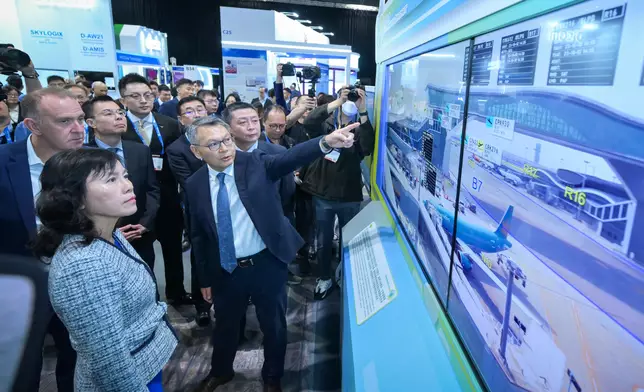
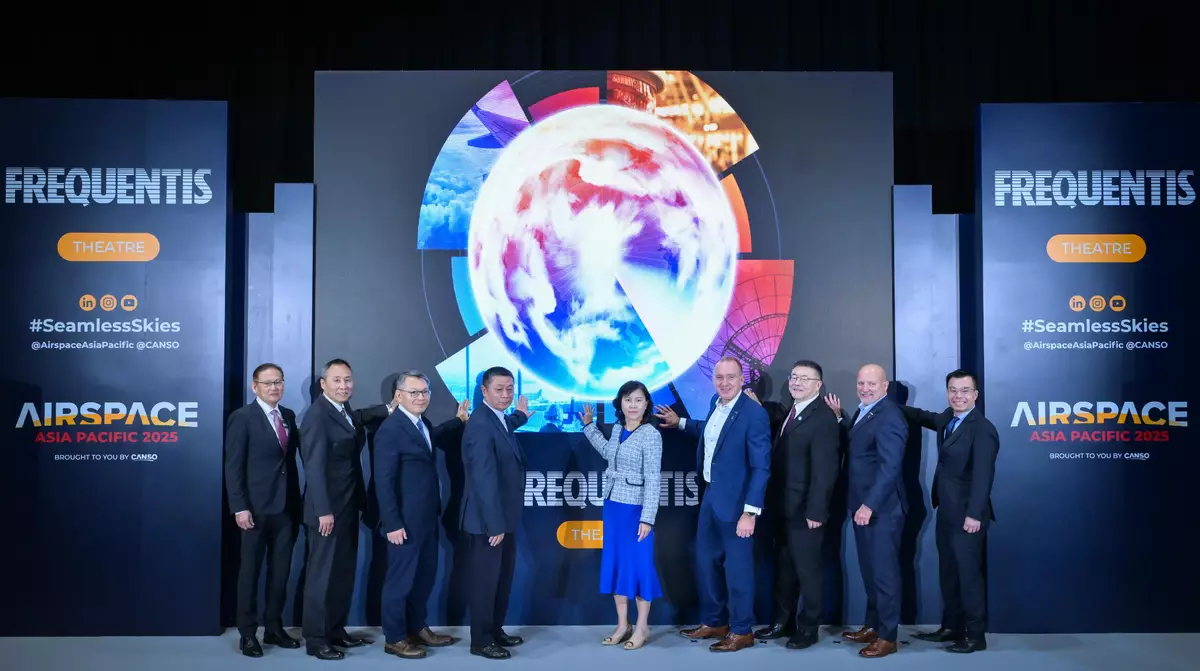
The Airspace Asia Pacific 2025 was held for three days at AsiaWorld-Expo, and concluded today (December 11). Being the first Asia-Pacific exhibition and conference under the Airspace World, the event, themed "Shaping the Future of Asia Pacific's Skies", has brought together over 2 000 decision-makers from air navigation service providers, professionals, regulatory bodies, and innovative technology companies from around the world, collectively driving global air traffic into a new era of digitisation and intelligence.
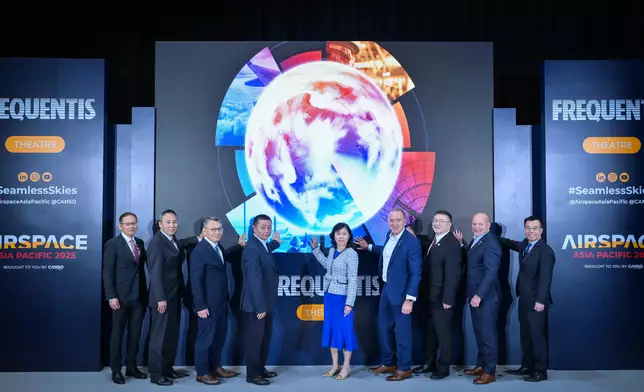
Key guests officiating at the opening ceremony included the Secretary for Transport and Logistics, Ms Mable Chan; the President and Chief Executive Officer of CANSO, Mr Simon Hocquard; the Deputy Administrator of the Civil Aviation Administration of China (CAAC), Mr Ma Bing; the Director-General of the Air Traffic Management Bureau (ATMB) of the CAAC, Mr Miao Xuan; Mr Liu and theRegional Director of the Asia Pacific Office of theInternational Civil Aviation Organization, Mr Ma Tao. Before the start of the conference, all participants stood and observeda moment of silence to mourn the victims of the Tai Po fire.
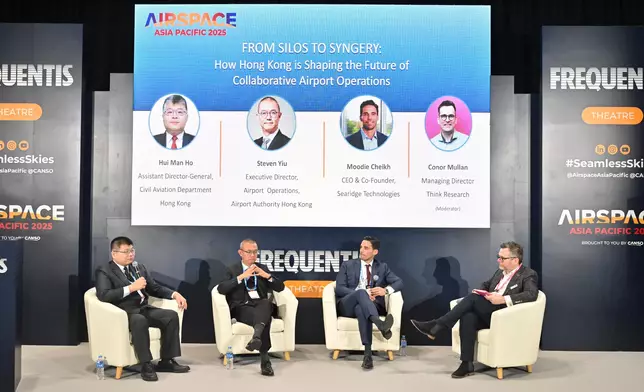
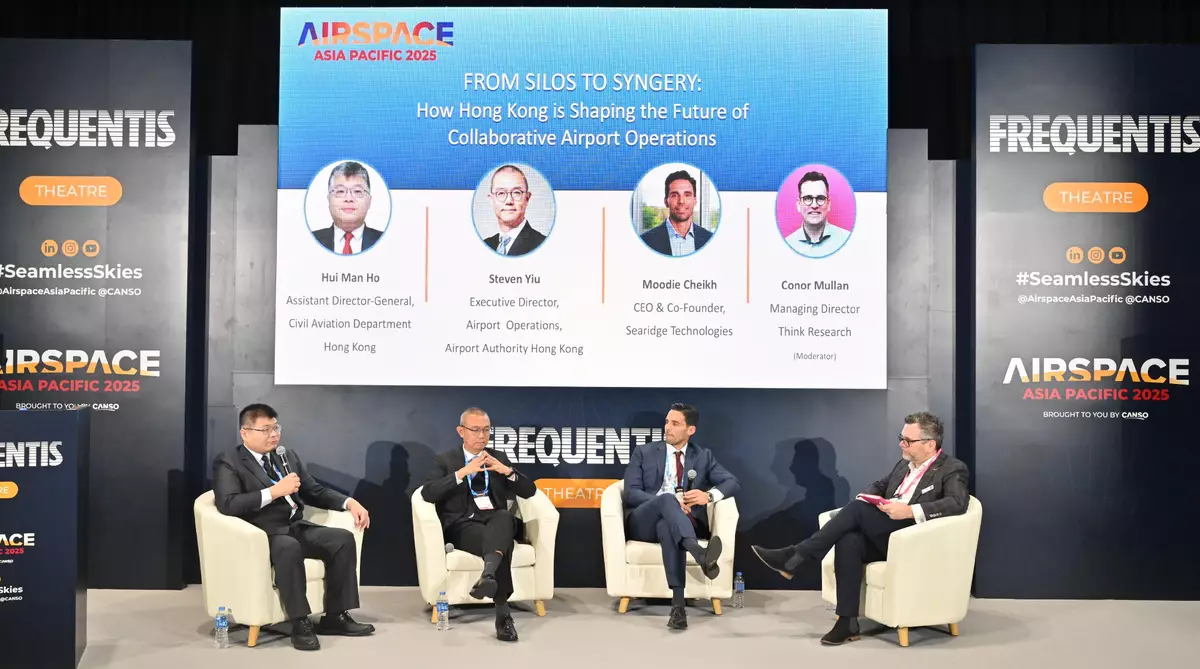
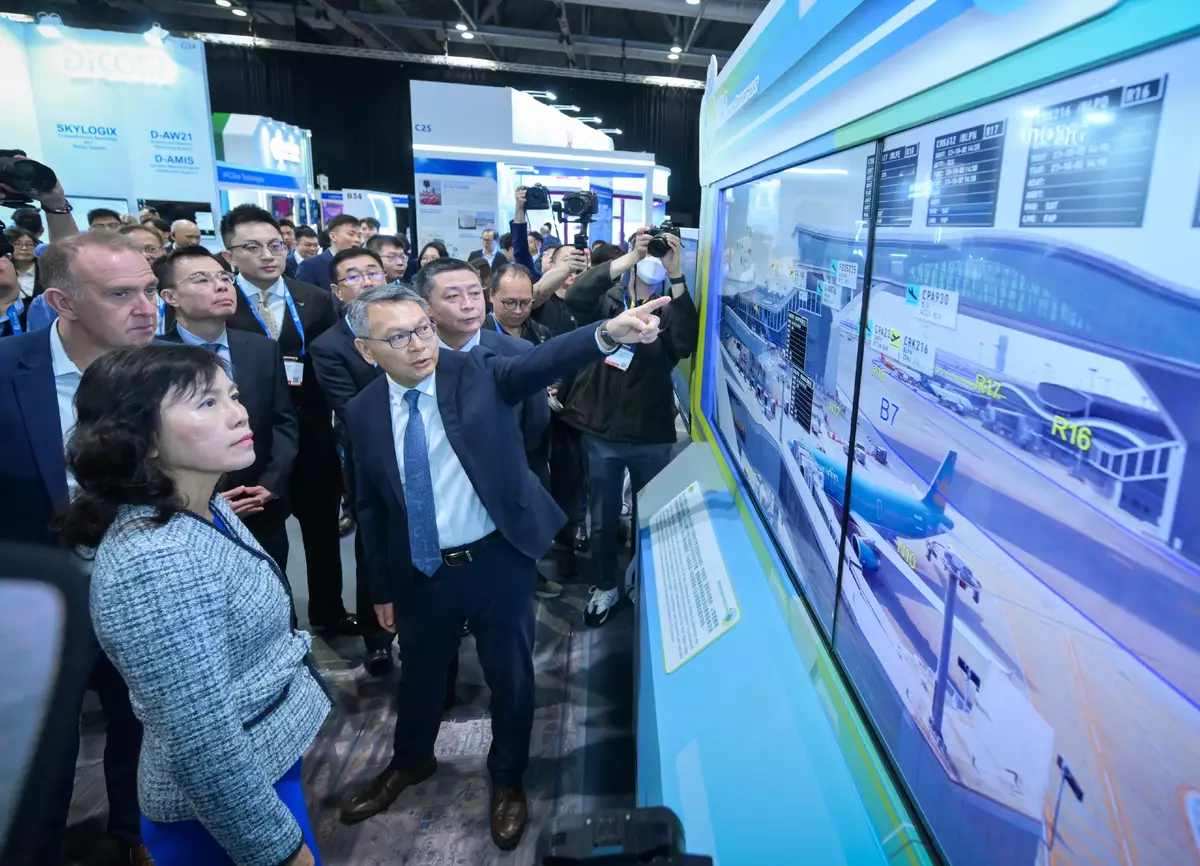
The exhibition and conference featured multiple keynote sessions and panel discussions focusing on exploring the most significant challenges and opportunities in air traffic management. Topics covered the low-altitude economy, green aviation, AI and climate challenges, etc. The event also attracted over 70 exhibitors presenting cutting-edge technologies in air traffic management, low-altitude traffic management, AI applications, and emerging aviation technologies, driving the industry towards a sustainable future with digitalisation and automation, thus creating a safe, seamless, and green airspace.
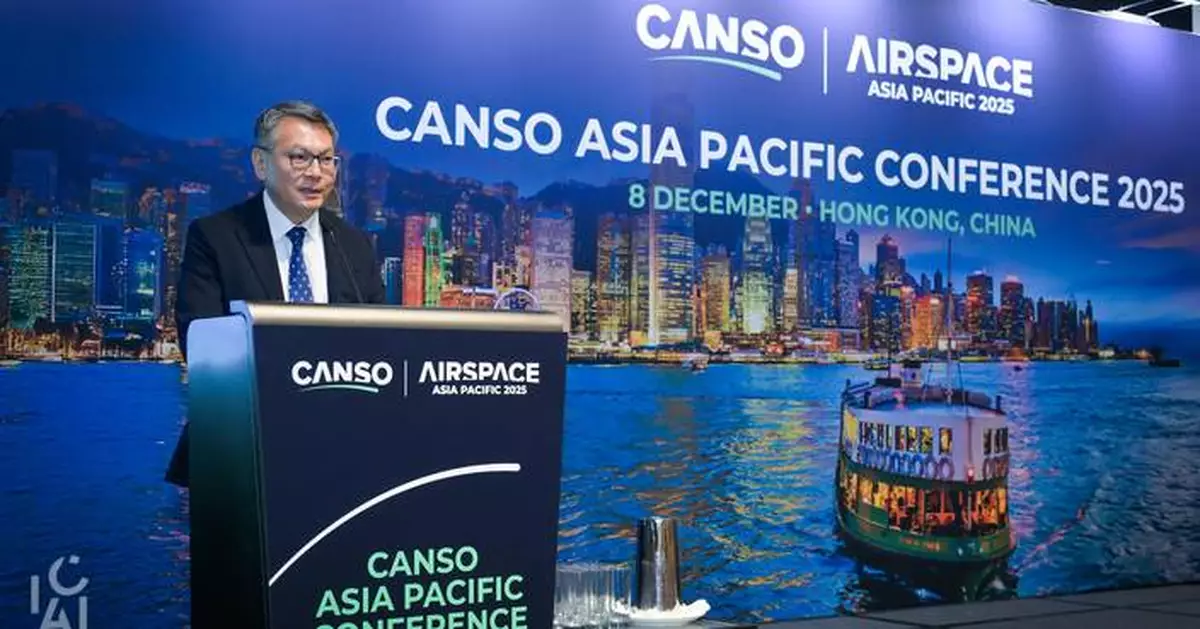
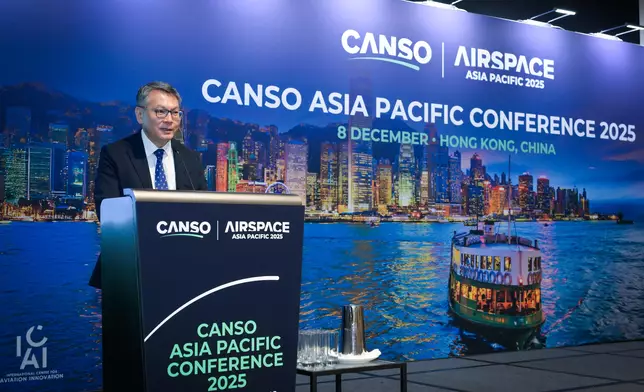
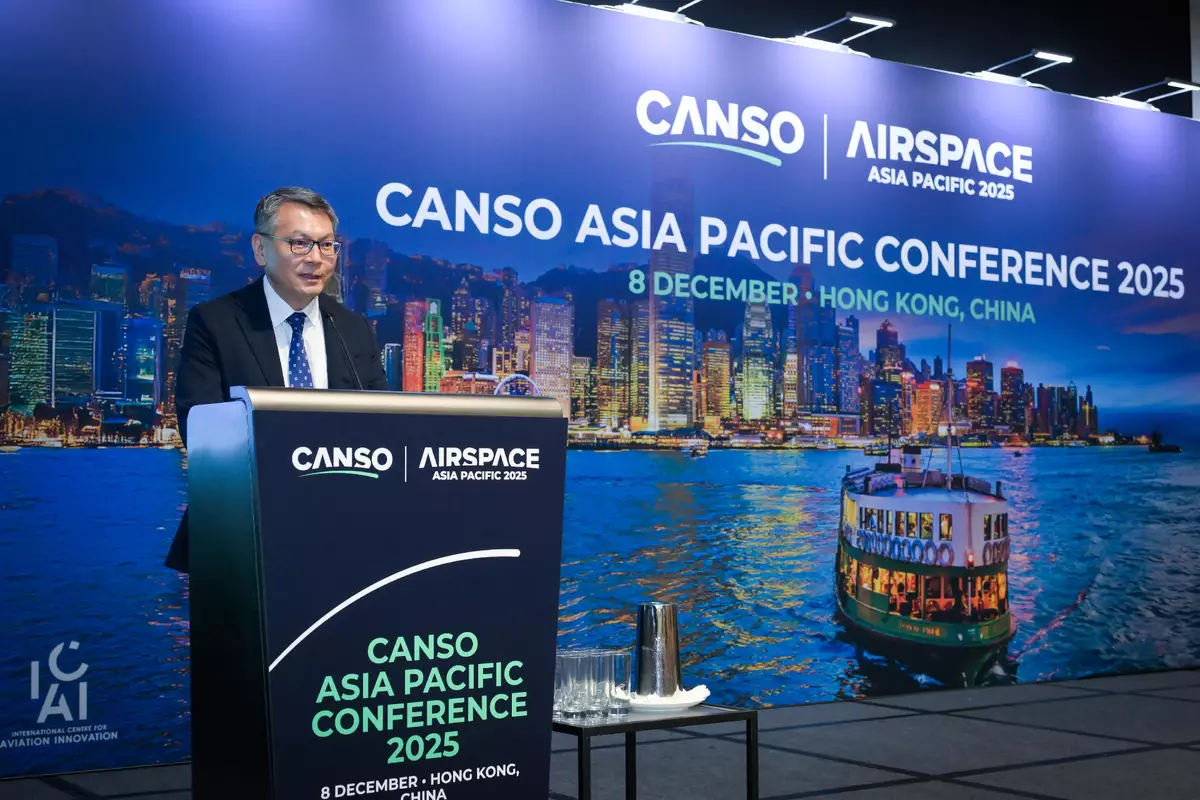
Mr Liu was also invited to deliver an opening speech at the CANSO Asia Pacific Conference 2025 on December 8. Echoing the theme of "Seamless Asia Pacific Airspace - Aviation and Meteorology Integration" this year, Mr Liu shared how Hong Kong utilises meteorological data to respond to severe and unpredictable climate changes to ensure aviation safety.
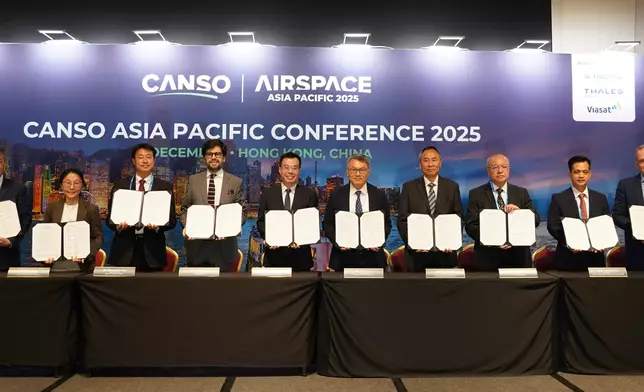
During the event, Mr Liu also met with a number of delegates, including the Director-General of the Civil Aviation Authority of Singapore, Mr Han Kok-juan; the Counsellor for Civil Aviation, Aviation Industry and Space from the Embassy of France in China, Mrs Marion Okunowski; the Director General of the EUROCONTROL, Mr Raúl Medina; and the Chief Executive Officer of National Air Traffic Services, Mr Martin Rolfe, to exchange views on issues of mutual concern.
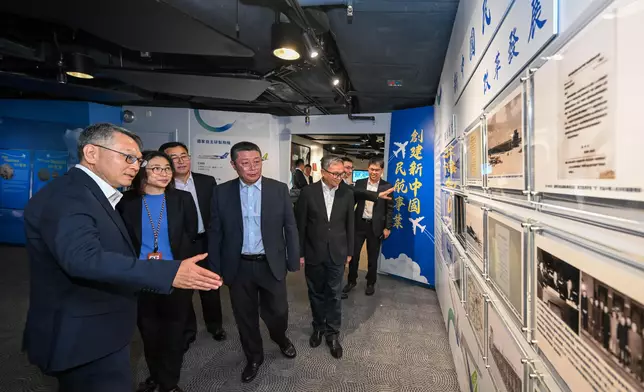
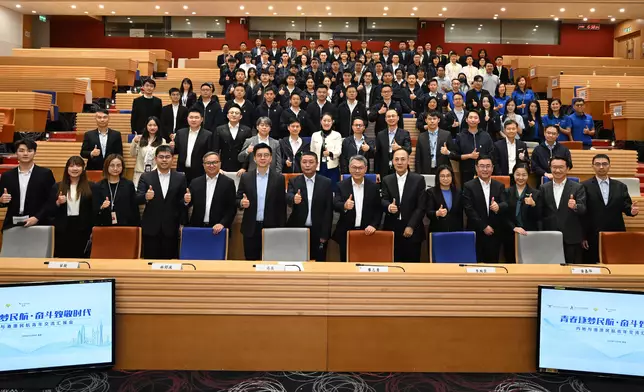
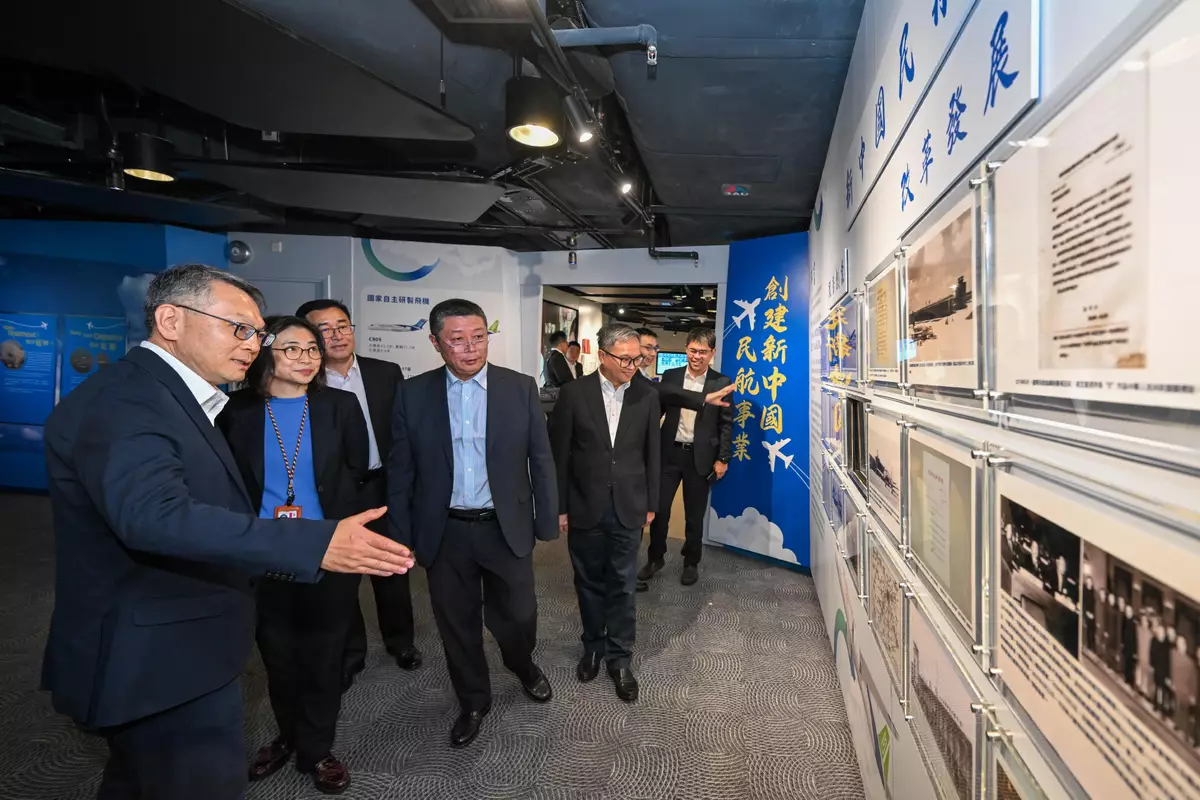
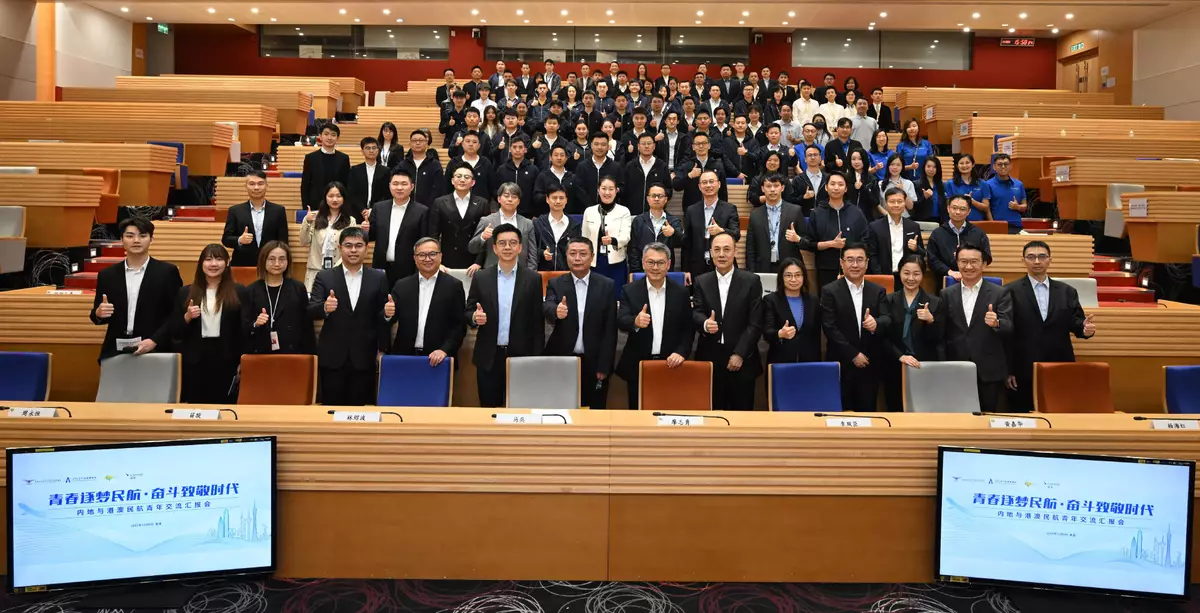
The CAD also took the opportunity to invite the CAAC delegation, including Mr Ma Bing, Mr Miao, and the Director-General of the Central and Southern Regional Administration of the CAAC, Mr Li Shuangchen, to attend the sharing session themed "Quest for dreams, Pay tribute to the era", jointly organised by the Central and Southern Regional Administration and theATMB of the CAAC, and the CAD. Representatives of young civil aviation practitioners from the Mainland, Hong Kong, and Macao shared their experiences and insights from the exchange programme. At the same time, the delegation also visited the exhibition galleries on "Uprising of the Two Airlines" and "Our Country's Achievements in Civil Aviation Development since the founding of the People's Republic of China" at the CAD Aviation Education Path.
Large-scale international aviation exhibition and conferences conclude in Hong Kong Source: HKSAR Government Press Releases
Large-scale international aviation exhibition and conferences conclude in Hong Kong Source: HKSAR Government Press Releases
Large-scale international aviation exhibition and conferences conclude in Hong Kong Source: HKSAR Government Press Releases
Large-scale international aviation exhibition and conferences conclude in Hong Kong Source: HKSAR Government Press Releases
Large-scale international aviation exhibition and conferences conclude in Hong Kong Source: HKSAR Government Press Releases
Large-scale international aviation exhibition and conferences conclude in Hong Kong Source: HKSAR Government Press Releases
Large-scale international aviation exhibition and conferences conclude in Hong Kong Source: HKSAR Government Press Releases