Memorial and educational activities were held across China on Saturday to remember the victims of the Nanjing Massacre in Japan’s aggression against China in 1937.
This Saturday marks the 12th National Memorial Day for the Nanjing Massacre victims, which was formally established on Feb 27, 2014, by the Standing Committee of the 12th National People's Congress, designating Dec 13 as an annual day of remembrance through legislative procedure.
The Nanjing Massacre occurred after Japanese forces captured Nanjing, then the Chinese capital, on Dec 13, 1937, initiating six weeks of slaughter that claimed the lives of more than 300,000 Chinese civilians and unarmed soldiers.
At Huainan Datong Mass Grave Education Hall in east China's Anhui Province, over 200 representatives, from various sectors, each pinning a white flower, attended a memorial ceremony commemorating the National Memorial Day for Nanjing Massacre Victims. As a siren started to blare, all present stood still and observed a moment of silence.
Educational activities for younger generations were also held, with students learning about revolutionary history.
In Jinan, east China's Shandong Province, students from the Second Primary School of Hongjialou watched a documentary on the Nanjing Massacre and read letters that were written to families left by heroes in the War of Resistance Against Japanese Aggression out loud together.
"Through reading family letters, I felt the fearless spirit of our predecessors who resisted Japanese aggression, their willingness to sacrifice themselves for others, and their selfless patriotism," said Wu Ruichen, a student of the school.
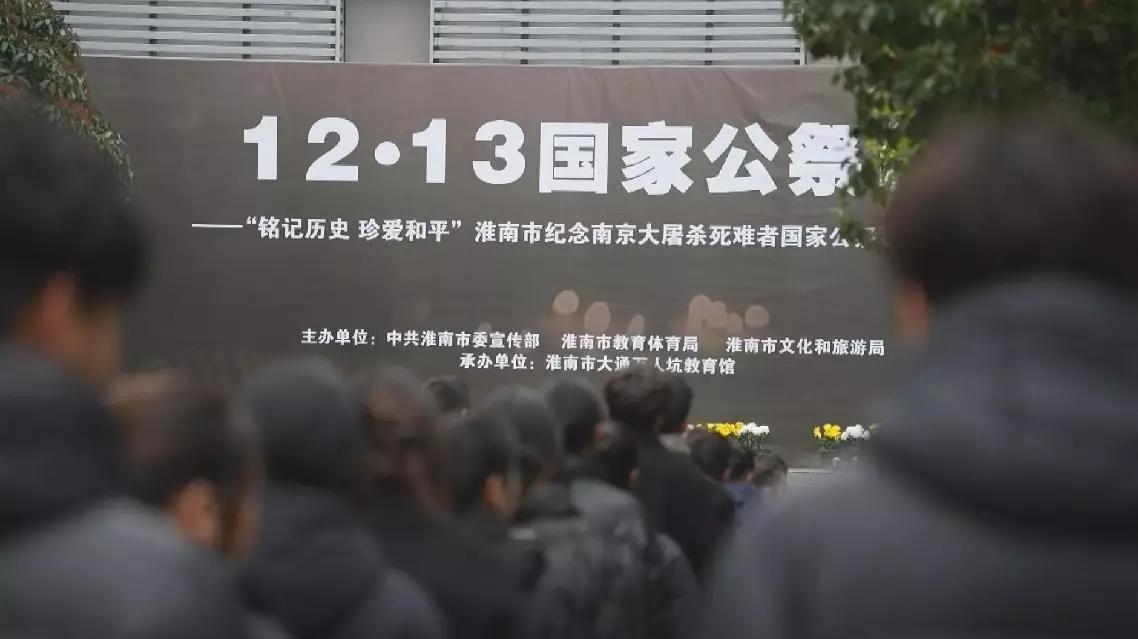
China commemorates Nanjing Massacre victims with nationwide memorial activities
The total number of inter-regional passenger trips across China during the 40-day Spring Festival travel rush, also known as chunyun, reached a record of 9.41 billion, official data showed Saturday.
The figure marked a 4.3 percent increase over the same period in 2025, according to the Ministry of Transport.
Road traffic made up the lion's share of these trips. During the period, about 8.74 billion trips were made by road, increasing by 4.2 percent year on year.
Railway passenger volume reached 540 million, expanding 4.8 percent year on year, according to the ministry.
The country's civil aviation sector recorded 94.39 million passenger trips during the period, up 4.6 percent year on year, while waterway trips surged 15.3 percent from a year ago to 35.97 million.
During the period, China's transportation authorities rolled out various measures to alleviate traffic congestion and enhace the passenger experience.
Instead of simply adding extra trains, many railway stations used ticketing system, big data to dynamically allocate capacity for popular routes. Many railway stations and airports carefully calculated their passenger demands, and then deployed robots to help guide passengers. On expressways, AI-monitoring systems were used to help better manage traffic.
For the first time this year, many train stations rolled out a large luggage delivery service, which means after ordering online, passengers can have their luggages picked up at home and delivered to their departure station or even straight to their destination.
The travel rush, often described as the world's largest annual human migration, highlights China's massive mobility and vibrant economic activity. This year's Spring Festival travel rush started on Feb. 2 and ended on March 13.
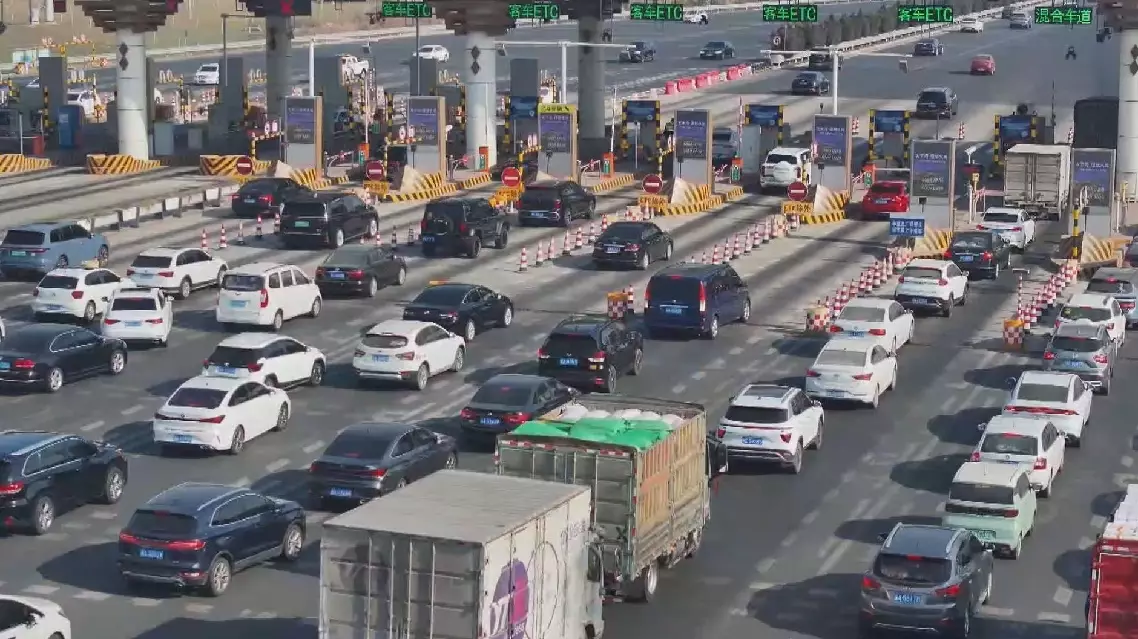
China sees record-high inter-regional trips in Spring Festival travel rush