The Bank of Russia said on Friday that it will take legal action in response to European Union (EU) plans to use its assets, warning that such measures violate international law and the principle of sovereign immunity.
The Russian central bank said in a statement that the mechanisms envisaged by regulations published by the European Commission, which allow for the direct or indirect use of its assets, are illegal. It added that any unauthorized use of its assets violates international law.
The statement said that the issuance and implementation of the EU regulations would lead the Bank of Russia to unconditionally challenge any actions involving the direct or indirect use of its assets without its consent.
According to the bank, such challenges would be pursued through all available competent authorities, including national courts, judicial bodies of foreign states, international organizations, arbitration tribunals, and other international judicial bodies.
It also said it would seek enforcement of relevant judicial decisions in the territories of United Nations member states.
In a separate statement released on the same day, the bank said it is filing a claim in the Moscow Arbitration Court against the Brussels-based securities depository Euroclear, where most of the frozen Russian assets are held.
"The actions of the Euroclear depository caused damage to the Bank of Russia due to the inability to manage cash and securities belonging to the Bank of Russia," it added.
The European Commission published a plan on Dec 3 to use frozen Russian assets to support Ukraine, reducing the funding amount from up to 186 billion U.S. dollars to around 105 billion dollars. Belgium rejected the EU plan, saying the proposal fails to address the financial and legal risks it faces.
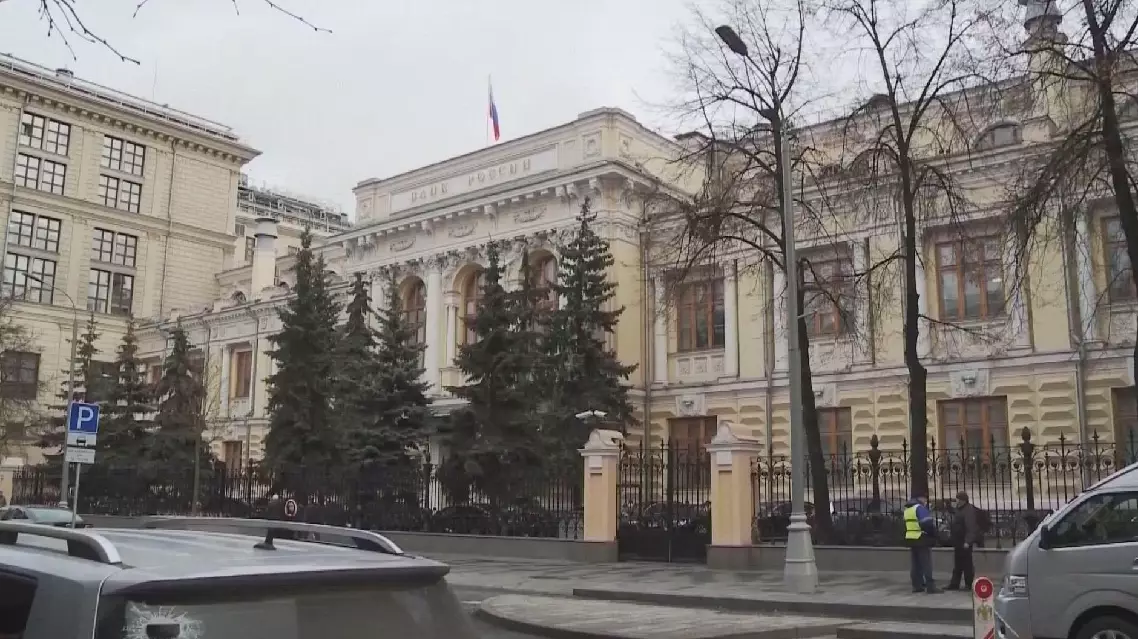
Russian central bank warns of legal action over EU plan on assets
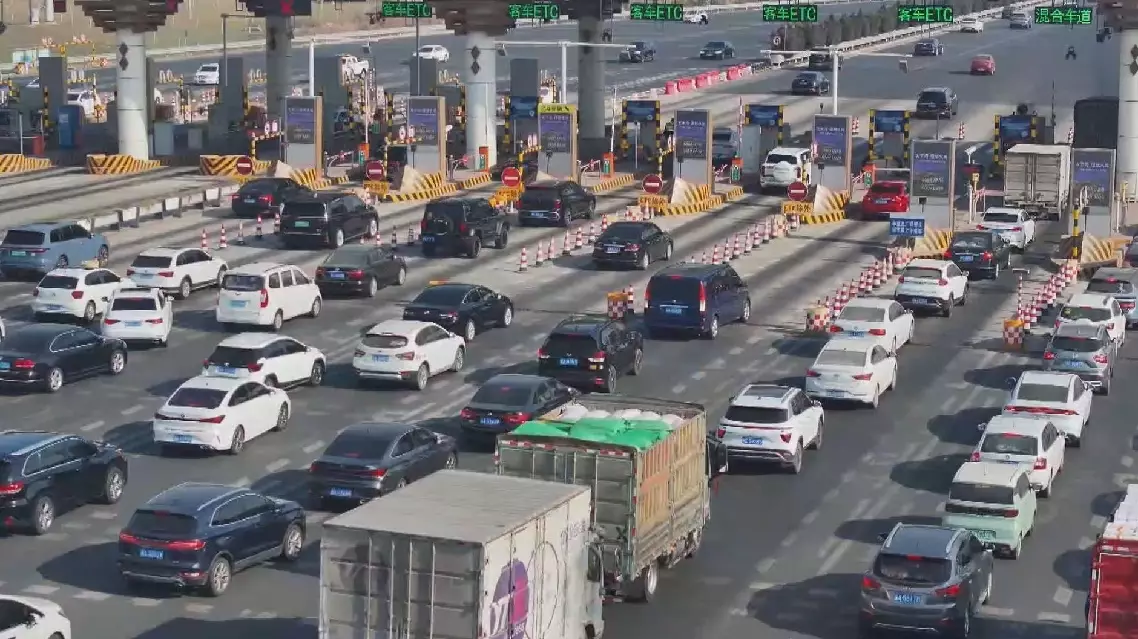
China's expanding ties with the Global South have pushed trade growth far beyond the global average despite the tariff pressure from the U.S., according to experts.
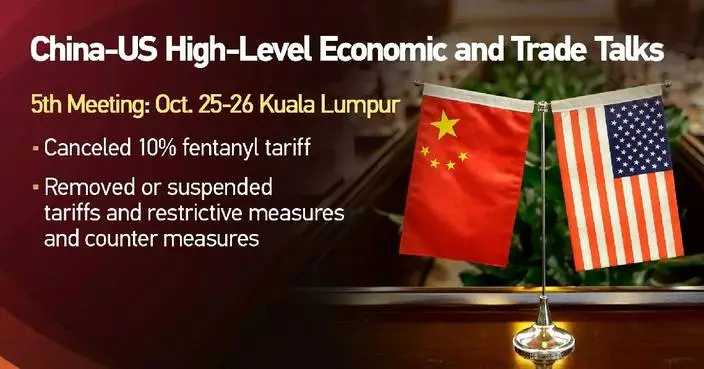
"Whilst the Trump tariffs ultimately led to a significant drop-off in Chinese exports to the United States and vice versa, the trading relationships across much of the rest of the world continue to grow, and China's trading relationships across the Belt and Road Initiative countries, as well as with the Global South, more broadly speaking, has grown at rates far greater than global trade growth as a whole. And we see that evidenced by the latest data. When we break that down, we see that has been underpinned by the developments in high-technology products in particular, whether it's EVs, whether it's even in semiconductors, as well as photovoltaic panels, etc.," said Dr. Warwick Powell, an adjunct professor at the Queensland University of Technology, in a TV interview with China Global Television Network (CGTN) on Thursday.
"And you've got to look at the places where the growth is taking place. Africa, I think, is a very interesting case in point, because the kinds of things that China has been exporting and expanding in terms of its exports are all about African economic development -- its machinery, its energy systems, its technology, and this really goes to delivering on China's broader strategic ambition as an emerging great power to be an enabling great power, supporting the development of its partners around the world," he added.
Qian Jun, executive dean of International School of Finance at Fudan University, attributed the trade growth to Chinese firms' endeavor to tap into key regions like ASEAN, Latin America, the Middle East and Africa.
"The main increase of export comes from, as we have discussed, these new areas: The ASEAN economy -- southeast Asia remains the most important trading partner -- and also Latin America, the Middle East, and these [other such] new regions. So, the exporters of the Chinese companies are also very good at adjusting their destinies, their strategies, how to market their goods and services, so that the reliance on the U.S., for example, has gone down a lot," Qian said.
China's trade momentum increasingly powered by Global South: experts