As China marked the 12th National Memorial Day for the 300,000 victims killed by Japanese aggressor troops during the 1937 Nanjing Massacre on Saturday, Taiwan compatriot Wang Sung-bo, on this particular occasion, shared stories of his family's wartime legacy and his own reflections on peace.
The 73-year-old Wang now lives in Chengdu, capital city of southwest China's Sichuan Province. Wang, himself a former soldier, is a son of veterans of the Chinese People's War of Resistance Against Japanese Aggression. His father served as an officer in the 208th Division of the Youth Army, while his mother was a warrant officer in the Kuomintang's Central Training Corps in Nanjing. He said that their generation endured hardship and sacrifice and the stability enjoyed today was built on their devotion.
"So relaxing! What a sunny day. So many people are having tea here. As we say in the Chengdu dialect: so cozy and satisfying. The prosperity and strength of our country today was created by so many of our predecessors. In our lives of peace and comfort, we must never forget who have made it possible," Wang said.
Wang said his father once worked for the intelligence agency of the Chinese Kuomintang Party and stayed behind to observe how the Communist Party of China governed after taking power. His father witnessed policies and measures aimed at improving the people's lives, which left a deep impression.
"A good form of government is something the people can see with their own eyes. Now, I'm living happily in my great motherland, in Chengdu. Why? It is the system, the policies, and the government that have actively made performances, with the heart on the state. I can deeply feel it. There are some things about Taiwan that our compatriots there might not know yet. They might have been deluded by the current Taiwan authorities," Wang said.
He also urged his fellow members of his generation, as well as those to come, to dedicate themselves to the nation's rejuvenation and the cause of reunification.
"My father's generation witnessed a lot of upheavals. So, they cherish peace even more. During my years in the military, I gradually came to understand this saying: Once you've experienced a little hardship, you'll know how precious stability is. Peace is the simplest yet most precious form of happiness," Wang said.
The Nanjing Massacre took place when Japanese aggressor troops captured the then-Chinese capital on Dec. 13, 1937. Over the course of six weeks, they proceeded to kill approximately 300,000 Chinese civilians and unarmed soldiers in one of the most barbaric episodes of World War II.
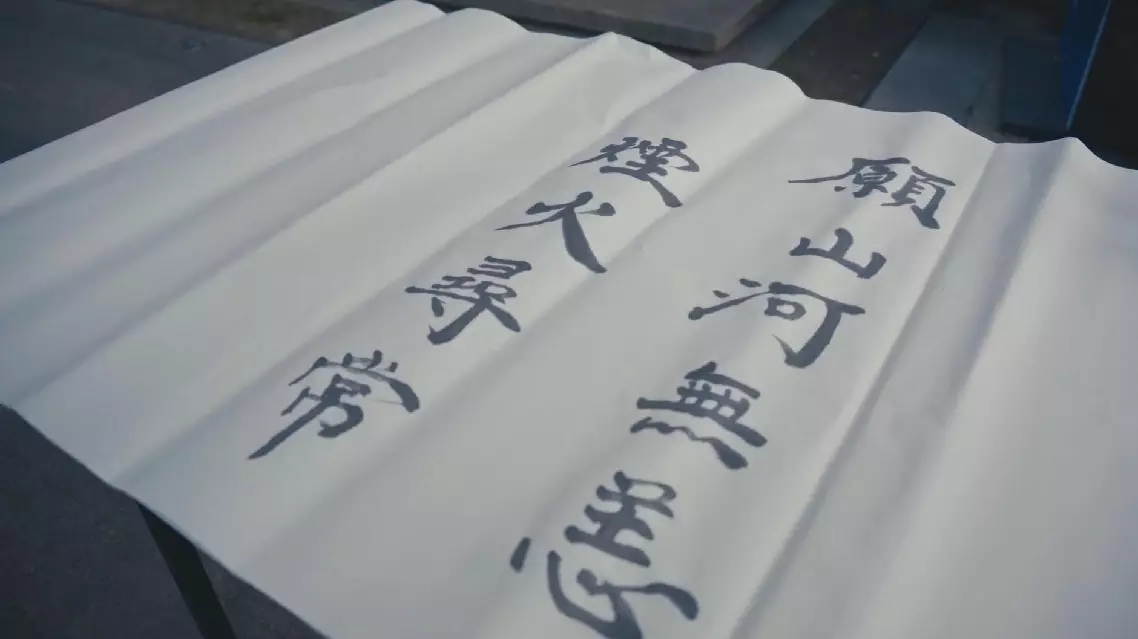
Taiwan compatriot shares ancestors' stories on Nanjing Massacre Memorial Day