BRUSSELS (AP) — Over the course of 2025, a new reality has sunk in for Europe. The United States, long its strongest ally, has chipped away at the European Union's unity, economies, security and even its democracies, setting the backdrop for an EU summit this week at the end of an exceptionally trying year.
After putting an indefinite freeze last week on Russian assets in Europe, EU leaders face a new test of strength at Thursday's summit. Ukraine is in dire financial straits, and they have promised to meet Kyiv's economic and military needs for the next two years, most probably through a new reparations loan.
Click to Gallery
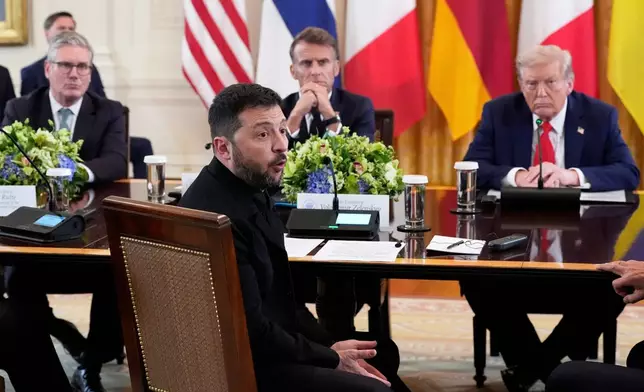
FILE - Ukraine's President Volodymyr Zelenskyy speaks as British Prime Minister Keir Starmer, seated from background left, France's President Emmanuel Macron and President Donald Trump listen during a meeting in the East Room of the White House, Aug. 18, 2025, in Washington. (AP Photo/Alex Brandon, File)
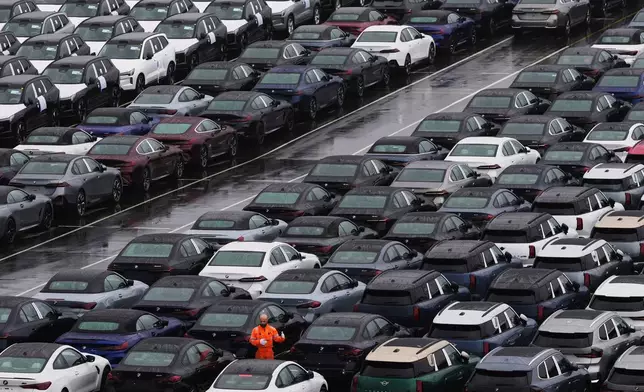
FILE - A worker checks on new cars parked in a lot at the International Car Operators terminal in the Port of Zeebrugge, Belgium, July 31, 2025. (AP Photo/Virginia Mayo, File)
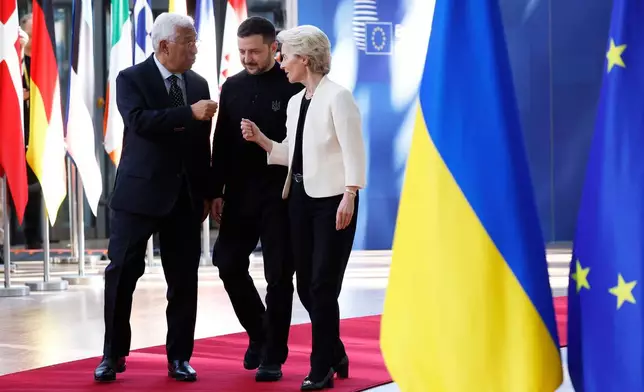
FILE - From left, European Council President Antonio Costa, Ukraine's President Volodymyr Zelenskyy and European Commission President Ursula von der Leyen arrive for an EU Summit at the European Council building in Brussels, March 6, 2025. (AP Photo/Omar Havana, File)
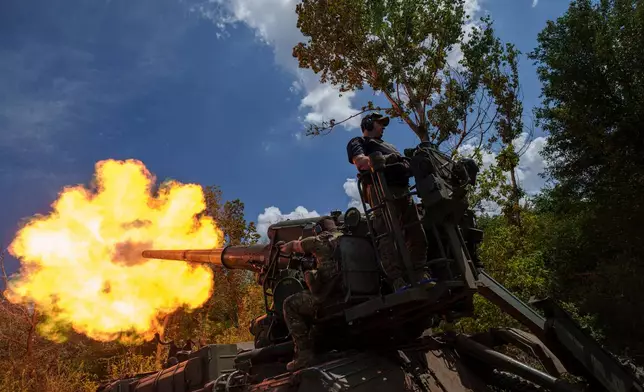
FILE - Ukrainian soldiers, of 43rd artillery brigade, fire by 2s7 self-propelled howitzer towards Russian positions at the frontline in Donetsk region, Ukraine, June 24, 2024. (AP Photo/Evgeniy Maloletka, File)
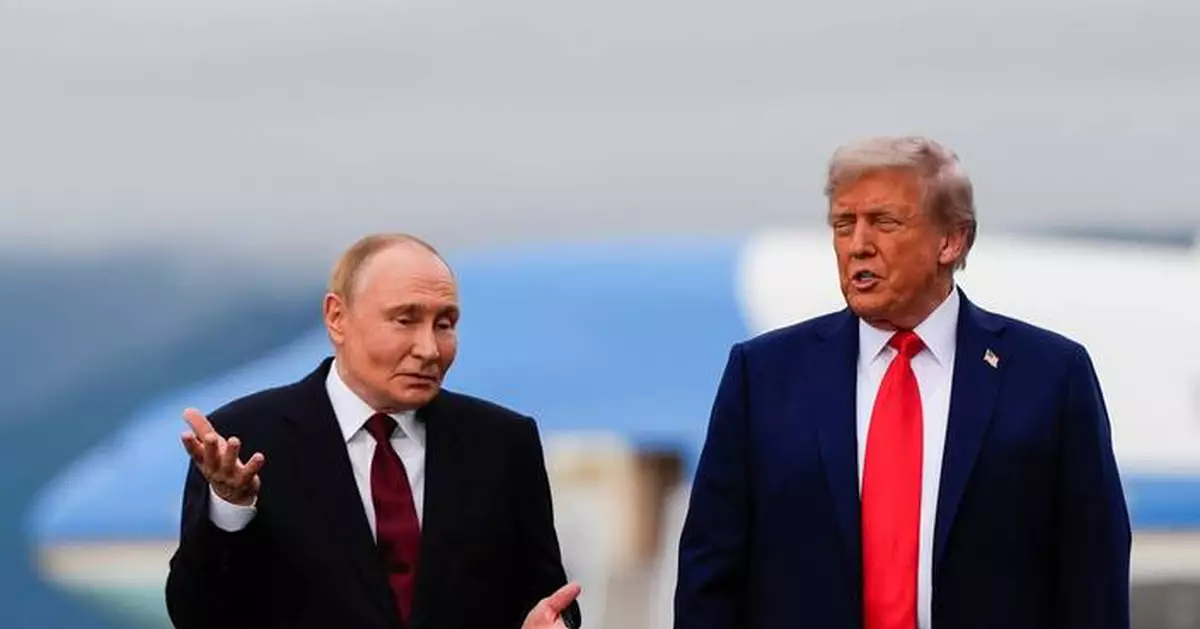
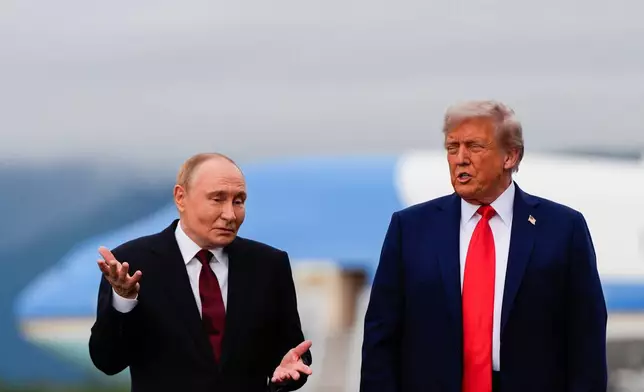
FILE - President Donald Trump and Russia's President Vladimir Putin talk, Aug. 15, 2025, at Joint Base Elmendorf-Richardson, Alaska. (AP Photo/Julia Demaree Nikhinson, File)
“It’s crunch time for Europe and Ukraine,” warned Danish Foreign Minister Lars Løkke Rasmussen, whose country holds the EU's rotating presidency. "We need to take this decision in order to secure the Ukrainian economy, but also in order to send a signal to the rest of the world, which will include the White House in (Washington) D.C., that Europe is a strong geopolitical player.”
As the continent’s biggest land war in decades rages on, the Europeans have been tested by President Donald Trump’s threats, his support for Europe’s far right, and his camaraderie with Russian President Vladimir Putin. At first they responded with flattery. Less so in recent months.
Since January, as the leaders have tried to keep Ukraine in the fight against its bigger neighbor, Trump has switched back and forth, appearing to support Kyiv one month, Russia the next. He has mostly remained critical of Europe, and that criticism now has a sharper edge.
European leaders have worked to fill the gap and shore up military support for Ukraine, but they concede that the United States is an irreplaceable partner, and Trump is the only person Putin might talk peace with.
German Chancellor Friedrich Merz warned last week that “we are really witnessing a watershed moment now and nothing is the way it was before. We’re living in a different time, and this time requires different responses than we’ve given in the past.”
Weeks after Trump returned to office in January, his administration signaled that U.S. security interests lie elsewhere: Europe must now look after itself and Ukraine, whose president was humiliated at a White House meeting in February.
Days later, Vice President JD Vance met with a far-right leader in Germany, claiming that free speech is in retreat in Europe, sparking allegations of election interference.
Vance’s themes were developed this month in a U.S. National Security Strategy. The text also attacked EU migration policy, suggesting that Europe faces “the prospect of civilizational erasure” and might not be reliable as an American partner.
Judy Dempsey, from the Carnegie Europe think tank, said that “Europe has no choice but to respond.”
“Europe and the rest of the world now know how poorly this U.S. administration regards them and they cannot keep pretending otherwise,” she said.
Merz is already speaking more forcefully. “We in Europe, and so also in Germany, must become much more independent from the U.S. in terms of security policy. This is not a surprise, but it has now been confirmed again,” he said.
Another troubling document for the EU was circulated last month: the Trump administration’s 28-point plan to end the war, drafted with Russia. It contained old Kremlin demands, promises of Russian business opportunities and a call to rehabilitate Putin on the world stage.
It was mostly unacceptable to Ukraine and its European backers. Not so to Russia as it tries to drive a wedge between the U.S. and the allies. Trump, Russian Foreign Minister Sergey Lavrov said, is “the only Western leader” who shows “an understanding of the reasons that made war in Ukraine inevitable.”
Back in April, on so-called Liberation Day, Trump announced sweeping tariffs across the globe to protect national security. He said that “our country has been looted, pillaged, raped and plundered” by other nations, including U.S. allies in the world's biggest security organization, NATO.
Trump declared an economic emergency. By July, he and the EU had agreed a trade framework setting a 15% tariff on most goods, staving off far higher import duties.
The response of the EU has been to seek deals with other jilted partners, notably throughout Asia. The world's biggest trading bloc has also accepted that higher tariffs were probably the best price to pay for continued U.S. support in Ukraine.
Unsettled by the trade rift, Europeans at NATO still agreed to Trump’s demand that they invest 5% of GDP on defense, although it remains unclear whether many will hit the target by the 2035 deadline when they have struggled to meet the old 2% target.
Still, the EU has since taken its foot off the defense spending brakes and aims to be capable of defending against outside attack by 2030. Officials believe Putin could order an attack elsewhere in Europe in three to five years should Russia defeat Ukraine.
In fresh warnings this week, Blaise Metreweli, the new head of the U.K. MI6 spy agency said that Putin’s “export of chaos” is likely to continue until he “is forced to change his calculus.” British Armed Forces head Air Chief Marshal Richard Knighton said that the Russia leader’s aim is “to challenge, limit, divide and ultimately destroy NATO.”
Thursday's EU summit, with its focus on funding Ukraine's economy and military effort over the next two years, is another step alone without the United States. EU Council President António Costa, who will chair the meeting, has threatened to keep the leaders at EU headquarters for days until an agreement is reached.
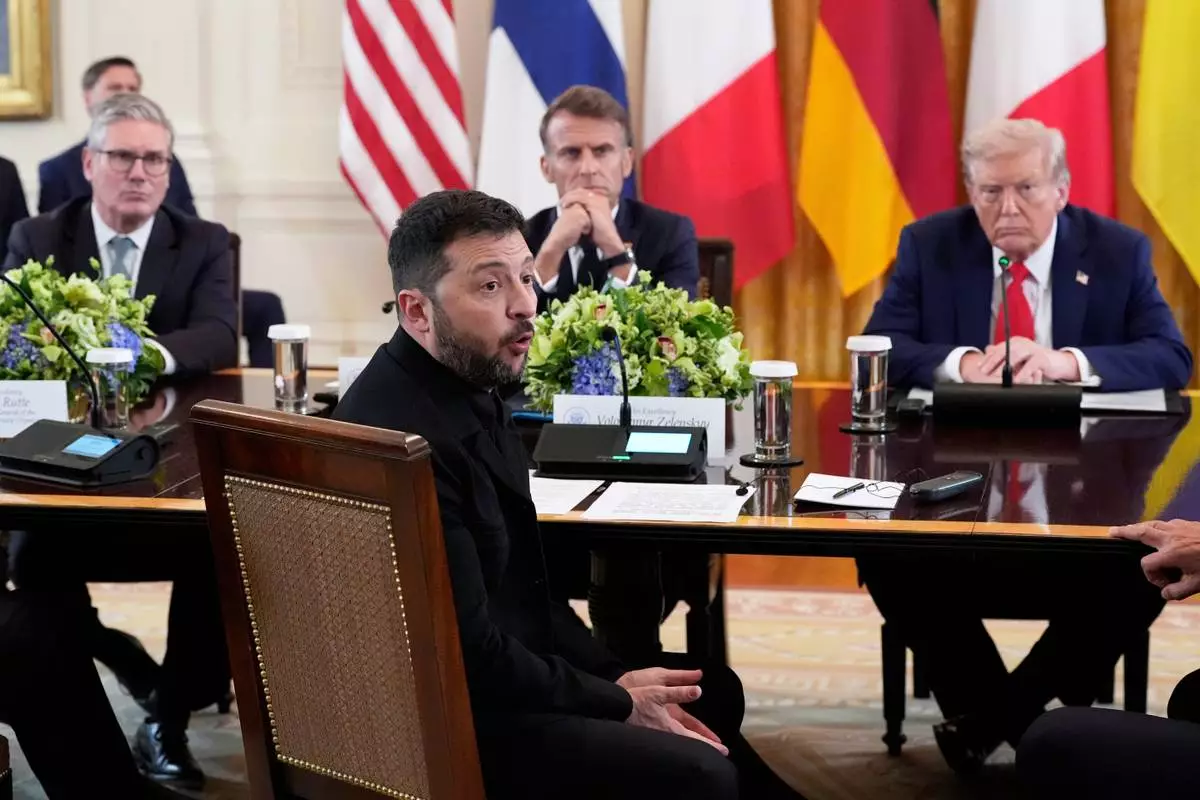
FILE - Ukraine's President Volodymyr Zelenskyy speaks as British Prime Minister Keir Starmer, seated from background left, France's President Emmanuel Macron and President Donald Trump listen during a meeting in the East Room of the White House, Aug. 18, 2025, in Washington. (AP Photo/Alex Brandon, File)
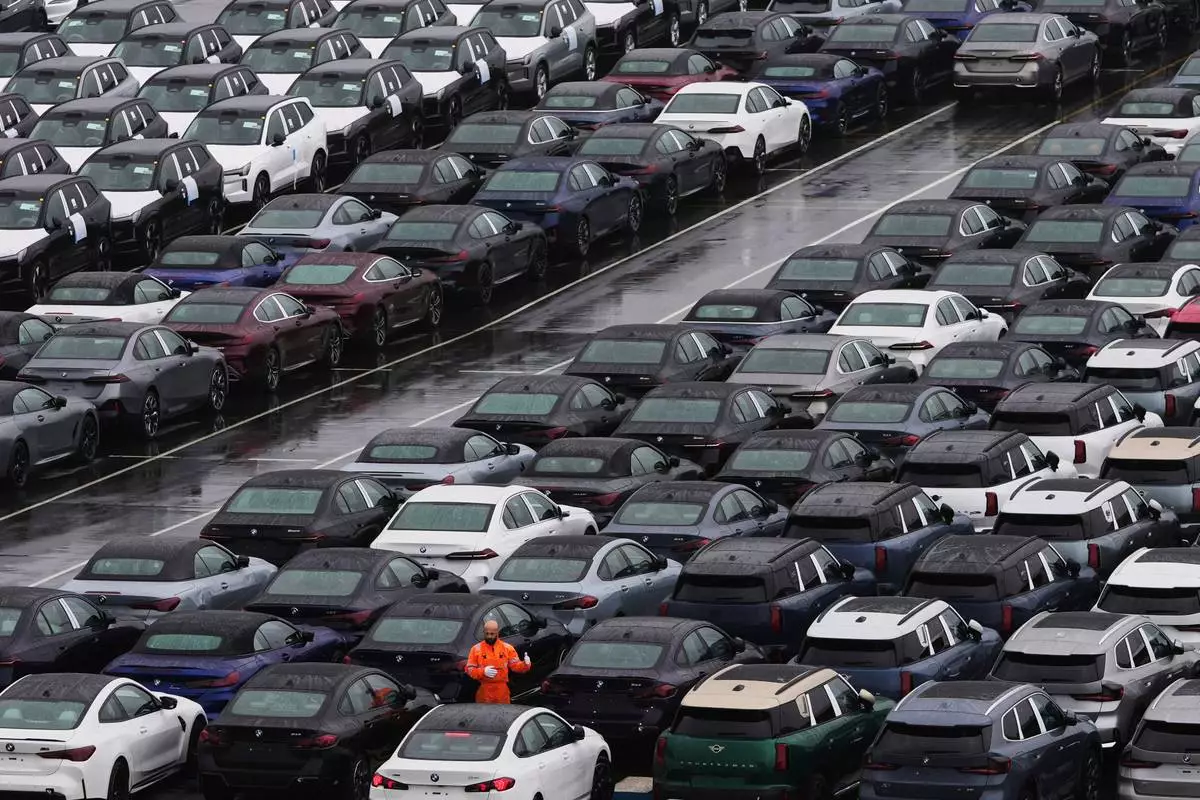
FILE - A worker checks on new cars parked in a lot at the International Car Operators terminal in the Port of Zeebrugge, Belgium, July 31, 2025. (AP Photo/Virginia Mayo, File)
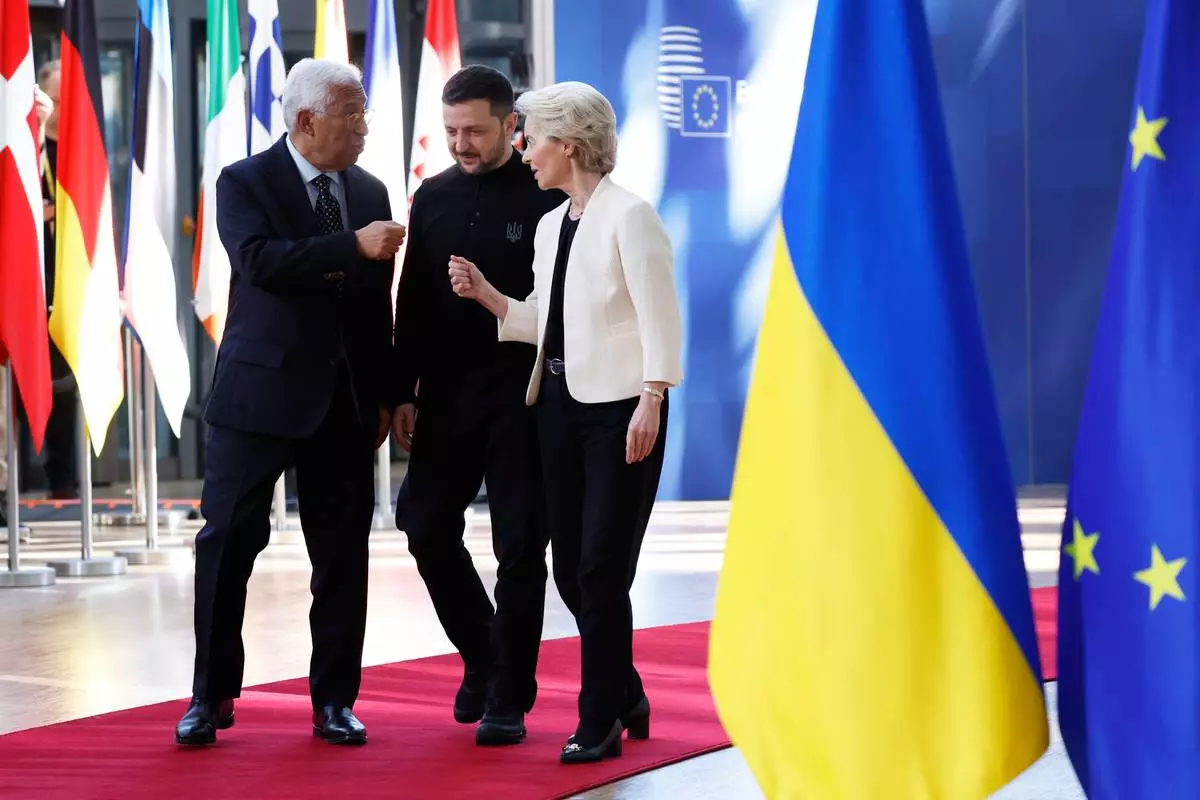
FILE - From left, European Council President Antonio Costa, Ukraine's President Volodymyr Zelenskyy and European Commission President Ursula von der Leyen arrive for an EU Summit at the European Council building in Brussels, March 6, 2025. (AP Photo/Omar Havana, File)
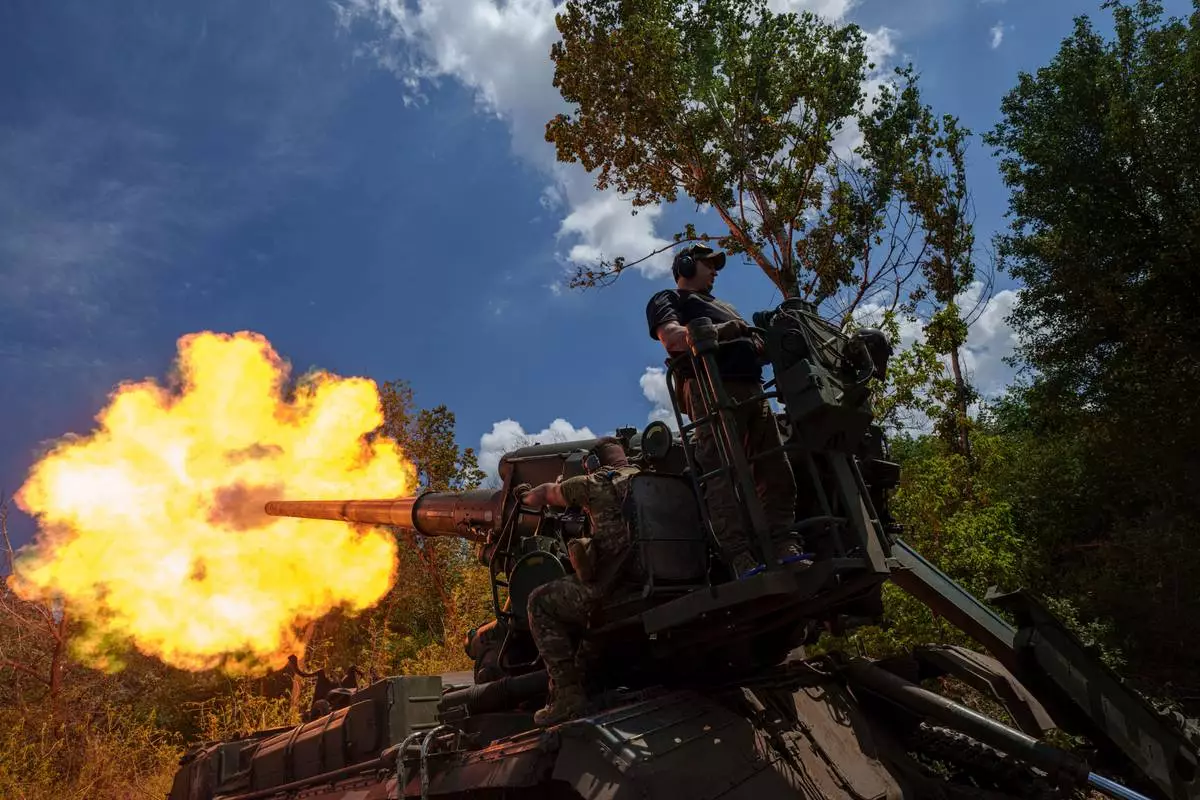
FILE - Ukrainian soldiers, of 43rd artillery brigade, fire by 2s7 self-propelled howitzer towards Russian positions at the frontline in Donetsk region, Ukraine, June 24, 2024. (AP Photo/Evgeniy Maloletka, File)
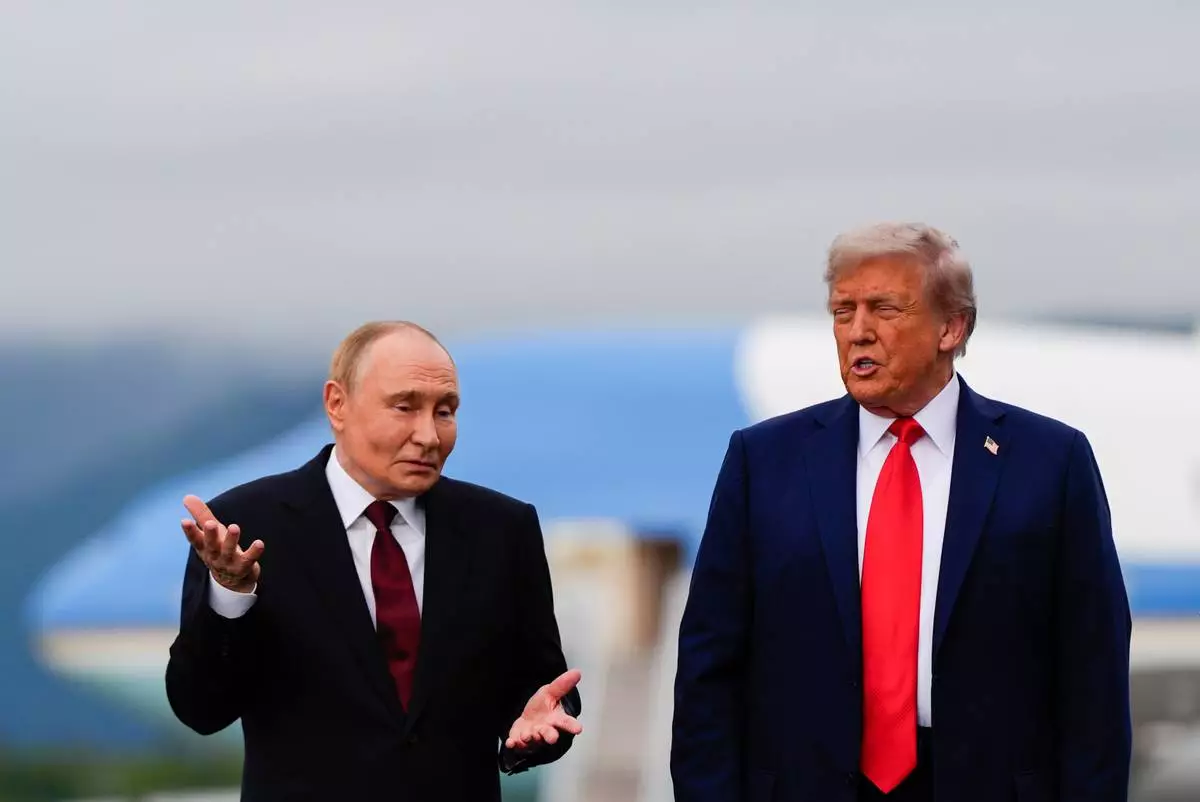
FILE - President Donald Trump and Russia's President Vladimir Putin talk, Aug. 15, 2025, at Joint Base Elmendorf-Richardson, Alaska. (AP Photo/Julia Demaree Nikhinson, File)
WASHINGTON (AP) — Defense Secretary Pete Hegseth said Tuesday the Pentagon will not publicly release unedited video of a U.S. military strike that killed two survivors of an initial attack on a boat allegedly carrying cocaine in the Caribbean, as questions mounted in Congress about the incident and the overall buildup of U.S. military forces near Venezuela.
Hegseth said members of the Armed Services Committee in the House and Senate would have an opportunity this week to review the video, but did not say whether all members of Congress would be allowed to see it as well.
“Of course we're not going to release a top secret, full, unedited video of that to the general public,” Hegseth told reporters as he exited a closed-door briefing with senators.
President Donald Trump’s Cabinet members overseeing national security were on Capitol Hill on Tuesday to defend a campaign that has killed at least 95 people in 25 known strikes on vessels in international waters in the Caribbean and eastern Pacific. Overall, they defended the campaign as a success, saying it has prevented drugs from reaching American shores, and they pushed back on concerns that it is stretching the bounds of lawful warfare.
Secretary of State Marco Rubio told reporters the campaign is a “counter-drug mission” that is “focused on dismantling the infrastructure of these terrorist organizations that are are operating in our hemisphere, undermining the security of Americans, killing Americans, poisoning Americans.”
Lawmakers have been focused on the Sept. 2 attack on two survivors as they sift through the rationale for a broader U.S. military buildup in the region. On the eve of the briefings, the U.S. military said it attacked three more boats believed to have been smuggling drugs in the eastern Pacific Ocean, killing eight people.
Senate Democratic leader Chuck Schumer said Hegseth had come “empty handed” to the briefing, without the video of the Sept. 2 strike.
“If they can’t be transparent on this, how can you trust their transparency on all the other issues swirling about in the Caribbean?” the New York Democrat said.
Senators on both sides of the aisle said the officials left them in the dark about Trump's goals when it comes to Venezuelan President Nicolás Maduro or sending U.S. forces directly to the South American nation.
“I want to address the question, is it the goal to take him out? If it’s not the goal to take him out, you’re making a mistake,” said Sen. Lindsey Graham, a South Carolina Republican who defended the legality of the campaign and said he wanted to see Maduro removed from power.
The U.S. has deployed warships, flown fighter jets near Venezuelan airspace and seized an oil tanker as part of its campaign against Maduro, who has insisted the real purpose of the U.S. military operations is to force him from office. Maduro said on a weekly state television show Monday that his government still does not know the whereabouts of the tanker’s crew. He criticized the United Nations for not speaking out against what he described as an “act of piracy” against “a private ship carrying Venezuelan oil.”
Trump's Republican administration has not sought any authorization from Congress for action against Venezuela. The go-it-alone approach, experts say, has led to problematic military actions, none more so than the strike that killed two people who had climbed on top of part of a boat that had been partially destroyed in an initial attack.
“If it’s not a war against Venezuela, then we’re using armed force against civilians who are just committing crimes,” said John Yoo, a Berkeley Law professor who helped craft the George W. Bush administration's legal arguments and justification for aggressive interrogation after the Sept. 11, 2001, attacks. “Then this question, this worry, becomes really pronounced. You know, you’re shooting civilians. There’s no military purpose for it."
Yet for the first several months, Congress received little more than a trickle of information about why or how the U.S. military was conducting the operations. At times, lawmakers have learned of strikes from social media after the Pentagon posted videos of boats bursting into flames.
Hegseth now faces language included in an annual military policy bill that threatens to withhold a quarter of his travel budget if the Pentagon does not provide unedited video of the strikes to the House and Senate Committees on Armed Services.
For some, the controversy over the footage demonstrates the flawed rationale behind the entire campaign.
“The American public ought to see it. I think shooting unarmed people floundering in the water, clinging to wreckage, is not who we are as a people," said Sen. Rand Paul, a Kentucky Republican who has been an outspoken critic of the campaign.
But senators were told the Trump administration won’t release all of the Sept. 2 attack footage because it would reveal U.S. military practices on intelligence gathering, said Democratic Sen. Elizabeth Warren of Massachusetts. She said the reasoning ignores that the military has already released footage of the initial attack.
“They just don’t want to reveal the part that suggests war crimes,” she said.
Some GOP lawmakers are determined to dig into the details of the Sept. 2 attack. Adm. Frank “Mitch” Bradley, who ordered the second strike, was expected back on Capitol Hill on Wednesday for classified briefings with the Senate and House Armed Services committees. The committees would also review video of the Sept. 2 strikes, Hegseth said.
Still, many Republicans emerged from the briefings backing the campaign, defending their legality and praising the “exquisite intelligence” that is used to identify targets. House Speaker Mike Johnson called the strike “certainly appropriate” and “necessary to protect the United States and our interests.”
__
Associated Press writer Regina Garcia Cano in Caracas, Venezuela, contributed reporting.
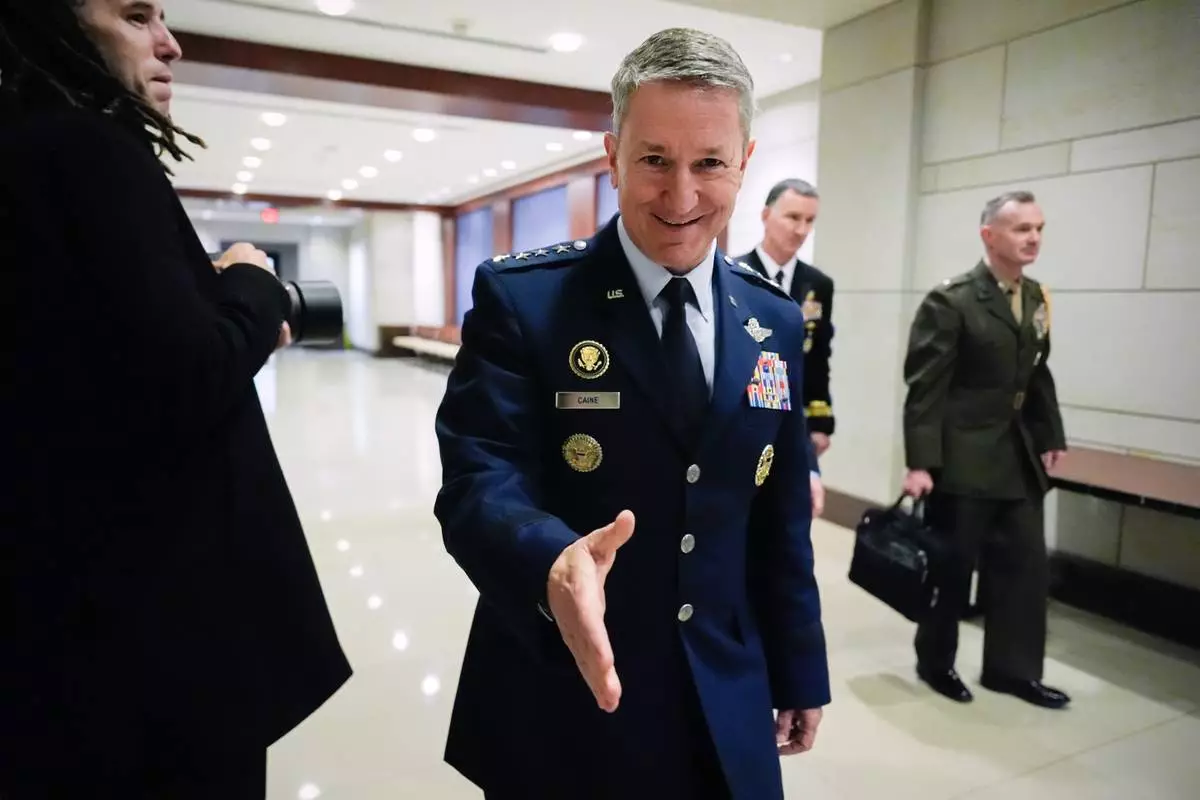
Chairman of the Joint Chiefs Air Force Gen. Dan Caine arrives to brief members of Congress on military strikes near Venezuela, Tuesday, Dec. 16, 2025, at the Capitol in Washington. (AP Photo/Julia Demaree Nikhinson)
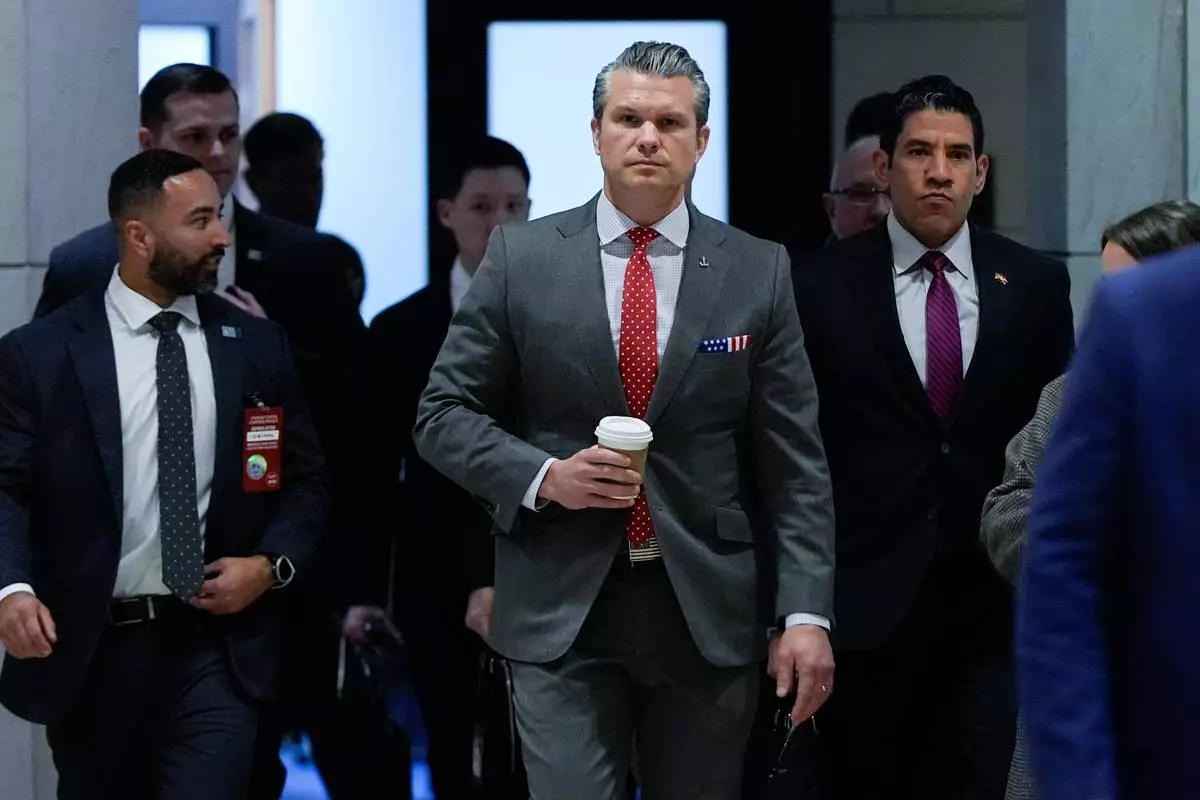
Defense Secretary Pete Hegseth arrives to brief members of Congress on military strikes near Venezuela, Tuesday, Dec. 16, 2025, at the Capitol in Washington. (AP Photo/Julia Demaree Nikhinson)
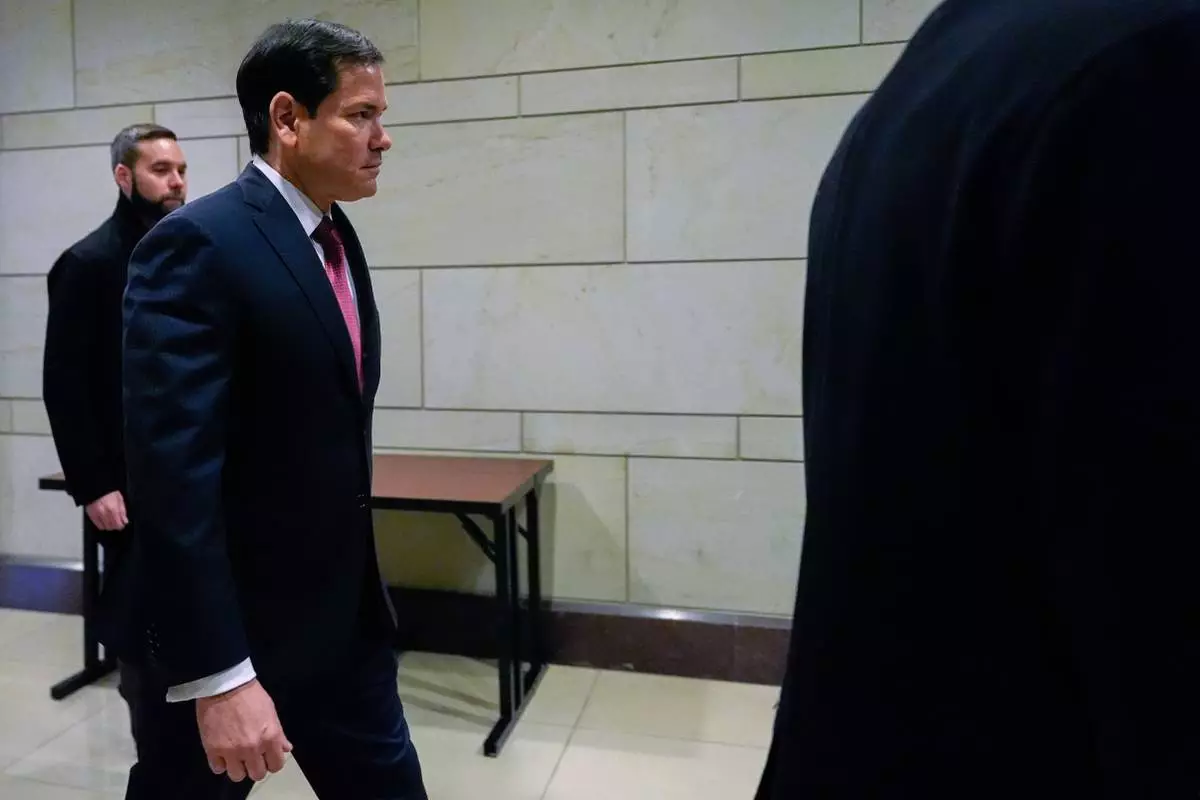
Secretary of State Marco Rubio arrives to brief members of Congress on military strikes near Venezuela, Tuesday, Dec. 16, 2025, at the Capitol in Washington. (AP Photo/Julia Demaree Nikhinson)
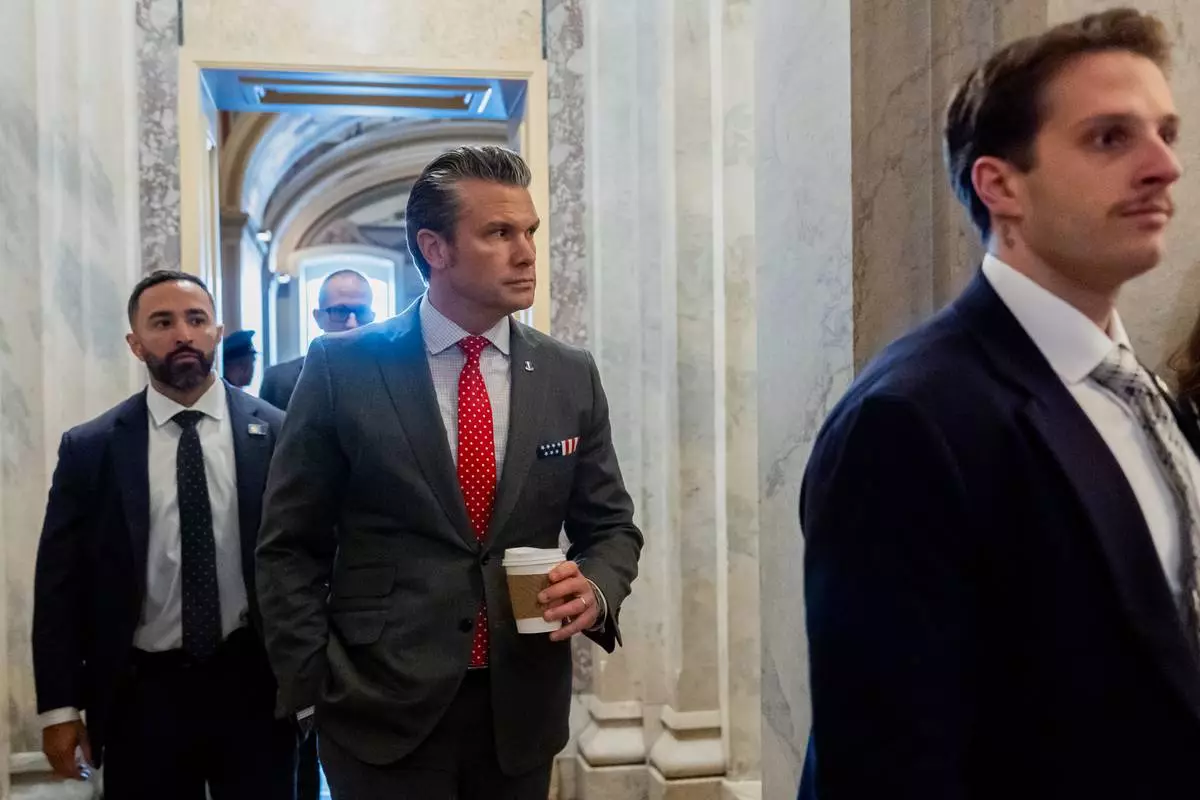
Defense Secretary Pete Hegseth departs the Capitol after briefing members of Congress on military strikes near Venezuela, Tuesday, Dec. 16, 2025, in Washington. (AP Photo/Julia Demaree Nikhinson)
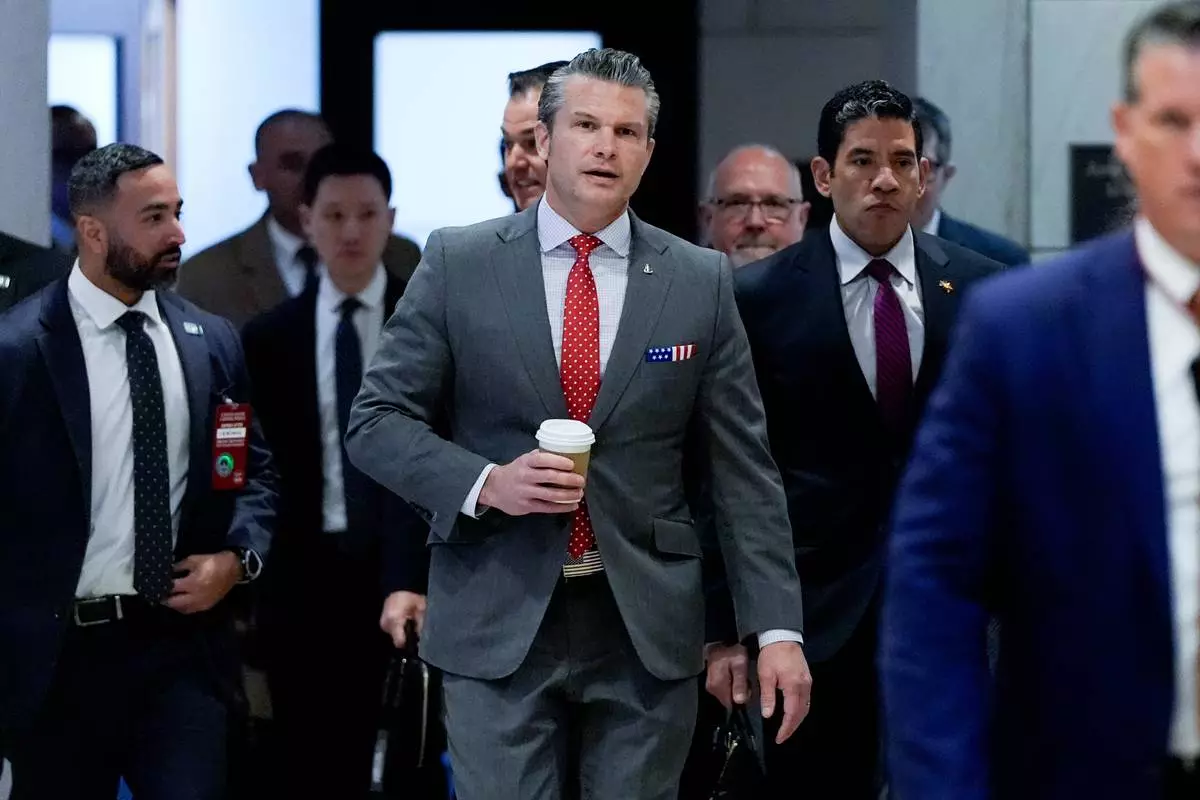
Defense Secretary Pete Hegseth arrives to brief members of Congress on military strikes near Venezuela, Tuesday, Dec. 16, 2025, at the Capitol in Washington. (AP Photo/Julia Demaree Nikhinson)
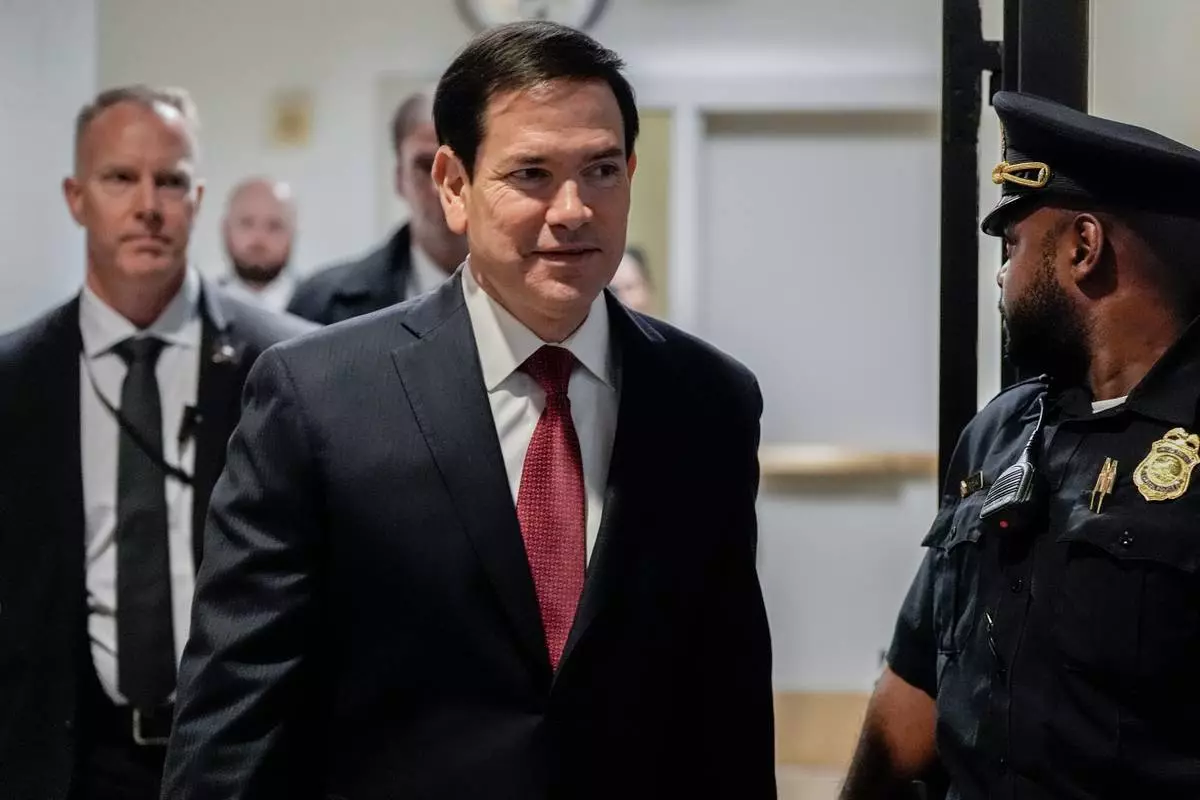
Secretary of State Marco Rubio walks to a secure room in the basement of the Capitol to brief senators on military strikes near Venezuela, Tuesday, Dec. 16, 2025, in Washington. (AP Photo/Julia Demaree Nikhinson)
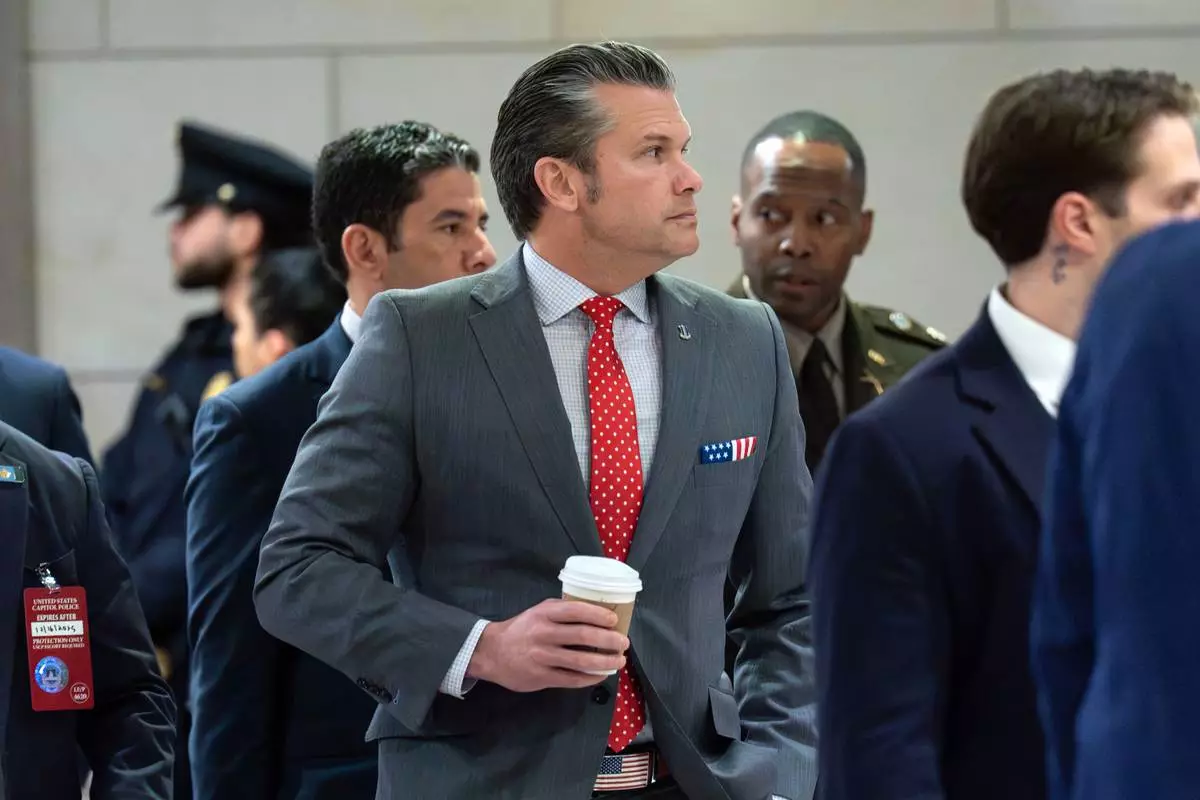
Defense Secretary Pete Hegseth walks to the auditorium to brief members of congress on military strikes near Venezuela at the Capitol, Tuesday, Dec. 16, 2025, in Washington. (AP Photo/Jose Luis Magana)
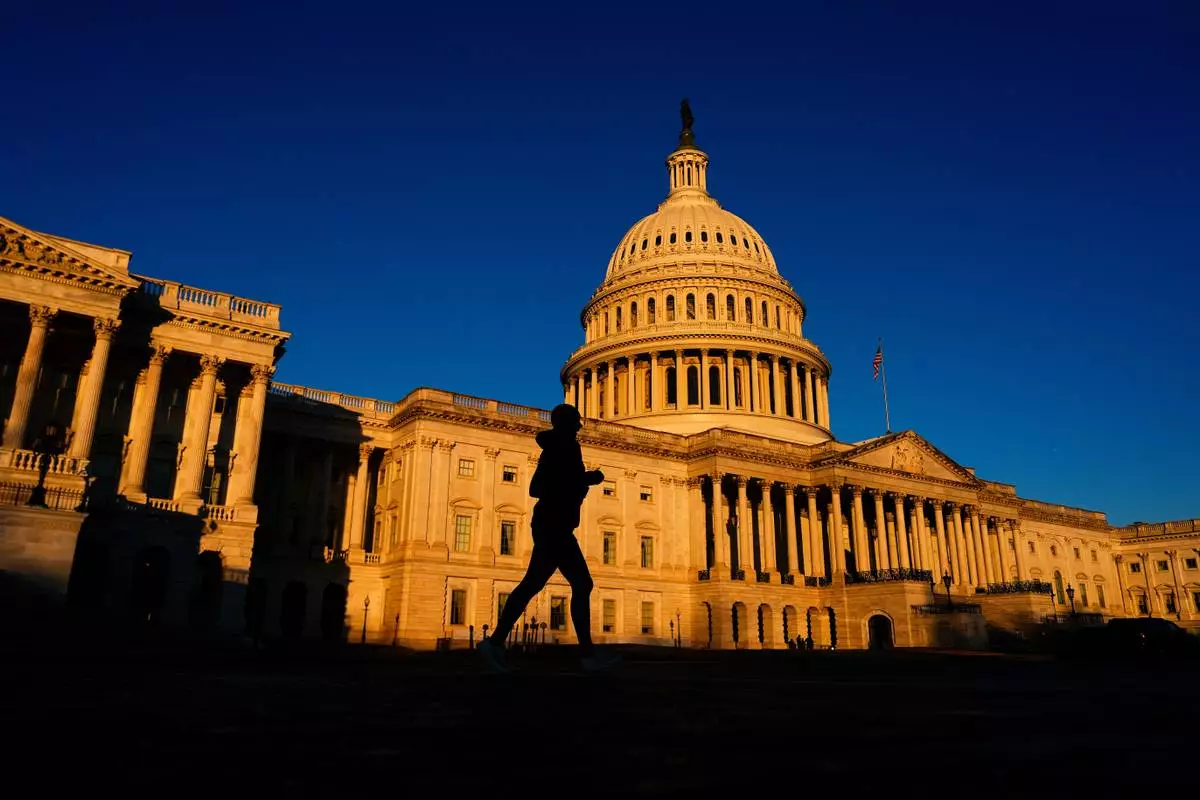
A runner jogs past the U.S. Capitol shortly after sunrise, Tuesday, Dec. 16, 2025, in Washington. (AP Photo/Julia Demaree Nikhinson)
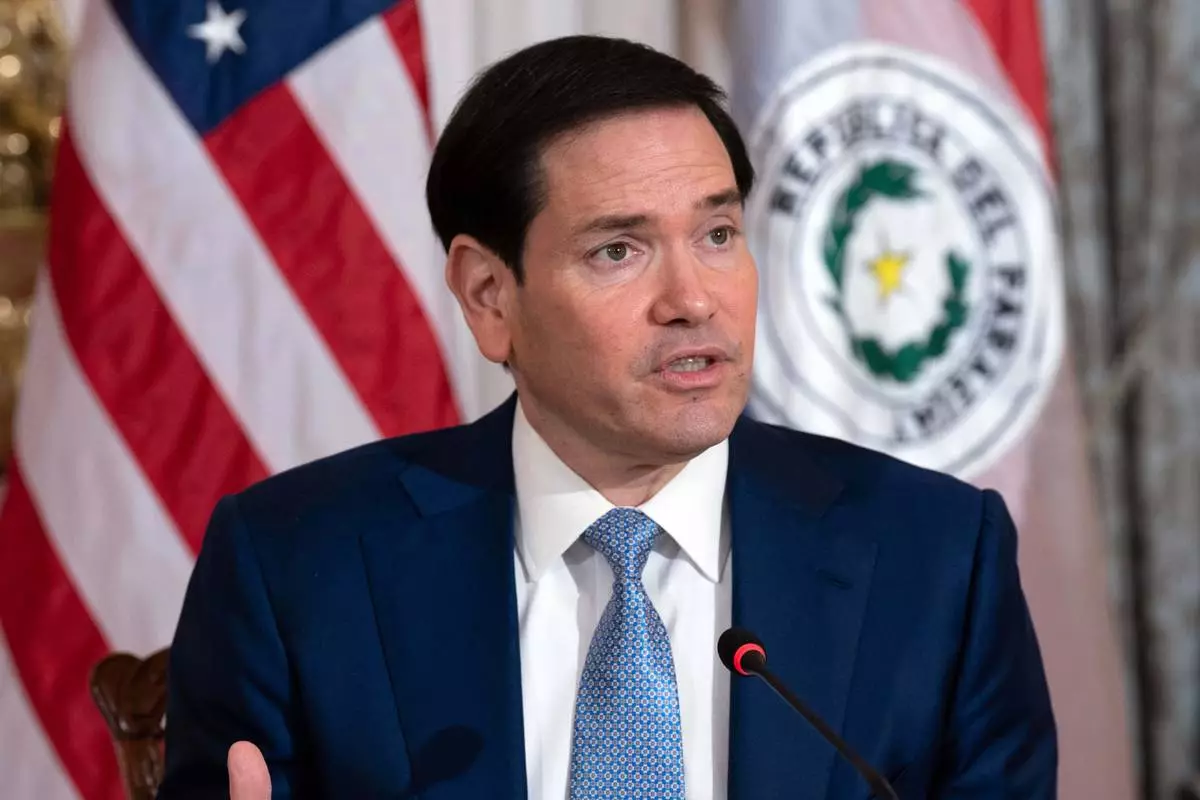
Secretary of State Marco Rubio, accompanied by Paraguay's Foreign Minister Rubén Ramírez Lezcano, speaks during the signing ceremony of the United States-Paraguay Status of Forces Agreement at the State Department in Washington, Monday, Dec. 15, 2025. (AP Photo/Jose Luis Magana)
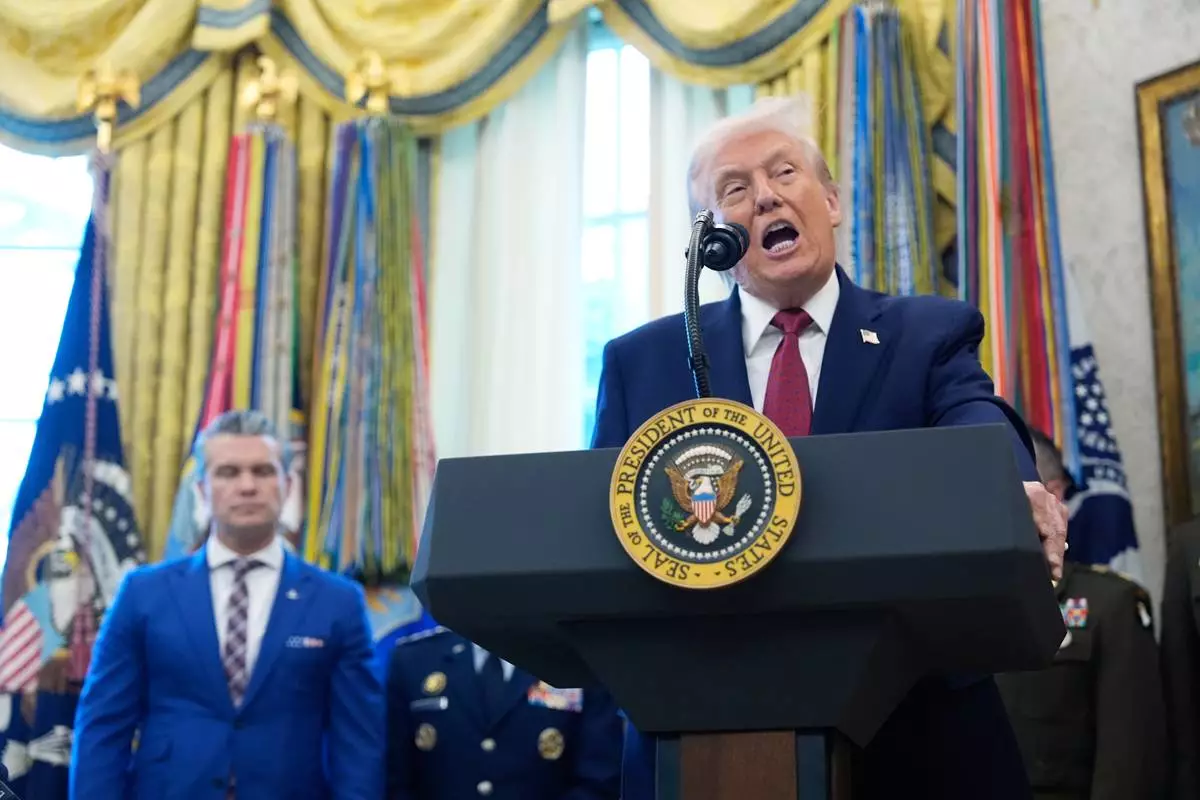
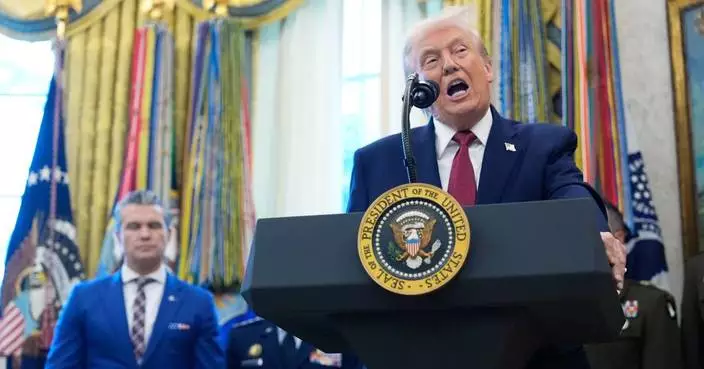
President Donald Trump speaks during a Mexican Border Defense Medal presentation in the Oval Office of the White House, Monday, Dec. 15, 2025, in Washington, as Defense Secretary Pete Hegseth, looks on. (AP Photo/Alex Brandon)
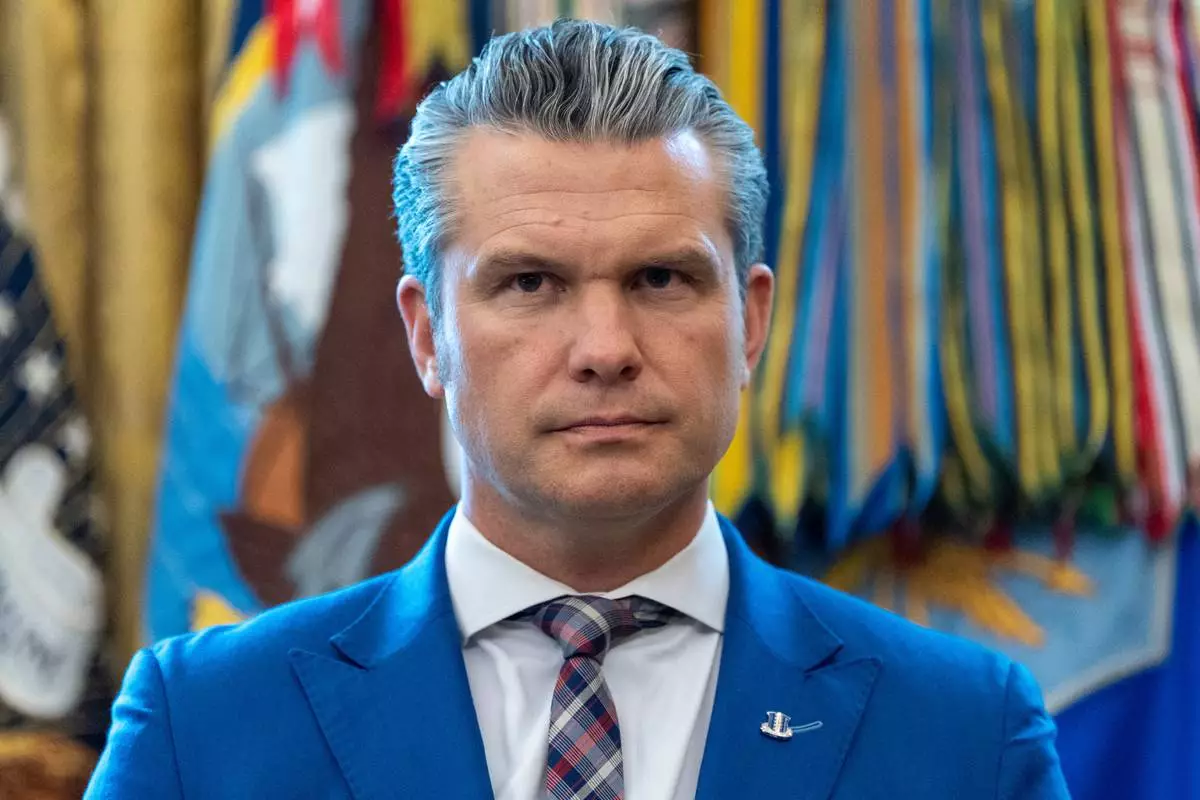
Defense Secretary Pete Hegseth listens as President Donald Trump speaks during a Mexican Border Defense Medal presentation in the Oval Office of the White House, Monday, Dec. 15, 2025, in Washington. (AP Photo/Alex Brandon)