International scholars and peace advocates have voiced serious concern over recent remarks and moves by Japanese Prime Minister Sanae Takaichi, warning that such actions risk undermining regional stability and reviving militarist tendencies that run counter to Japan's post-war commitments.
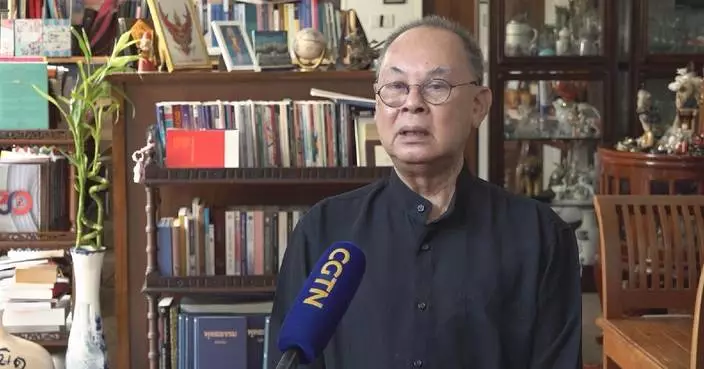
Marcos Cordeiro Pires, Professor of International Political Economy at Sao Paulo State University in Brazil, said that the approach taken by Takaichi is, in essence, an attempt to seek pretexts for ditching Japan's pacifist constitution and promoting the development of offensive military capabilities.
"What Sanae Takaichi is doing at present is essentially about finding excuses to break through the pacifist constitution and push forward the construction of offensive military forces. Against this backdrop, the Japanese prime minister has made provocative remarks related to Taiwan, with the aim of creating external tensions so as to pave the way for Japan's rearmament and a return to militarist policies," he said.
Similar concerns were echoed by scholars in the Middle East, who warned that such rhetoric sends dangerous signals to the international community at a time when global peace and security remain fragile.
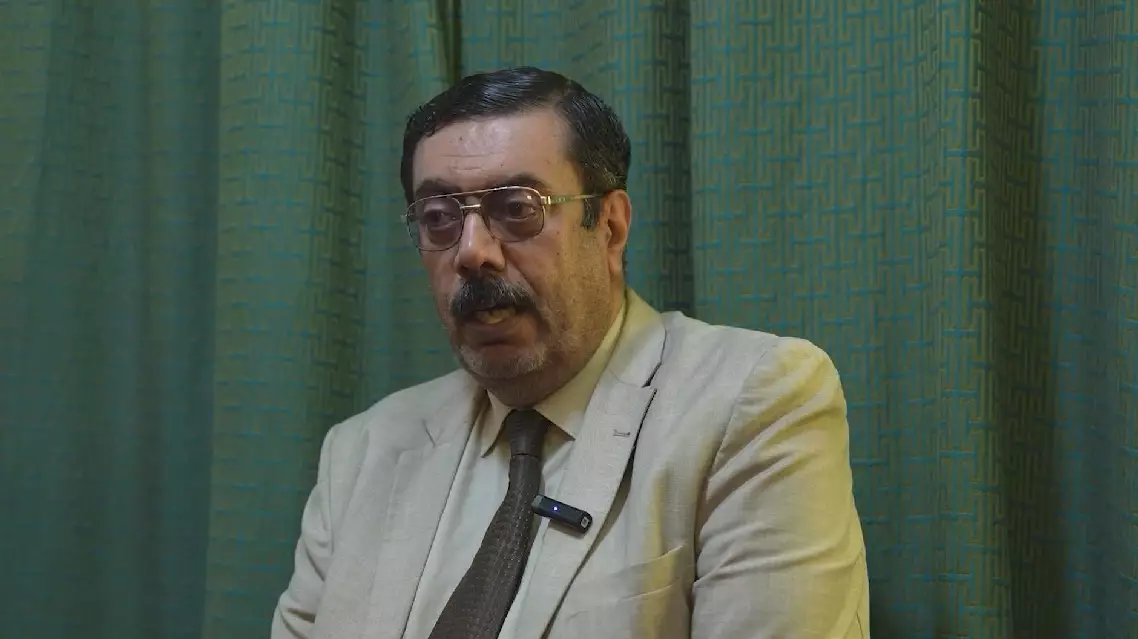
"There are indeed some voices in Japan that are clamoring for war. Any war that breaks out under current circumstances would pose a serious threat to international peace and security. Such remarks by the Japanese side will only intensify tensions and send dangerous signals to the international community," said Anwar Al-Haidari, a professor of political science at the University of Baghdad.
Within Japan, peace groups and historical institutions have also expressed strong opposition to attempts to distort history and justify military expansion.
The Chukiren Peace Memorial Museum, located in Kawagoe City, Saitama Prefecture of Japan, preserves historical materials documenting Japan's invasion of China and seeks to help the Japanese public better understand historical truths through its exhibitions.
Nobuo Serizawa, director of the peace memorial office, criticized Sanae Takaichi for refusing to face up to history and for her erroneous remarks.
"Why do ships of the Japanese Self-Defense Forces have to sail through the Taiwan Strait? Why is it necessary to deploy troops to the the southwestern islands of Japan? From the other side's perspective, these are all threats. It was Japan that launched the war. I certainly know about the Nanjing Massacre, but the Japanese government is yet to acknowledge it, and the infamous Unit 731, with all the evidence presented. It's indeed shameful," Serizawa said.
Int'l scholars condemn Japanese prime minister's erroneous Taiwan-related remarks