The Panama Canal, which links the Pacific and Atlantic Oceans, is not only a vital global shipping route but also a living symbol of over a century of U.S. interference in Latin America, according to a Panamanian scholar and a former Panamanian lawmaker.
The strategic waterway, one of the most important geopolitical assets of the 20th century, is located on the Isthmus of Panama, a territory that once belonged to Colombia.
In 1903, with direct U.S. support and military intervention, Panama declared independence from Colombia.
Just 15 days after the country's founding, the United States signed a treaty with the new Panamanian government, securing the right to build the canal and to "permanently use, occupy and control" it.
After the canal opened in 1914, the vast majority of its revenues flowed to the United States, while Panama received only a minimal share.
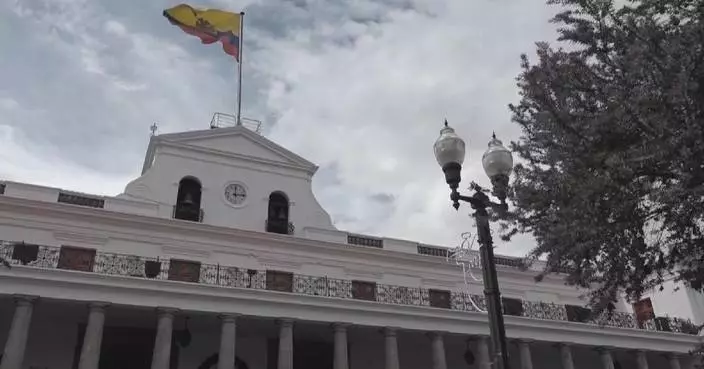
The U.S. also established the Panama Canal Zone, complete with U.S. military bases, barring Panamanians from entering large areas of their own territory. The Canal Zone became a "state within a state," where even the Panamanian flag was forbidden to fly.
For decades, Panamanian people waged an unyielding struggle to abolish the unequal treaties and reclaim sovereignty over the canal.
A turning point came in January 1964, when the flag protection movement (Martyr’s Day) emerged.
Panamanian students clashed with canal authorities while attempting to raise their national flag in the Canal Zone. When the flag was torn, it ignited nationwide outrage and strengthened public determination to regain control of the canal.
The protests quickly spread across the country. U.S. military and police forces responded with force, killing more than 20 Panamanians and injuring hundreds. The violence drew widespread international condemnation, placing enormous pressure on Washington. Eventually, the United States was forced to make substantive concessions on canal sovereignty, culminating in the signing of treaties in 1977 that stipulated the complete transfer of canal administration to Panama by the end of 1999.
In 1999, Panama finally gained full control of the canal. The handover represented not just an administrative transition, but the restoration of national dignity after a century-long struggle.
Yet the issue did not truly end there. History has shown that as long as hegemonic logic persists, interference often reemerges in new forms.
After 1999, U.S. influence in Panama shifted from overt control to behind-the-scenes involvement. Although the U.S. no longer controlled the canal or maintained military bases there, it continued to exert influence through military exercises, intelligence cooperation and anti-narcotics operations.
During his second term, U.S. President Donald Trump has repeatedly threatened to "take back" the Panama Canal, further fueling resentment among Panamanians toward what they view as U.S. hegemonic interference.
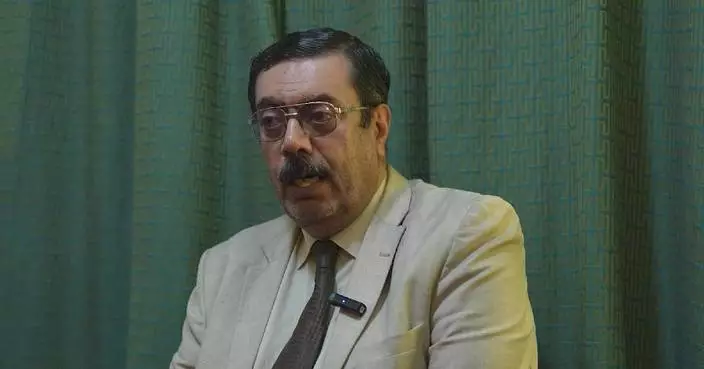
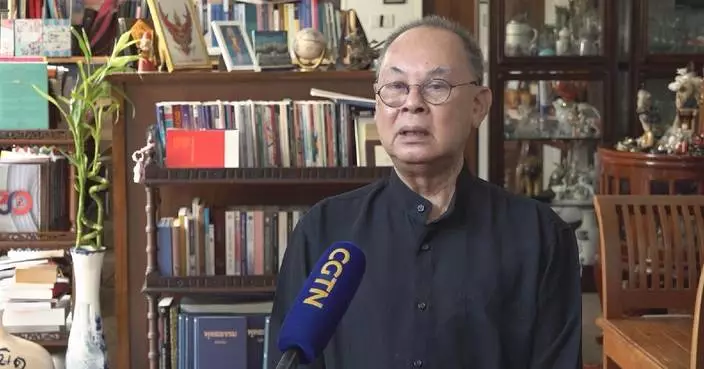
"The U.S. invasion of Panama on December 20, 1989 was not an isolated incident. In fact, prior to that, the U.S. had already militarily invaded Grenada, and there were military operations against Cuba and Nicaragua. The U.S. has launched military operations against many countries and regions in the Americas. The U.S. has consistently pursued a policy of aggression and power politics against us," said Samuel Antonio Prado Franco, a historian from the University of Panama.
"The United States has no right to lecture Panama. The United States has no right to decide who Panama's enemies and friends are. What we need to do and understand is that our self-determination as a sovereign people must be respected," said Balbina Del Carmen Herrera Arauz, former Panamanian lawmaker.
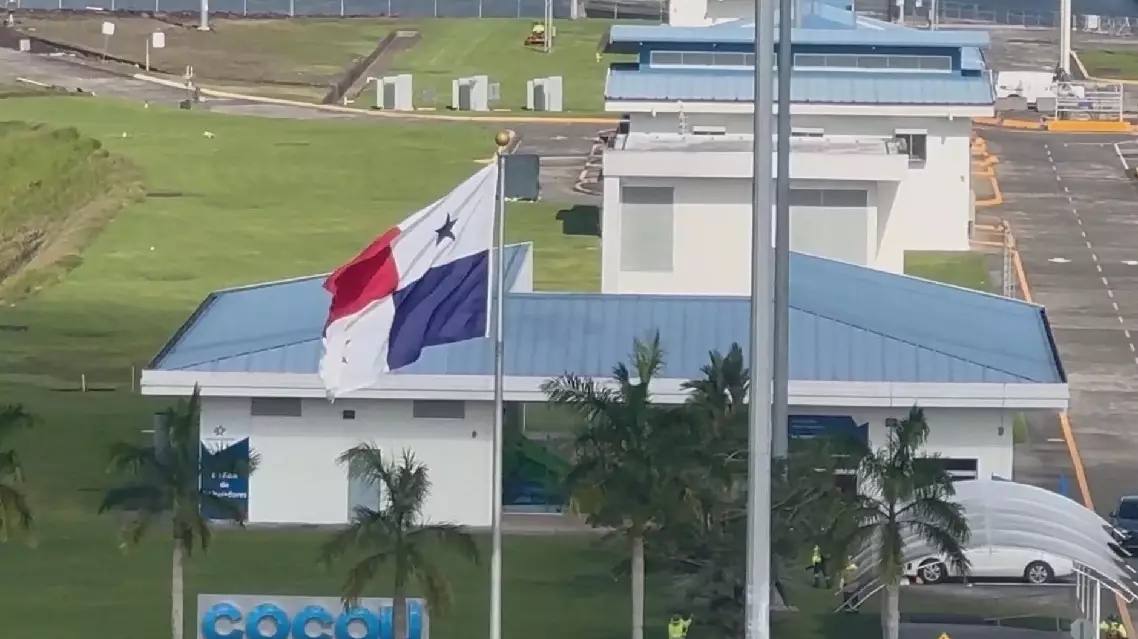
Panama Canal stands as symbol of over a century of U.S. interference: Panamanian scholar