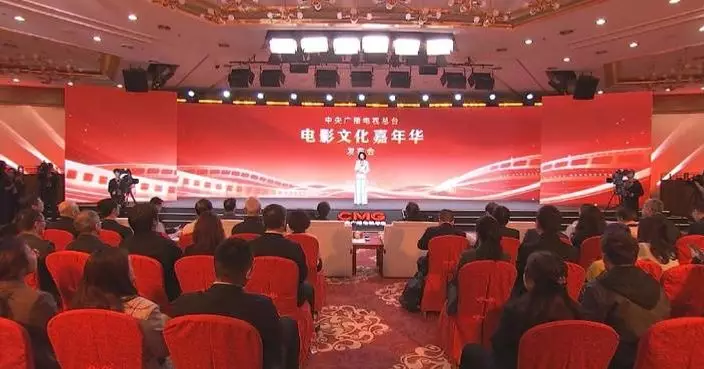
The China Media Group (CMG) on Thursday unveiled a set of four vibrant mascots for its 2026 Spring Festival Gala, one of the premier television events on China's entertainment calendar, heralding the upcoming Year of the Horse with wishes of vitality and ambition.
The Chinese lunar year for 2026 is the Year of the Horse and will begin on February 17, 2026.
Horse is one of the most dynamic and spirited in the 12-animal Chinese zodiac cycle, representing strength, perseverance, and unstoppable momentum.
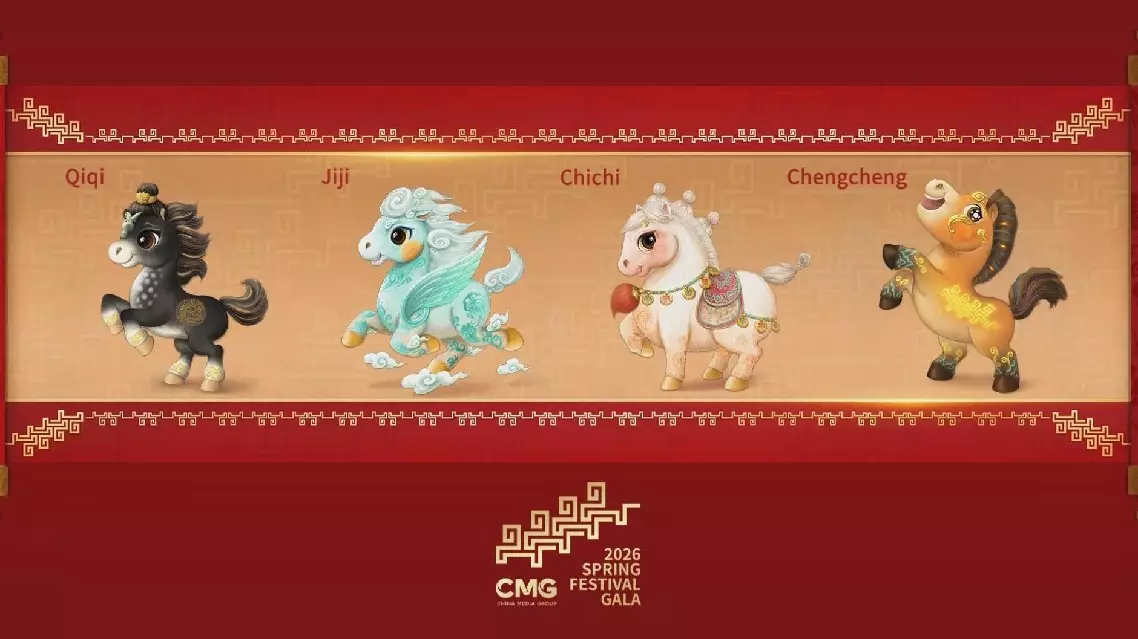
The four mascots take their names from the Chinese expression -- "Qi Ji Chi Cheng" -- meaning "Galloping steed, Onward unstoppable", which is also the theme of the upcoming gala.
Inspired by classic representations of horses across different periods of Chinese history, the mascots are adorned with classic elements of traditional Chinese clouds and thunder.
The design is a reflection of the spirit of renewal and progress in the new year.
Qiqi, a dark-colored horse, features a vigorous posture, fully embodying the forward-looking and ambitious spirit.
Jiji, a horse spreading wings to soar through the clouds in pursuit of the sun, represents a spirit of striving and upward momentum.
Chichi has a tied-up tail, fully displaying a demeanor of confidence and composure.
The image of Chengcheng was inspired by Przewalski's horse. As the only surviving wild horse species on Earth, it is known as a "living genetic fossil" with a 60-million-year evolutionary history.
Being robust and agile, Chengcheng showcases the harmonious coexistence between humanity and nature.
The Spring Festival Gala, or Chunwan, hosted by CMG has been an essential part of Chinese New Year celebrations since 1983, featuring an elaborate mix of performances such as songs, dances, comic sketches, traditional operas, and folk arts.
The annual spectacle, known as the most-watched television program in the world, is broadcast on the eve of the Chinese New Year, when families come together to ring in the new lunar year.
The Chinese New Year's eve falls on Feb 16, 2026.
China Media Group unveils mascots for 2026 Spring Festival Gala
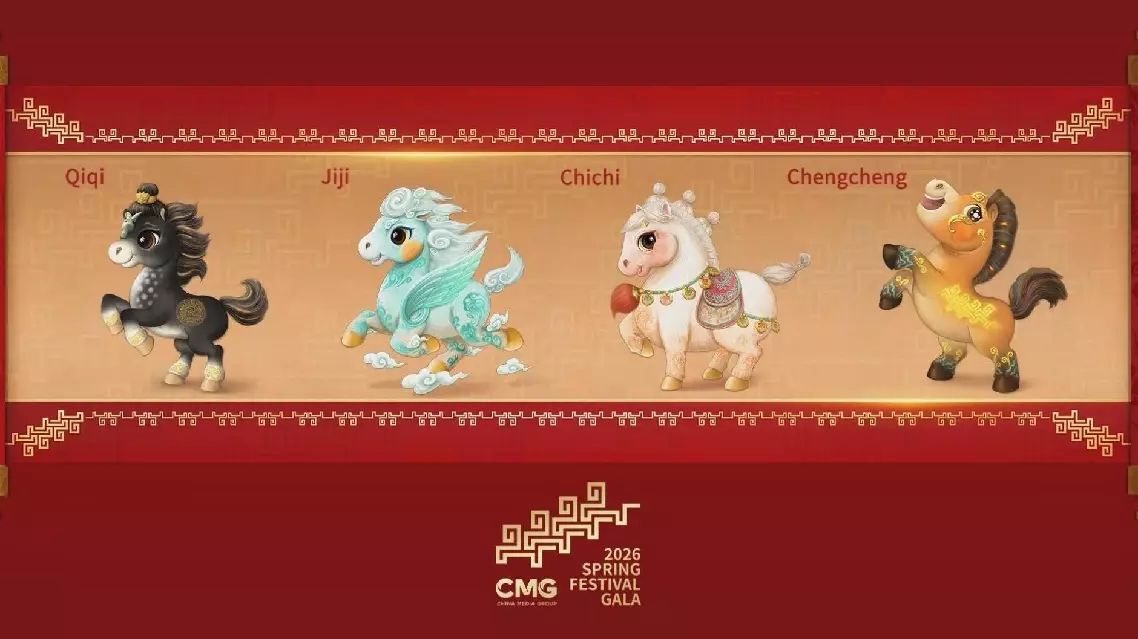
China Media Group unveils mascots for 2026 Spring Festival Gala
South China's Guangdong Province is accelerating its transformation into an international medical tourism hub, positioning itself as a destination for patients worldwide seeking affordable, high-quality care.
The push follows a joint initiative announced in late March by nine Chinese government departments, including the Ministry of Commerce, aimed at boosting spending by foreign tourists and enhancing exports of tourism services as part of broader efforts to expand the country's service sector.
Every day, some of the most complex surgeries are performed here. Li Zilun, deputy director of the division of vascular surgery at the First Affiliated Hospital of Sun Yat‑sen University, is among the doctors capable of carrying out these intricate procedures.
He recently completed surgery on a patient with an aortic aneurysm, a condition often described as a "time bomb" in the body’s main artery, increasingly common in aging societies around the globe. Li also specializes in highly difficult and pioneering procedures, including repairing leaks caused by failed grafts.
"This was a very challenging case. And then, we implanted the covered stent to eliminate the endoleak. Actually, the outcome was pretty good. The patient will be discharged today," said Li Zilun.
The ability to handle such complex cases -- combining international techniques with domestically produced devices -- is drawing patients from around the world to seek treatment. In addition, high safety standards and low costs are also major draws.
"Our government is encouraging innovation. So, lots of physicians -- including our vascular surgeons -- we are actively involved in the innovation that helps to increase the effectiveness and safety, and also bring down the cost," said Li.
This hospital is one of the first in Guangdong to be designated by the provincial health commission as a pilot site for building an international medical service hub.
The growing number of patients has pushed the hospital to explore new ways to transform every step -- from treatment to payment and everything in between -- into a seamless experience, reducing waiting times and delivering better care for patients.
"I think it's fast. When the patient come here for just about, I think, one week, you can solve the problem," said Xiao Haipeng, president of the First Affiliated Hospital of Sun Yat-sen University.
The hospital is also deepening its international cooperation with top-tier medical institutions, including those at Harvard University.
"Not just for China, for the whole globe, we are facing health care challenges -- emerging infectious disease and chronic, lung infectious diseases, and also the aging population, also the shortage of healthcare workforce," said Xiao.
In response to these challenges, China is promoting its own solutions, including aggressive innovation in artificial intelligence (AI)-driven workflows, while stepping up research and development investment and global engagement along the way.
"In recent years, the innovation in Western medicine is dramatically growing. An example of my hospital -- in the past few years, we have 140 innovations and seven of them are international leading innovations," said Xiao.
As global demand for medical tourism grows, China is positioning itself as a new destination. Official data shows that the number of foreign patients in Guangdong increased by 20 percent last year. Among them, the growth in inpatient admissions was even faster, rising by 76 percent.
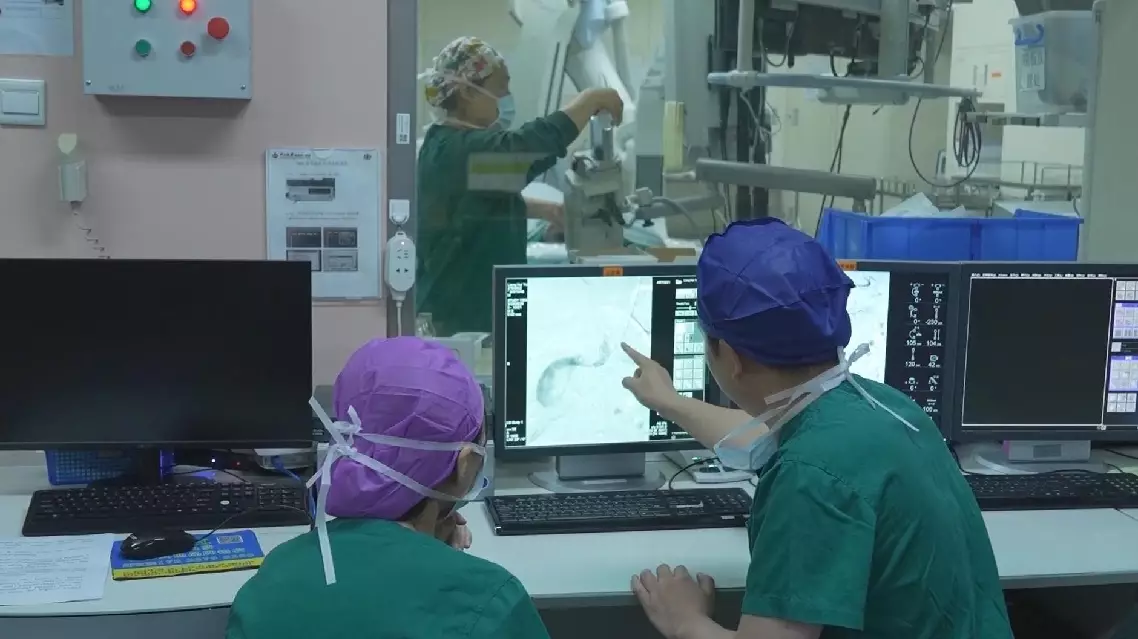
Guangdong fast-tracks pilot for int'l medical service hub