Mounting economic difficulties and security concerns in Iran are prompting a significant exodus of Afghan migrants, with hundreds of thousands leaving the country in recent months.
For decades, Iran has been a refuge for millions of Afghans fleeing conflict, poverty, and instability. However, this long-standing dynamic is now shifting sharply.
At eastern border crossings such as Milak, thousands of Afghan migrants and refugees are passing through weekly, undergoing processing for deportation back to Afghanistan. Iranian authorities cite economic pressures and security considerations as primary reasons for these measures.
Yet, the stories of those affected reveal a complex human landscape marked by despair, resignation, and occasional hope.
"I came to Iran but found the employment situation unsatisfactory. With the low value of Iran's currency, staying here no longer makes sense. I am returning to Afghanistan to open my own shop," said a migrant.
"The value of the Iranian currency has fallen sharply. I can barely earn 300 dollars a month, but nothing is left for me in the end," said another migrant.
Such economic hardships have led to the departure of an estimated 1.8 million undocumented migrants, with officials projecting that at least another 800,000 will need to leave in the coming months to ease pressure on Iran's infrastructure and public services.
"I didn't have legal documents. Neither did my children. They were arrested while they were at work," said another migrant.
Iranian officials have announced plans to permit the re-entry of certain individuals with sought-after skills or confirmed employment offers, aiming to strike a balance between security concerns and economic needs. Early signs suggest that the departure of undocumented Afghans has affected domestic demand for basic goods. For instance, in Tehran alone, monthly consumption of subsidized flour has declined by more than 5,500 tons.
Humanitarian organizations, including non-governmental organizations working alongside the United Nations, are striving to ensure that the deportation process adheres to international standards.
One of such organizations is the International Future Development Activists Association (IFDAA), which provides returning Afghans with medical care and educational support.
"We give them primary healthcare services in the physician's room. And if they need to be referred to any post house or the hospital, you can find emergency services by the Red Crescent Society in collaboration with us, preparing the services immediately they are referred to other places and given the services," said Mona Rahmani, humanitarian activist at the IFDAA.
The deep cultural and linguistic bonds between ordinary Iranians and Afghans are now overshadowed by the current state policies in Iran. This border tells a story of the two nations bound by history, but currently divided by necessity and a search for security, leaving the most vulnerable people caught in between.
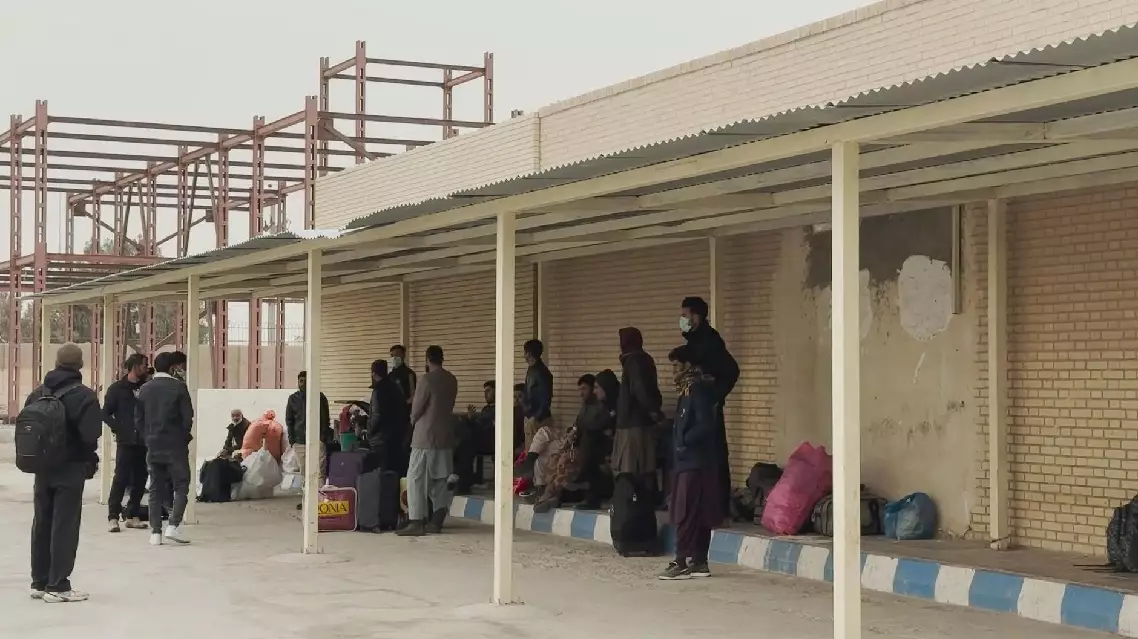
Iran accelerates return of Afghan migrants amid economic strain, security concerns