Tens of thousands of refugees have fled violence in the eastern Democratic Republic of the Congo (DRC), particularly following clashes in Uvira, to Burundi, facing dire living conditions and limited access to basic needs.
Housed mainly in border areas, these refugees are exacerbating an already fragile humanitarian situation.
Faced with the emergency, the Burundian government, with the support of its national and international partners, is working to ensure the provision of care despite limited resources.
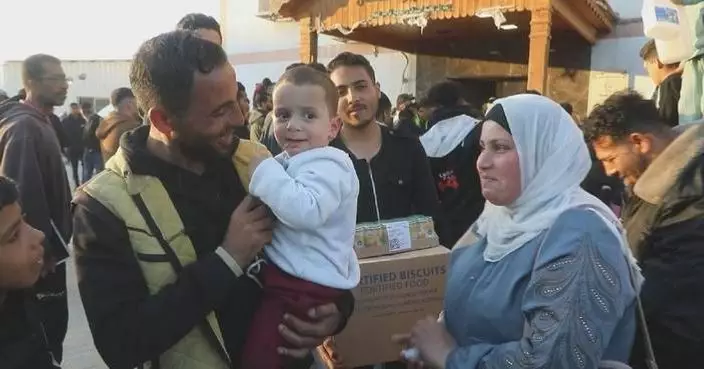
On the site, tents strung between tree branches serve as shelters for families. Tens of thousands of refugees live in this cramped environment, settled in a rice paddy while awaiting relocation.
A delegation from the Burundian government, accompanied by diplomats and representatives from UN agencies, came to assess the humanitarian situation.
"We need housing to be built because wherever we are, everyone has had to fend for themselves to find a shelter. And the shelter we have now has been teared apart in the wind. Secondly, we need food. We also need access to clean drinking water at this site," said Benjamin Bizimungu Mujumura, a refugee.
Aid is available, but it falls far short of meeting the needs for a dignified life. However, the difficult living conditions there do not diminish the refugees' gratitude for the modest progress made. They welcome humanitarian personnel, while hoping for concrete action to address their needs.
"Famine, famine threatens us. Since we arrived, we haven't received any food, nothing, absolutely nothing to call it assistance. We have been given a health center. They have helped us with medical care and drinking water. May God bless them for this aspect of the aid they have already provided. We still need water, schools, and food," said Olive Mukunde, another refugee.
To guarantee refugees' access to essential needs, including drinking water, food, hygiene, and other basic services, the Burundian government launched an inter-agency appeal for funding. The objective was to structure and strengthen humanitarian assistance for the refugees in Burundi.
"The appeal has truly been heard, and I think we will see a change soon. People need clothing, especially at night, because it's cold. There are also mosquitoes, and the latrines are insufficient. There are other needs as well. So, we are trying to do everything we can, with the help of our partners, to ensure that these refugee populations can live in more or less normal conditions," said Edouard Bizimana, Minister of Foreign Affairs, Regional Integration and Development Cooperation.
The relocation process has already begun towards permanent camps, located far from the border.
At least 88,000 Congolese have sought refuge in Burundi since December 5, following recent clashes in South Kivu, DRC, according to the United Nations High Commissioner for Refugees (UNHCR).
The agency estimates that 33 million U.S. dollars will be needed from December until May 2026 to support these refugees, whose numbers continue to rise daily, the UNHCR concludes.
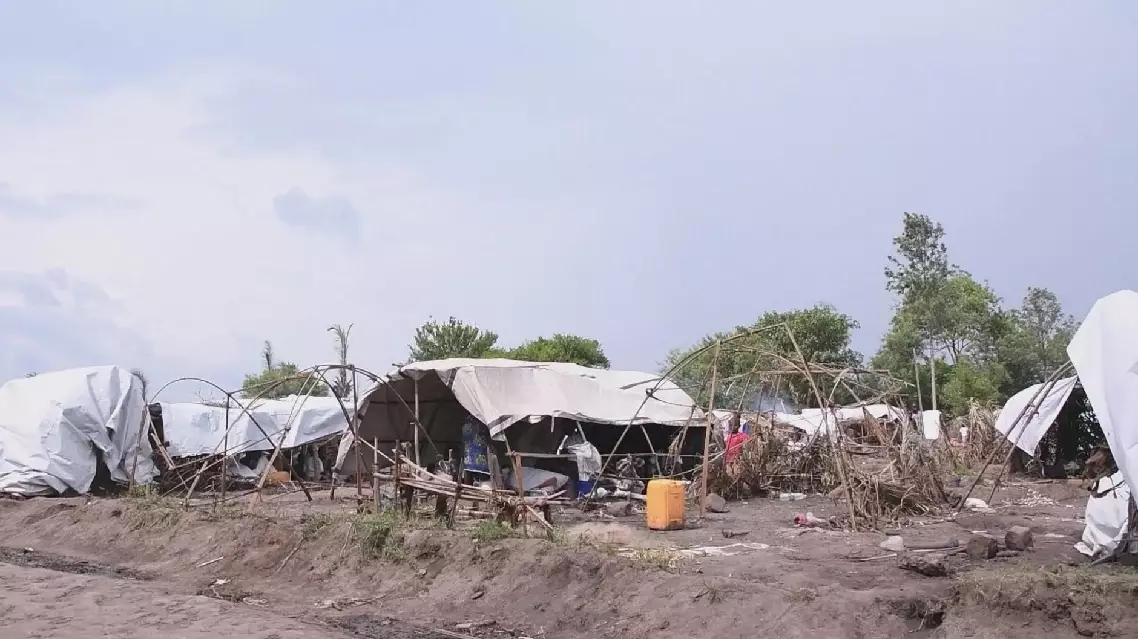
DR Congo refugees facing dire living conditions in Burundi