The rising popularity of online shopping in South Africa may bring risk to new wave of consumer scams, as fraudsters produce cloned retail websites and engage in phishing scams to cheat shoppers out of their holiday spending budgets.
Increased variety, discounts, and quicker deliveries have boosted the appeal of e-commerce. Yet, cybersecurity specialists say the festive period could create ideal conditions for online crime, with high transaction volumes, emotional spending, and time pressure.
"We are in a stress point. We need to get shopping done. There is a spike with respect to the offers, which are placed online in response to the festive season. It's almost a perfect social engineering opportunity. People buy faster, they verify less, and they respond to urgency and such. I think the most common festive exploits that we find -- we have cloned websites, we have phishing attempts, we have situations that if we don't have multifactor authentication enabled, we have card exploitation," said Nishal Khusial, head of digital forensics and artificial intelligence (AI) enablement of Forvis Mazars.
Experts warn that Africa's booming digital economy is a growing target because cyber-awareness among residents is failing to keep up with the speed of adoption.
"It's a perfect storm in the fact that our vulnerability is the result of three factors. Rapid digital adoption, high value targets, and a human vulnerability gap. So this can be seen a lot in the digital literacy of an emerging market," said Dave Rampersad, security expert at Dave.Africa -- a consulting company in the country.
Some experts believe that consumers' shopping mindset during the holidays often lowers vigilance, making shoppers easier targets.
"I think when it comes to the festive season, firstly we bargain hunt. So we are looking for huge discounts. It's also a skeleton period as well. So many people don't like actually walking into the shops. So we are utilizing the online platforms to do this. The first warning sign is just to look at the authenticity of the website. Because in most cases, there are certain websites that are cloned," said Grace Letseka, board member of ISACA, an international professional association focused on IT governance.
With festive spending peaking in the final weeks of the year, experts suggest consumers stay alert and not chase discounts.
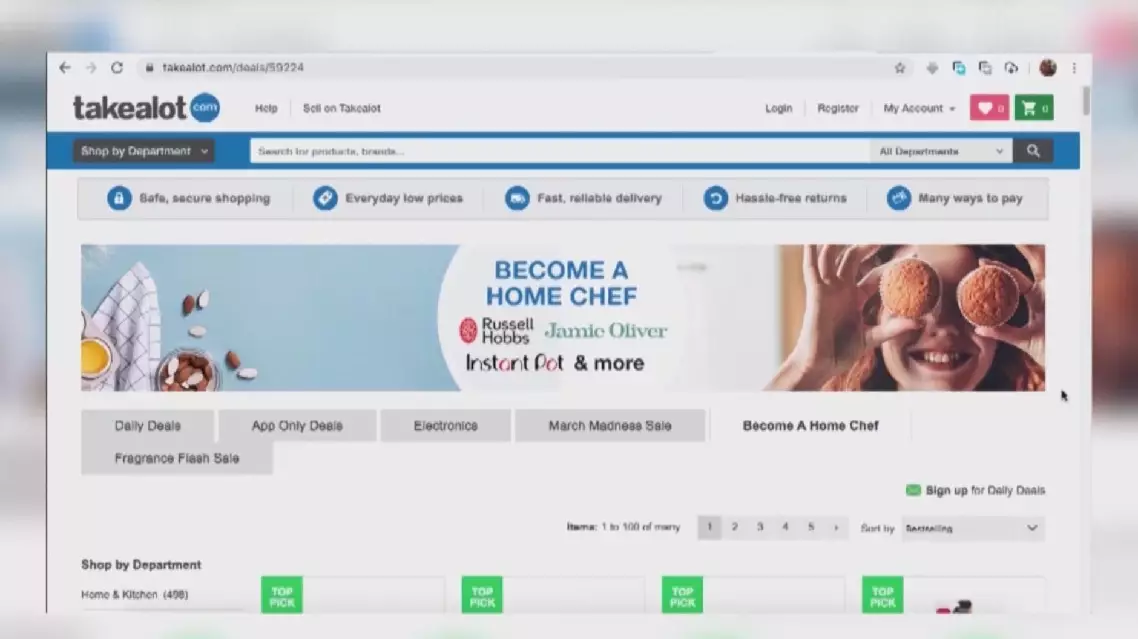
Online shoppers in South Africa face financial fraud, identity theft risks