China will continue to implement a more proactive fiscal policy to support steady and sound economic development during the 15th Five-Year Plan period (2026-2030), according to economists.
The national fiscal work conference was held from Saturday to Sunday in Beijing.
The meeting has pledged to expand fiscal expenditure in 2026 to ensure a solid start to the country's 15th Five-Year Plan period.
Expenditure structures will be continuously refined, and greater synergy between fiscal and financial policies will be created, according to the meeting.
The meeting also called for stronger measures in 2026 to leverage the role of government bonds better and improve the efficiency of transfer payments.
"We will make good use of the funds from ultra-long special treasury bonds, local special bonds and central budgetary funds to enhance support for effective investment," said Bai Yanfeng, a professor at the Central University of Finance and Economics.
China will also boost fiscal investment to foster the integration of sci-tech innovation and industrial innovation, and accelerate the cultivation of new growth drivers, while improving the fund management and strengthening the leading role of enterprises in technological innovation, according to the meeting.
"Fiscal policy plays a vital role and holds values in stabilizing economic growth and optimizing economic structure. A more proactive fiscal policy, along with other measures, will help achieve steady and sound economic development during the 15th Five-Year Plan period and its start year," said Luo Zhiheng, chief economist of Yuekai Securities.
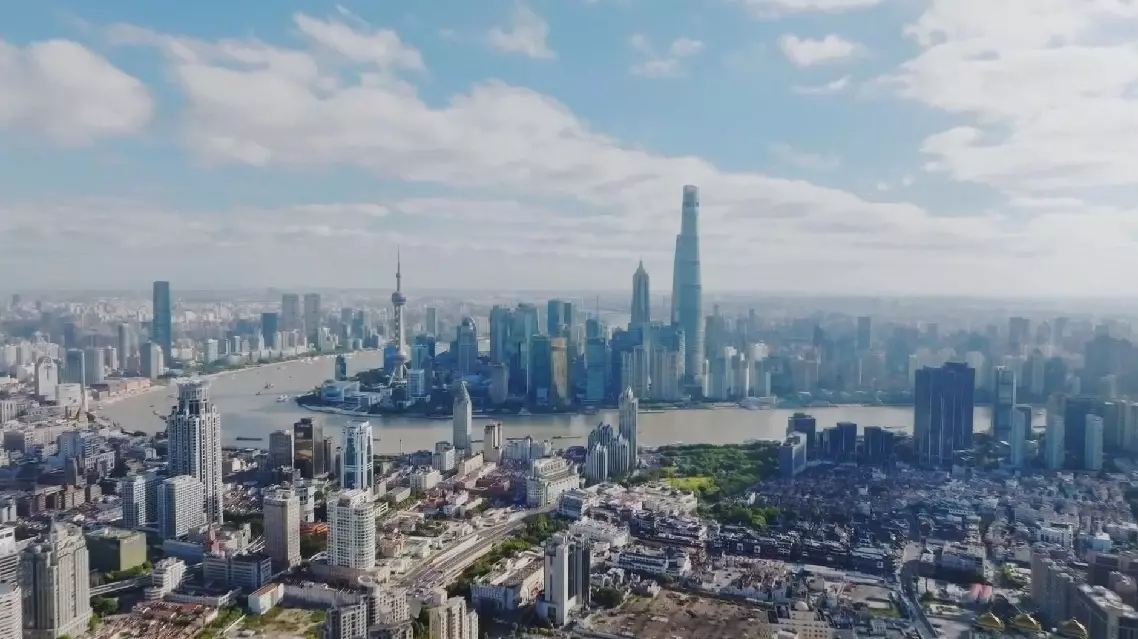
Proactive fiscal policy to support sound economic development in 2026-2030: economist
Chinese Foreign Minister Wang Yi said on Thursday that the issue of navigation through the Strait of Hormuz is a spillover effect of the current conflicts, noting the Strait of Hormuz remains unstable if the war doesn't end.
Wang, also a member of the Political Bureau of the Communist Party of China Central Committee, made the remarks in a phone conversation with Saudi Arabian Foreign Minister Faisal bin Farhan Al Saud.
The Saudi Arabian foreign minister briefed Wang on the latest developments of the Middle East situation, saying the war in Iran has caused severe impacts on countries in the region and the world at large.
Saudi Arabia attaches importance to China's important role in international affairs, and values high-level strategic cooperation with China, he said, adding that the kingdom is ready to further enhance consultation and coordination with China on platforms including the United Nations, to jointly push for the de-escalation of the situation and an end to the conflict.
Wang noted that the prolonged war in Iran, which has lasted for over a month, has caused enormous casualties and losses, and undermined the security and stability of Saudi Arabia and other Gulf countries, over which China expressed concerns.
Wang said China and Pakistan recently jointly issued a five-point initiative for restoring peace and stability in the Gulf and Middle East region, which includes safeguarding the sovereignty and security of the Gulf states, stopping attacks on civilians and non-military targets, and ensuring the security of shipping lanes.
Wang said the top priority is to focus on cessation of hostilities. Actions by the UN Security Council should avoid escalating confrontations and should not legitimize unauthorized military operations; otherwise, it will lead to endless trouble, with small and medium-sized countries being the first to bear the brunt, he added.
Wang noted that China appreciates Saudi Arabia's commitment to promoting peace and ceasefire, and stands ready to work with Saudi Arabia to make efforts for the early restoration of regional peace.
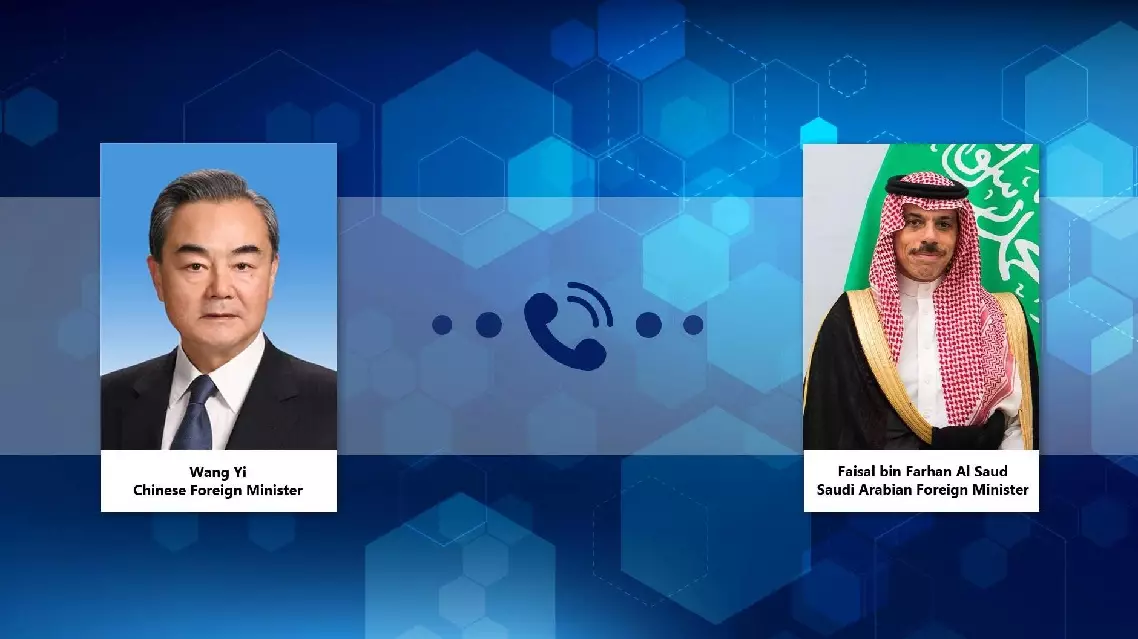
Chinese FM says Strait of Hormuz remains unstable if war doesn't end