DENVER (AP) — Young gymnasts and their parents started raising red flags about a coach as far back as 2017 — the same year a watchdog agency was created in the wake of the Larry Nassar sexual-abuse scandal that nearly eviscerated USA Gymnastics and damaged the country's entire Olympic movement.
But it took until 2022 for Sean Gardner to face any sanction from the U.S. Center for SafeSport, the independent agency created by Congress to investigate misconduct in Olympic sports. And it wasn't until an Associated Press investigation this year that details emerged about the coach, whose arrest on child pornography charges in August was a turning point in a case one person involved called “Nassar 2.0."
Now, a new AP investigation has found that months before Gardner's arrest on allegations of installing cameras in a girls gym bathroom in Purvis, Mississippi, he was willing to accept a lifetime ban from coaching gymnastics as part of a deal where he would admit to the abuse, according to three people involved with SafeSport and its handling of the case.
A tangle of internal politics that included allegations of retaliation against employees inside SafeSport kept it from levying its harshest sanction, the people — who spoke on condition of anonymity for fear of retaliation by SafeSport — told the AP.
With multiple alleged victims, new witnesses coming forward and Gardner's history at three gyms in different states, the case became one of the most troubling of the 8-year-old agency's investigations.
“It was like, ’Well, this is ‘Nassar 2.0,’ so let’s figure out what we can figure out and wrap it up,” one person said.
That person said there was never a clear reason given for why the center did not finalize the permanent ban.
Meanwhile, Gardner has pleaded not guilty to federal child pornography charges and remains jailed pending trial, set for March 2.
SafeSport’s inability to lock down a permanent ban is seen by critics as a fundamental failure that undermines one of its key missions — securing permanent sanctions against the most dangerous abusers.
Asked why SafeSport didn't follow through, center spokesperson Hilary Nemchik said in a statement that she could not comment about those details.
But, she said, SafeSport “took swift action to protect athletes from harm upon receiving the first allegations of sexual misconduct. The restrictions in place during a temporary suspension and a permanent ban are the same.”
Regarding SafeSport’s handling of cases in general, the statement said, “even if a respondent agrees to a significant sanction, center staff are still required to ensure the respondent receives a fair process.”
While not specifically addressing the Gardner case, Nemchik added that the center is careful not to close cases “with inaccuracies or make findings that a respondent was not properly noticed on, because it could jeopardize the case and require the matter to be reopened.”
Gardner’s temporary suspension in July 2022 was put on SafeSport's disciplinary database — a searchable list of those banned by the center, which updates the list but does not announce new or notable sanctions. The database requires users to know the name of a person they want to check on.
The permanent ban Gardner indicated he was ready to sign in early 2025 would have changed his status on the database and closed the investigation, the people familiar with the case told the AP.
It would have limited his ability to do more damage in a number of ways, experts familiar with SafeSport told AP. These include:
— Eliminating the possibility of the case going to arbitration and any need to reinterview and potentially retraumatize athletes.
— Removing the risk of any ban on Gardner being lifted if he were acquitted in his criminal case.
Just as importantly, it would have sent a clear message to parents, people in sports and possible employers, said attorney Michelle Simpson Tuegel, who represented gymnasts in the Nassar case.
“It communicates something that’s a final determination,” she said. “That means something. It’s not like it’s something that’s being adjudicated and maybe this guy is falsely accused.”
Gardner admitting potentially illegal activity to the SafeSport Center in early 2025 could also have provided law enforcement with more information in a case that didn't result in his arrest until August, said attorney Steve Silvey, a longtime critic of the center.
“Did he abuse any people in the months that SafeSport was sitting on that information?" Silvey said. “And where did that fit into what the FBI knew” before it arrested him?
Despite being under temporary suspension from coaching gymnastics for two years, Gardner was able to land a job in May 2024 at MercyOne West Des Moines Medical Center as a surgical technologist, responsible for positioning patients on the operating room table and assisting with procedures and post-surgery care. A hospital spokesperson did not respond to a voicemail and email from the AP seeking comment.
Gardner's attorney, Omodare Jupiter, also did not respond to an email and phone message from the AP asking questions about SafeSport's handling of his client's case.
The people familiar with Gardner's case told AP it got stuck in a web of internal SafeSport politics that led to HR complaints alleging retaliation and other concerns — and eventually to no lifetime ban being imposed.
They described a dysfunctional culture in which employees were afraid to speak up to their bosses about problems they encountered, including frustration over the center's failure to close out the Gardner case.
They said SafeSport took a survey of employees earlier this year that produced troubling results. A slideshow presentation to employees, shared with the AP, cited: "Significant concerns about retaliation, perceived favoritism and unqualified promotions" within the center's investigation and legal departments.
“If I say something, I may get punished without being told why,” read a quote from an employee.
Nemchik did not respond to a question from AP about what SafeSport did in reaction to the survey, which came shortly after CEO Ju'Riese Colon's ouster in April, but acknowledged “short-term cultural challenges” that came after Colon's departure.
Nemchik said in a statement that the center expects a new CEO to focus on “organizational excellence as the center evolves under new leadership to best fulfill our mission."
Since his arrest, Gardner's sanction on SafeSport's disciplinary database has been upgraded from “temporary suspension” to “ineligible” due to “criminal disposition involving a minor” and “sexual misconduct.”
A conviction would change Gardner’s sanction to permanently ineligible to coach gymnastics. That’s the status Gardner had agreed to in early 2025, according to notes on the case file from April, one person told the AP.
“People know what Larry Nassar did and how it happened, and you let it happen again?” said John Manly, an attorney for gymnasts in the Nassar and Gardner cases, when asked to compare the two. “This center’s one job is to protect child athletes from predators. And they are failing.”
Meanwhile, SafeSport, USA Gymnastics and coaches at the Iowa gym where Gardner worked are named as defendants in civil lawsuits filed by two gymnasts who say they didn't do enough to protect them.
The lawsuits say that in December 2017, USA Gymnastics and SafeSport were notified by one girl's parents of Gardner's inappropriate behavior while coaching at Jump'In Gymnastics in Purvis, Mississippi.
Among the lawsuits' allegations:
— "Gardner requiring minor gymnasts to hug him after every practice, including long, front-facing, two-armed hugs."
— "Gardner disciplining and intimidating a minor gymnast by taking her into his office for a 25-minute closed-door meeting without parental consent, verbally abusing her, and then hugging and kissing her without consent."
Both SafeSport and USA Gymnastics declined to comment on the litigation.
The criminal complaint that led to Gardner's arrest says the FBI found files of videos on his computer that Gardner made with a hidden camera in a girls lavatory as young gymnasts undressed and went to the bathroom at the Mississippi gym. The videos date to at least December 2017 through mid-2018.
The SafeSport center has said USA Gymnastics notified it in January 2018 that one of its affiliated gyms had resolved a report involving Gardner. But, the center said, it didn’t investigate further because the report was not related to sexual misconduct and it did not receive detailed information.
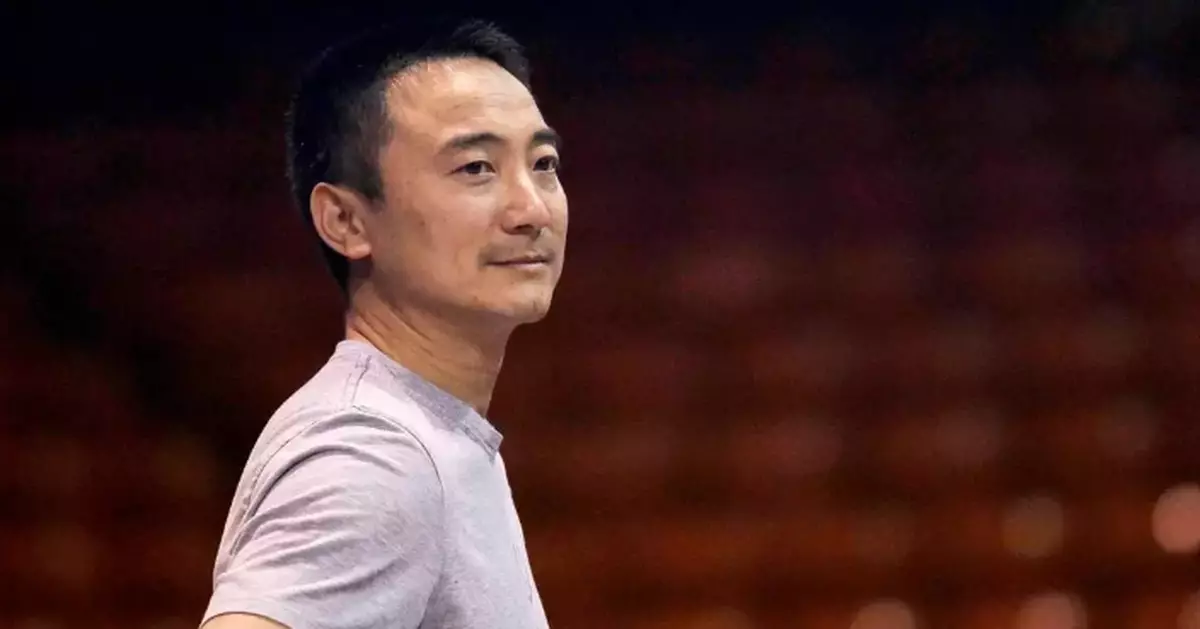
Meanwhile, Gardner was able to land a job at Chow's Gymnastics and Dance Institute in West Des Moines, Iowa, in 2018 — a gym owned by renowned coach Liang “Chow” Qiao that produced Olympians, including gold medalist Shawn Johnson.
Not until 2022, when new allegations of abuse were reported to SafeSport, did the Iowa gym fire Gardner and the center place him on temporary suspension. The gym and Qiao, which are both named in the lawsuits, did not return phone and email messages left by the AP.
It took another three years and an investigation by the AP to expose the depths of the allegations against Gardner — and the shortcomings of the watchdog agency created to protect athletes in the wake of the Nassar case.
Simpson Tuegel said it's no surprise this case is being compared to Nassar's.
“You look at the timeline and how many people knew and failed to protect children and allowed this person to keep having contact,” she said.
"And there really is a point that you see, in some of these cases, where it absolutely could have been stopped and it wasn’t.”
Associated Press reporter Ryan J. Foley in Iowa City, Iowa, contributed to this report.
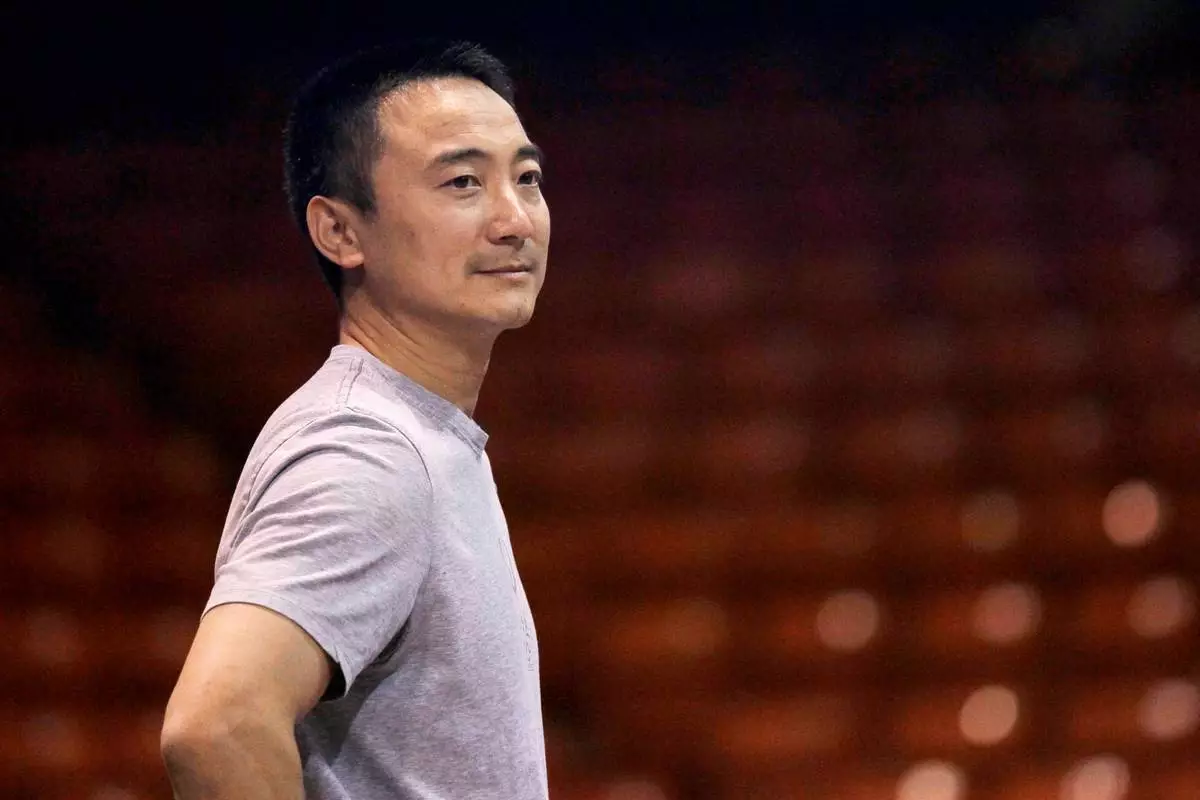
*HOLD FOR STORY * FILE - Gymnastics coach Liang "Chow" Qiao is seen during a practice session for the US Classic gymnastics meet, May 25, 2012, in Chicago. (AP Photo/Charles Rex Arbogast, File)
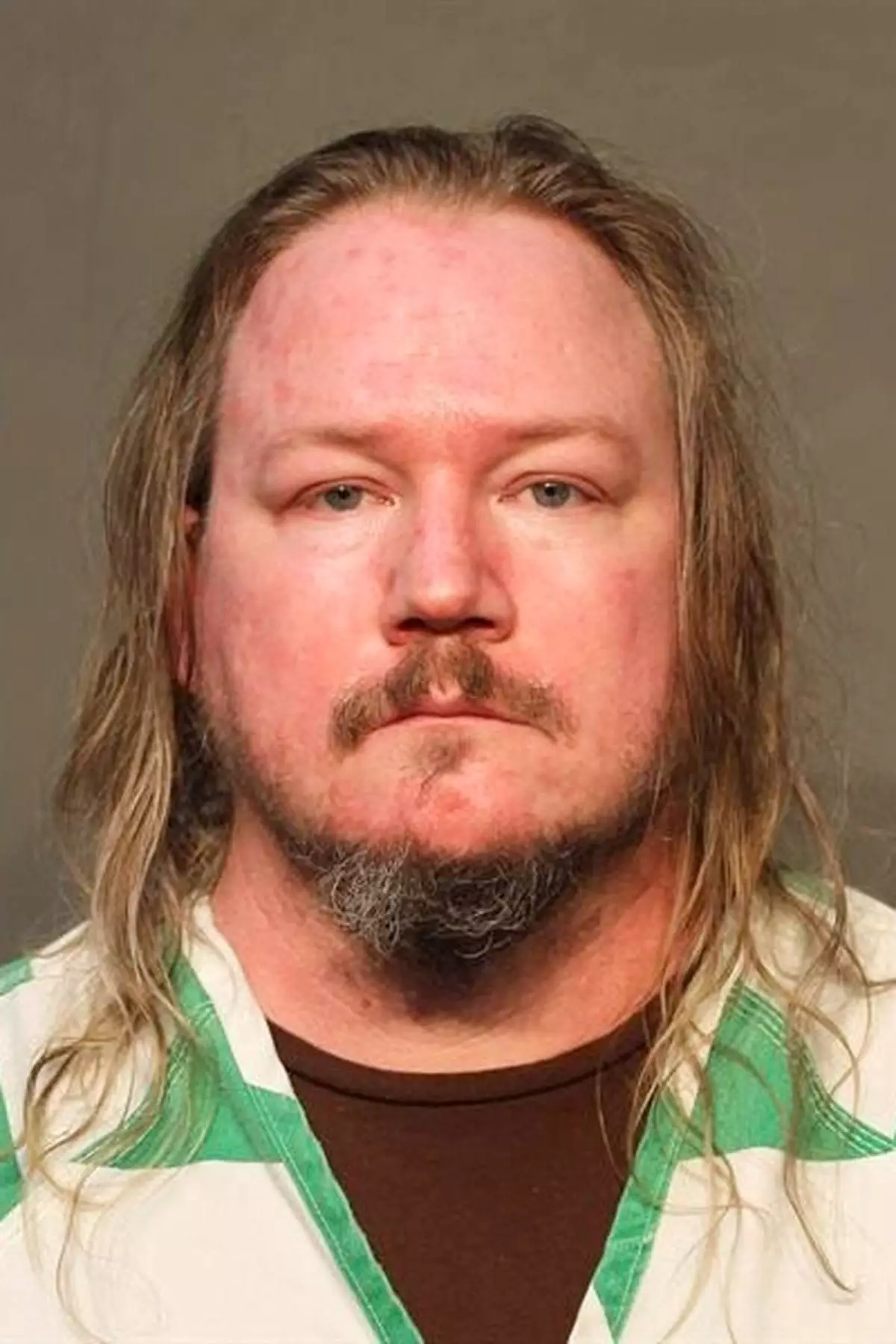
*HOLD FOR STORY* FILE - This booking photo provided by the Des Moines, Iowa, Polk County Sheriff's Office shows Sean Gardner on Aug. 14, 2025. (Polk County Sheriff's Office via AP, File)
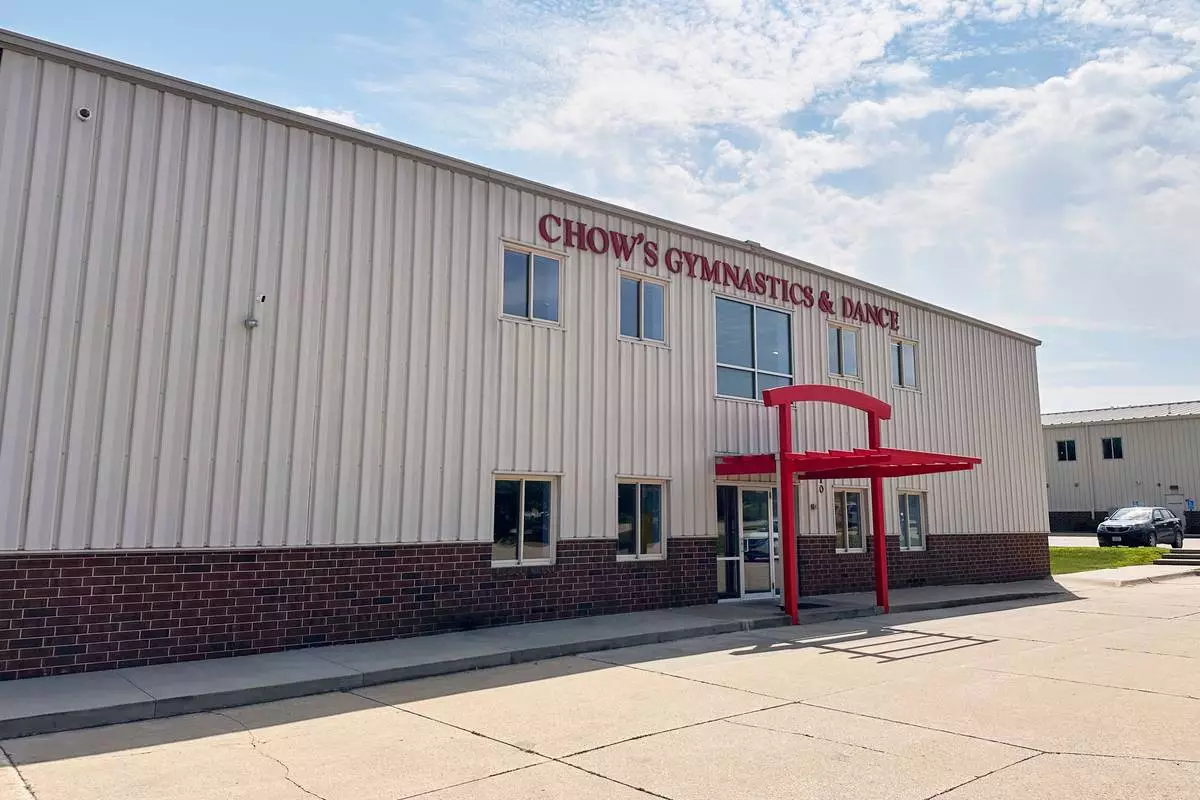
FILE - The Chow's Gymnastics & Dance Institute is seen Aug. 4, 2025, in West Des Moines, Iowa. (AP Photo/Scott McFetridge, File)