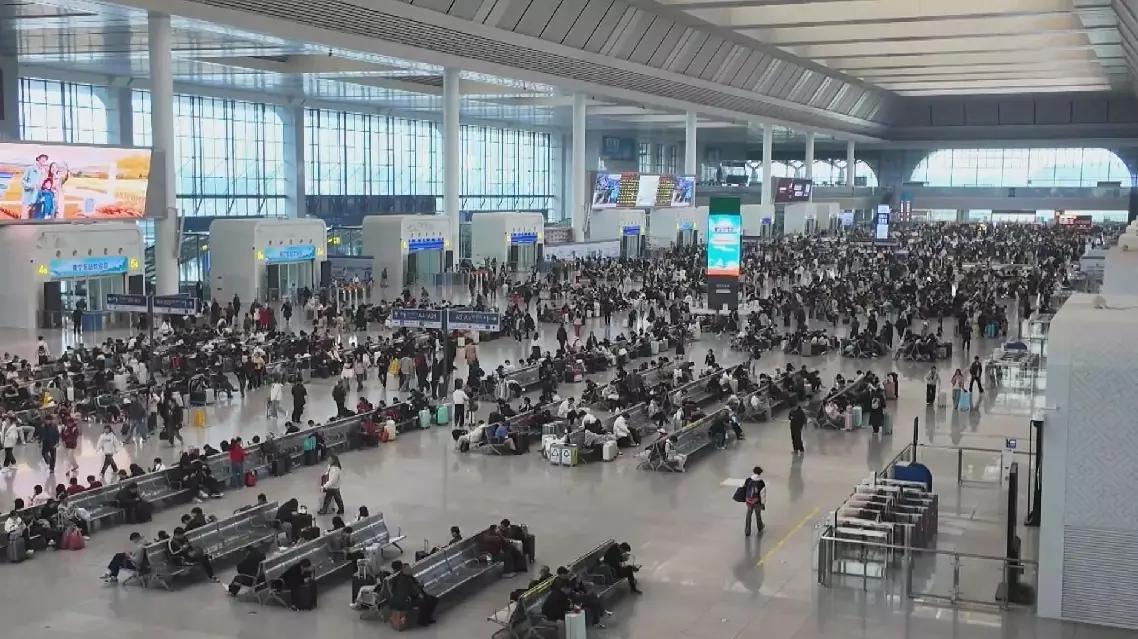
China's transportation network is bracing for a nationwide surge in return traffic on Saturday, the last day of the New Year holiday.
The total number of cross-regional passenger trips across the country on Friday was expected to exceed 180 million, representing a year-on-year growth of 13.4 percent, according to data from the Ministry of Transport.
The national railways handled more than 12.21 million passenger trips on Friday, the third day of the holiday travel rush running from Dec 31, 2025 to Jan 4, 2026.
As travelers begin to return from holiday destinations, the railway system is estimated to welcome 17.45 million passenger trips on Saturday, according to China State Railway Group.
Railway authorities have scheduled 1,343 additional pairs of passenger trains across the country to accommodate the increased travel demand.
Meanwhile, it was estimated that China's civil aviation sector handled 1.85 million passenger trips on Friday.
Notably, south China's Hainan Province has witnessed a peak in entry and exit across airport ports during the New Year holiday, the first public holiday after the province officially launched island-wide special customs operations on Dec 18 last year. The total number of cross-border passenger trips during the holiday is expected to reach 33,500.
Road traffic in China is equally busy, primarily consisting of short and medium-distance self-driving trips, including visits to relatives and friends as well as short-distance travels.
The national road network recorded more than 170 million trips on Friday, a year-on-year increase of 13 percent, according to the Ministry of Transport.
The ministry's Highway Monitoring and Response Center said that Friday logged a traffic volume of 32.6 million vehicles, an 11 percent year-on-year increase.
China sees return travel rush as Near Year holiday comes to end
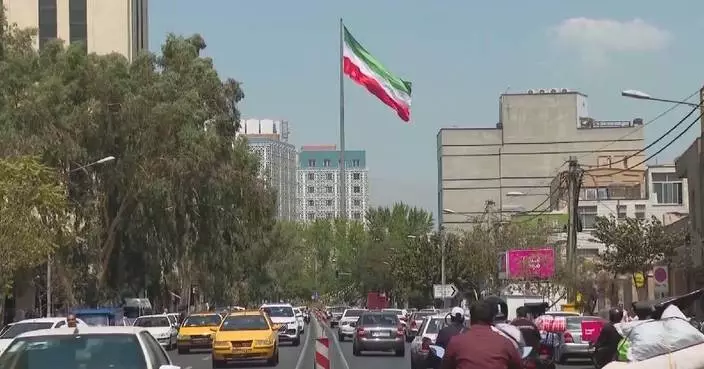
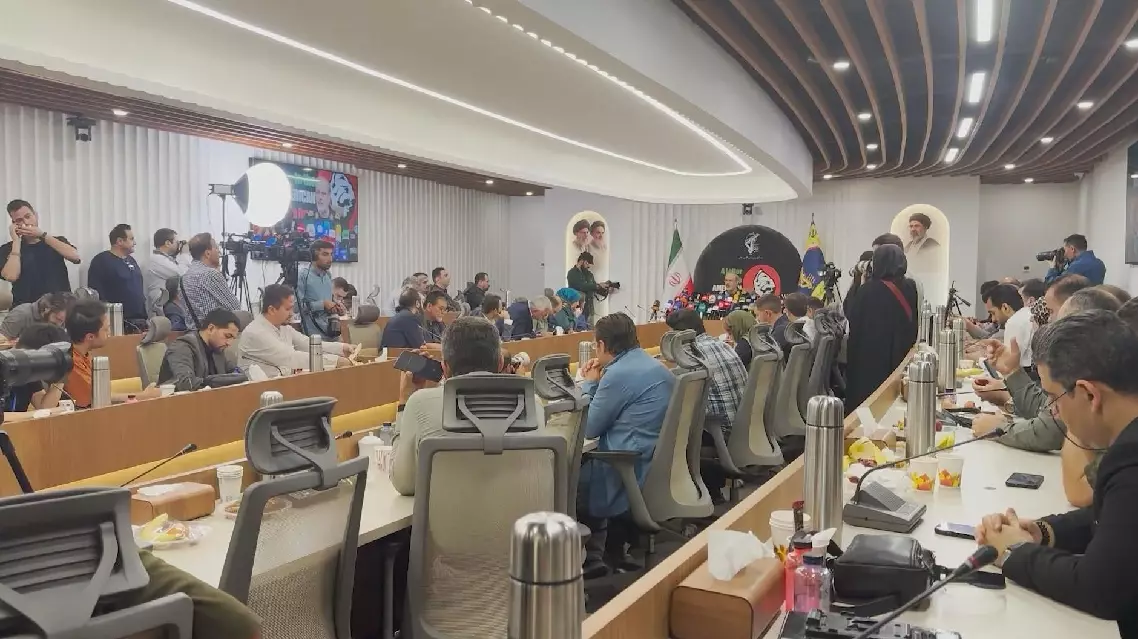
Iran's Islamic Revolution Guards Corps (IRGC) on Tuesday said the U.S. is plundering the country and trying to turn Iran back into a colony when releasing an open letter to the American public at a live press conference in the Iranian capital Tehran.
Speaking at the press conference, IRGC spokesman Hossein Mohebbi listed some of the U.S. hostile actions against Iran within the past months, including imposing the 40-day war as well as the naval and aerial blockades, intensifying the economic pressure, inciting "street riots" in January and arming the anti-Iran groups stationed along the country's northwestern and southeastern borders, noting that those scenarios were all doomed to failure.
He accused U.S. President Donald Trump of concealing the truth from Americans about Iran's nuclear program and the effectiveness of Iran's blockage of energy supplies from the Gulf. He also said Iran is upgrading and mass-producing existing arms in constant efforts to expand its defense capabilities, and will introduce new weapons to the battlefield if the conflict against Iran takes on a new form.
When Iranians chant "Death to America," they are referring to U.S. policies, not the American people, said the spokesman.
Mohebbi stressed that Iran had made significant commitments under the Joint Comprehensive Plan of Action (JCPOA), but said Donald Trump abandoned the deal. He also said that despite the former Supreme Leader's ban on nuclear weapons, the U.S. still assassinated him. According to Mohebbi, the dispute with America is not about nuclear weapons, but what he described as the disintegration and plunder of Iran.
The JCPOA nuclear agreement, known as the Iran nuclear deal, was a landmark agreement struck in 2015 between Iran and the United States, Britain, France, Russia, China, Germany and the EU.
"As a member of the nuclear non-proliferation treaty, Iran is committed to not producing nuclear weapons. But why does the US constantly highlight this issue? It is because its objective is to destroy Iran and steal Iran's national and underground wealth. It is clear that the US is lying and simply making excuses," said Mohebbi.
He added that the letter is intended to go beyond media publication. Rather than a short-term gesture, he described it as a deeper effort to help Americans understand Iran's perspective. He also urged Americans to read the letter, which he said presents what Iran considers the truth.
On Feb 28, Israel and the United States launched joint attacks on Tehran and other Iranian cities. Iran responded with waves of missile and drone attacks targeting Israel and U.S. bases and assets in the region, and tightened its grip on the Strait of Hormuz.
On June 18, the United States and Iran signed a memorandum of understanding (MoU) on ending the war in the region on all fronts, including Lebanon. Under the MoU, they were scheduled to hold negotiations within 60 days, which ended on Aug. 17, to reach a final agreement, but the fate of the talks remains unclear following a series of recent escalations between the two countries.
IRGC accuses US of plundering Iran in open letter to US public