Embattled Wisconsin Judge Hannah Dugan, who was convicted of obstruction last month for helping an immigrant evade federal officers, has sent her resignation letter to the governor.
The letter was sent Saturday. Republicans had been making plans to impeach her ever since her Dec. 19 conviction. A spokesperson for Gov. Tony Evers, a Democrat, said his office received Dugan's letter, and he would work to fill the vacancy without delay.
Dugan wrote that over the past decade she handled thousands of cases with “a commitment to treat all persons with dignity and respect, to act justly, deliberately and consistently, and to maintain a courtroom with the decorum and safety the public deserves.”
But she said the case against her is too big of a distraction.
“As you know, I am the subject of unprecedented federal legal proceedings, which are far from concluded but which present immense and complex challenges that threaten the independence of our judiciary. I am pursuing this fight for myself and for our independent judiciary,” Dugan said in her letter.
Last April, federal prosecutors accused Dugan of distracting federal officers trying to arrest a Mexican immigrant outside her courtroom and leading the man out through a private door. A federal jury convicted her of felony obstruction.
The case against Dugan was highlighted by President Donald Trump as he pressed ahead with his sweeping immigration crackdown. Democrats insisted the administration was trying to make an example of Dugan to blunt judicial opposition to the operation.
Republican Wisconsin Assembly Speaker Robin Vos praised Dugan's decision.
“I’m glad Dugan did the right thing by resigning and followed the clear direction from the Wisconsin Constitution," Vos said.
Democrat Ann Jacobs, who is chair of the Wisconsin Elections Commission board, said she agreed with Dugan that Milwaukee should have a permanent judge in place while this fight plays out.
“Despite her situation, she is ever the champion of justice, wanting to remove the judiciary from a political battle over her fate. I’m sure this is terribly hard for her but she is true to her faith and her principles,” Jacobs said in a post on X.
On April 18, immigration officers went to the Milwaukee County courthouse after learning 31-year-old Eduardo Flores-Ruiz had reentered the country illegally and was scheduled to appear before Dugan for a hearing in a state battery case.
Dugan confronted agents outside her courtroom and directed them to the office of her boss, Milwaukee County Chief Judge Carl Ashley, because she told them their administrative warrant wasn’t sufficient grounds to arrest Flores-Ruiz.
After the agents left, she led Flores-Ruiz and his attorney out a private jury door. Agents spotted Flores-Ruiz in the corridor, followed him outside and arrested him after a foot chase. The U.S. Department of Homeland Security announced in November he had been deported.

FILE - Milwaukee County Circuit Judge Hannah Dugan leaves the federal courthouse after a hearing Thursday, May 15, 2025, in Milwaukee. (AP Photo/Andy Manis, File)
GULF BREEZE, Fla. (AP) — Homeowners gassed up generators, filled bathtubs with water and bought last-minute supplies along the U.S. Gulf Coast on Friday while Hurricane Isaias gained strength as it charged toward the beaches of Alabama and the Florida Panhandle.
The Category 3 storm has grown into a major hurricane — the first of an unusually quiet Atlantic season — and is expected to make landfall Friday night.
Forecasters warned of a significant storm surge, damaging winds, flooding and possibly even tornadoes before the storm loses steam as it moves inland and delivers strong winds and rain well north into Atlanta.
Isaias is expected to come ashore between Mobile Bay on the Alabama coast and the city of Destin in the Florida Panhandle — a low-lying coastal stretch known for powdery white sand beaches dotted with vacation homes, waterfront bars and seafood shacks.
Residents in Panama City, Florida, braved the rain while filling sandbags Friday to protect their houses.
“I mean, it’s just the nature of the beast. It’s Florida," said Corliss Stone, who works for the fire department.
One of the biggest concerns is a storm surge that could be as high as 6 to 9 feet (1.8 to 2.7 meters), according to the National Hurricane Center. Places most at risk include Florida’s Pensacola Beach and the Gulf Islands National Seashore.
Anne Petzold, who lives with her husband in the Florida beach community of Gulf Breeze, said everyone in their neighborhood planned to ride out the storm. The couple installed hurricane shutters, picked up anything in their yard that could turn into a projectile and have two generators ready if they lose power.
“Everybody does what they can do, everybody asks if they need help — they ask for help, they offer help. All good,” she said. “It’s just another adventure.”
Neighbor Jay Brazzell said he went through a checklist of things to do, including stocking up on ice and gasoline. He decided to stay put because Isaias isn't as powerful as other hurricanes he's experienced.
“I mean I’m not boarding up,” said Brazzell, 69. “I’ve been through, this being, the ninth hurricane.”
Dangerous conditions are expected throughout the western panhandle, southern Alabama and southern Mississippi, the National Hurricane Center said. Rain began falling along the coast Friday morning, and tropical storm conditions were picking up in the early afternoon.
In a sign of how serious the warnings are, dozens of Waffle Houses in the Florida Panhandle were closed, according to the company's website. The beloved Southern breakfast chain is known for staying open through severe weather and often is a measuring stick of a storm’s severity.
Florida Gov. Ron DeSantis warned residents to expect flooding, wind damage, power outages and gasoline shortages.
“When the water’s rising and things are happening, it’s a very, very difficult conundrum and you do not want to be caught in that,” he said.
As of early afternoon, the storm was centered about 125 miles (235 kilometers) south of Pensacola and moving to the north-northeast, the center said. It was packing 120 mph (193 kph) sustained winds Friday morning and picking up speed. Category 3 storms are considered major hurricanes and are capable of causing devastation.
Once Isaias comes ashore, it is expected to weaken until it is downgraded to a tropical storm by Saturday afternoon, the hurricane center said.
Still, heavy rain is forecast as it moves inland, with 4 to 8 inches (10 to 20 centimeters) or even more expected through the weekend from southern Alabama to southwestern Georgia.
Isaias, which will be the first hurricane to hit the eastern U.S. since Milton tore up the Gulf Coast of Florida in 2024, also is expected to bring heavy rain and potential flooding to much of the Southeast over the weekend, and then to parts of the Midwest and Northeast into Monday.
A hurricane warning was in place from Ocean Springs, Mississippi, to the western Florida Panhandle.
Counties in Florida and Alabama announced mandatory evacuations for some coastal areas while Mobile, Alabama, imposed a curfew that would begin Friday evening and last until morning.
On Dauphin Island, a barrier island off the Alabama coast, Mayor Jeff Collier said he didn't expect major damage, “but at the same time, these things are very fickle and a little jog here or there, or some last-minute increase in strength — we just have to be prepared for the worst.”
Meanwhile in the Pacific, Hurricane Simon became a Category 2 hurricane on Friday and was expected to strengthen further before making landfall in Mexico this weekend.
Tropical Storm Rachel was expected to bring heavy winds and rain to northern Mexico and Southern California this weekend.
Megnien reported from Panama City, Florida, and Seewer reported from Toledo, Ohio. These Associated Press journalists also contributed: Gerald Herbert in Pensacola, Florida; Dave Collins in Hartford, Connecticut; Sarah Raza in Sioux Falls, South Dakota; Kim Chandler in Montgomery, Alabama; Laura Turbay in Little Rock, Arkansas; and Hallie Golden in Seattle.
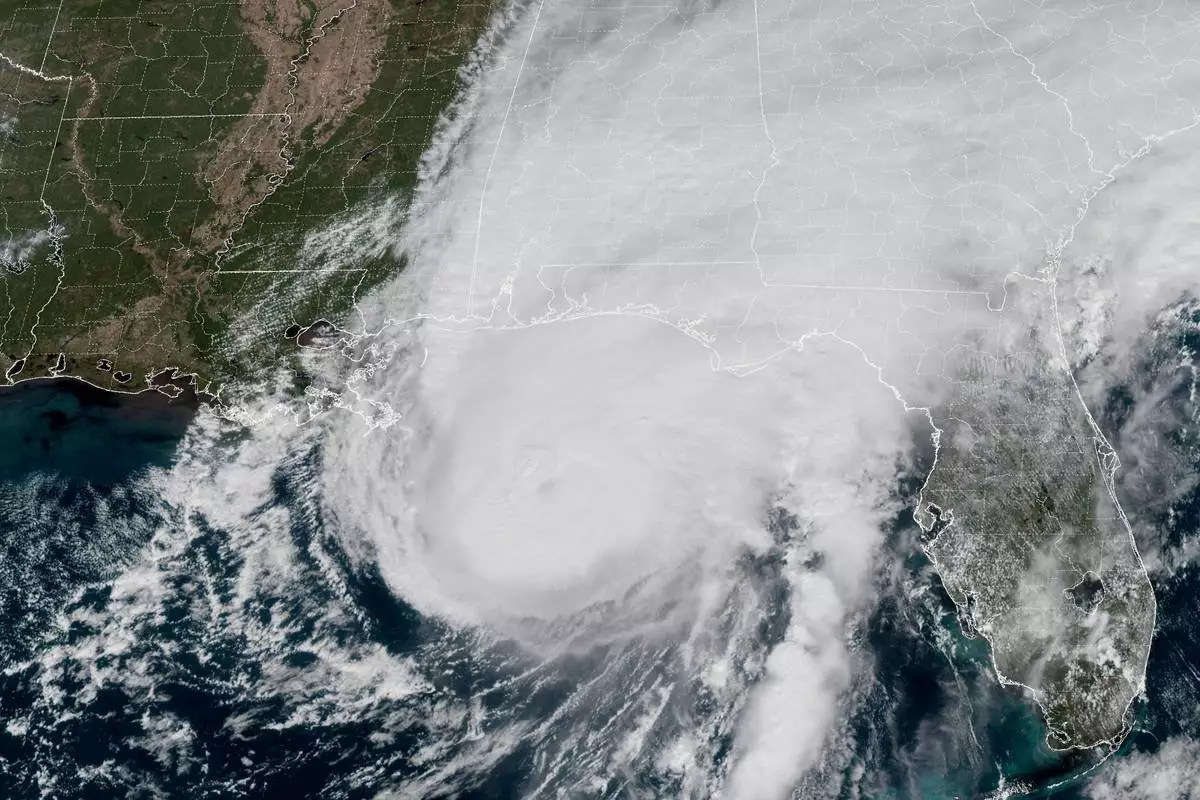
This GOES-19 GeoColor satellite image provided by the National Oceanic and Atmospheric Administration (NOAA) and taken at 1:06 p.m. EDT, Friday, Oct. 9 2026, shows Hurricane Isaias approaching the Gulf Coast of Alabama and Florida . (NOAA via AP)
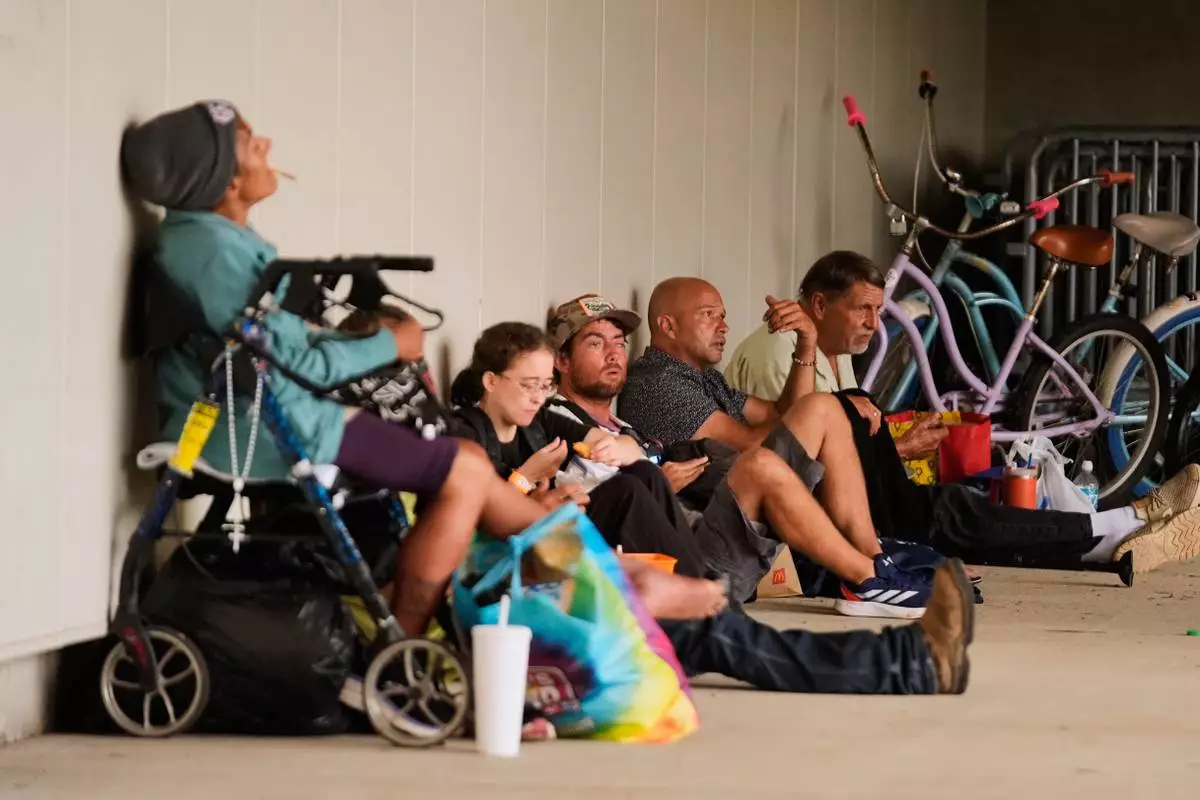
People sit outside an evacuation shelter as Hurricane Isaias approaches Pensacola, Fla., Friday, Oct. 9, 2026. (AP Photo/Gerald Herbert)
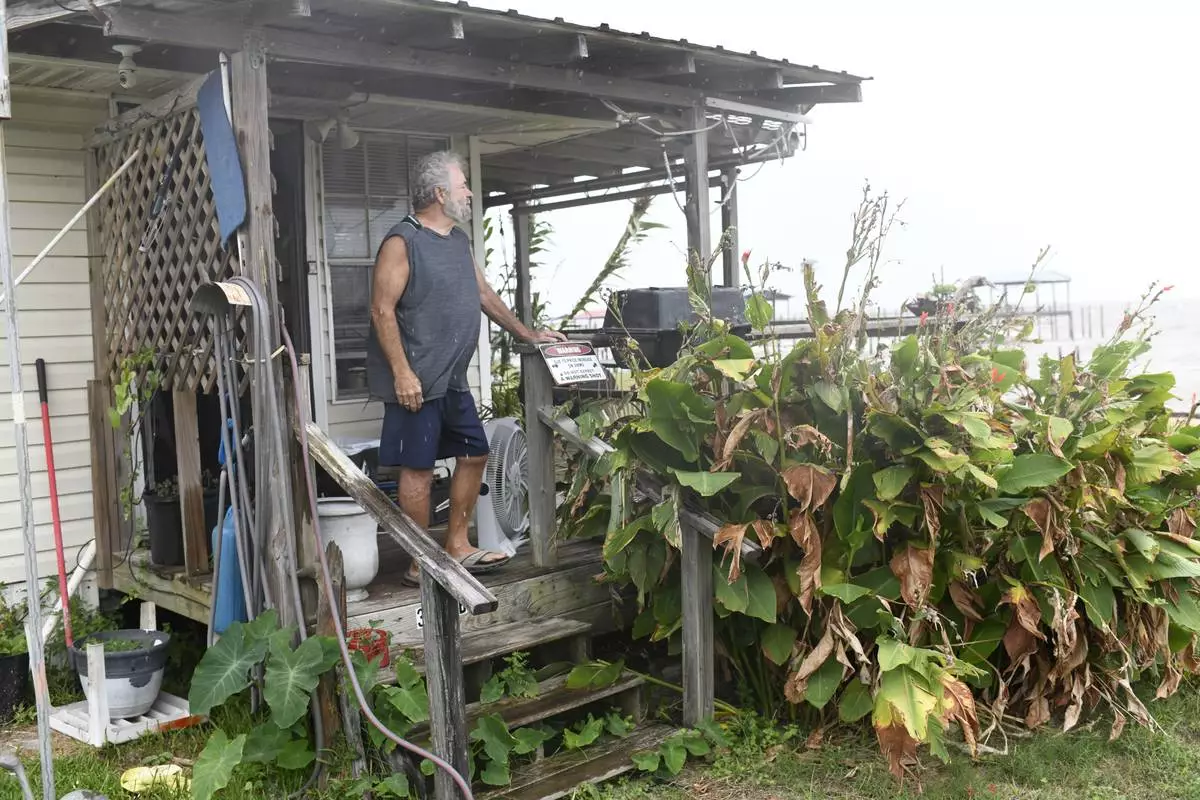
Jim McKenzie looks out over an empty beach as the effects of Isaias keep beachgoers away on Friday, Oct. 9, 2026, on Mon Louis Island, Ala.(AP Photo/Octavio Jones)
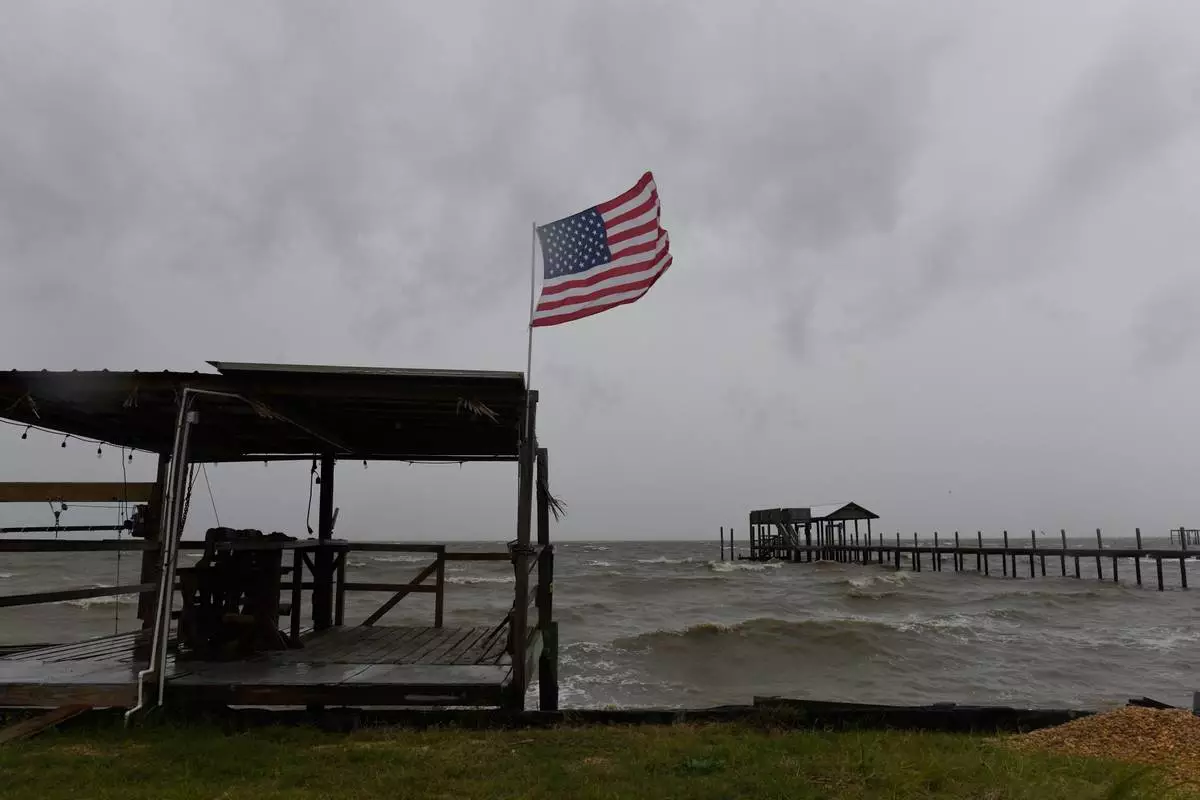
An American flag flaps in the wind generated by the effects of Isaias on an empty beach on Friday, Oct. 9, loom overhead on Friday, Oct. 9, 2026, in Mon Louis Island, Ala. (AP Photo/Octavio Jones)
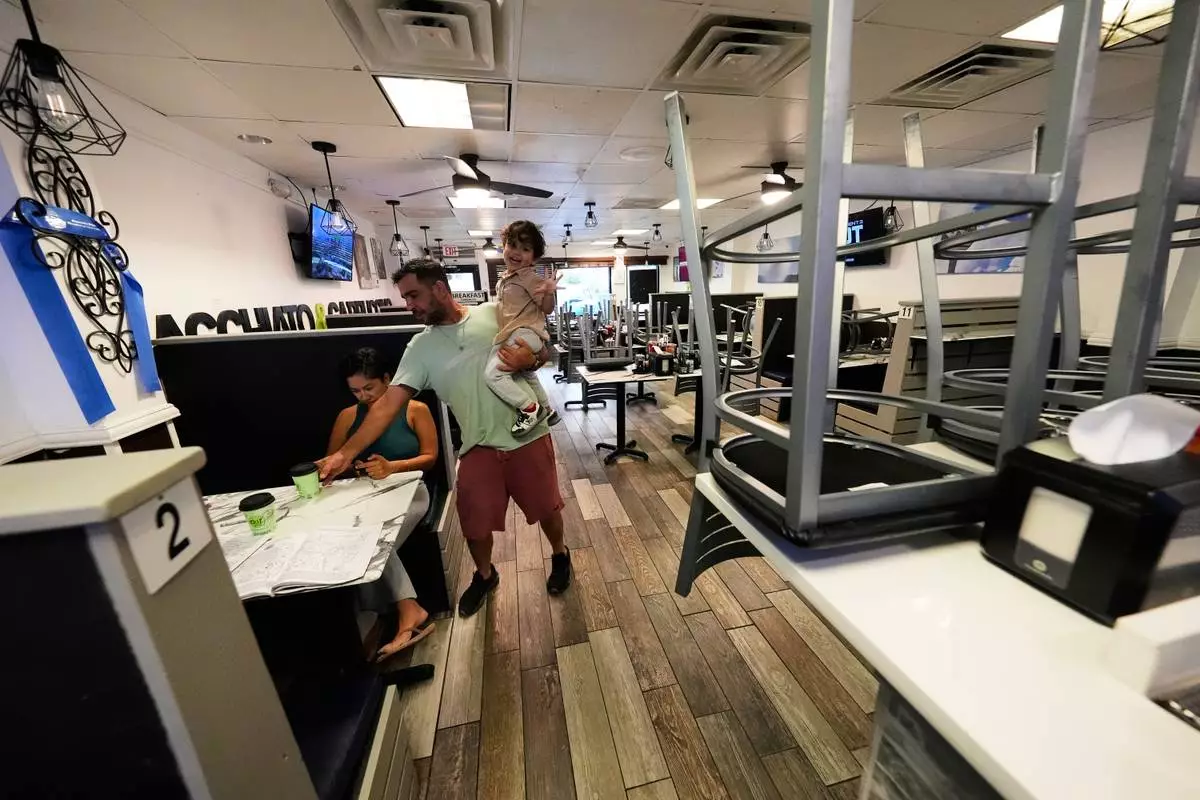
Shahar David, employee at Cafe Bistro, feeds his family before closing as Hurricane Isaias approaches Pensacola Beach, Fla., Friday, Oct. 9, 2026. (AP Photo/Gerald Herbert)
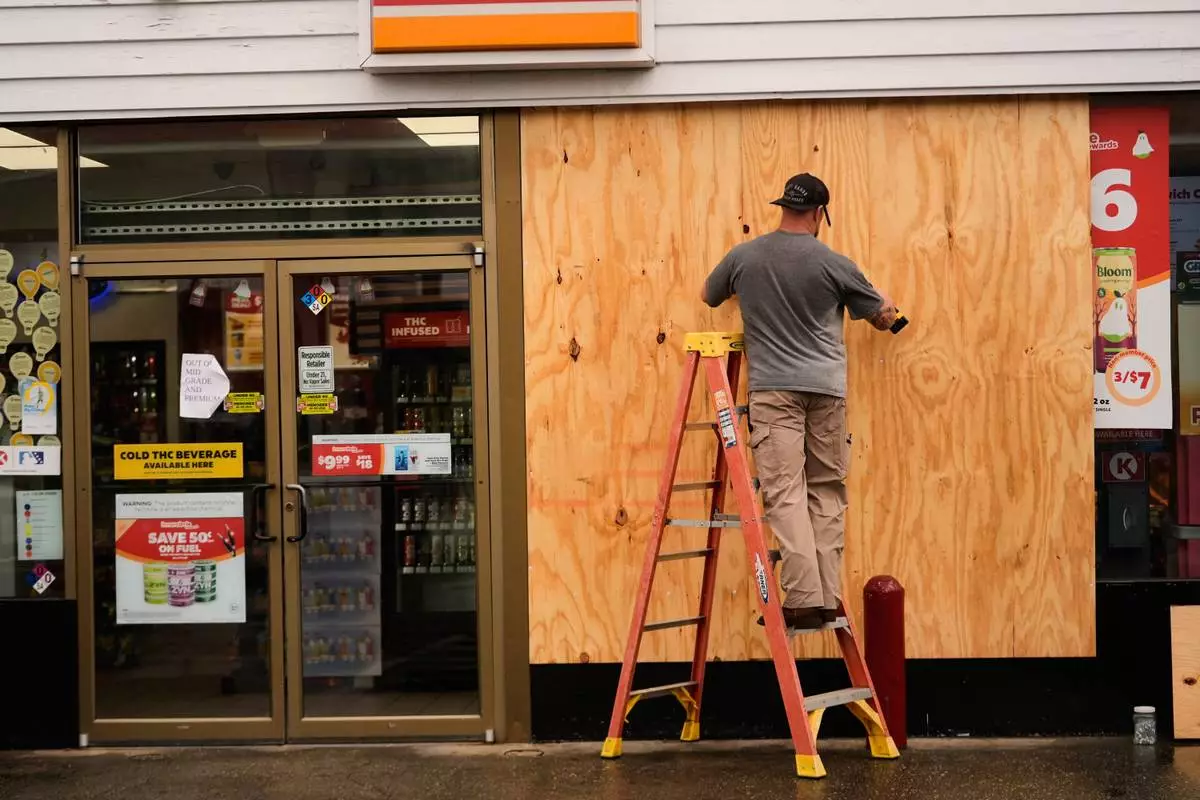
Jason Coffey boards up a convenience store at a gas station as Hurricane Isaias approaches Pensacola Beach, Fla., Friday, Oct. 9, 2026. (AP Photo/Gerald Herbert)
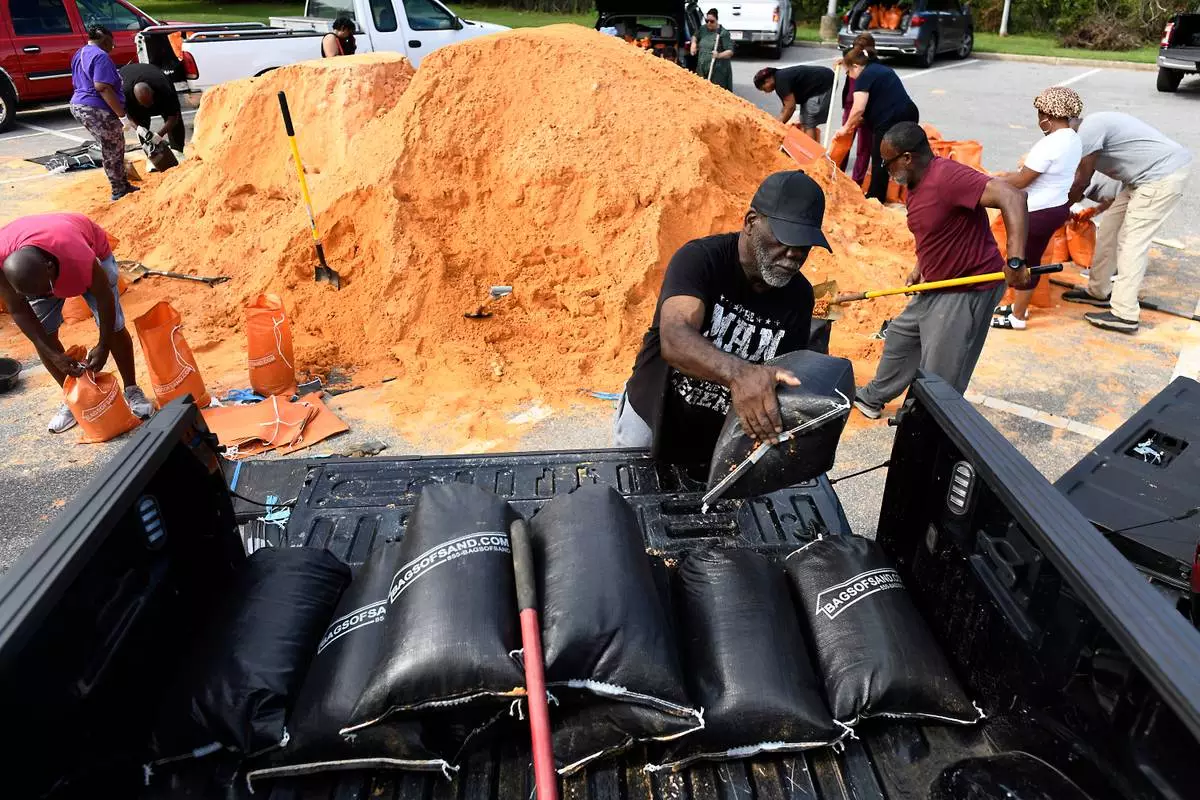
Residents pick up sandbags for storm preparation at the James Seals Jr. Parks & Recreation Center ahead of Hurricane Isaias' expected landfall along the Gulf Coast, Thursday, Oct. 8, 2026, in Mobile, Ala. (AP Photo/Octavio Jones)
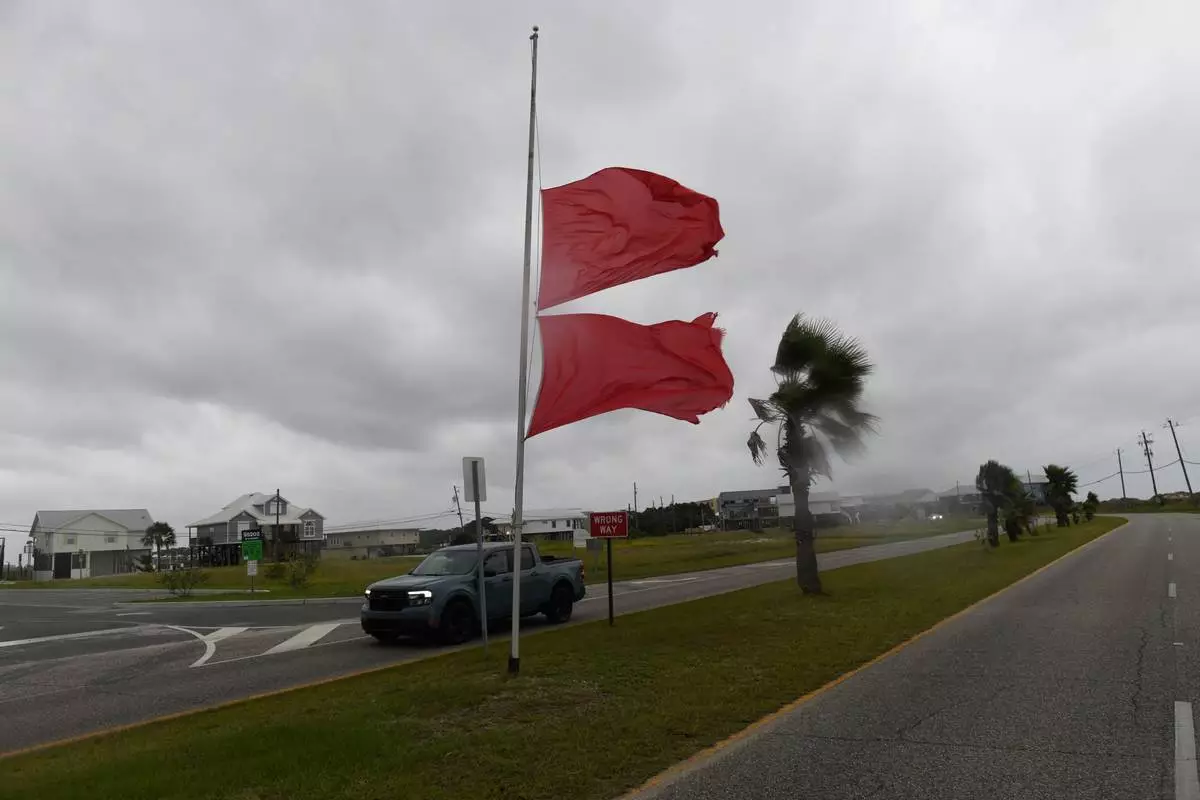
Marine flags flap in the wind generated by the effects of Isaias as a vehicle passes on Friday, Oct. 9, 2026, in Dauphin Island, Ala. (AP Photo/Octavio Jones)
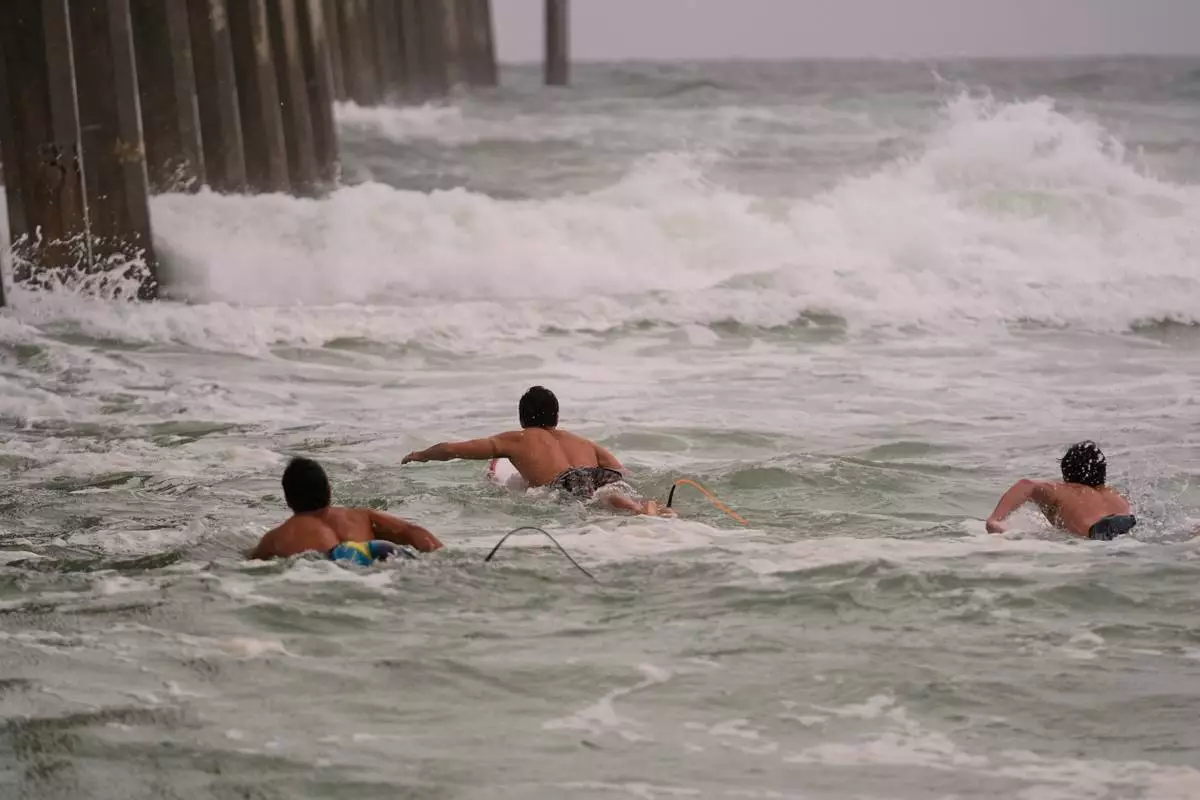
Surfers swim out to waves as Hurricane Isaias approaches Pensacola Beach, Fla., Friday, Oct. 9, 2026. (AP Photo/Gerald Herbert)
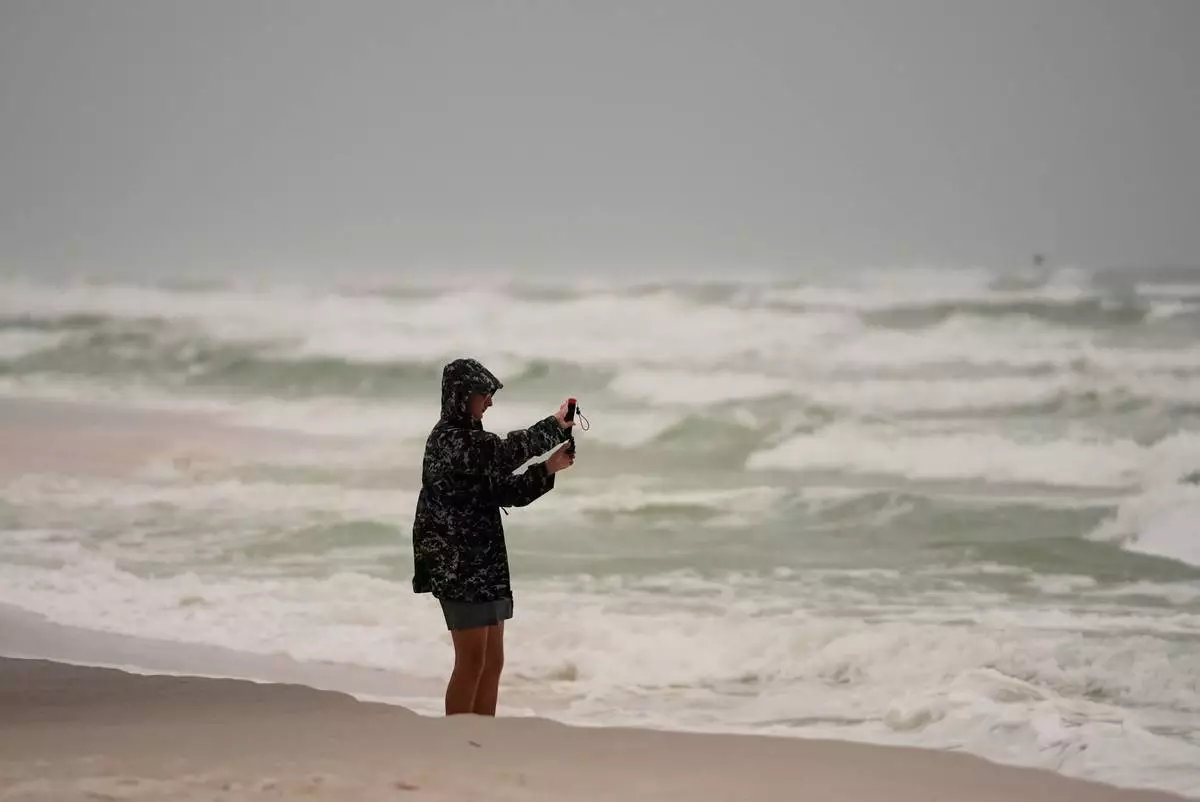
Silas Bowles, of Gulf Breeze, Fla. films the surf as Hurricane Isaias approaches Pensacola Beach, Fla., Friday, Oct. 9, 2026. (AP Photo/Gerald Herbert)
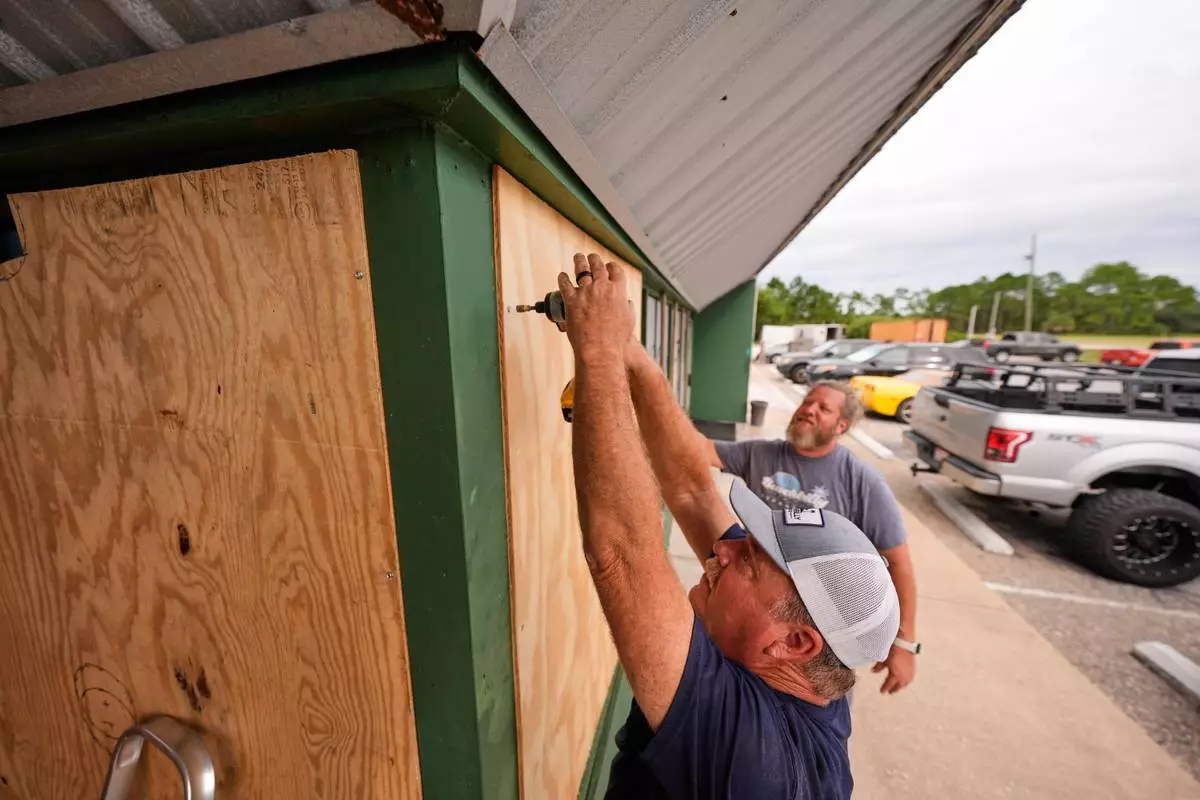
Mike Howard, foreground, and Joshua Brown board up Perdido Key Sports Bar as Hurricane Isaias approaches Perdido Key, Fla., Thursday, Oct. 8, 2026. (AP Photo/Gerald Herbert)
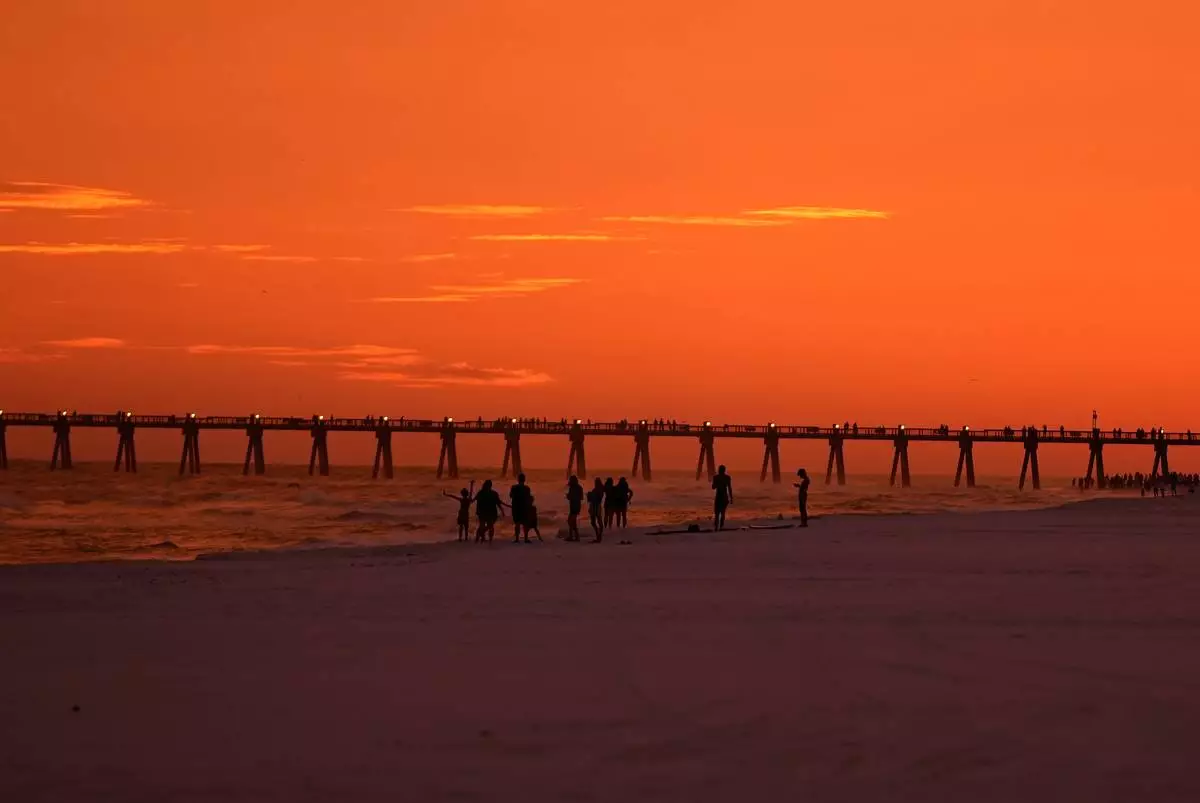
People walk on the beach at sunset as Hurricane Isaias approaches Pensacola Beach, Fla., Thursday, Oct. 8, 2026. (AP Photo/Gerald Herbert)
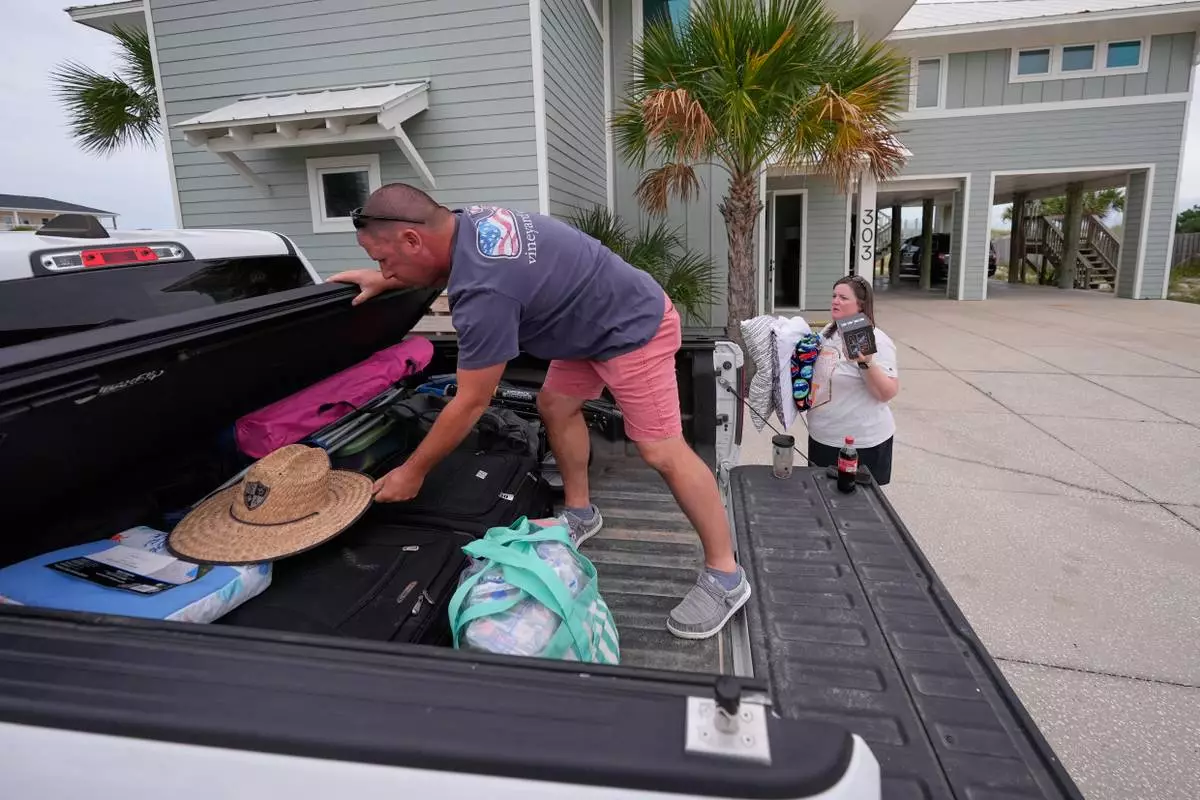
Daniel and Brand Harp, of Lebanon Tenn., here on vacation, pack their belongings to evacuate in the morning as Hurricane Isaias approaches Pensacola Beach, Fla., Thursday, Oct. 8, 2026. (AP Photo/Gerald Herbert)
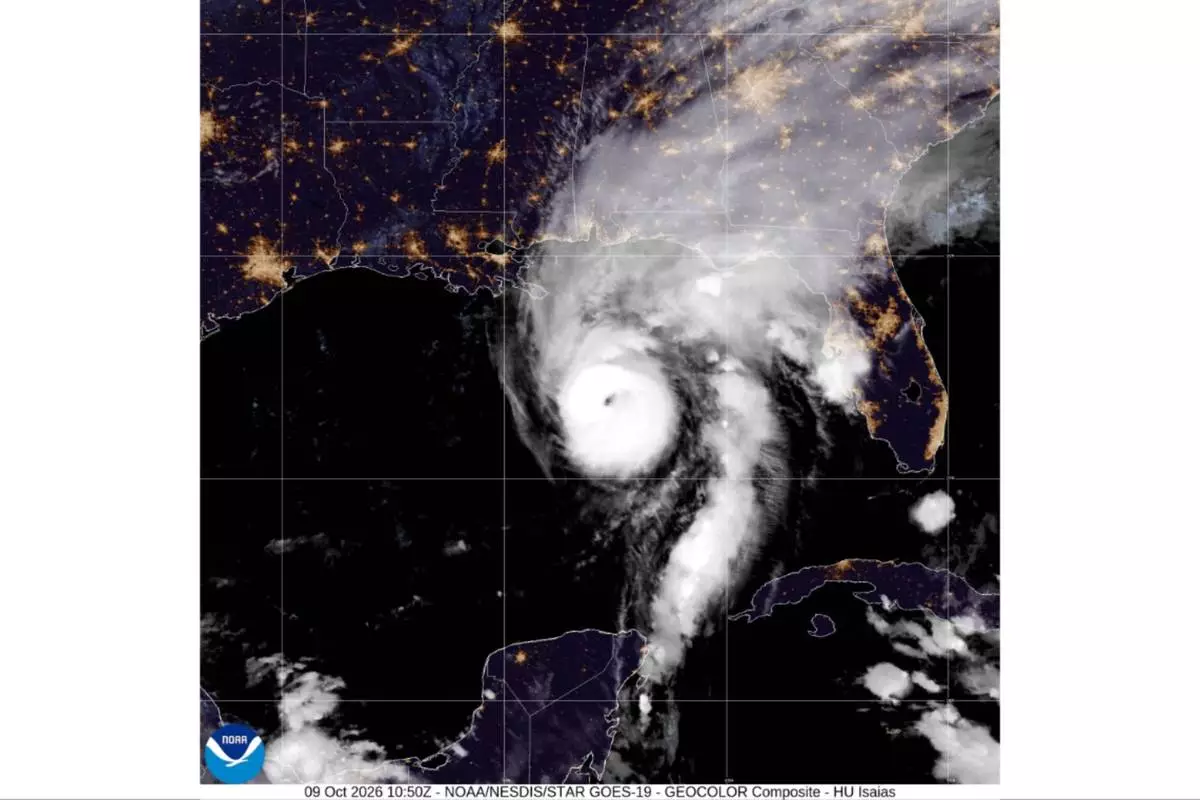
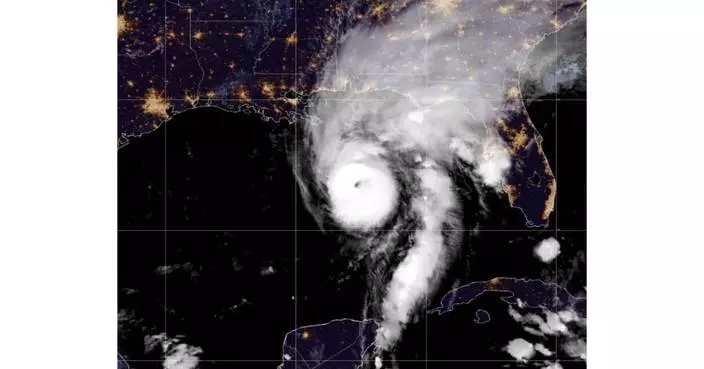
This satellite image from the National Oceanic and Atmospheric Administration shows Hurricane Isaias in the Gulf of Mexico, Friday, Oct. 9, 2026. (National Oceanic and Atmospheric Administration via AP)
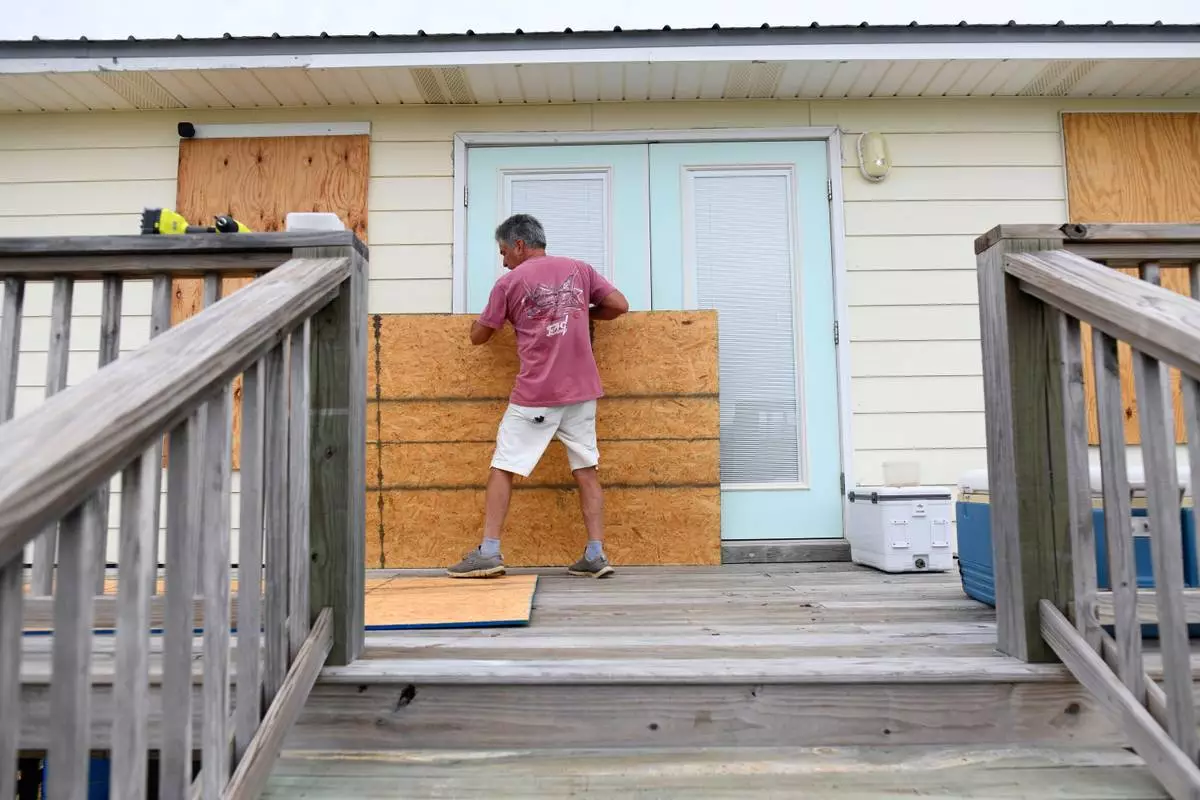
Larry Smith boards up his home with plywood ahead of Hurricane Isaias' expected landfall along the Gulf Coast in Dauphin Island, Alabama, Thursday, Oct. 8, 2026. (AP Photo/Octavio Jones)