Japan's benchmark yield on newly issued 10-year government bonds briefly rose to 2.125 percent, marking its highest level since February 1999, according to multiple Japanese media outlets on Monday.
The 10-year bond yield serves as a key indicator of long-term interest rates in Japan.
Bond prices and yields move in opposite directions. When investors actively purchase government bonds, prices rise and yields fall. Conversely, when bonds are sold off, prices drop and yields increase.
According to the media reports, the recent spike in bond yields has been driven by a rise in long-term U.S. Treasury yields and growing expectations that the Bank of Japan may continue to raise interest rates in phases. As a result, selling pressure on Japanese government bonds has intensified, pushing yields steadily higher.
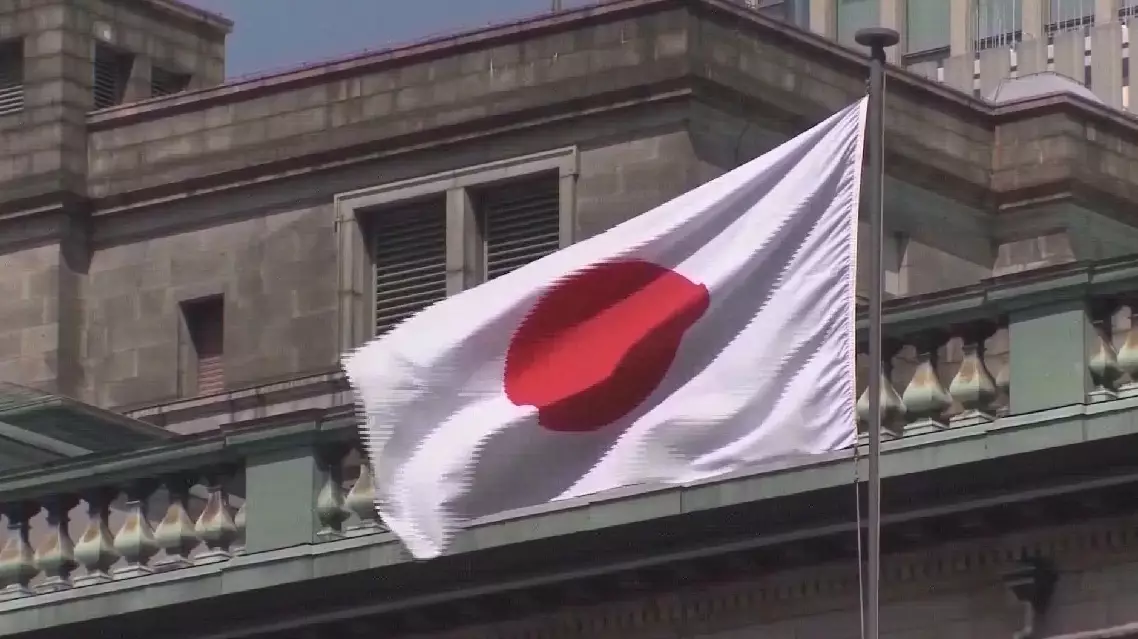
Japan's 10-year gov't bond yield hits 26-year high
A U.S. law expert has told China Global Television Network (CGTN) that the U.S. military operation in Venezuela is legally ungrounded, describing it as a violation of international law and the UN Charter, which is likely to set a dangerous precedent that challenges the global legal order.
In the early hours of Saturday, U.S. military forces carried out attacks and bombings in Caracas and other parts of Venezuela and took President Nicolas Maduro and his wife Cilia Flores, before putting them in custody in New York.
Julian Davis Mortenson, a professor at the University of Michigan Law School said that the U.S. actions in Venezuela have no justification under international law and violate the UN Charter's fundamental prohibition on the use of force.
"It is the general agreement of experts in the U.S., as abroad, that there is no international law justification for what the Trump administration has done in Venezuela, because the UN Charter is really quite straightforward. The use of force is prohibited under the UN Charter. Now you might think 'how can that be?' Sometimes nations must use force to defend themselves, and of course, that's exactly correct, but there's a procedural requirement," said Mortenson.
"That's the basic structure of how the UN Charter framework works -- a prohibition on using force combined with an exception from the prohibition, but only if you suffer an armed attack and are responding to it. I don't see any serious argument that there has been any kind of action by Venezuela, or even by non-state parties affiliated with Venezuela, that would come close to constituting an armed attack," he said.
Mortenson stressed the critical importance of global condemnation to prevent such actions from becoming a precedent, although he acknowledged that countries might struggle to strike a balance in how they responded.
"In my view, the way the international community right now is responding to what Trump has done is walking an uneasy balance between trying to assert the meaning and force of international law, on one hand, and on the other hand, just as a realistic practical matter, not picking a fight with the U.S. beyond what is needed," he said.
"It's important that other countries state that they think the U.S. is violating the law. And that's important because if they don't, actions like the U.S. is taking can become part of international law and can become a precedent for other countries or the U.S. again to do the same thing again," said the professor.
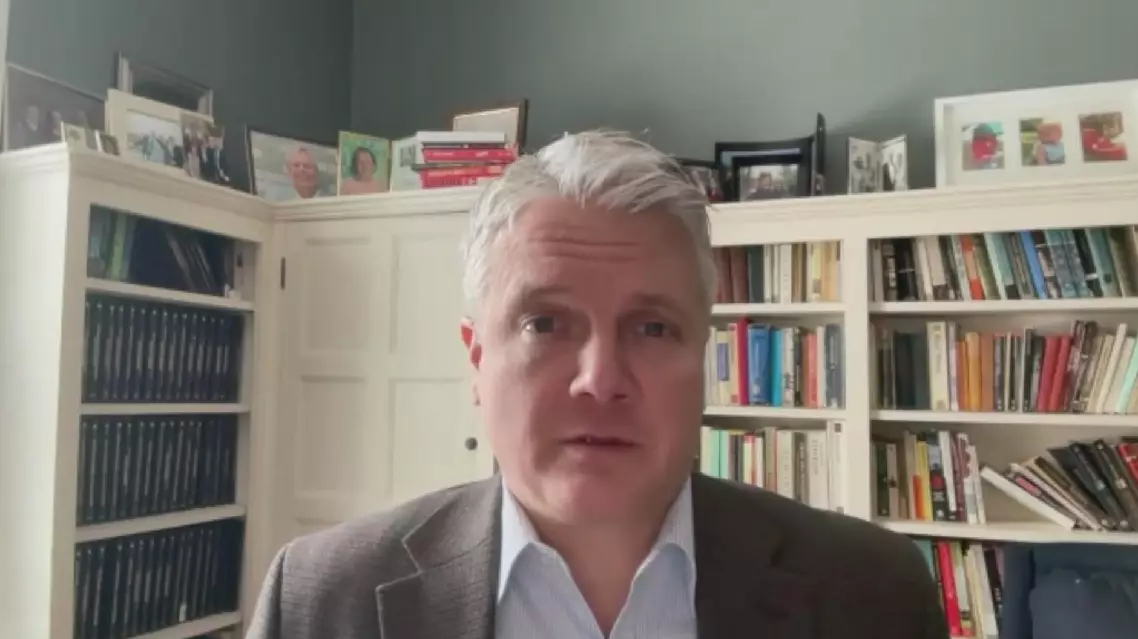
U.S. actions in Venezuela have no justification under international law, UN Charter: scholar