The Corporation for Public Broadcasting (CPB) announced on Monday that its Board of Directors has voted to dissolve the organization after rescission of federal funding and "sustained political attacks".
The organization was created by the U.S. Congress to steward the federal government's investment in public broadcasting.
CPB stated that the U.S. Congress, acting on President Donald Trump's executive order, has defunded the organization. It added that due to "sustained political attacks", it can no longer operate as the Public Broadcasting Act intended.
In May 2025, Trump signed an executive order to terminate federal funding for public media outlets including CPB and National Public Radio, claiming their reporting was "unfair, inaccurate, and biased".
CPB subsequently sued the Trump administration and began scaling down its operations.
First authorized by the U.S. Congress under the Public Broadcasting Act of 1967, the private, nonprofit organization of CPB helped build and sustain a nationwide public media system of more than 1,500 locally owned and operated public radio and television stations, according to CPB's statement.
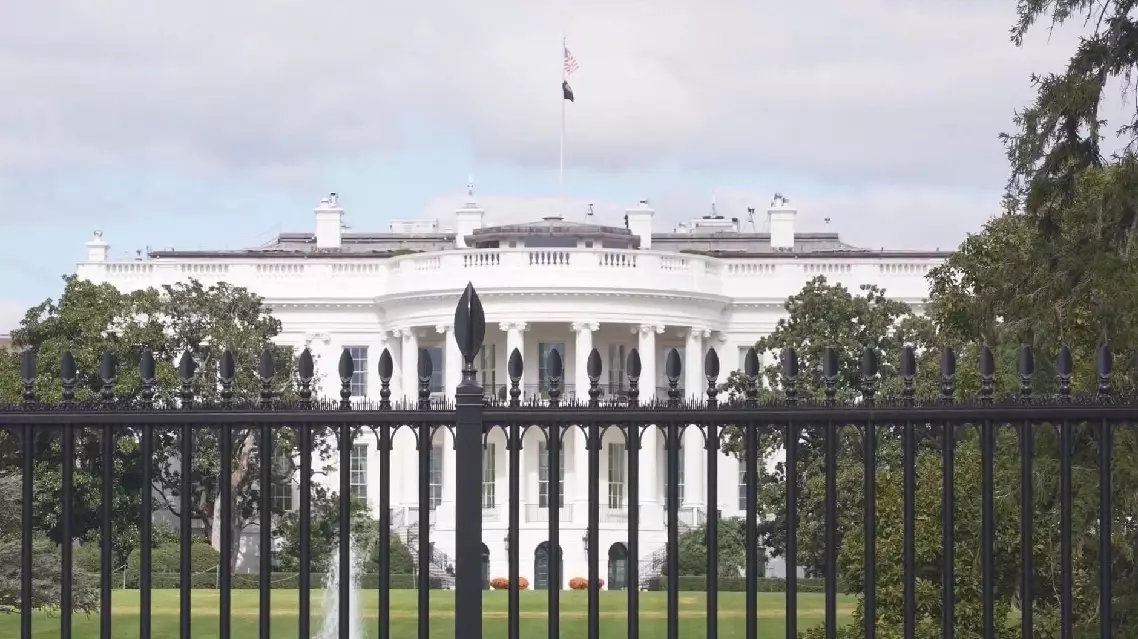
Corporation for Public Broadcasting in U.S. dissolves organization after Congress withdraws funding
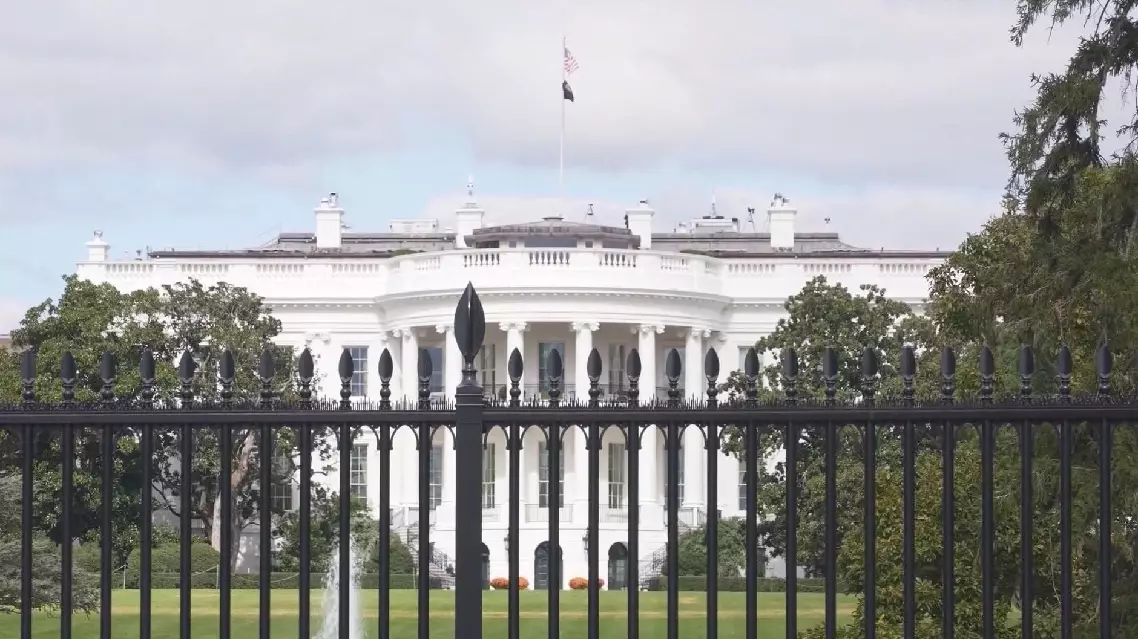
Corporation for Public Broadcasting in U.S. dissolves organization after Congress withdraws funding
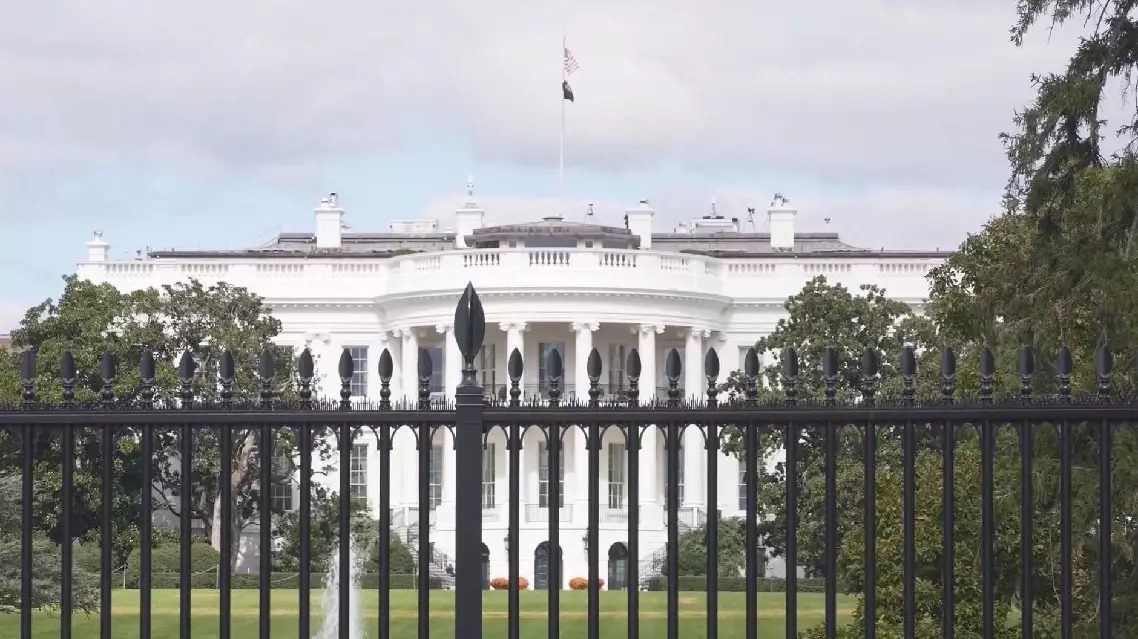
Corporation for Public Broadcasting in U.S. dissolves organization after Congress withdraws funding
Chinese Foreign Minister Wang Yi said on Thursday that UN Security Council actions must not provide legal cover for unauthorized military operations, nor should they heighten tensions or escalate conflict.
Wang, also a member of the Political Bureau of the Communist Party of China Central Committee, made the remarks in a phone conversation with Kaja Kallas, the High Representative for Foreign Affairs and Security Policy of the European Commission.
Kallas shared her views on the situation in the Middle East and commended China's active diplomatic mediation efforts to ease the situation, including the latest five-point joint initiative issued by China and Pakistan for restoring peace and stability in the Gulf and the Middle East.
The European side has not been involved in this war but has suffered from its spillover effects, she said, expressing hope for swiftly de-escalating the war and resuming dialogue and negotiations.
The European side supports UN humanitarian operations, the protection of civilians and non-military targets, and will make every effort to ensure the opening of navigation through the Strait of Hormuz, she said.
Wang said that amid the current international turmoil, it is the shared responsibility of China and Europe to step up communication and exchanges, and to uphold the UN-centered international system and the international order based on international law.
Wang elaborated on China's principled position on the Middle East situation, noting that the five-point initiative proposed by China and Pakistan reflects a broad international consensus, whose core elements include a cessation of hostilities, the start of peace talks as soon as possible, ensuring the security of non-military targets and security of shipping lanes, and safeguarding the primacy of the UN Charter.
A ceasefire and an end to hostilities are the strong call of the international community, and also the fundamental solution to ensuring safe navigation through the Strait of Hormuz, Wang said, adding that all parties should build greater consensus and create the necessary conditions to that end.
The UN Security Council actions should focus on cooling down the situation and de-escalating tensions, Wang said, adding that China stands ready to maintain communication and cooperation with the European side to promote an early end to hostilities and restore regional peace.
The two sides also exchanged views on China-EU relations. Wang said that China's development represents opportunities for Europe, and that the challenges Europe faces do not originate from China. Protectionism does not enhance competitiveness, and decoupling from China means decoupling from opportunities, Wang said, expressing hope that the European side will develop a comprehensive and objective perception of China and maintain the correct direction of China-EU relations.
Kallas said that the European side views China as an important cooperation partner, does not seek decoupling from China, and looks forward to maintaining dialogue and communication between the two sides.
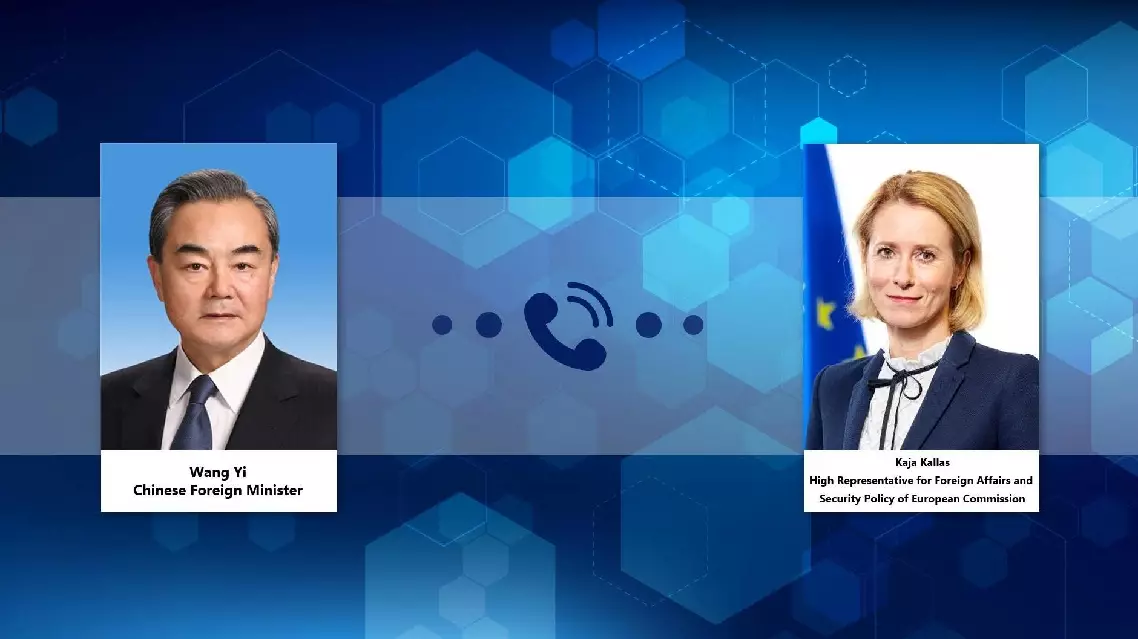
Chinese FM says UN Security Council actions should not legitimize unauthorized military operations