Despite the slowing growth of global trade and increasing protectionist tendencies, economic and trade cooperation between China and the United Arab Emirates (UAE) has shown strong resilience in 2025, achieving continuous growth through fruitful collaboration.
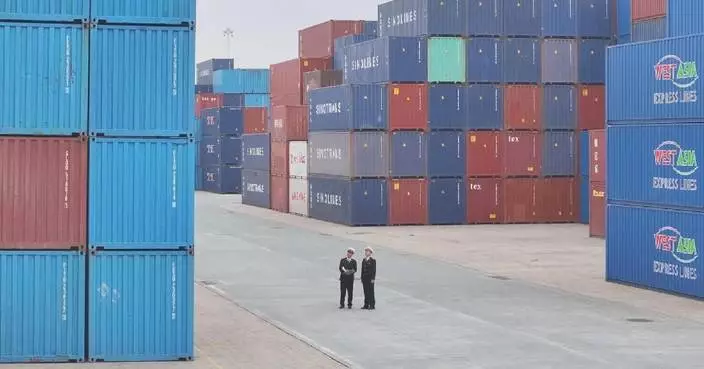
From January to October 2025, the volume of bilateral trade between the two countries reached nearly 86 billion U.S. dollars, reflecting an annual increase of 4.1 percent, with expectations to exceed 100 billion U.S. dollars by the end of the year.
As a result, the UAE has not only become the largest market for China in the Arab region, but has also emerged as a major hub for Chinese companies expanding globally.
The UAE is the largest investment destination for China among Arab countries. Chinese companies continue to expand their investments in the UAE, shifting from traditional sectors such as energy and infrastructure to emerging fields like advanced technology, the digital economy, and the green economy. Concurrently, there is a growing influx of renewable energy technologies, advanced construction materials, financial technology solutions, high-quality consumer goods, and Emirati healthcare products entering the Chinese market.
In the first three quarters of 2025, Chinese investment in the UAE across all sectors amounted to 1.48 billion U.S. dollars, marking an annual increase of 35.7 percent, while Emirati direct investment in China reached 877 million U.S. dollars, reflecting an annual increase of 48.4 percent.
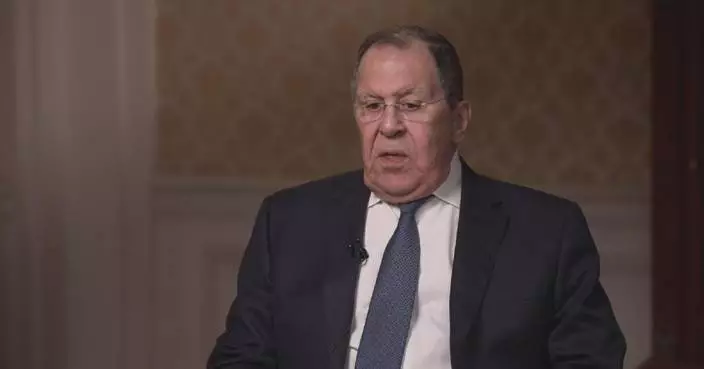
In an interview with China Media Grou (CMG), Ou Boqian, the Chinese Consul General in Dubai, said that comprehensive economic and trade cooperation between China and the UAE is witnessing a mutually beneficial approach that continues to deepen in 2025. The UAE has become an important gateway for Chinese companies seeking to explore global markets.
"Special customs operations were launched at the island level in Hainan Free Trade Port last December, and once it is completed, Hainan Free Trade Port will become the largest in the world. Dubai has many free zones, and in 2025, Feng Fei, the Secretary of the Communist Party of China in Hainan Province, led a delegation from the Hainan government to Dubai to explore cooperation opportunities. Therefore, in the near future, cooperation between both sides in free trade zones is expected to deepen. The significance of this cooperation lies not only in the establishment of free zones but also in both sides benefiting from an open free trade economy. At the same time, both sides strongly support multilateralism, providing a broader common ground. Additionally, the scope of cooperation in sustainable development will expand," she said.
On Dec 18, 2025, China launched island-wide special customs operations in the Hainan Free Trade Port (FTP), the world's largest FTP by area, allowing freer entry of overseas goods, expanded zero-tariff coverage and more business-friendly measures. Under the new arrangements, the tropical island of more than 30,000 square km has been designated as a special customs supervision zone.
Abdulla Alkhaja, a research assistant at TRENDS Research and Advisory's Dubai Office, praised China's policies for closely aligning with those of the UAE.
"The 15th Five-Year Plan (2026-2030) aligns with the goals of the 'We the UAE 2031' vision. Economically, the two countries share a strong bilateral partnership, supporting each other on multiple levels. This partnership reflects the current trends in the Middle East across various sectors, whether in energy or new energy vehicles," he said.
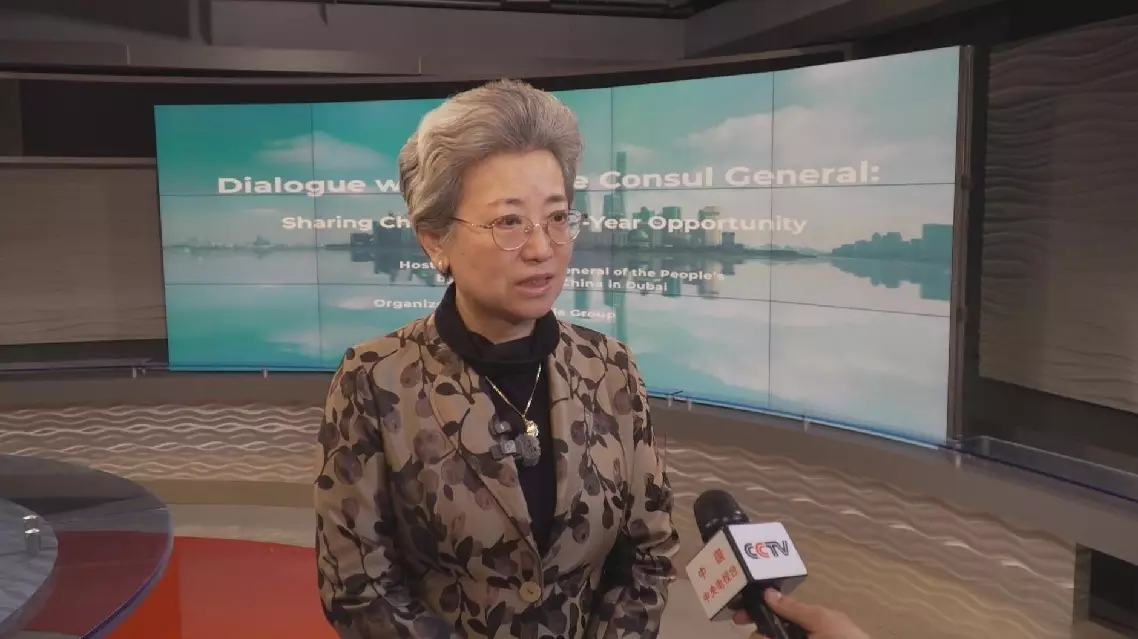
China, UAE advance economic, trade cooperation in 2025