China's central authorities have rolled out measures to offer more support to elder care service providers, according to guidelines made public Tuesday.
Released by eight central departments including the Ministry of Civil Affairs, the document aims to drive the reform of elderly care services, improve the well-being of senior citizens, and fuel the growth of silver economy.
The policy initiative comes amid a rapidly aging society in China. Data shows that as of the end of 2024, the number of people aged 60 and above in the country had hit 310 million. By 2035, this demographic is projected to exceed 400 million.
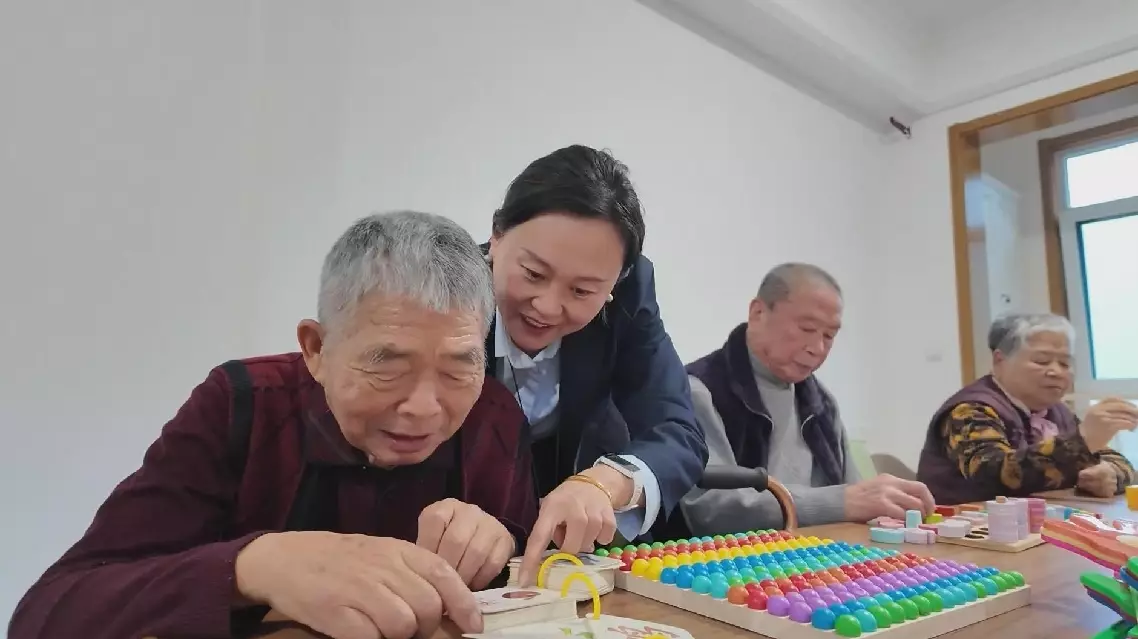
The guidelines emphasize expanding community-based care services by introducing chain-operated elderly care providers and encouraging household service companies to develop tailored home care solutions that meet the specific needs of seniors as demand continues to grow.
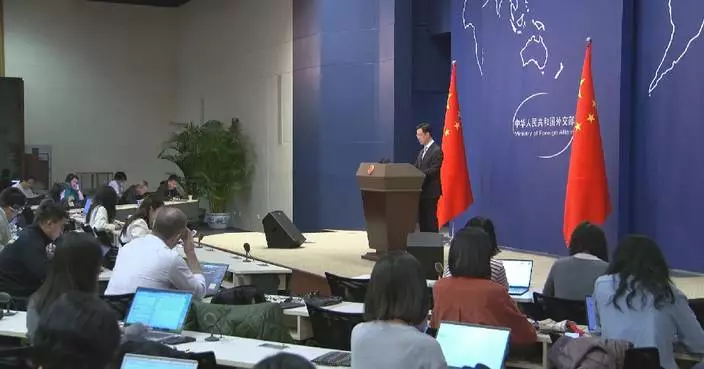
At the press conference elaborating on the measures, Li Banghua, deputy director of the Department of Elderly Care at the Ministry of Civil Affairs, said that civil affairs departments at all levels of government should regularly publish information on the elderly population and the distribution and utilization of elderly care service facilities, and provide convenient and efficient consultation and guidance services to elderly care service providers within their administrative regions.
An industry cultivation and incubation mechanism should be established to encourage elderly care service providers to apply for specialized small and medium-sized enterprise (SME) status and support, he noted.
"To address site shortages for providers, we must ensure that elderly care service facilities have land and suitable locations available. We must also optimize financial support. In regions which meet certain conditions, local governments should improve subsidy policies for bed construction and operation, and implement a dynamic monitoring mechanism with a unique 'one bed, one code' system to ensure precise implementation of subsidies and rapid access to funds, thereby alleviating the financial pressure on service providers," he said.
China to increase support for elderly care service providers