Skip to Content Facebook Feature Image

HKU Co-hosts "The Nobel Heroes Forum: Shaping Science and Future" Convene World-Leading Minds to Forge Next Era of Discovery

HK

HKU Co-hosts "The Nobel Heroes Forum: Shaping Science and Future" Convene World-Leading Minds to Forge Next Era of Discovery
HK

HK

HKU Co-hosts "The Nobel Heroes Forum: Shaping Science and Future" Convene World-Leading Minds to Forge Next Era of Discovery

2026-01-14 15:40 Last Updated At:15:40

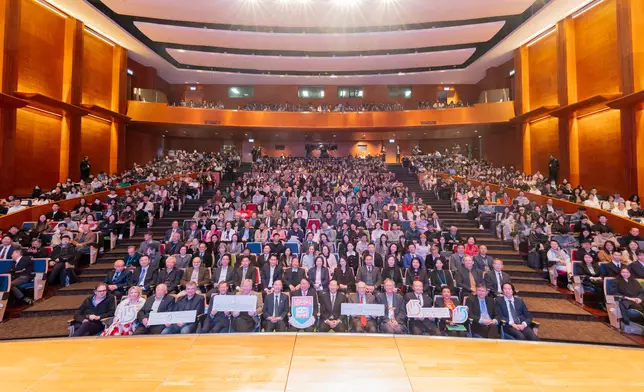
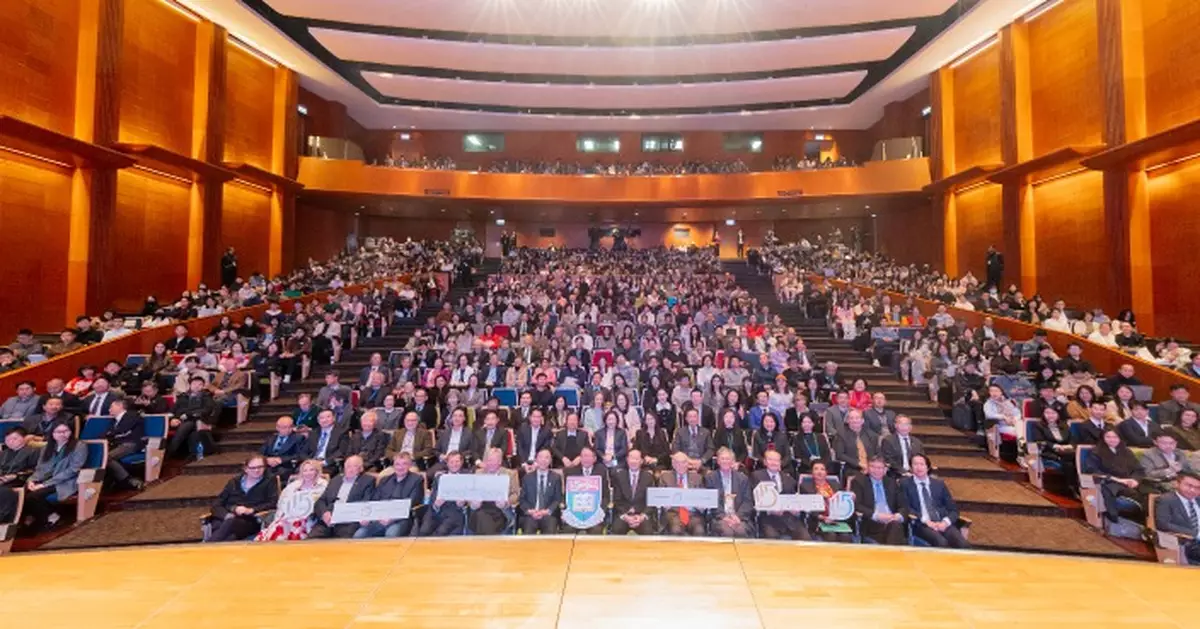
The University of Hong Kong (HKU) and Lindau Nobel Laureate Meetings co-hosted "The Nobel Heroes Forum: Shaping Science and Future" recently, convening six Nobel laureates for thought-provoking discussions on how fundamental research drives progress in science, technology, health, and the global economy. Held at the Grand Hall of the Lee Shau Kee Lecture Centre on the Centennial Campus, the forum drew an audience of over 800 participants, fostering interdisciplinary exchange among some of the world’s most distinguished scientific minds.
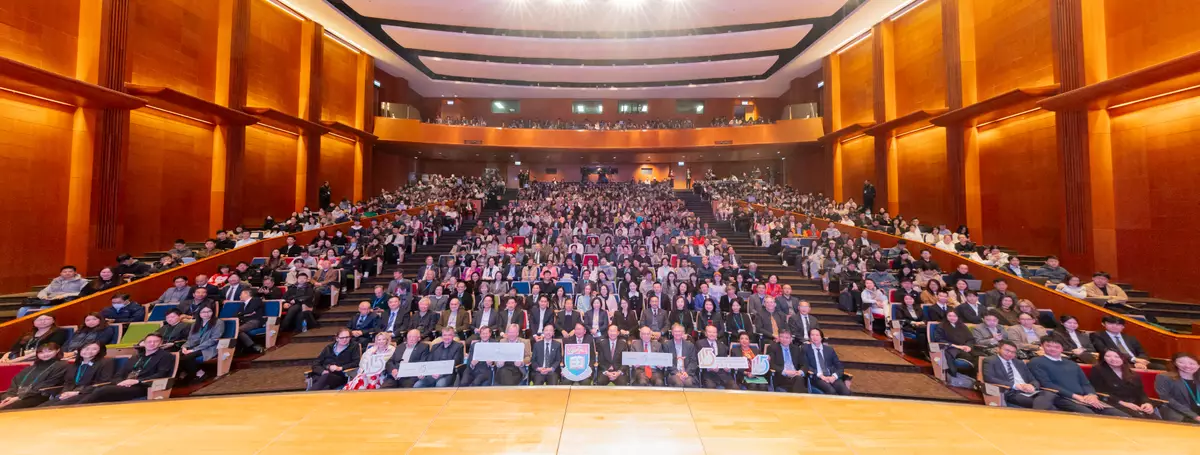
Held at the Grand Hall of the Lee Shau Kee Lecture Centre on the Centennial Campus, the forum drew an audience of over 800 participants.. Photo source: HKU
Held at the Grand Hall of the Lee Shau Kee Lecture Centre on the Centennial Campus, the forum drew an audience of over 800 participants.. Photo source: HKU

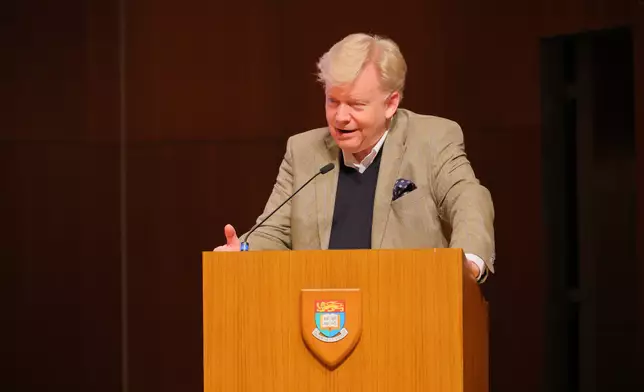
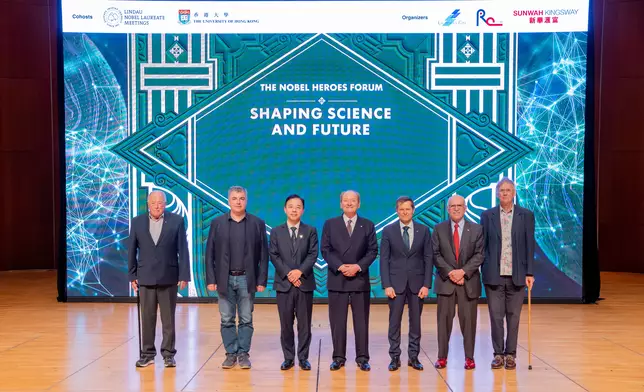
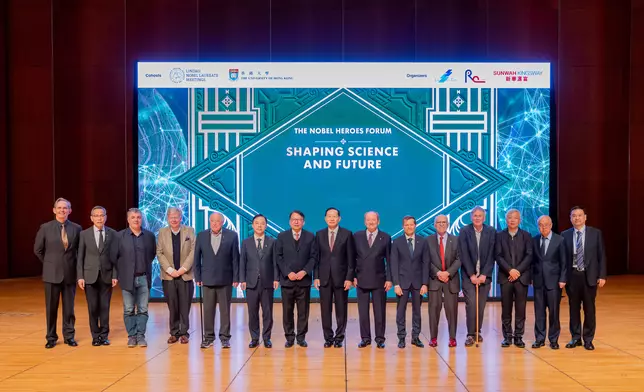
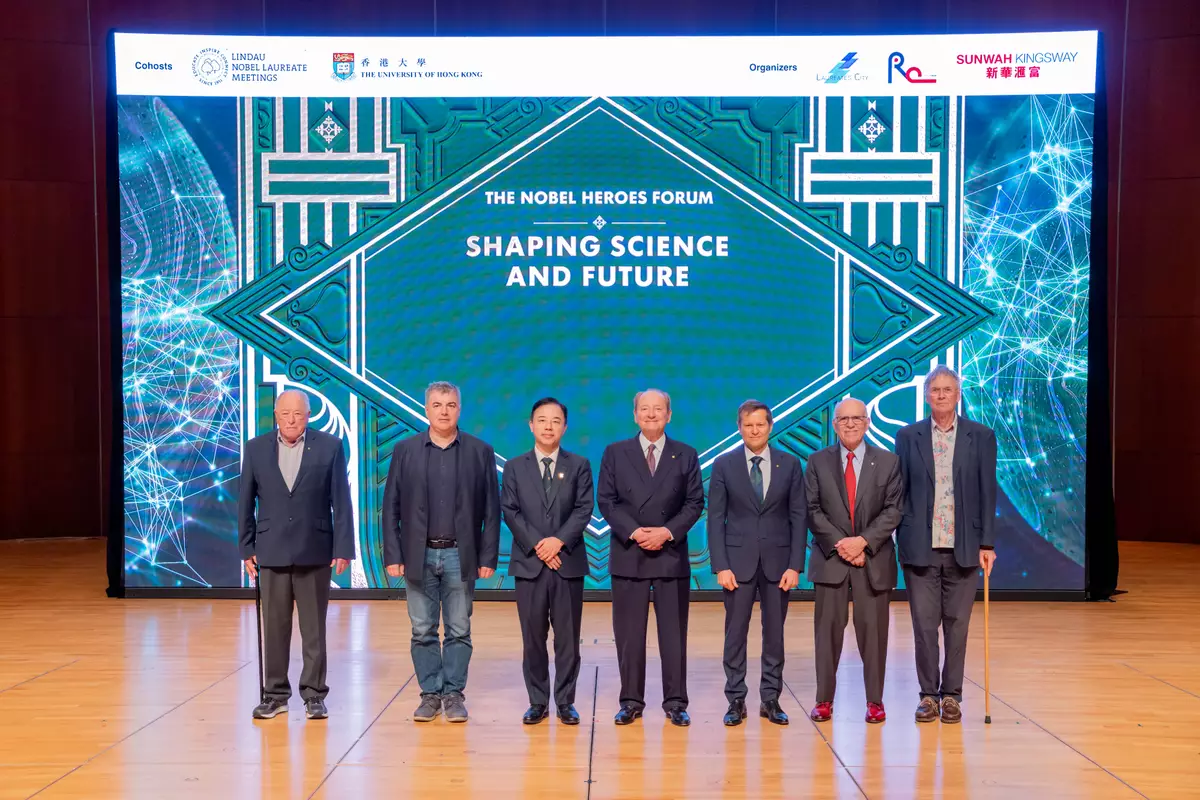
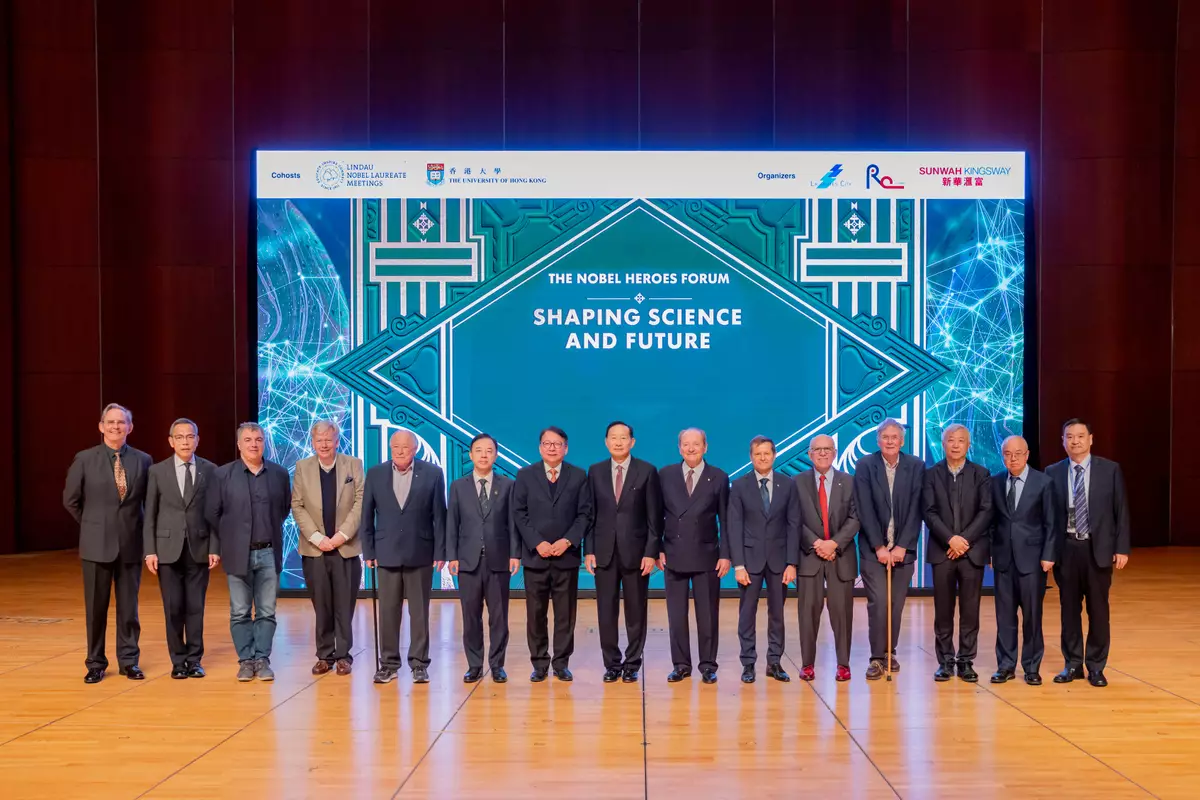
The forum convened an extraordinary assembly of Nobel laureates: Professor Robert C. Merton, Nobel Prize in Economic Sciences laureate (1997); Professor Louis J. Ignarro, Nobel Prize in Physiology or Medicine laureate (1998); Professor Tim Hunt, Nobel Prize in Physiology or Medicine laureate (2001); Professor Kurt Wüthrich, Nobel Prize in Chemistry laureate (2002); Professor Konstantin Novoselov, Nobel Prize in Physics laureate (2010); and Professor Ferenc Krausz, Nobel Prize in Physics laureate (2023) and HKU Chair Professor of Laser Physics. Distinguished attendees included Professor Xiang Zhang, President and Vice-Chancellor of HKU; Dr Peter Wong, Chairman of the HKU Council; Mr Eric Kwok-ki Chan, Chief Secretary for Administration of the Government of the Hong Kong Special Administrative Region; Professor James Tang, Secretary-General of the University Grants Committee; and Mr Nikolaus Turner, Executive Director of the Lindau Nobel Laureate Meetings.

More Images
Held at the Grand Hall of the Lee Shau Kee Lecture Centre on the Centennial Campus, the forum drew an audience of over 800 participants.. Photo source: HKU

Held at the Grand Hall of the Lee Shau Kee Lecture Centre on the Centennial Campus, the forum drew an audience of over 800 participants.. Photo source: HKU

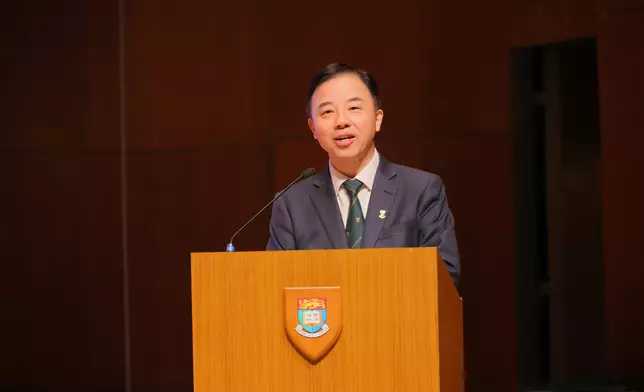
Professor Xiang Zhang, President and Vice-Chancellor of HKU, delivers welcome remarks. Photo source: HKU
Professor Xiang Zhang, President and Vice-Chancellor of HKU, delivers welcome remarks. Photo source: HKU

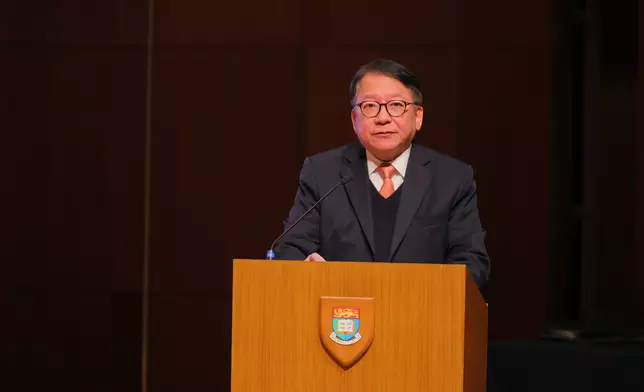
Mr Eric Kwok-ki Chan, Chief Secretary for Administration, delivers his speech at the forum. Photo source: HKU
Mr Eric Kwok-ki Chan, Chief Secretary for Administration, delivers his speech at the forum. Photo source: HKU

Mr Nikolaus Turner, Executive Director of the Lindau Nobel Laureate Meetings, delivers his remarks. Photo source: HKU
Mr Nikolaus Turner, Executive Director of the Lindau Nobel Laureate Meetings, delivers his remarks. Photo source: HKU

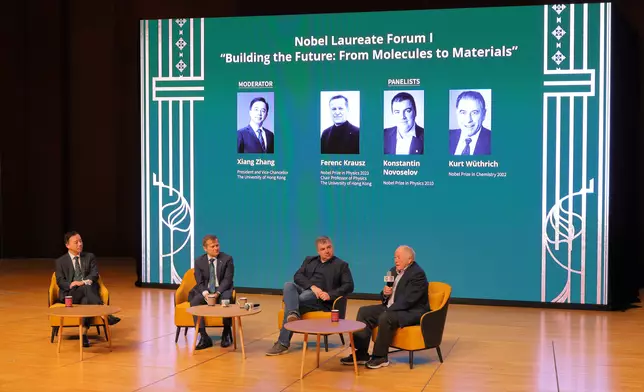
The first panel discussion, ‘Building the Future: From Molecules to Materials’, was moderated by Professor Xiang Zhang. Photo source: HKU
The first panel discussion, ‘Building the Future: From Molecules to Materials’, was moderated by Professor Xiang Zhang. Photo source: HKU

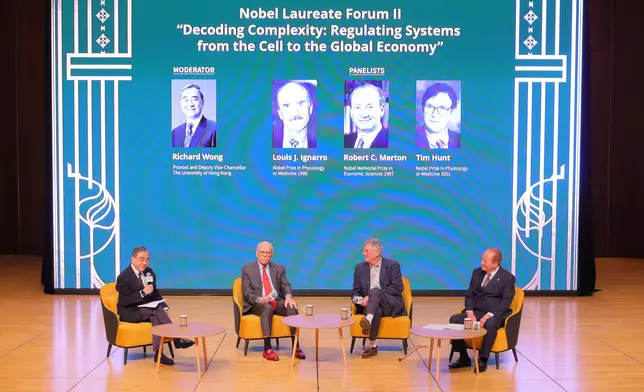
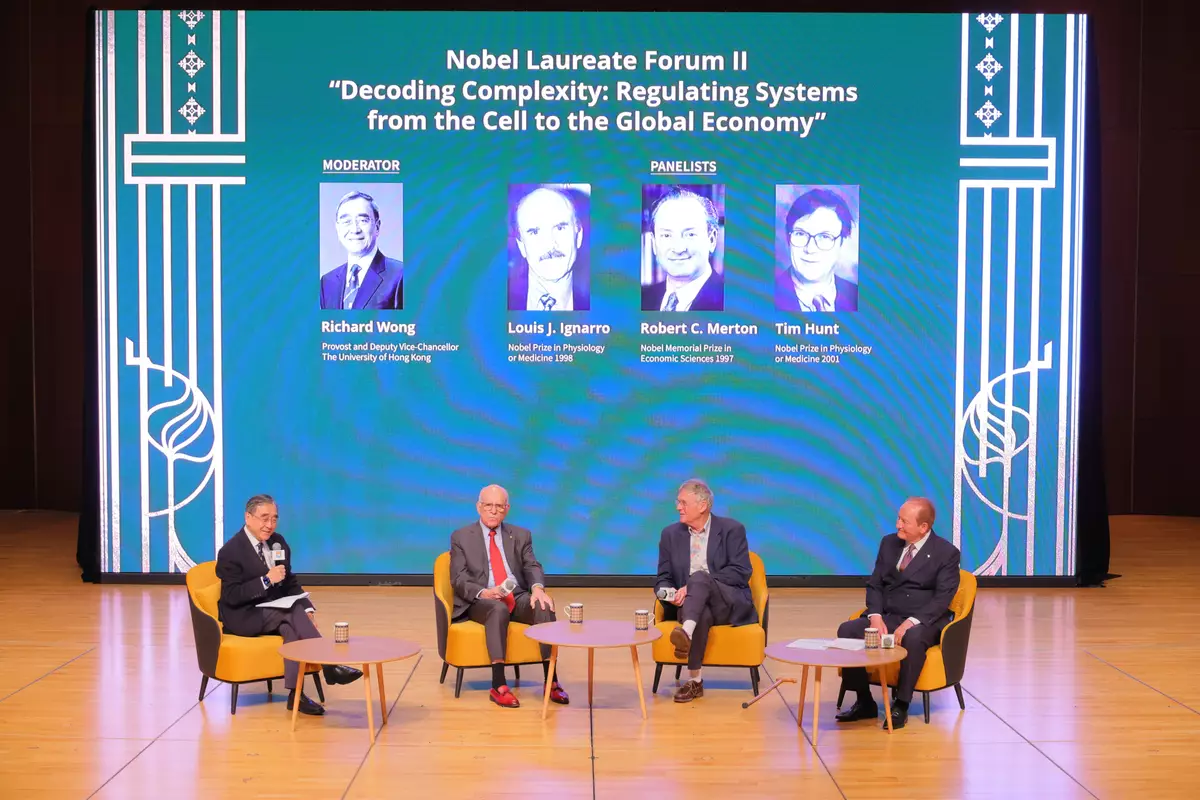
The second discussion, ‘Decoding Complexity: Regulating Systems from the Cell to the Global Economy’, moderated by Professor Richard Wong, HKU Provost and Deputy Vice-Chancellor. Photo source: HKU
The second discussion, ‘Decoding Complexity: Regulating Systems from the Cell to the Global Economy’, moderated by Professor Richard Wong, HKU Provost and Deputy Vice-Chancellor. Photo source: HKU

Professor Xiang Zhang and six Nobel Laureates. Photo source: HKU
Professor Xiang Zhang and six Nobel Laureates. Photo source: HKU

Distinguished guests and the Nobel Laureates. Photo source: HKU
Distinguished guests and the Nobel Laureates. Photo source: HKU

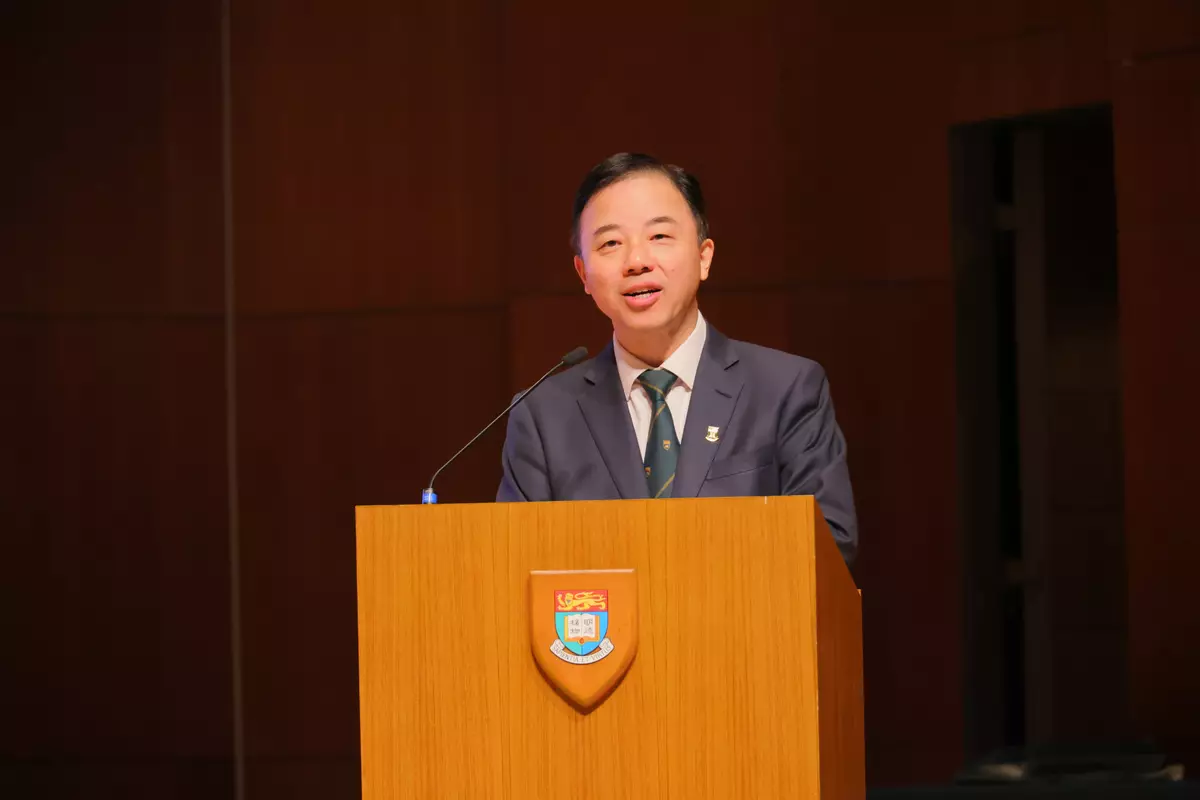
Professor Xiang Zhang, President and Vice-Chancellor of HKU, delivers welcome remarks. Photo source: HKU

Professor Xiang Zhang, President and Vice-Chancellor of HKU, delivers welcome remarks. Photo source: HKU

Professor Xiang Zhang remarked, “In today’s world, working together in science to achieve shared goals and promote global prosperity is increasingly challenging. We hope that, through the insights of six Nobel laureates, we can learn how to advance fundamental science, translate discoveries into practical applications, and benefit humanity, while navigating different challenges. HKU is committed to playing an important role in bridging international research collaborations. Ultimately, we believe that through mutual cooperation, science can transcend divisions, driving innovation and societal progress for the benefit of all.”
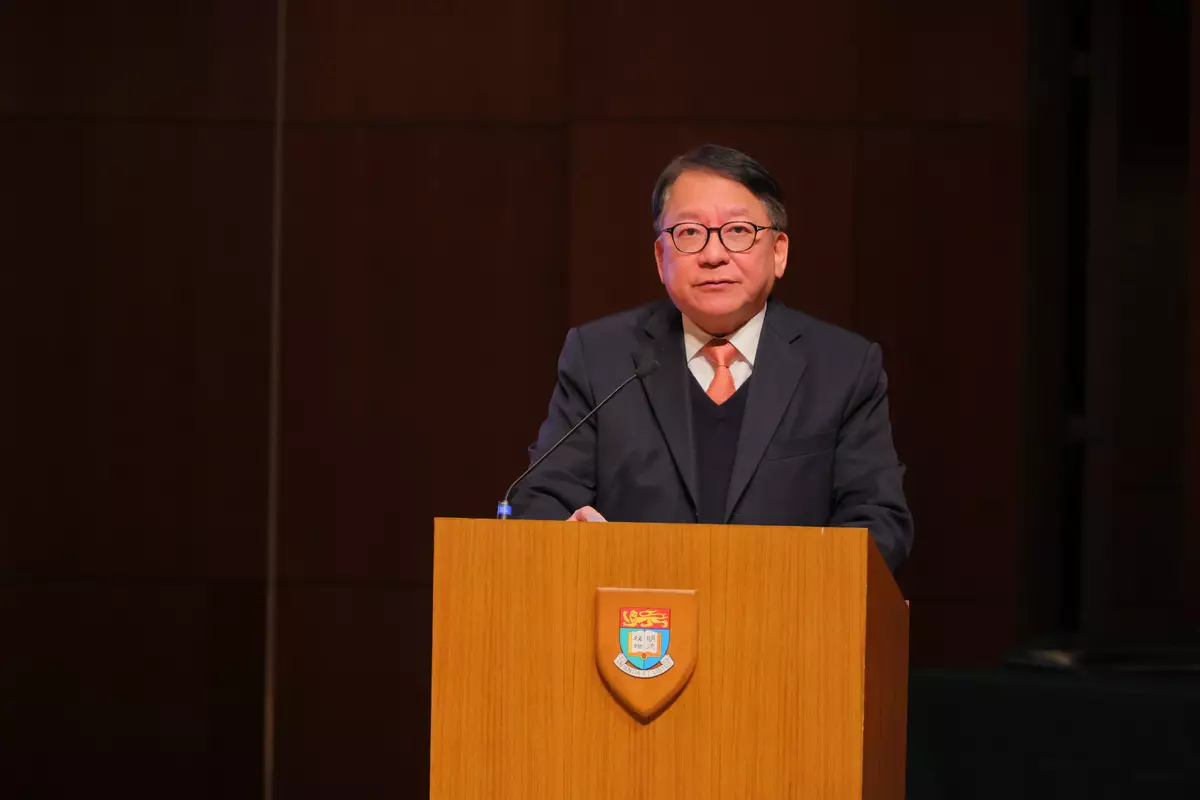
Mr Eric Kwok-ki Chan, Chief Secretary for Administration, delivers his speech at the forum. Photo source: HKU

Mr Eric Kwok-ki Chan, Chief Secretary for Administration, delivers his speech at the forum. Photo source: HKU

Mr Eric Chan praised the forum’s role in advancing the Hong Kong’s innovation landscape, “Today’s dialogue is more than an academic event. It is a powerful convergence of the world’s finest scientific minds, right here in a city that is determined to play its part in global innovation. Hong Kong’s mission is clear and unwavering: to become a premier international innovation and technology centre. A hub where top scientists, scholars and entrepreneurs can thrive, collaborate and serve the world. To achieve this, the Government is fully committed. We are building a world-class ecosystem and nurturing the talent to power it.”
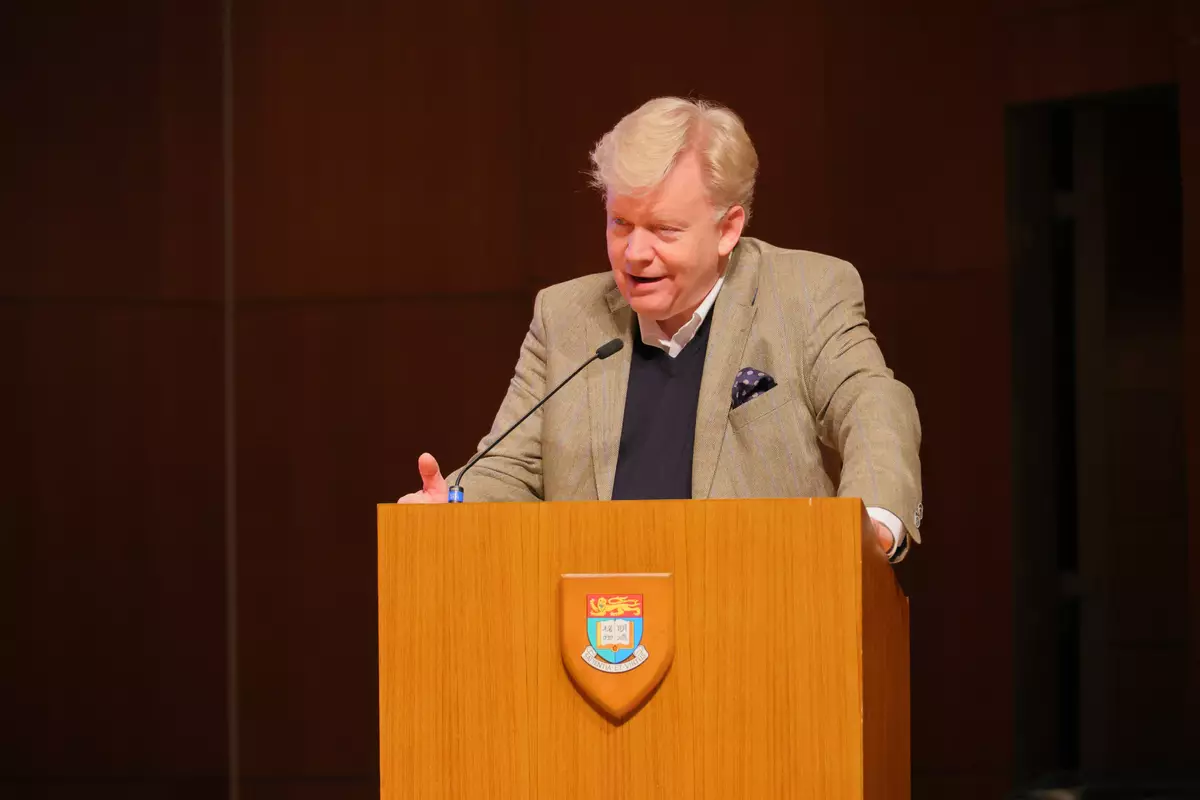
Mr Nikolaus Turner, Executive Director of the Lindau Nobel Laureate Meetings, delivers his remarks. Photo source: HKU

Mr Nikolaus Turner, Executive Director of the Lindau Nobel Laureate Meetings, delivers his remarks. Photo source: HKU

Mr Nikolaus Turner highlighted the collaboration’s global impact, “We are delighted to bring the Nobel Heroes to Hong Kong. In 2026, we will celebrate the 75th anniversary of our meetings in Lindau, Germany. Each year, we welcome outstanding young scientists from Hong Kong—bright minds shaping the future of research. We hope to attract even more talent from Hong Kong while building partnerships to sustain the unique intergenerational exchanges between young researchers and Nobel laureates.”
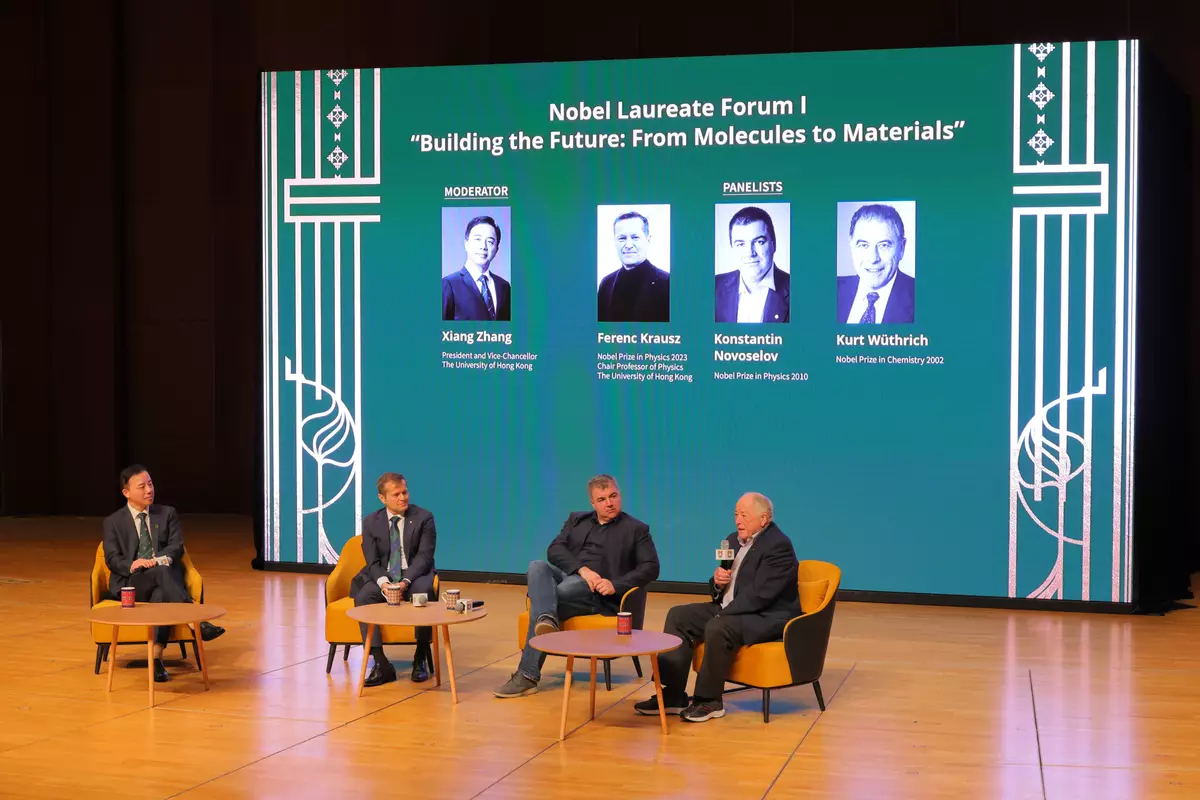
The first panel discussion, ‘Building the Future: From Molecules to Materials’, was moderated by Professor Xiang Zhang. Photo source: HKU

The first panel discussion, ‘Building the Future: From Molecules to Materials’, was moderated by Professor Xiang Zhang. Photo source: HKU

The forum featured two in-depth panel discussions moderated by HKU’s senior leadership. The first, ‘Building the Future: From Molecules to Materials’, was led by Professor Xiang Zhang and explored how fundamental discoveries in physics and chemistry unlocked new possibilities at the atomic and molecular levels. Panellists included Professors Krausz (Physics, 2023), Novoselov (Physics, 2010), and Wüthrich (Chemistry, 2002), who discussed topics ranging from visualising ultrafast atomic processes to engineering revolutionary materials with transformative applications.
The second discussion, ‘Decoding Complexity: Regulating Systems from the Cell to the Global Economy’, moderated by Professor Richard Wong, HKU Provost and Deputy Vice-Chancellor. Photo source: HKU

The second discussion, ‘Decoding Complexity: Regulating Systems from the Cell to the Global Economy’, moderated by Professor Richard Wong, HKU Provost and Deputy Vice-Chancellor. Photo source: HKU

The second discussion, ‘Decoding Complexity: Regulating Systems from the Cell to the Global Economy’, moderated by Professor Richard Wong, HKU Provost and Deputy Vice-Chancellor, examined universal principles governing complex systems across biology and finance. Professors Ignarro (Physiology/Medicine, 1998), Merton (Economic Sciences, 1997), and Hunt (Physiology/Medicine, 2001) highlighted striking parallels in how feedback mechanisms maintain stability—whether in cellular processes or financial markets.
Professor Xiang Zhang and six Nobel Laureates. Photo source: HKU

Professor Xiang Zhang and six Nobel Laureates. Photo source: HKU

The Forum underscored HKU’s commitment to advancing knowledge for the betterment of society, while reinforcing the vital role of basic research in addressing global challenges. The Forum was also made possible through the support of Laureates City Holdings Limited, Red Carpet Investments Limited, and Sunwah Kingsway Capital Holdings Limited, whose contributions were instrumental in bringing this prestigious event to fruition.
Distinguished guests and the Nobel Laureates. Photo source: HKU
Distinguished guests and the Nobel Laureates. Photo source: HKU
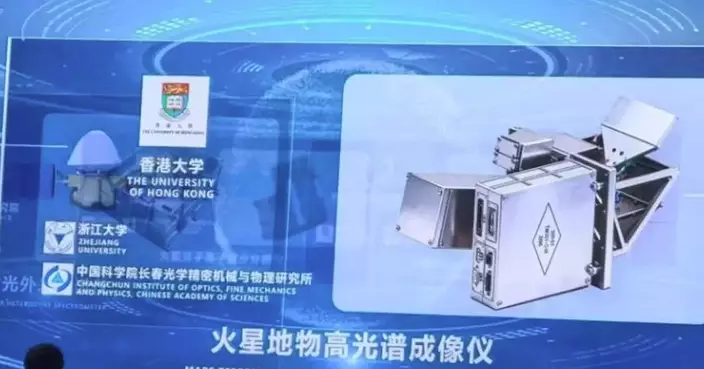
A research team from the Department of Earth and Planetary Sciences at The University of Hong Kong (HKU) will participate in China’s planetary exploration mission, Tianwen-3. According to the selection results released by the China National Space Administration recently, the “Short-Wavelength Infrared Spectrometer”, led and developed by HKU, has been officially chosen as a payload for deployment on the service module of the Tianwen-3 mission. The instrument will play a critical role in forecasting dust storms during landing manoeuvres, searching for biosignatures, detecting hydrous minerals, and surveying Martian resources.

HKU Short-Wavelength Infrared Spectrometer”, led and developed by HKU, has been selected for deployment on the service module of the Tianwen-3 mission. Photo source: HKU

HKU Short-Wavelength Infrared Spectrometer”, led and developed by HKU, has been selected for deployment on the service module of the Tianwen-3 mission. Photo source: HKU

Tianwen-3 mission is China’s first Mars Sample Return mission. Scheduled for launch in 2028, with sample return planned for 2031, the mission aims to address fundamental scientific questions, including the uniqueness of life on Earth and the universality of biochemical mechanisms in the universe.

Professor Xiang Zhang, President and Vice-Chancellor of HKU, commented, "HKU is honoured to participate in the Tianwen-3 planetary exploration mission. The selection of our research project as a mission payload reflects the University’s deep-seated expertise in planetary science and deep-space exploration, while marking a significant contribution to the nation’s strategic advancement as a leading space power. We remain committed to deepening our frontier research to further expand the boundaries of human knowledge."

The project is led by Professor Yiliang LI of the Department of Earth and Planetary Sciences at HKU, with major collaborating institutions including Zhejiang University and the Chinese Academy of Sciences’ Changchun Institute of Optics, Fine Mechanics, and Physics.

The instrument will be used for key investigations, including forecasting dust storms during the landing maneuver, searching for biosignatures, detecting hydrous minerals, and surveying resources on Mars. Photo source: HKU

The instrument will be used for key investigations, including forecasting dust storms during the landing maneuver, searching for biosignatures, detecting hydrous minerals, and surveying resources on Mars. Photo source: HKU

The orbital spectrometer will undertake three primary tasks:

1. To monitor the potential emergence and development of dust storms, thereby guiding the safe landing of the lander at sites of highest scientific value.
2. To provide detailed, high-spatial-resolution mineralogical mapping of candidate landing sites from orbit, supporting final-stage landing site selection for the Tianwen-3 mission.
3. Following completion of the sample return phase, the instrument will remain in orbit for at least five years to conduct sustained observations of Mars’s low-latitude regions.

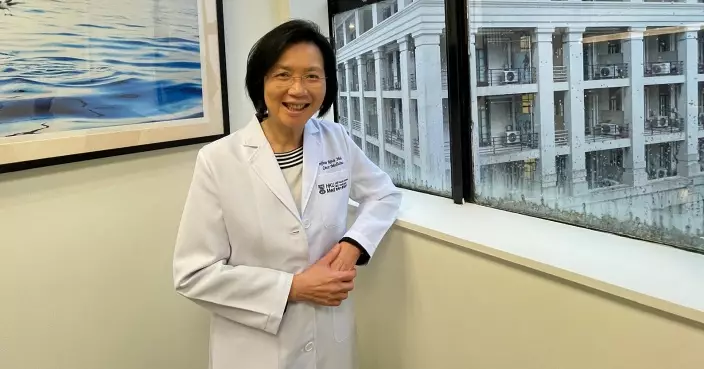
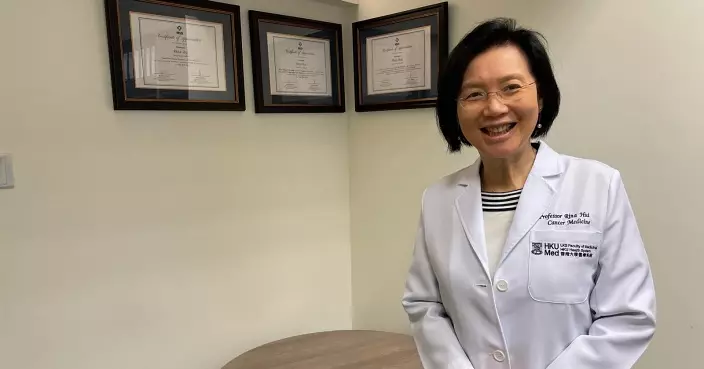
Professor Yiliang LI of HKU Earth and Planetary Sciences, Photo source: HKU

Professor Yiliang LI of HKU Earth and Planetary Sciences, Photo source: HKU

Professor Li stated, “This mission marks a significant contribution from Hong Kong’s scientific community to the nation’s deep space exploration programme. Using hyperspectral imaging technology, we will directly search for biosignatures and hydrous minerals on Mars, which is fundamentally important for understanding the distribution of life in the universe.”

Professor Li has served as a core member of both the Landing Site Selection Team and the Mission Science Team of Tianwen-3 mission. The selection of this payload demonstrates HKU’s international competitiveness in Earth and planetary sciences while fostering interdisciplinary synergy across science and engineering in Hong Kong.

Professor Li further noted that the project aligns with two concurrent developments, “First, the continued expansion of HKU’s research capabilities in Earth and planetary sciences, particularly in cosmochemistry and astrobiology focusing on solar system bodies such as asteroids, Mars and Jupiter; and second, the Hong Kong SAR Government’s strategic initiative to cultivate a local aerospace industry, by leveraging the region’s geographical advantages.”

Recommended Articles